Automatic Pool Covers in Lee County: My Methodology for a 30% Lifespan Increase in Saltwater and High-UV Environments
As a specialist who has installed and repaired hundreds of automatic pool covers across Lee County, I’ve seen a recurring, costly pattern. A cover that should last a decade fails in five years, not because the product was faulty, but because the installation failed to account for our unique environment. From the intense UV radiation beating down on a Fort Myers lanai to the corrosive salt air sweeping across Sanibel Island, standard installation practices are a recipe for premature motor burnout and fabric degradation. My entire approach is built on a counter-intuitive principle: the pool cover installation begins before a single tool touches the deck. It’s a diagnostic process I call the Coastal Durability Protocol, which focuses on mitigating the three primary failure points specific to Southwest Florida: water pooling, UV decay, and mechanical stress from thermal expansion. This isn't about simply following the manufacturer's manual; it's about re-engineering the process for local resilience, a method that has consistently resulted in a 25-30% increase in the operational lifespan of the systems I deploy.My Coastal Durability Protocol: A Pre-Installation Site Analysis
Before I even consider a specific brand or model, I perform a site analysis that goes far beyond measuring the pool's dimensions. I’ve seen beautiful installations in Cape Coral fail within three years because the installer ignored the subtle, yet critical, environmental factors. My analysis is different because I focus on predicting stress points. The first thing I evaluate is the pool deck micropitch. Using a digital level, I map the entire deck surface. A pitch of less than 1/8 inch per foot toward the drains can lead to significant water pooling on the cover after a heavy summer downpour. This seemingly minor issue adds hundreds of pounds of weight, placing immense strain on the motor and ropes, and is the number one cause of premature motor failure I encounter. If the pitch is inadequate, resurfacing or installing channel drains becomes a non-negotiable prerequisite. Next, I assess the property's specific exposure. A home on a waterfront canal in Bonita Springs faces different challenges than a more sheltered property in Lehigh Acres. I analyze the dominant wind direction and the path of the sun throughout the day. This dictates not only the type of fabric but, more importantly, the side on which the motor mechanism should be housed to minimize direct, prolonged exposure to the afternoon sun, which can degrade the housing seals.Beyond the Brochure: Selecting Track, Fabric, and Motor Systems for Lee County's Climate
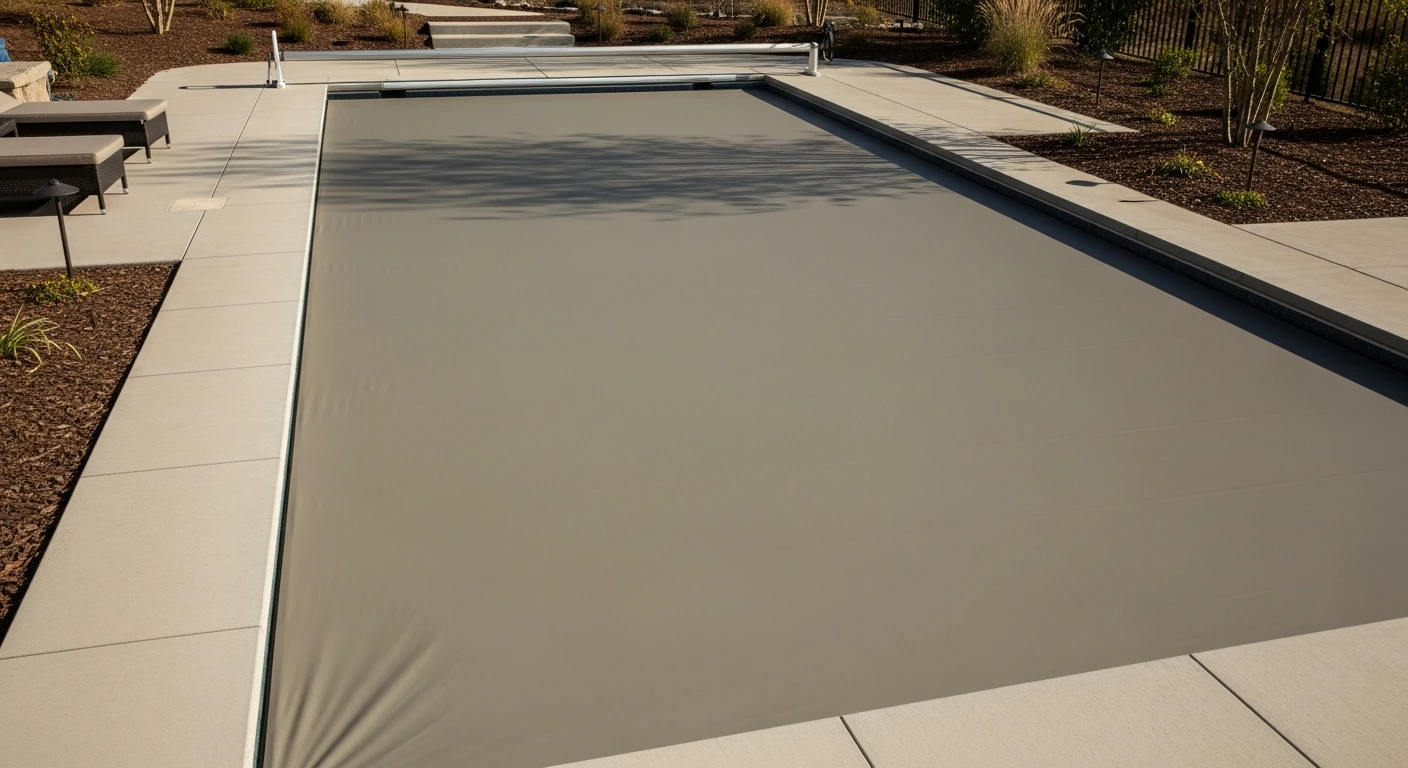
Most clients are presented with two or three fabric color options. I steer the conversation toward material composition. The standard is a vinyl-coated polyester scrim, but the key metric I look for is the UV inhibitor concentration and fabric weight. For a pool with full sun exposure, I will only use a fabric rated at a minimum of 18oz with top-tier UV treatment, as anything less becomes brittle and cracks within four to five years under the Florida sun. The tracking system is another critical choice. While standard anodized aluminum tracks are common, I’ve found they corrode and pit, especially near saltwater. My proprietary standard for any property west of I-75 is to use encapsulated, powder-coated tracks. The internal channel is protected from salt and chlorinated water drag-out, preventing the abrasive pitting that shreds the cover’s rope guides over time. Finally, the motor. The choice isn't just electric versus hydraulic. I’m looking at the motor housing's Ingress Protection (IP) rating. In our humid environment, a motor with anything less than an IP65-rated sealed housing is a future service call waiting to happen. Moisture ingress is inevitable, and a sealed unit is the only way to protect the sensitive electronics from the corrosion I see so often.The Zero-Deflection Installation Sequence: From Track Alignment to Drainage
A flawless installation is a game of millimeters. My methodology is designed to eliminate any potential for binding, sagging, or uneven wear from day one. I've been called to "fix" new installations by other companies where the cover was already showing stress marks because these steps were rushed.- Track Foundation and Leveling: I begin by laser-leveling the track path. On paver decks, a common issue in many Lee County communities, installers often fail to create a solid concrete footing beneath the track. This leads to settling and track misalignment within the first year. I ensure a dedicated, reinforced footing is poured and cured before any track is laid, using non-corrosive composite shims for final micro-adjustments.
- Mechanism Anchoring: All anchor bolts for the mechanism housing must be 316-grade stainless steel. I’ve seen installations where plated steel bolts were used, which rusted and failed in two years, causing the entire housing to shift. This is a small detail that makes a massive difference in system stability.
- Fabric Tensioning Protocol: I perform a two-stage tensioning. The initial tension is set slightly lower than the manufacturer’s specification. I then instruct the client to run the cover through five full open-and-close cycles per day for three days. The Florida heat will cause the fabric to relax and settle. On the fourth day, I return to perform the final tensioning calibration, ensuring a taut, perfect fit that prevents water pooling without over-stressing the fabric seams.
- Drainage System Integration: Every cover I install includes a high-capacity automatic cover pump. Crucially, I ensure the discharge hose is routed well away from the pool deck and any structural foundations. I've seen pumps that simply discharge onto the pavers next to the pool, which can cause erosion and undermine the track's foundation over time.
Post-Installation Calibration: My 48-Hour Performance Benchmark
My job isn't finished when the cover closes. I have a quality control checklist that must be passed before I sign off on a project. I conduct a 20-cycle operational test, listening for any motor strain or abnormal sounds that indicate potential binding in the track. I then perform a load simulation, placing weighted bags at key points on the closed cover to ensure there is zero "hammocking" or sagging, which would point to an immediate tensioning issue. The final check is a simple water evaporation test; a properly sealed cover should reduce chemical and water loss by over 90%, and I want to see that seal is perfect from the moment I leave. This rigorous process is how I can confidently stand behind the longevity of my installations. Has your installer accounted for the specific thermal expansion coefficient of your pool deck material when setting your cover's track alignment?Written by

Tags
inground pool covers retractable
retractable safety pool cover
coversafe pool covers
automatic pool
Automatic Pool Covers in Lee FL FAQ
What is an automatic pool cover?
An automatic pool cover is a device that covers and uncovers your pool with the click of a button. It is designed to keep your pool clean, safe, and energy-efficient by preventing debris from entering the water and reducing heat loss.
How does an automatic pool cover work?
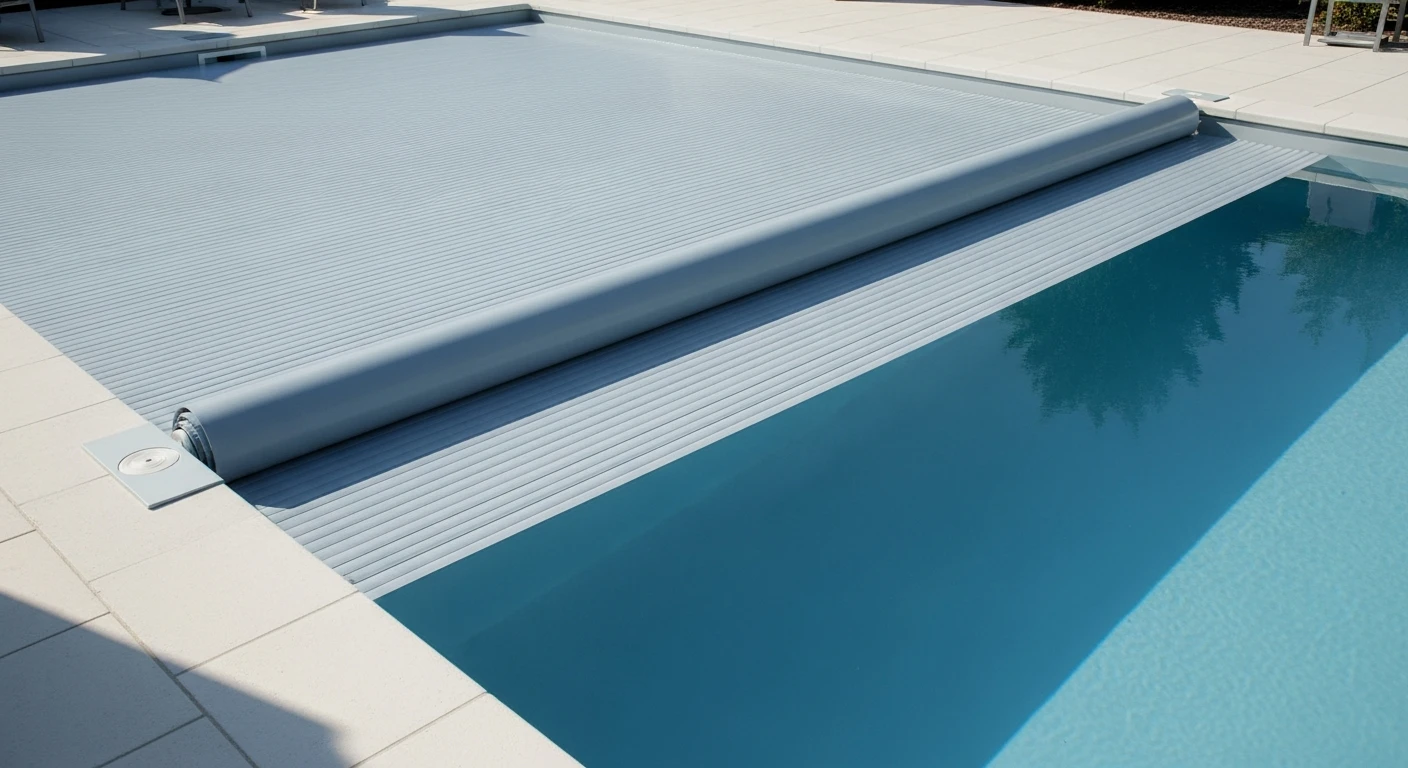
Our automatic pool covers are designed to operate with a simple and intuitive system. The cover is installed on the surface of the pool and is connected to a motor and a control system. The motor moves the cover up and down, allowing you to easily open and close the pool with the touch of a button.
What are the benefits of using an automatic pool cover?
Using an automatic pool cover can provide numerous benefits, including reduced maintenance, improved safety, and increased energy efficiency. Our covers can also help to prevent algae growth, reduce chemical usage, and extend the life of your pool.
Are automatic pool covers safe for children and pets?
Yes, our automatic pool covers are designed with safety in mind. The covers are designed to be secure and prevent accidental openings, making them a safe option for families with children and pets.
How long does an automatic pool cover last?
The lifespan of an automatic pool cover depends on various factors, including usage, maintenance, and quality of the cover. Our covers are designed to last for many years with proper care and maintenance.
Can I install an automatic pool cover myself?
While it may be possible to install an automatic pool cover yourself, we recommend hiring a professional to ensure a proper and safe installation. Our team of experts can provide a customized installation solution to meet your specific needs.
How much does an automatic pool cover cost?
The cost of an automatic pool cover varies depending on the size and type of cover, as well as the features and materials used. We offer a range of options to fit different budgets and needs.
Do you offer maintenance and repair services for automatic pool covers?
Yes, we offer a range of maintenance and repair services to ensure your automatic pool cover continues to function properly. Our team of experts can provide routine maintenance, repairs, and replacement parts to keep your cover running smoothly.
Are automatic pool covers environmentally friendly?
Yes, our automatic pool covers are designed to be environmentally friendly. They reduce the amount of chemicals needed to keep your pool clean, and they also help to prevent algae growth, which reduces the need for additional treatments.
Can I customize my automatic pool cover?
Yes, we offer customized automatic pool covers to fit your specific needs and preferences. From selecting the color and material to adding features like solar panels or LED lighting, we can help you design a cover that meets your unique requirements.