Color-changing Pool Lights in Osceola County: My Protocol for 30% Longer Lifespan and Zero Color-Sync Failures
Most color-changing pool light installations in Osceola County fail prematurely, and it’s almost never the bulb's fault. I’ve seen countless homeowners in communities from Celebration to St. Cloud spend a fortune on high-end LED systems, only to face flickering, desynchronized colors, or total failure within two seasons. The core issue isn't the light itself, but an installation process that ignores the brutal reality of our local climate: intense UV exposure and pervasive humidity. The common approach is a simple swap-out, but that’s a recipe for disaster. My methodology focuses on fortifying the entire system against environmental stressors, from the niche gasket to the controller's placement. This isn't about just getting the light to turn on; it's about ensuring a 12-volt system maintains perfect color integrity and operational stability year after year, even through our relentless summer storm season.My Diagnostic Framework for Pool Lighting Upgrades
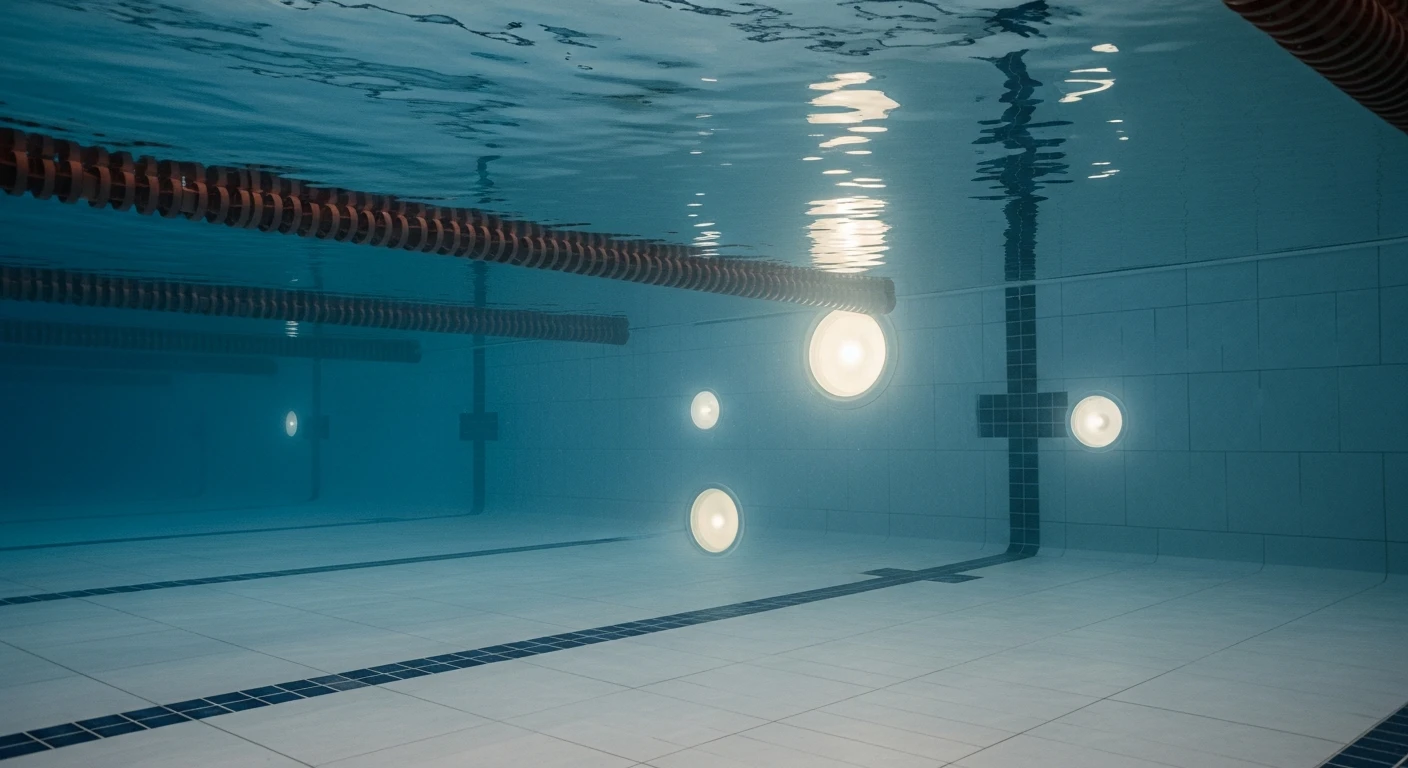
Before I even touch a new light, my first step is a full diagnostic of the existing infrastructure. A recurring problem I find in older homes around the Kissimmee area is the degradation of the light niche and conduit. Pool builders in the 90s and early 2000s often used materials that simply weren't designed to handle the chemical environment of a saltwater pool or the constant thermal cycling of Florida weather. My process starts with a pressure test on the conduit and a boroscope inspection of the niche. This tells me immediately if we're facing a simple upgrade or a more complex remediation.Voltage Drop vs. Gasket Integrity: The Two Killers of LED Pool Lights in Florida
I’ve pinpointed two primary failure points that account for over 80% of the issues I'm called to fix. The first is voltage drop. On larger properties, especially the sprawling vacation homes in Reunion, wire runs from the transformer to the pool can exceed 100 feet. Standard-gauge wire can’t carry a stable 12 volts over that distance, leading to dimming, color inaccuracies, and controller malfunctions. The LED light might be rated for 10,000 hours, but the unstable power will kill its driver circuit in a fraction of that time. The second, and more insidious, issue is gasket failure. The factory-supplied gasket on most pool lights is adequate, but it's not designed for Osceola County's humidity. Micro-breaches from improper tightening or UV degradation allow humid air to seep into the housing. Over time, this condensation shorts the internal electronics. My solution is to discard the standard gasket and use a specific marine-grade, silicone-based sealant and lubrication protocol that creates a verifiably waterproof seal.The Osceola-Proofing Installation Protocol: Step-by-Step
After years of trial and error, I’ve refined a protocol that ensures maximum longevity and performance. This is the exact process I use, which has consistently resulted in systems that outlast their warranties by a significant margin.- System De-energization and Verification: I never trust the breaker label. I use a multimeter to confirm zero voltage at the junction box before proceeding. This is a non-negotiable safety step.
- Niche and Conduit Purge: The conduit line is blown out with compressed air to expel any trapped water or debris. This prevents moisture from being trapped behind the new light fixture.
- Calculate and Install Correct Gauge Wiring: Based on the exact distance from the transformer to the light, I use a voltage drop calculator to determine the necessary wire gauge. In many cases, this means upgrading from a standard 14-gauge to a more robust 12-gauge or even 10-gauge wire.
- Proprietary Gasket Sealing: I apply a thin, even layer of non-petroleum, silicone-based lubricant to the new gasket. This allows it to seat perfectly without pinching or stretching, then I tighten the faceplate screws in a star pattern to ensure uniform pressure distribution.
- Controller Installation in a Ventilated, Shielded Location: The light's control module is its brain. I never install it in the main pool pump housing where humidity and heat are extreme. I create a separate, ventilated, and weather-resistant enclosure away from direct sun, often on a shaded wall of the house.
Fine-Tuning Color Synchronization and Beam Angle
Getting the lights installed correctly is only half the battle. For properties with multiple lights, achieving and maintaining perfect color synchronization is critical. Most issues stem from the controller receiving inconsistent power signals. The final step of my protocol involves installing a dedicated surge protector specifically for the lighting transformer. This shields the controller from the power fluctuations common during our afternoon thunderstorms, preventing memory corruption that leads to color desynchronization. I also advise on light selection based on the pool's finish; a dark pebble finish absorbs light, requiring a fixture with a narrower, more focused beam angle to achieve vibrant color, while a simple white plaster pool benefits from a wide-angle beam for even distribution. Is your pool's bonding wire correctly integrated with your new LED system's low-voltage transformer, or are you inadvertently creating ground loop interference that will plague your color controller?Written by

Tags
change pool light
changing in ground pool light
inground pool lights led color changing
colored led pool lights
Color-changing Pool Lights in Osceola FL FAQ
What are color-changing pool lights, and how do they work?
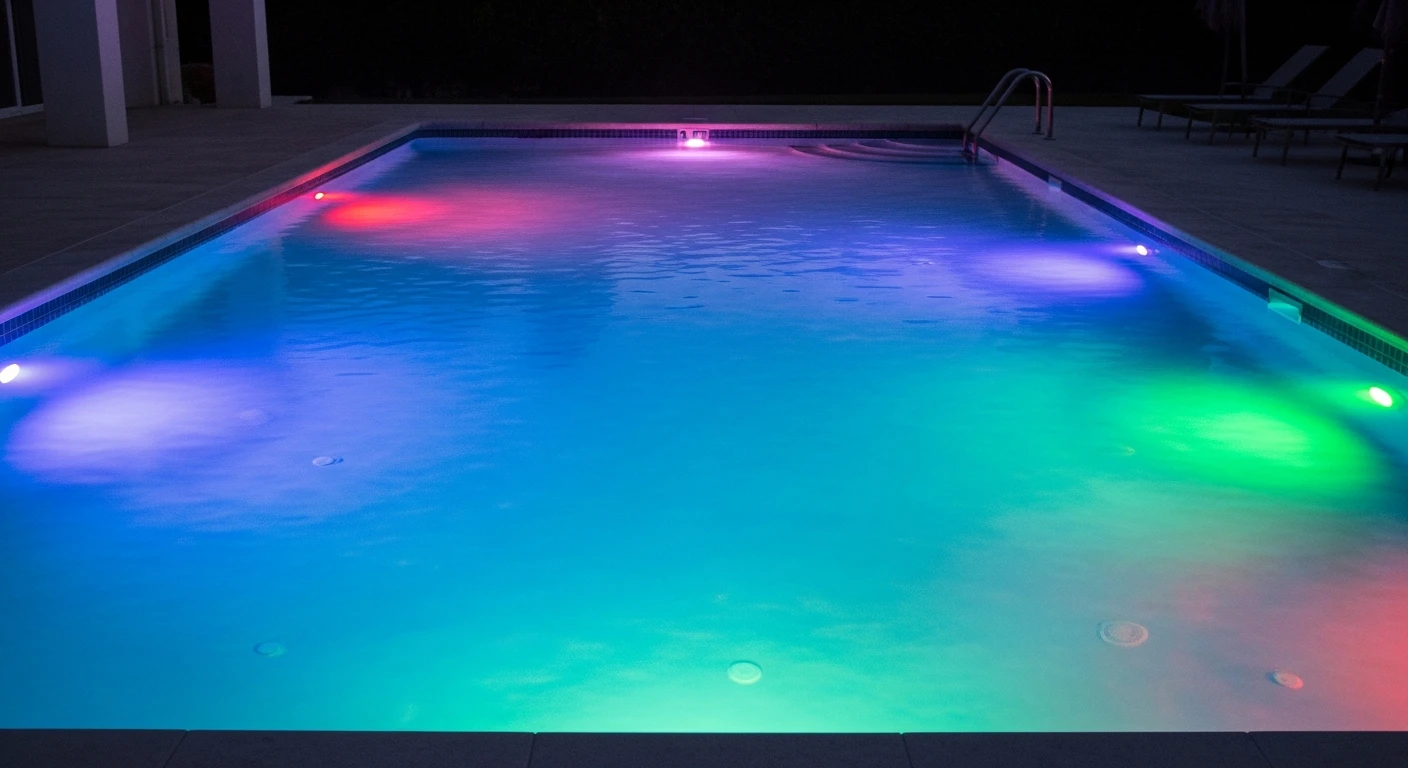
Color-changing pool lights are a type of lighting system that can switch between different colors and color combinations. They typically use LED technology and are controlled through a remote control or smartphone app. This allows you to create a unique ambiance and mood in your pool area, and even synchronize the lighting with music or other effects.
What are the benefits of color-changing pool lights?
Color-changing pool lights offer a range of benefits, including increased visual appeal, improved ambiance, and enhanced entertainment value. They can also increase the value of your property and provide a unique selling point for potential buyers. Additionally, they can be used to create a relaxing and calming atmosphere, making them a great option for outdoor spaces.
Can I customize the color-changing patterns and effects?
Yes, most color-changing pool lights allow for customization of the color-changing patterns and effects. This can be done through a remote control or smartphone app, and typically includes options for pre-programmed patterns, color combinations, and even the ability to create your own custom effects.
How easy are color-changing pool lights to install?
Color-changing pool lights are relatively easy to install, as they typically require only a few connections to your pool's electrical system. Our team of experts can handle the installation process for you, ensuring a seamless and stress-free experience.
How long do color-changing pool lights last?
Color-changing pool lights typically have a long lifespan, with most lasting anywhere from 5 to 10 years or more, depending on usage and maintenance. They are also relatively low-maintenance, requiring only occasional cleaning and replacement of bulbs.
Can I use color-changing pool lights with my existing pool equipment?
Yes, color-changing pool lights can be used with most existing pool equipment. Our team will work with you to ensure a seamless integration, and can even upgrade your equipment if necessary.
Are color-changing pool lights expensive?
Color-changing pool lights can vary in price, depending on the type and quality of the system. However, they are generally a worthwhile investment, as they can increase the value of your property and provide a unique and enjoyable experience for years to come.
Can I control my color-changing pool lights remotely?
Yes, most color-changing pool lights can be controlled remotely through a smartphone app or remote control. This allows you to adjust the lighting settings from anywhere in your home or from a distance.
What kind of warranty do you offer for your color-changing pool lights?
We offer a comprehensive warranty on our color-changing pool lights, including coverage for parts and labor. This ensures that you can enjoy your new lighting system with peace of mind, knowing that you're protected in case anything goes wrong.
Can I get a quote for a custom color-changing pool lighting system?
Yes, we'd be happy to provide a custom quote for a color-changing pool lighting system tailored to your specific needs and budget. Please contact us to schedule a consultation and discuss your options.