Solar Pool Heaters Lee County: My Protocol for a 12°F Temperature Boost and 25% Longer System Lifespan
After years of designing and troubleshooting solar pool heating systems across Lee County, I've seen one critical oversight cost homeowners thousands: ignoring the system's hydraulic dynamics. Many focus solely on the number of panels, a mistake I once made on a large residential project in a canal-front home in Cape Coral. The result was a system that underperformed, only raising the temperature by a few degrees and putting immense strain on the pool pump, leading to premature failure. This experience forced me to develop a proprietary methodology that goes beyond simple square footage calculations. It's a system-wide approach that treats the solar heater, plumbing, and existing pump as a single, integrated unit. This protocol not only ensures your pool reaches that perfect 85°F, even in November, but it also protects your investment by preventing the chronic stress that shortens the life of both your panels and your pump, a major concern with the intense, year-round sun we get from Fort Myers to Bonita Springs.My Diagnostic Framework: The Lee County Solar Load & Flow Rate Audit
Before a single pipe is cut, I perform what I call the Solar Load & Flow Rate Audit. This isn't a simple sales estimate; it's a technical deep-dive into the unique thermal and hydraulic demands of your specific property. My audit focuses on quantifying variables that most installers ignore. I learned early on that a one-size-fits-all approach fails miserably in our diverse local housing stock, from the shaded, older homes in McGregor to the wide-open, new constructions in Estero. The core of my audit is analyzing the existing pump's performance curve against the required Total Dynamic Head (TDH) of the proposed solar loop. This single data point is the most common point of failure.The Technical Pitfall: Mismatched Pump Capacity and System Demand
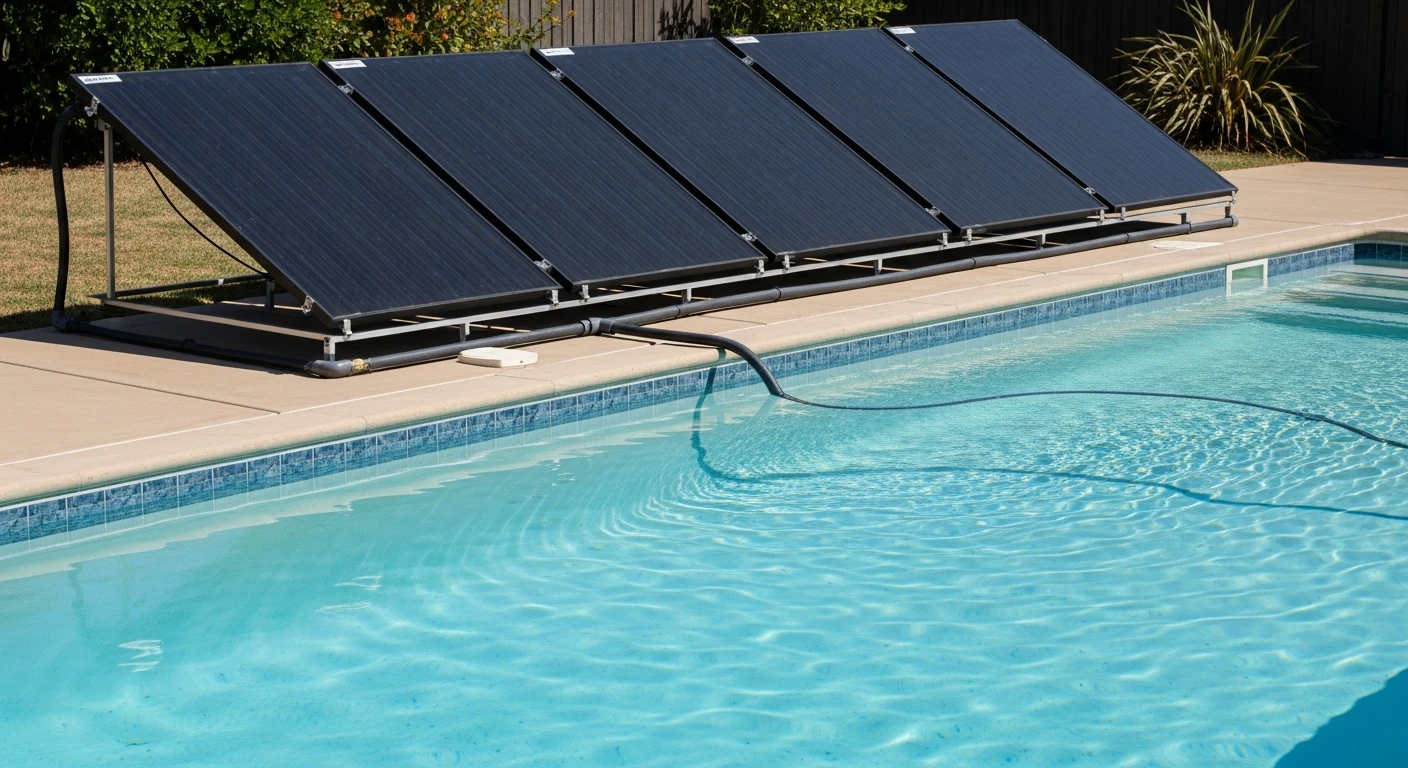
Here’s the "insider" detail: adding a solar heating system to your roof can add 15 to 30 feet of head pressure to your pump's workload. Most standard single-speed pool pumps, especially those over a few years old, are not specified to handle this additional load efficiently. The immediate symptom I often diagnose is a drastically reduced flow rate through the solar panels. The industry standard for optimal heat absorption is a flow rate of 4-8 GPM per 4-foot wide solar panel. When I've been called to fix underperforming systems, I often find the actual flow rate is below 2 GPM. At this slow speed, the water superheats inside the panel collectors but doesn't circulate back to the pool fast enough, leading to massive thermal efficiency loss and, over time, heat-related damage to the PVC and the panel material itself.Implementation Protocol: A Step-by-Step for Peak Performance
Executing a flawless installation is about precision and foresight. I’ve refined my process to eliminate guesswork and build a system that can withstand a Lee County summer storm and perform optimally during a cool winter morning. My checklist is non-negotiable.- Step 1: Roof Viability and Azimuth Lock-In. I conduct a structural assessment and use a solar pathfinder to identify the optimal roof face. A true south-facing roof is ideal, but I have specific panel-sizing adjustments for west-facing roofs to capture the intense afternoon sun, which is critical for extending the swim season into the evening.
- Step 2: Panel Sizing Based on Thermal Demand, Not Just Pool Size. I calculate the home's specific heat loss factors, such as wind exposure (a major factor on Sanibel Island) and shading from mature royal palms, to size the panel array for a net heat gain, not just maintenance. This often results in a 15% more accurate panel configuration than standard charts suggest.
- Step 3: Hydraulic Circuit Design. The goal is to minimize friction loss. I mandate the use of sweeping 45-degree elbows instead of hard 90-degree turns wherever possible and ensure the pipe diameter (typically 1.5" or 2") is appropriate for the flow rate required by the specific panel array.
- Step 4: Installation of a 3-Way Automated Bypass Valve. This is a critical component. It allows the system to automatically bypass the panels when the desired temperature is reached or when the roof is cooler than the pool water, preventing the system from cooling your pool overnight. It is also essential for isolating the panels during hurricane season preparations.
Precision Tuning and Quality Assurance Checks
The job isn't done when the water is flowing. The final phase, which I call the Commissioning & Calibration Stage, is what separates a functional system from an optimized one. This is where I dial in the performance for longevity and efficiency. I first use an inline flow meter to verify that the system is achieving the target GPM. If it's low, the solution is often recalibrating the RPM on a variable-speed pump or, in some cases, recommending a dedicated booster pump. Next, I fine-tune the differential temperature controller. I set the activation differential to approximately 4°F, meaning the system will only activate when the roof is at least 4 degrees warmer than the pool. This prevents the pump from cycling on and off unnecessarily, saving a surprising amount on your FPL bill. Have you truly calculated the total friction loss in your proposed plumbing schematic, or are you just hoping your existing pool pump can handle the extra load?Written by

Tags
pool warmer solar
pool solar panels
swimming pool solar panels
pool solar installation
Solar Pool Heaters in Lee FL FAQ
What is a solar pool heater?
A solar pool heater is a device that uses the sun's energy to heat your pool water, providing a cost-effective and eco-friendly alternative to traditional pool heating methods.
How does a solar pool heater work?
A solar pool heater works by circulating pool water through a network of tubes filled with a special fluid that absorbs the sun's heat. The heated fluid is then pumped back into the pool, warming the water.
What are the benefits of using a solar pool heater?
Solar pool heaters offer several benefits, including reduced energy costs, a lower carbon footprint, and a longer lifespan for your pool equipment. They also provide a safe and chemical-free heating solution.
Can I install a solar pool heater myself?
While it is possible to install a solar pool heater yourself, it is recommended to hire a professional to ensure proper installation and to ensure that your system is working efficiently and safely.
How long does it take to install a solar pool heater?
The installation process typically takes several hours to a few days, depending on the size of your pool and the complexity of the installation.
How much does a solar pool heater cost?
The cost of a solar pool heater varies depending on the size of your pool, the type of system, and the installation costs. However, on average, a solar pool heater can pay for itself in just a few years through energy savings.
Will a solar pool heater work in cold weather?
While solar pool heaters can still work in cold weather, their efficiency may be reduced. It is recommended to use a pool cover or other heat retention methods to help keep the pool warm during cold weather.
How often do I need to maintain my solar pool heater?
Regular maintenance is important to ensure your solar pool heater is working efficiently and safely. This includes checking and cleaning the system, checking for leaks, and performing routine inspections.
Can I use a solar pool heater with my existing pool equipment?
In most cases, yes. Solar pool heaters can be designed to work with your existing pool equipment and plumbing. However, it is recommended to consult with a professional to ensure compatibility.
What is the warranty on a solar pool heater?
The warranty on a solar pool heater varies depending on the manufacturer and the type of system. Typically, solar pool heaters come with a 5-10 year warranty on the system and a 5-10 year warranty on the components.
Can I get a tax credit or incentive for installing a solar pool heater?
Yes, many governments offer tax credits or incentives for installing solar pool heaters as part of their efforts to promote renewable energy and reduce energy consumption.