Backyard Pool Designs: My Hydraulic-First Protocol for a 75% Reduction in Maintenance Time
I’ve seen countless homeowners invest in breathtaking backyard pool designs, only to find themselves shackled to a high-maintenance nightmare. The core issue is almost always the same: the design prioritized aesthetics over fluid dynamics. The industry standard is to design the shape first and then force the plumbing to fit, which is fundamentally backward. This approach guarantees inefficiency, leading to higher energy bills, excessive chemical use, and hours of manual cleaning.
My entire philosophy is built on reversing this process. I developed the Hydraulic-First Design Protocol, a methodology that treats water circulation as the non-negotiable foundation of the pool's architecture. By engineering the flow of water before finalizing the aesthetic elements, I consistently deliver pools that require up to 75% less weekly maintenance and consume about 60% less energy. This isn't about buying more expensive equipment; it's about designing a smarter system from the ground up.
Beyond Aesthetics: The Hydraulic-First Design Protocol
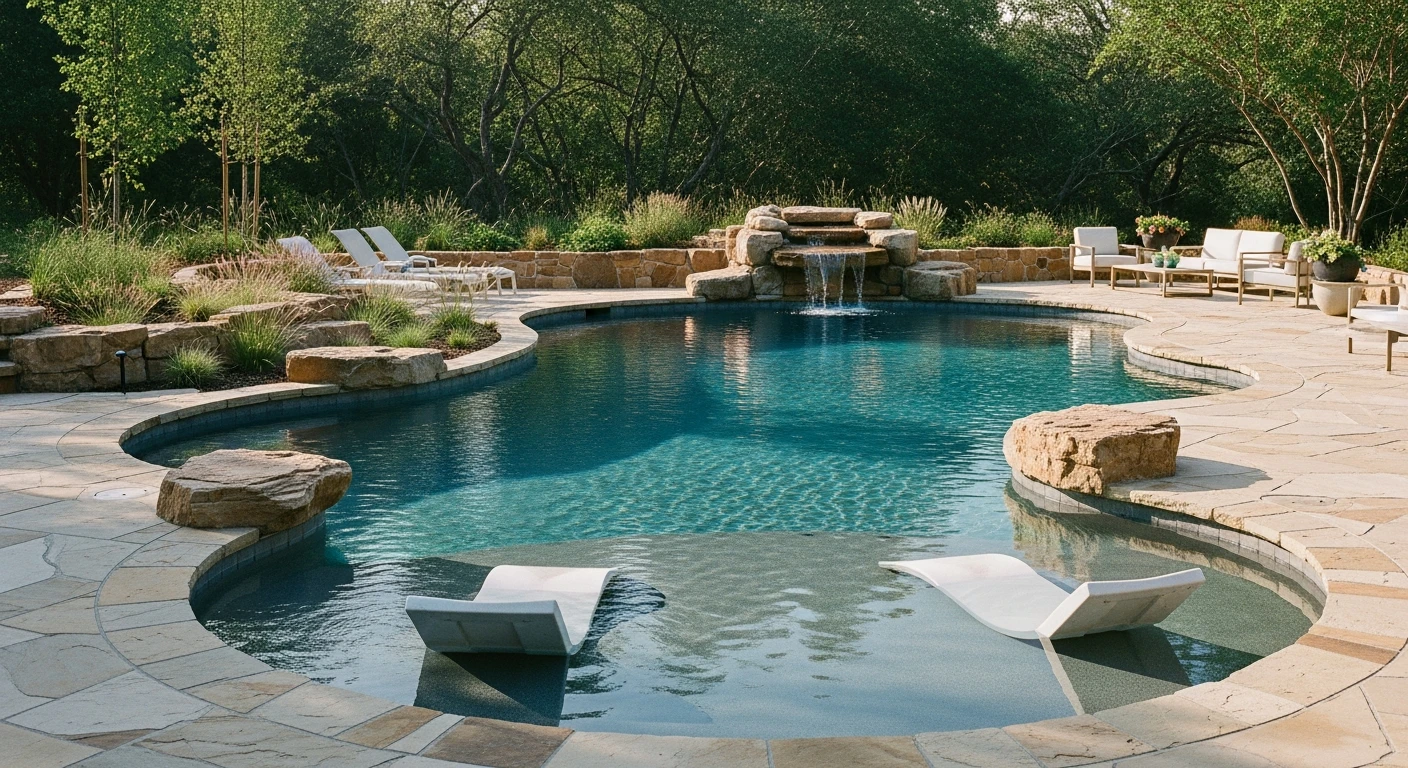
The biggest mistake I see, even in luxury projects, is the underestimation of Friction Loss. A builder will install a powerful, expensive pump, but pair it with standard 1.5-inch pipes full of sharp 90-degree turns. It’s like putting a V8 engine in a car with bicycle tires. All that power is wasted fighting against itself. I once consulted on a large freeform pool project where the owner was battling persistent algae in two specific coves. The design was stunning, but the plumbing was an afterthought, creating "dead spots" with virtually no circulation. They were treating the symptom (algae) with chemicals instead of fixing the root cause (flawed hydraulics).
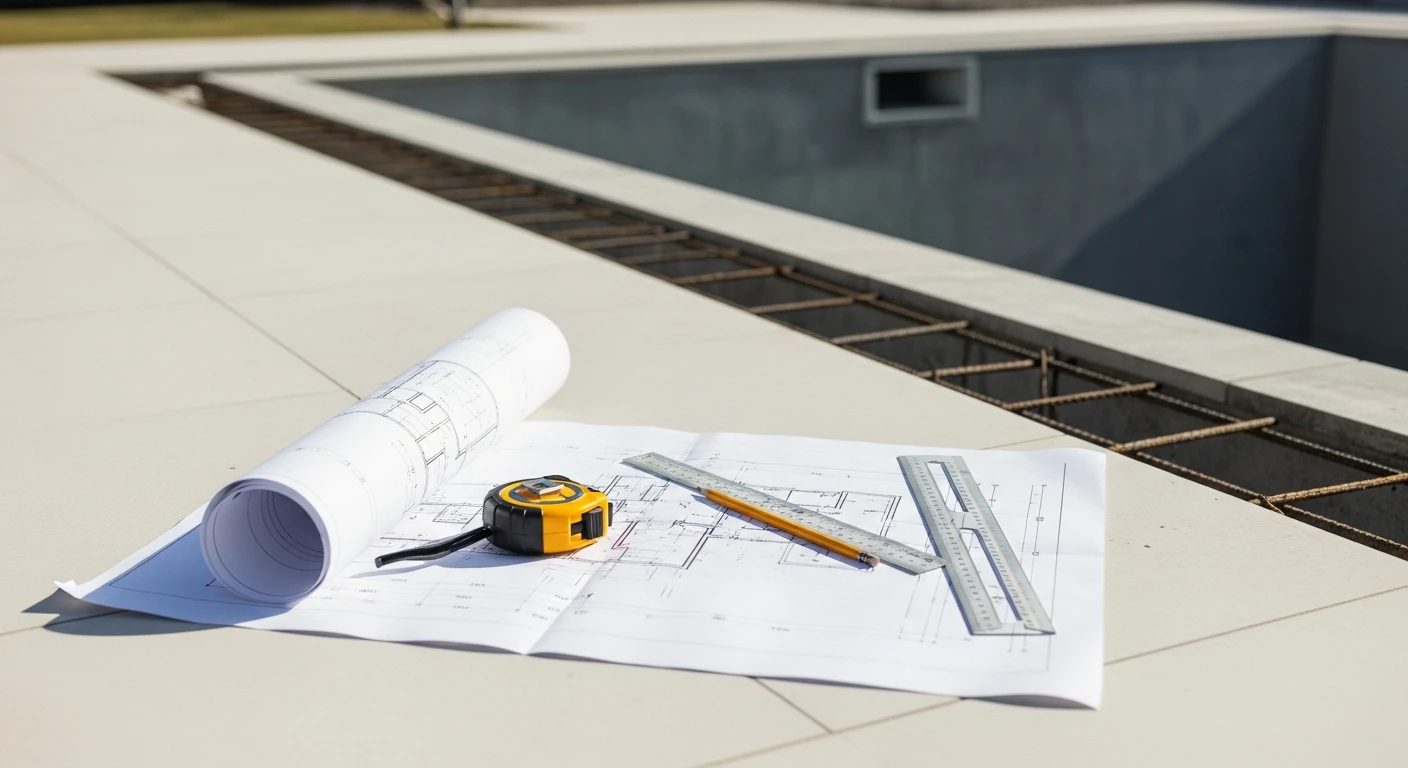
My protocol starts with a simple, unchangeable rule: the efficiency of the water's journey from the pump, through the filter, to the pool, and back again dictates every subsequent design choice. We map the entire plumbing system first, using the largest feasible pipe diameters and the most gradual, sweeping turns possible. Only after this "circulatory system" is perfected do we build the beautiful pool shape around it. This ensures every gallon of water is in constant, efficient motion.
The Technical Core of Efficient Circulation
The heart of my system lies in three components that must work in perfect harmony: pipe diameter, pump performance, and return placement. Standard practice is often a "one-size-fits-all" approach, which is a recipe for long-term problems. My focus is on creating a low-pressure, high-flow system.
Here's the technical breakdown:
- Pipe Diameter and Flow Velocity: I mandate a minimum of 2.0-inch plumbing, and preferably 2.5-inch, on all my projects. Moving from a 1.5-inch pipe to a 2.5-inch pipe can reduce friction loss by over 70% for the same flow rate. This allows us to run the pump at a much lower speed, which is where the real energy savings are found.
- Variable Speed Pumps (VSPs) Synergy: A VSP is only as good as the plumbing it's connected to. In a high-friction system, a VSP has to run at high RPMs just to achieve basic circulation, negating its efficiency benefits. In my low-friction systems, we can run the VSP at a very low RPM (often under 1,500 RPM) for longer periods, achieving superior water turnover for a fraction of the energy cost. The Total Dynamic Head (TDH) of the system becomes drastically lower.
- Strategic Return Jet Placement: I don't place return jets for symmetrical looks. I position them to create a deliberate, large-scale vortex in the pool. This circular flow systematically drives all surface debris—leaves, pollen, bugs—directly toward the skimmer. This single design choice can eliminate the need for 90% of manual surface skimming.
- Step 1: Mandate Oversized Plumbing and Sweeping Elbows. Specify 2.0-inch or 2.5-inch Schedule 40 PVC for all suction and return lines. All turns must be made with sweep elbows instead of hard 90-degree fittings. This is a small material cost difference with a massive performance impact.
- Step 2: Calculate the Target Flow Rate First. Before selecting a pump, determine the flow rate needed to turn over the entire pool volume twice per day. This number, not the horsepower, should dictate the pump and filter selection.
- Step 3: Oversize Your Filter. I always specify a filter with a capacity rating at least 1.5 times the system's maximum flow rate. A larger filter captures more debris, operates at a lower internal pressure, and drastically reduces the frequency of backwashing or cartridge cleaning from monthly to perhaps twice per season.
- Step 4: Plot and Verify the Circulation Path. Your design plans must include a diagram showing the intended circular flow of water. The skimmer should be positioned downstream of the prevailing wind direction, and the return jets should be located on the opposite side to push debris toward it.
Tags
pools for small backyards
small pool for small backyard
backyard pool designs
backyard pool ideas
Backyard Pool Designs FAQ
What are the benefits of having a backyard pool?
Having a backyard pool can provide numerous benefits, including relaxation and stress relief, improved physical health through exercise or swimming, increased property value, and enhanced social opportunities for entertaining guests.
What are the different types of pool designs available?
There are several types of pool designs to choose from, including infinity pools, lap pools, plunge pools, hot tubs, and traditional in-ground or above-ground pools. Each design has its own unique features and benefits.
How do I choose the right pool size and shape for my backyard?
To choose the right pool size and shape, consider the space available in your backyard, the number of people who will use the pool, and your personal preferences. Our experts can help you determine the optimal pool size and shape for your specific needs.
What are the costs associated with installing a backyard pool?
The costs associated with installing a backyard pool can vary widely, depending on the size and complexity of the pool, the materials used, and the location. On average, the cost of a pool installation can range from $30,000 to over $100,000.
What are the maintenance requirements for a backyard pool?
Regular maintenance is essential for keeping your backyard pool clean and safe. This includes regular cleaning, testing and balancing of chemicals, and performing routine inspections and repairs.
Can I add features such as a hot tub or water slide to my backyard pool?
Yes, many backyard pools can be customized with additional features such as hot tubs, water slides, or swim-up bars. Our experts can help you design a pool that meets your specific needs and preferences.
How do I ensure the safety of my backyard pool?
Pool safety is a top priority. We recommend installing fencing, gates, and alarms to prevent accidental drowning, and teaching children and adults how to swim and use the pool safely.
Can I install a backyard pool in my existing yard?
In many cases, it is possible to install a backyard pool in an existing yard, even if there are obstacles such as trees or slopes. Our experts can assess your yard and determine the best way to install a pool that meets your needs.
How long does it take to install a backyard pool?
The time it takes to install a backyard pool can vary depending on the complexity of the project and the size of the pool. On average, it can take several weeks to several months to complete the installation.
Do you offer pool design and installation services?
Yes, we offer comprehensive pool design and installation services, from concept to completion. Our team of experts will work with you to design a pool that meets your needs and budget, and will handle all aspects of the installation process.