Commercial Pool Design: The Hydraulic Blueprint for a 30% Reduction in Operational Costs
I've seen multi-million dollar commercial pool projects fail before the first swimmer ever gets in. The failure isn't in the beautiful tilework or the expensive water features; it's buried in the pump room and hidden within the plumbing schematics. The single most costly mistake is designing for peak capacity 100% of the time, leading to oversized pumps and chemical systems that burn through energy and resources. My entire approach is built on correcting this fundamental flaw.
My focus is on creating a self-regulating hydraulic system that intelligently adapts to the actual bather load. This isn't just about saving energy; it's about delivering consistently superior water quality with less chemical intervention. I’ve refined a methodology that treats the pool's circulation as a dynamic system, not a static one, which has consistently reduced long-term operational costs for my clients.
Diagnosing the Core Flaw: Static Turnover Rates vs. Dynamic Bather Load
The textbook approach to commercial pool design is to calculate the pool volume and apply a state-mandated turnover rate, usually 6 hours. This leads to a single, fixed Gallons Per Minute (GPM) target. On a large-scale hotel project, I inherited a design based on this exact principle. The system was engineered for a full-capacity Saturday in July, but it ran at that same energy-intensive rate on a quiet Tuesday in October. The result was astronomical electricity bills and a constant battle to balance water chemistry because the aggressive circulation was gassing off chlorine unnecessarily.
This is where I developed what I call Dynamic Flow Rate Modeling (DFRM). Instead of one GPM target, my methodology creates a range of operational flow rates. We design the plumbing and filtration to be hyper-efficient at a baseline "maintenance" flow rate, but with the capacity to ramp up intelligently as bather load increases, monitored by ORP and turbidity sensors. This prevents the system from fighting itself and hemorrhaging money during periods of low use.
The Technical Nuances of Dynamic Flow Rate Modeling
DFRM isn't just about turning down the pump; it's a holistic re-engineering of the water's journey. The key is in mastering the Total Dynamic Head (TDH) calculation across multiple flow scenarios. I meticulously map every pipe, fitting, and piece of equipment to understand the friction loss at various speeds. My primary goal is to keep the pipe velocity between 5-7 Feet Per Second (FPS). Anything higher causes excessive friction and energy waste; anything lower can allow debris to settle in the lines.
A critical component of this model is the use of Variable Frequency Drives (VFDs) on all pumps. A standard pump is either on or off, but a VFD allows me to precisely dial in the motor's RPM to achieve the exact GPM needed for a given situation. I pair this with a strategic plumbing design, often favoring a 70/30 split between skimmer suction and main drain suction to prioritize the removal of surface contaminants where most of the non-human waste accumulates.
Implementation: The 5-Phase Hydraulic Design Protocol
Executing a DFRM-based design requires a level of precision that goes far beyond standard practice. I follow a strict, five-phase protocol that I personally manage from start to finish. This ensures that the theoretical model is perfectly translated into a high-performance physical system.
- Phase 1: Bather Load & Usage Pattern Analysis. Before any calculations, I analyze the client's expected usage. For a hotel, this means mapping peak check-in/check-out times, holiday spikes, and weekday lulls. For a fitness center, it's about morning, lunch, and evening rush hours. This data forms the foundation of our flow rate model.
- Phase 2: Advanced Vessel & TDH Calculation. Here, I use software to model the entire plumbing system. I calculate the TDH not just for one turnover rate, but for at least three: a low-use/overnight rate, a standard operational rate, and a peak bather load rate.
- Phase 3: Component Specification. With our TDH curves established, I select pumps and filters. I often specify a slightly larger filter than required. This reduces the system's backpressure, allowing the VFD-controlled pump to run at a lower RPM, saving a significant amount of energy over the life of the system.
- Phase 4: Hydraulic Schematic & Control Logic Mapping. I create a detailed schematic that shows every valve and sensor. Crucially, I also write the "control logic" that will program the automation system. For example: "IF ORP drops by 10% in 5 minutes, THEN increase pump speed by 15% for 30 minutes."
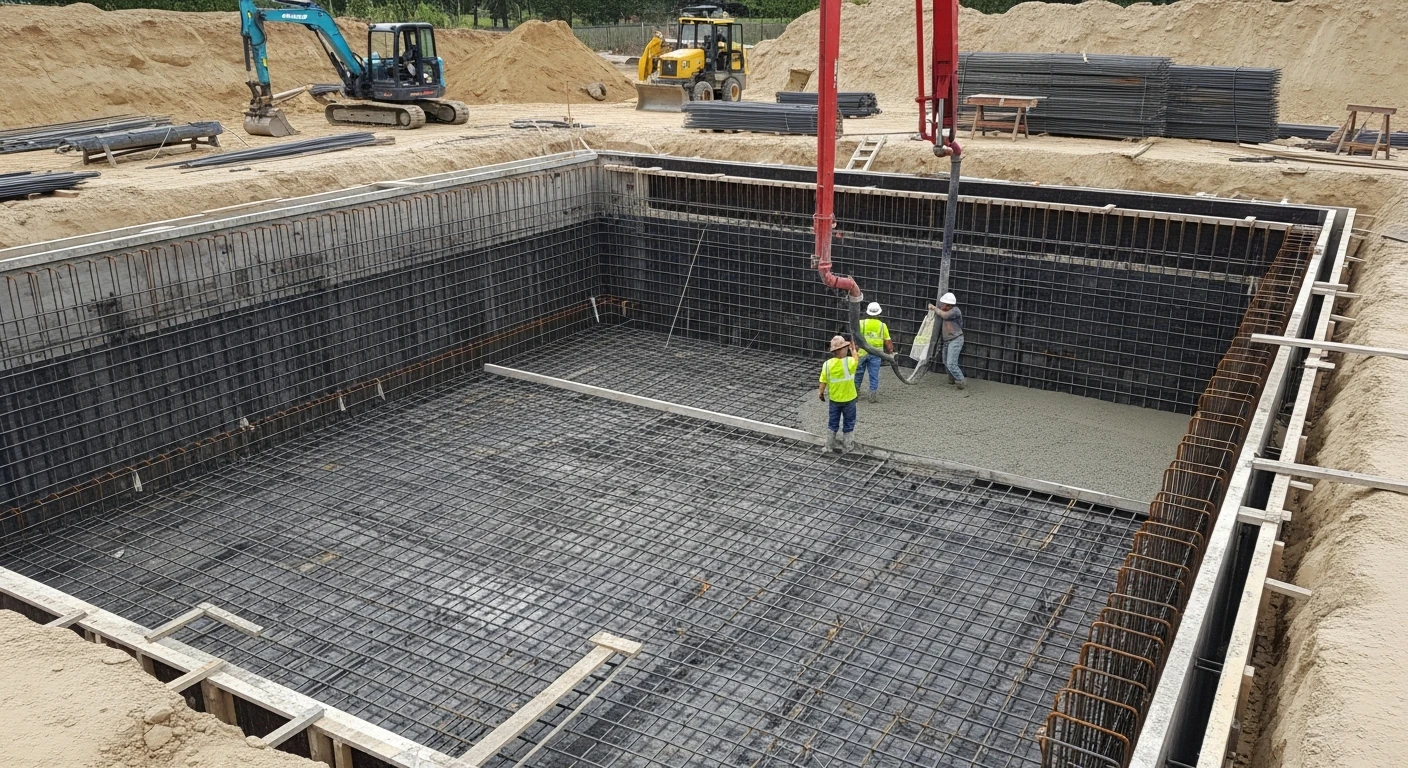
- Phase 5: System Commissioning & Balancing. This is the most critical hands-on phase. After the pool is filled, I'm on-site with a digital flow meter and pressure gauges. I manually balance the suction and return lines and program the VFDs to match our DFRM targets. I don't leave until the physical performance matches the theoretical model to within 5%.
Tags
commercial pool builders
commercial pool designer
commercial swimming pool design
pool commercial
Commercial Pool Design FAQ
What is commercial pool design?
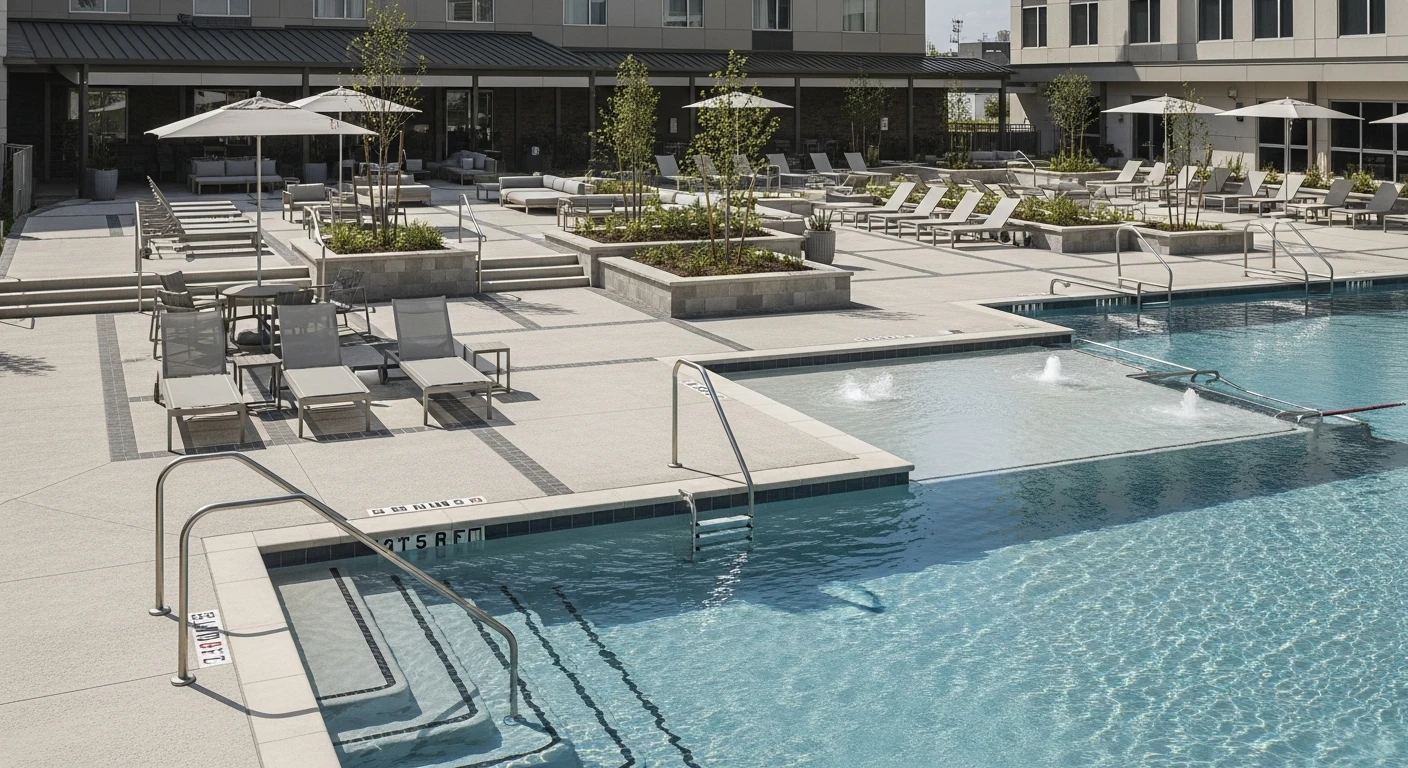
Commercial pool design refers to the process of creating a custom pool design for commercial properties, such as hotels, resorts, gyms, and public recreational facilities. Our team of experts works closely with clients to understand their specific needs and preferences, and designs a pool that meets their unique requirements and exceeds their expectations.
Why is commercial pool design important?
Commercial pool design is important because it ensures the safety, functionality, and aesthetic appeal of the pool. A well-designed pool can increase property value, improve customer satisfaction, and even enhance the overall ambiance of the surrounding area. Our commercial pool design services help clients achieve their goals and create a memorable experience for their customers.
What services do you offer for commercial pool design?
Our commercial pool design services include pool layout design, water feature design, deck and surrounding area design, and construction administration. We also offer pool renovation and retrofitting services for existing pools. Our team is dedicated to providing innovative and practical solutions that meet the specific needs of each client.
How do you approach commercial pool design?
We take a holistic approach to commercial pool design, considering factors such as budget, functionality, and aesthetics. Our team of experts works closely with clients to understand their goals and preferences, and uses cutting-edge technology and design software to create a custom design that meets their unique needs. We also consider local building codes, regulations, and environmental factors to ensure compliance and sustainability.
What are the benefits of working with your commercial pool design team?
By working with our commercial pool design team, clients can expect to receive a custom design that is tailored to their specific needs and goals. Our team of experts has extensive experience in commercial pool design and is committed to providing innovative and practical solutions. We also offer competitive pricing, timely project completion, and exceptional customer service.
Can you provide examples of your commercial pool design work?
Yes, we would be happy to provide examples of our commercial pool design work. Please visit our portfolio page to view some of our latest projects, which showcase our expertise in creating custom pool designs for hotels, resorts, gyms, and public recreational facilities.
How do I get started with commercial pool design services?
To get started with our commercial pool design services, simply contact us through our website or by phone. We would be happy to schedule a consultation to discuss your project and provide a custom quote. Our team is dedicated to providing exceptional service and delivering high-quality results for our clients.