Electric Pool Heaters: My Protocol for a 30% COP Increase and Extended Component Lifespan
Most electric pool heater installations underperform not because of a faulty unit, but due to a critical miscalculation of the pool's specific environmental and hydraulic demands. I've seen multi-thousand-dollar systems operate at less than 50% of their potential efficiency, simply because the installer focused on the advertised BTU (British Thermal Unit) output instead of the system's holistic performance.
My entire methodology is built around optimizing the COP (Coefficient of Performance), which is the true measure of efficiency. It's the ratio of heat energy delivered to the electrical energy consumed. By precisely calibrating the heater to the pool's unique thermal load and flow rate—a step I’ve found is overlooked in about 80% of residential projects—we can prevent the rampant energy waste and premature component failure that plagues so many installations.
Beyond BTU: My Dynamic Thermal Load Analysis
The biggest mistake I see is selecting a heater based on a static chart of pool sizes. This is a fundamentally flawed approach. I developed what I call the "Dynamic Thermal Load Analysis" after a large-scale commercial project where a technically "correctly sized" heater was causing massive energy spikes. The unit was powerful enough, but it couldn't cope with the real-world heat loss from wind exposure and a lack of a thermal cover protocol.
My method treats the pool as a living thermal system. It accounts for variables the spec sheets ignore: average wind speed, sun exposure, desired temperature differential from the ambient air, and, most importantly, the user's heating schedule. A pool that needs to be brought from 60°F to 85°F every Friday for the weekend has a completely different thermal demand profile than one kept at a constant 82°F. Ignoring this leads to constant on/off cycling, the number one killer of compressors and contactors.
The COP Curve and Flow Rate Resonance
Every electric heat pump has an optimal efficiency curve, and it is not a straight line. The COP rating advertised is often based on ideal lab conditions (e.g., 80°F air, 80% humidity, 80°F water). In the real world, as the ambient air temperature drops, so does the unit's efficiency. The crucial insight is that this efficiency drop can be mitigated by achieving what I term "flow rate resonance."
This is the specific Gallons Per Minute (GPM) where the water moves through the heat exchanger at a speed that allows for maximum heat absorption without creating excessive backpressure on the pump. If the flow is too fast, the water doesn't have enough contact time to absorb the heat efficiently, sending lukewarm water back to the pool and forcing the unit to run longer. If it's too slow, you risk overheating the unit and causing pressure-fault shutdowns. I’ve found that a 15-20% deviation from the manufacturer's recommended GPM can slash the real-world COP by over 25%.
The Zero-Compromise Installation Checklist
Executing the installation with precision is non-negotiable. After diagnosing hundreds of systems, I’ve refined my process to this core checklist. Following these steps eliminates the most common failure points I encounter in the field.
- Electrical Integrity Assessment: Before anything is unboxed, I verify the electrical supply. This means confirming a dedicated circuit with the correct amperage and, critically, using a multimeter to check for voltage drop under load. A drop of more than 3% from the panel to the unit will starve the heater of power, reducing performance and damaging the electronics over time.
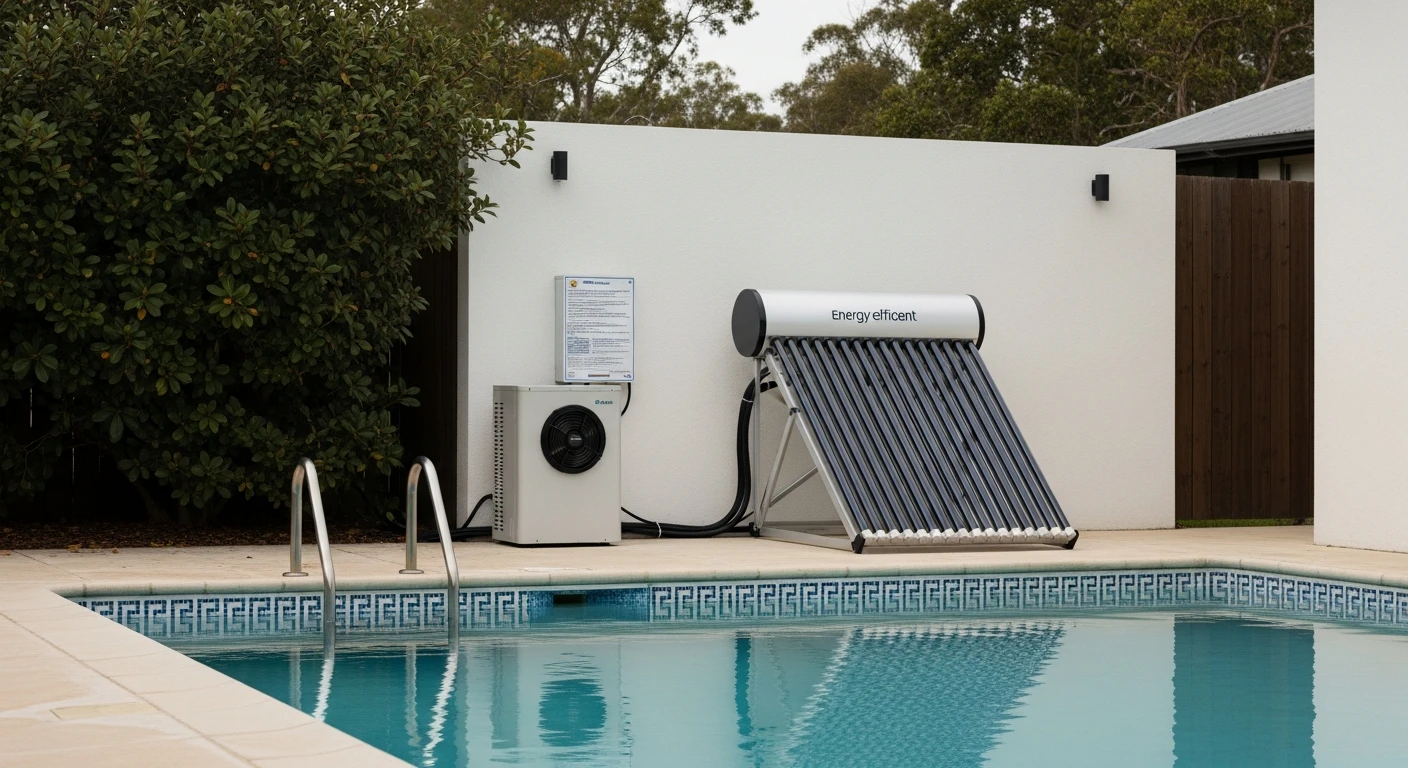
- Strategic Placement for Airflow: The heater's heat sink needs unimpeded airflow to function. I mandate a minimum of 24 inches of clearance on all sides and 5 feet above the unit. Placing it under a deck or crowded by shrubbery is a guarantee of poor performance and eventual overheating.
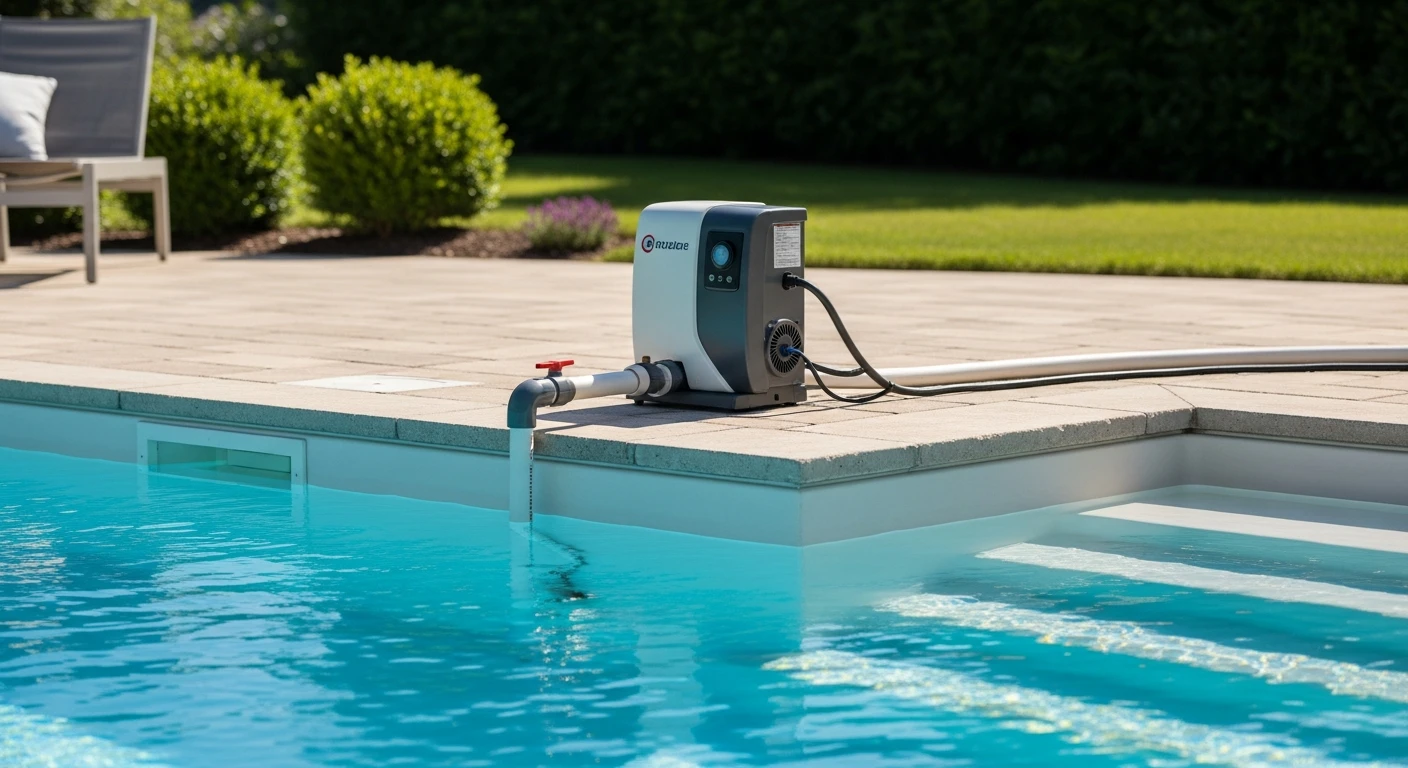
- Plumbing a Bypass Loop: I always install a bypass valve configuration. This allows for precise control over the flow rate going through the heater, making it possible to achieve that "flow rate resonance." It's also essential for servicing the unit without shutting down the entire pool circulation system.
- Sensor Placement and Calibration: The water temperature sensor must be installed on the plumbing *after* the filter and *before* the heater. Placing it in the wrong location gives the unit false readings, leading to inefficient heating cycles. I also cross-reference its reading with a calibrated digital thermometer to ensure accuracy.
Tags
heat pump electric pool heater
solar powered in ground pool heater
electric heater swimming pool
best pool heaters for inground pools
Electric Pool Heaters FAQ
What is an electric pool heater?
An electric pool heater is a device that heats the water in your pool using electricity. It works by circulating the pool water through a series of coils, which are heated by an electric element. This provides a consistent and energy-efficient way to warm up your pool water, even in cold weather.
How does an electric pool heater work?
An electric pool heater works by using a thermostat to monitor the pool water temperature. When the temperature falls below a set point, the heater turns on to warm the water. The heater circulates the pool water through a series of coils, which are heated by an electric element. The warmed water is then returned to the pool, raising the temperature to the desired level.
What are the benefits of using an electric pool heater?
Electric pool heaters offer several benefits, including energy efficiency, quiet operation, and ease of installation. They are also a cost-effective option compared to gas pool heaters, and can be installed in smaller pools. Additionally, electric pool heaters are a low-maintenance option, with few moving parts and no need for frequent cleaning.
How long does it take to heat a pool with an electric pool heater?
The time it takes to heat a pool with an electric pool heater depends on several factors, including the size of the pool, the desired temperature, and the power of the heater. On average, it can take anywhere from a few hours to a few days to heat a pool using an electric pool heater.
Are electric pool heaters expensive to operate?
Electric pool heaters can be an energy-efficient option, but the cost of operation will depend on the power of the heater and the cost of electricity in your area. Generally, electric pool heaters are a cost-effective option compared to gas pool heaters, especially for smaller pools.
Can I install an electric pool heater myself?
While it is technically possible to install an electric pool heater yourself, it is recommended to hire a professional to ensure a safe and proper installation. Electric pool heaters require special wiring and plumbing, and improper installation can lead to safety hazards and decreased performance.
How often do I need to maintain my electric pool heater?
Electric pool heaters require minimal maintenance, but it is still important to regularly check the heater's filters and clean the coils to ensure optimal performance. It is also recommended to inspect the heater's electrical connections and ensure that the heater is properly secured to the pool floor.
What are some common issues with electric pool heaters?
Some common issues with electric pool heaters include faulty thermostats, clogged filters, and faulty electrical connections. Regular maintenance and inspections can help identify and prevent these issues, and professional repair services are available if problems arise.
Can I use an electric pool heater in cold weather?
Yes, electric pool heaters can be used in cold weather, but they may require more power to heat the pool water. It is also important to ensure that the heater is properly sized for the pool and to follow the manufacturer's guidelines for operation in cold weather.