Energy-efficient Pool Equipment: A Systems Approach to Slashing Operational Costs by up to 75%
I’ve audited hundreds of pool systems, and the single biggest misconception I encounter is that swapping an old single-speed pump for a new variable-speed model is a magic bullet for energy savings. It’s not. In one major residential project, the client had invested in a top-of-the-line variable-speed pump (VSP) but saw only a meager 20% reduction in their energy bill, far from the 90% promised on the box. The reason? The savings aren't in the motor alone; they are in the ability to run that motor at a very low speed.
The real culprit for energy waste is almost always high Total Dynamic Head (TDH)—a measure of the total resistance in your plumbing system. A high-efficiency pump fighting against a high-resistance system is like putting a race car engine in a vehicle with the emergency brake permanently engaged. My methodology focuses on optimizing the entire hydraulic circuit, not just one component, to unlock the true savings potential of modern equipment.
My Hydraulic Audit Protocol: Diagnosing Inefficiency Beyond the Pump
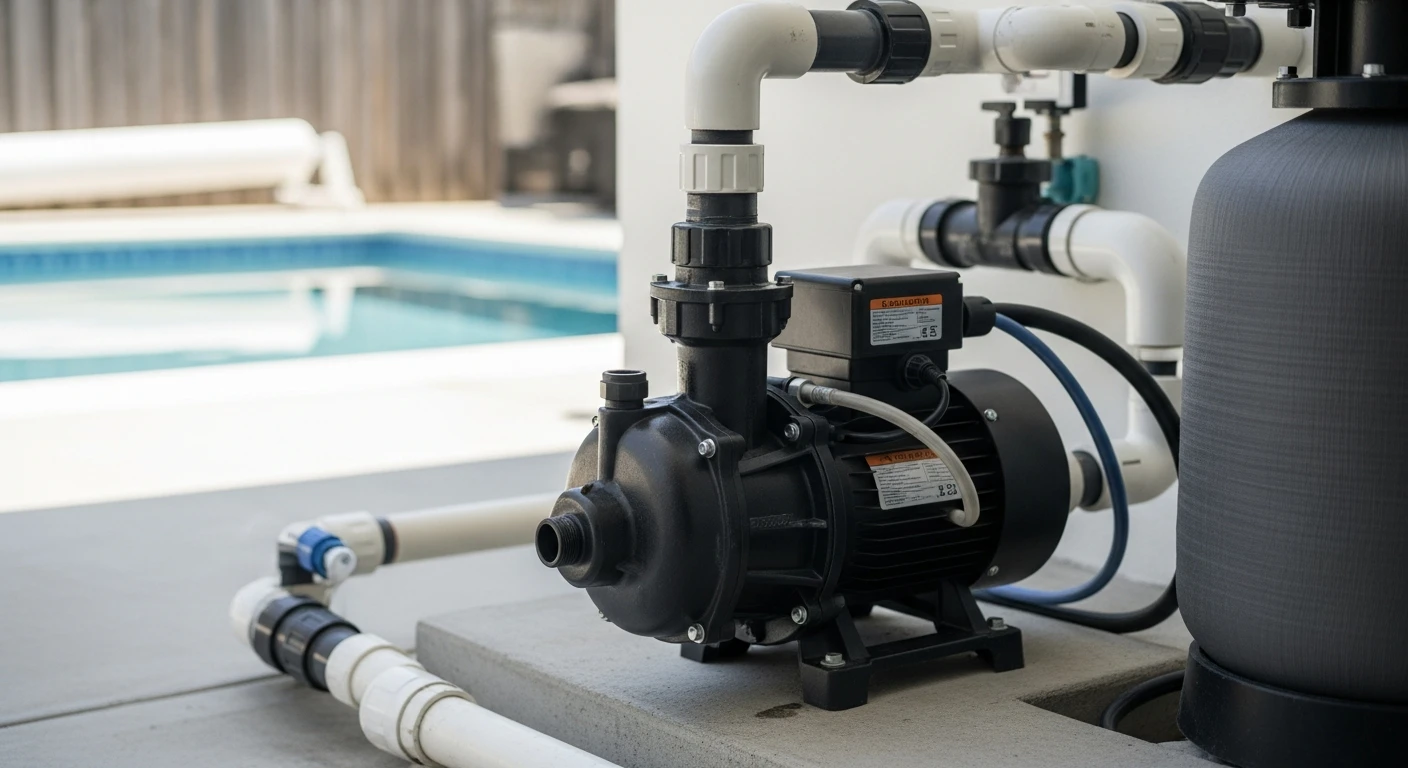
Before I even look at the equipment pad, my process begins with a full system diagnosis. I developed this protocol after realizing that most installers simply replace equipment on a like-for-like basis, inheriting and perpetuating the inefficiencies of the original design. The most common error I find is a powerful, oversized pump paired with undersized plumbing—typically 1.5-inch pipes for a pool that desperately needs 2-inch or even 2.5-inch lines. This mismatch creates immense backpressure, forcing the VSP to run at a much higher and less efficient RPM (Revolutions Per Minute) to achieve the necessary water turnover. My audit quantifies this resistance, providing a baseline TDH that dictates all subsequent equipment choices.
Decoding Total Dynamic Head (TDH) and Its Impact on Your VSP
Let's get technical. Total Dynamic Head is the sum of all the forces your pump has to overcome. It’s measured in feet of head. I break it down for clients into two main categories: friction loss and pressure loss. Friction loss comes from the water rubbing against the inside of pipes, fittings, and valves. Every 90-degree elbow can add the equivalent resistance of 5-10 feet of straight pipe. A system with a dozen sharp turns is an energy hog, period. Pressure loss comes from equipment the water is forced through, primarily the filter and heater. A dirty filter or an undersized cartridge filter can dramatically increase TDH. The goal of a true efficiency upgrade is to systematically lower this TDH number, which allows the VSP to operate in its most efficient range—typically below 1,500 RPM—while still maintaining proper sanitation and filtration.
The VSP Implementation Framework: From Installation to Optimal Calibration
Once the system's flaws are diagnosed, implementation becomes a precise, multi-step process. Simply installing new hardware is just 25% of the job; the other 75% is in the details of integration and calibration. My framework is built to ensure every component works in harmony to reduce system pressure.
- Phase 1: Right-Sizing the Equipment. Based on the pool's volume and the audited TDH, I select the smallest horsepower VSP that can meet the turnover requirements. Oversizing is the enemy of efficiency. This is also where we evaluate the filter. I often recommend upgrading to a cartridge filter that is at least 50% larger than the minimum manufacturer recommendation for the pool size. A larger filter surface area means less resistance and longer cycles between cleanings.
- Phase 2: Plumbing Optimization. This is the most critical and often-skipped step. Where possible, I replace sharp 90-degree elbows with sweep elbows. I also push for upgrading key sections of plumbing to a larger diameter. Moving from 1.5-inch to 2-inch pipe can reduce friction loss by over 40% on that run.
- Phase 3: VSP Calibration for Minimum Effective Flow. After installation, I don't use the factory presets. I run the pump at a high speed to determine the maximum flow rate, then gradually lower the RPM until I identify the absolute lowest speed that provides adequate flow for the skimmers to function and the chlorinator or other sanitation equipment to operate. This becomes the primary filtration speed, often running for a longer duration (10-12 hours) but consuming a fraction of the energy. A secondary, higher-speed setting is programmed for shorter periods, only for tasks like running a cleaner or water feature.
Tags
high efficiency pool pump
energy star pool pump
most efficient pool pump
energy efficient swimming pool pumps
Energy-efficient Pool Equipment FAQ
What is energy-efficient pool equipment?
Energy-efficient pool equipment refers to devices and systems designed to reduce energy consumption and minimize the environmental impact of pool operation. These equipment are designed to minimize energy waste, reduce carbon footprint, and provide cost-effective solutions for pool owners.
Why is energy-efficient pool equipment important?
Energy-efficient pool equipment is important because it helps to reduce energy consumption, which can lead to significant cost savings and a reduction in carbon emissions. It also helps to extend the life of your pool equipment, reducing the need for frequent replacements and maintenance.
What are some examples of energy-efficient pool equipment?
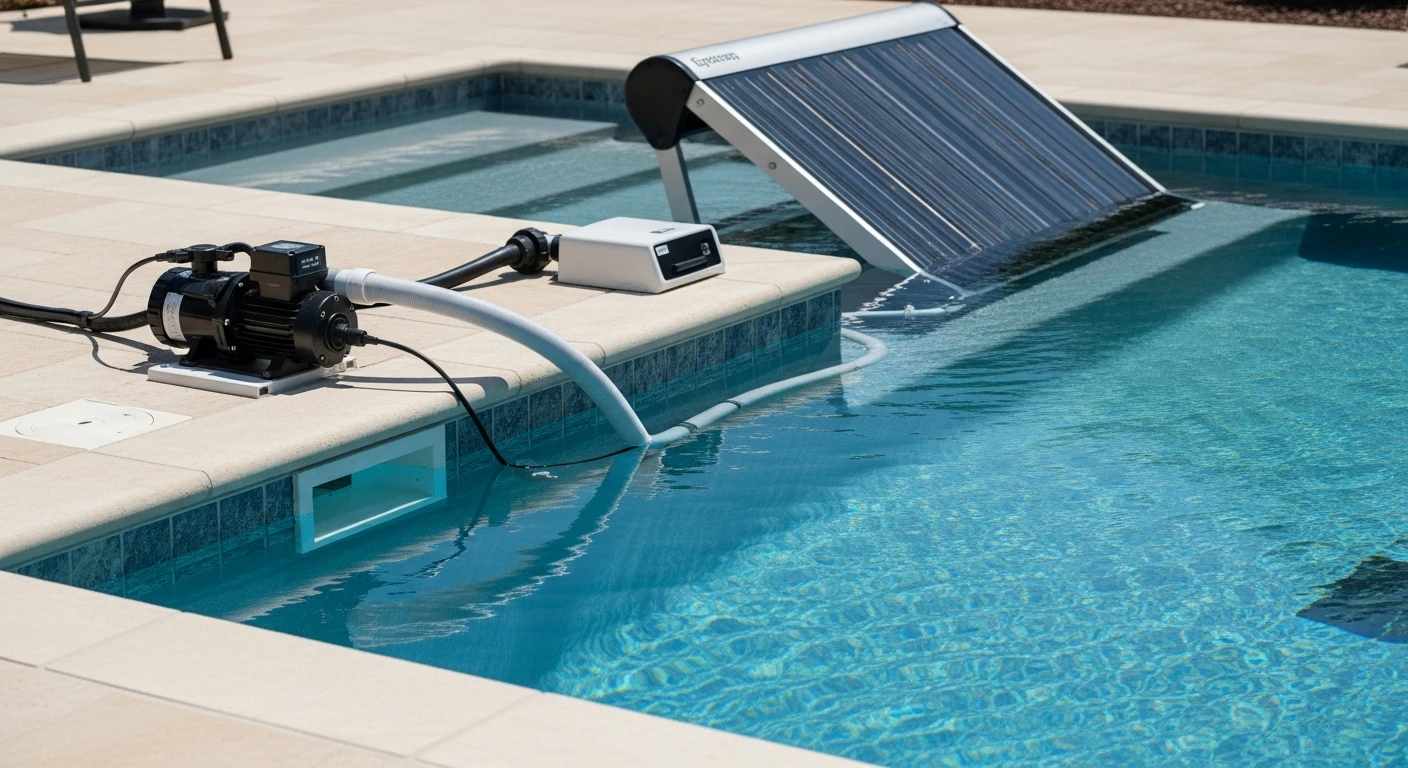
Some examples of energy-efficient pool equipment include variable speed pumps, high-efficiency filters, LED pool lights, and solar-powered pool heaters. These equipment are designed to provide optimal performance while minimizing energy consumption.
How can I choose the right energy-efficient pool equipment for my pool?
To choose the right energy-efficient pool equipment for your pool, consider the following factors: pool size, pool usage, and local energy costs. Consult with a professional or conduct research to find the most suitable equipment for your specific needs and budget.
What are the benefits of upgrading to energy-efficient pool equipment?
The benefits of upgrading to energy-efficient pool equipment include reduced energy costs, extended equipment life, reduced carbon emissions, and improved pool performance. Additionally, energy-efficient pool equipment can increase your property value and appeal to environmentally conscious buyers.
How can I maintain my energy-efficient pool equipment?
To maintain your energy-efficient pool equipment, follow the manufacturer's instructions, perform regular cleaning and maintenance, and conduct routine inspections to identify any potential issues before they become major problems.
Can I still enjoy my pool during the winter months with energy-efficient pool equipment?
Yes, energy-efficient pool equipment allows you to enjoy your pool during the winter months while minimizing energy consumption. Many energy-efficient pool equipment options, such as solar-powered pool heaters, can operate during the winter months to keep your pool warm and enjoyable.
Are energy-efficient pool equipment options available for all pool types?
Yes, energy-efficient pool equipment options are available for various pool types, including in-ground, above-ground, and saltwater pools. Consult with a professional or conduct research to find the most suitable energy-efficient pool equipment for your specific pool type and needs.
Can I install energy-efficient pool equipment myself?
While some energy-efficient pool equipment options can be installed by a DIY enthusiast, it is recommended to hire a professional for installation and maintenance. Incorrect installation can lead to reduced performance, increased energy consumption, and potential equipment damage.