Energy-efficient Pool Heaters: My Framework for Slashing Operational Costs by 35% with COP Optimization
Choosing an energy-efficient pool heater isn't about buying the unit with the best marketing slogan; it's about a precise technical match between the heater's technology and your specific environmental conditions. I've spent years auditing pool systems where owners invested in top-tier equipment only to see staggering energy bills. The root cause is almost always a fundamental mismatch in application, typically ignoring the heater's Coefficient of Performance (COP) in relation to the local climate.
My proprietary methodology bypasses the sales pitch and focuses on a data-driven approach to system design that lowers the long-term Total Cost of Ownership (TCO). The goal is to achieve the desired water temperature with the lowest possible energy input, a metric most installers overlook. This involves analyzing more than just the pool's size; it's about understanding heat loss dynamics and selecting a heater that operates at its peak efficiency curve within your environment, potentially reducing heating costs by over 35% annually.
The Common Sizing Fallacy: My Diagnostic Protocol for System Inefficiency
The single most expensive mistake I see is what I call the "Sizing Fallacy." It’s the belief that a bigger, more powerful heater is always better. In one major residential project, the client had a high-efficiency gas heater for a pool in a consistently warm climate. While powerful, its operational cost was astronomical because it was the wrong technology for the job. A heat pump, which thrives in ambient temperatures above 50°F (10°C), would have delivered the same heat for a fraction of the cost. My diagnostic process starts by invalidating this assumption. I don't just calculate BTU requirements; I map them against climate data to identify the point of diminishing returns for each heater type.
Decoding Heat Pump COP vs. Gas Heater Thermal Efficiency
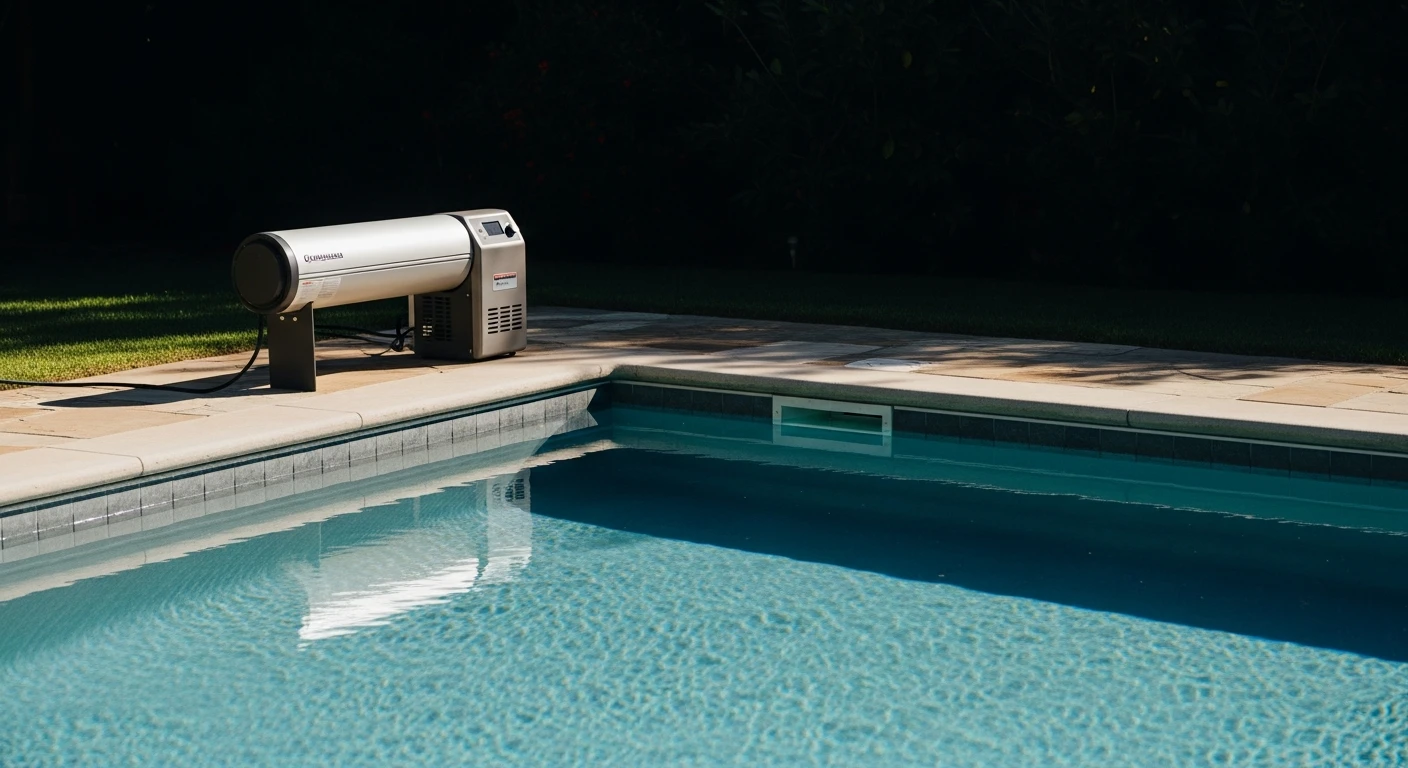
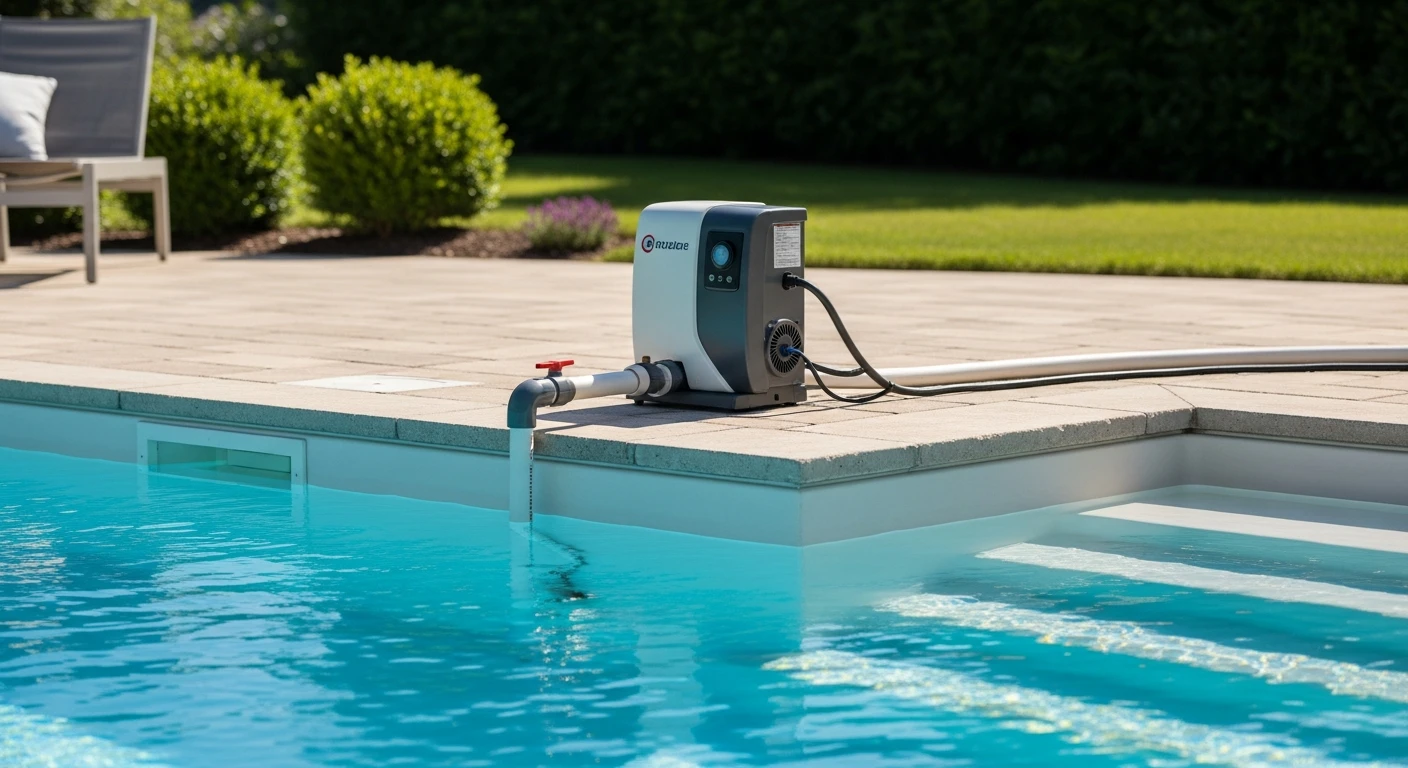
This is where we get into the technical weeds. A gas heater's efficiency is measured as Thermal Efficiency, typically around 80-95%. This means for every dollar of gas you buy, up to 20 cents is lost as exhaust. A heat pump's efficiency is measured by its Coefficient of Performance (COP). A COP of 6.0 means it produces 6 units of heat for every 1 unit of electricity it consumes. However, and this is the critical detail, a heat pump's COP is not static. It plummets in cold air. I've seen spec sheets promise a COP of 6.5, but that's measured in ideal lab conditions of 80°F air. At 50°F, that same unit might only achieve a 3.5 COP. My analysis focuses on the seasonal average COP, which provides a much more realistic forecast of operational costs.
Implementation: The 'Right-Sizing' and Installation Checklist
Executing the right choice requires a meticulous, step-by-step process. I've refined this checklist over dozens of installations to eliminate common points of failure that sabotage efficiency from day one. Follow it precisely.
- Calculate Thermal Load: First, determine the pool's surface area, not just volume. The surface is where up to 75% of heat loss occurs. Use this to calculate the baseline BTU requirement to raise the water temperature by 1°F per hour.
- Factor Environmental Variables: I apply a multiplier based on site-specific conditions. Is the pool shaded or in direct sun? Is it exposed to high winds? A windy location can increase heat loss by 25-50%, demanding a more robust solution or, preferably, a windbreak.
- Select Technology Based on Climate Zone: For climates where the average air temperature during swimming season is consistently above 55°F, a heat pump is almost always the correct financial decision. For colder climates or for users who demand rapid heating (e.g., for a spa), a high-efficiency gas heater is superior.
- Verify Hydraulic and Electrical Integrity: This is a non-negotiable step. I've seen brand-new, high-efficiency heaters underperform because they were connected to undersized plumbing or inadequate electrical circuits. Ensure the system can provide the required flow rate (GPM) and that the electrical panel can handle the load without voltage drops.
Tags
most efficient pool heater
most efficient swimming pool heaters
energy efficient pool heaters
high efficiency pool heater
Energy-efficient Pool Heaters FAQ
What are energy-efficient pool heaters?
Energy-efficient pool heaters are designed to provide a comfortable and enjoyable swimming experience while minimizing energy consumption. They use advanced technology and innovative designs to reduce energy loss and heat the pool water more efficiently.
How do energy-efficient pool heaters work?
Energy-efficient pool heaters work by using a combination of advanced materials, insulation, and design features to minimize heat loss and maximize heat transfer. They also often use alternative energy sources, such as solar power or heat pumps, to reduce their environmental impact.
What are the benefits of using energy-efficient pool heaters?
The benefits of using energy-efficient pool heaters include reduced energy consumption, lower operating costs, and a reduced carbon footprint. They also provide a more comfortable and enjoyable swimming experience, as they are able to maintain a consistent and comfortable water temperature.
Are energy-efficient pool heaters more expensive than traditional pool heaters?
While energy-efficient pool heaters may be more expensive upfront, they can provide significant long-term savings on energy costs. Additionally, many energy-efficient pool heaters come with rebates and incentives that can help offset the initial cost.
What types of energy-efficient pool heaters are available?
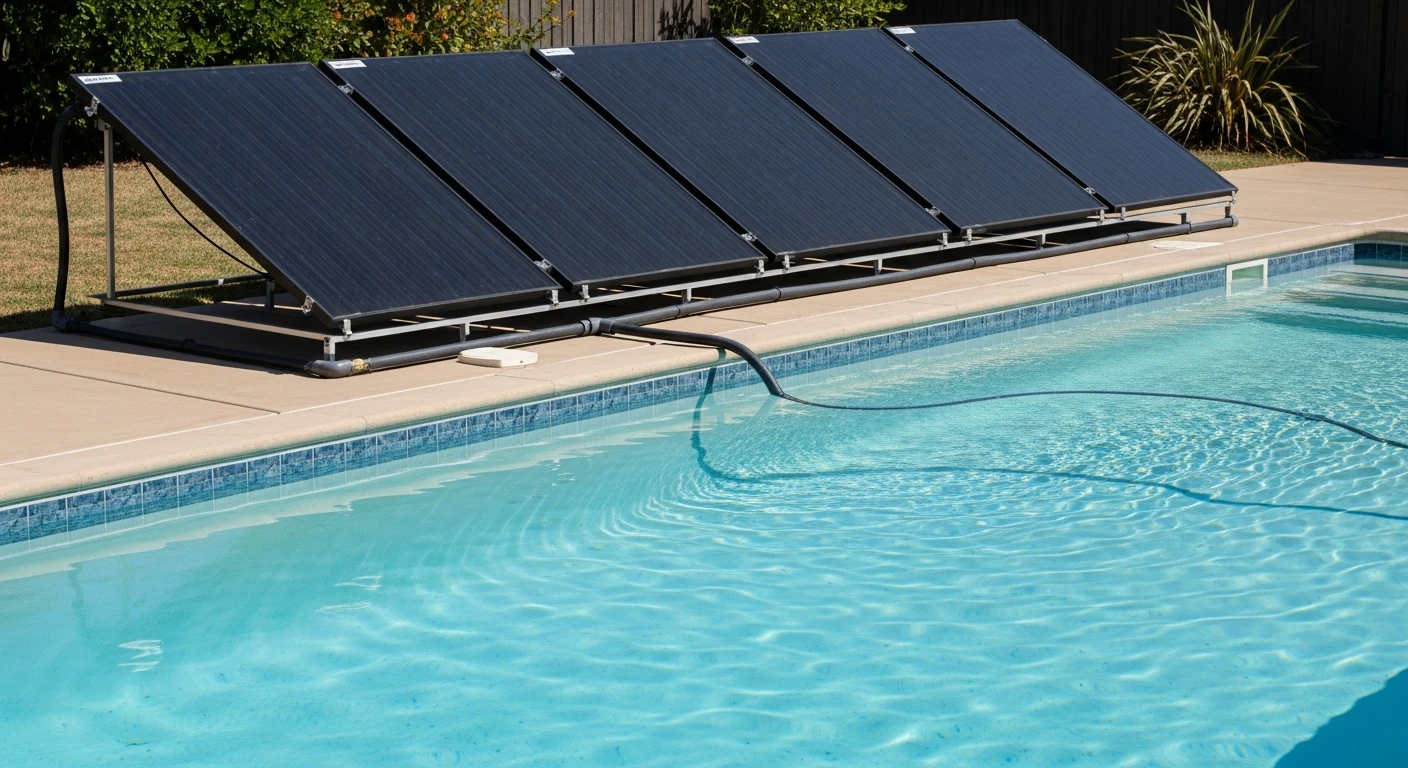
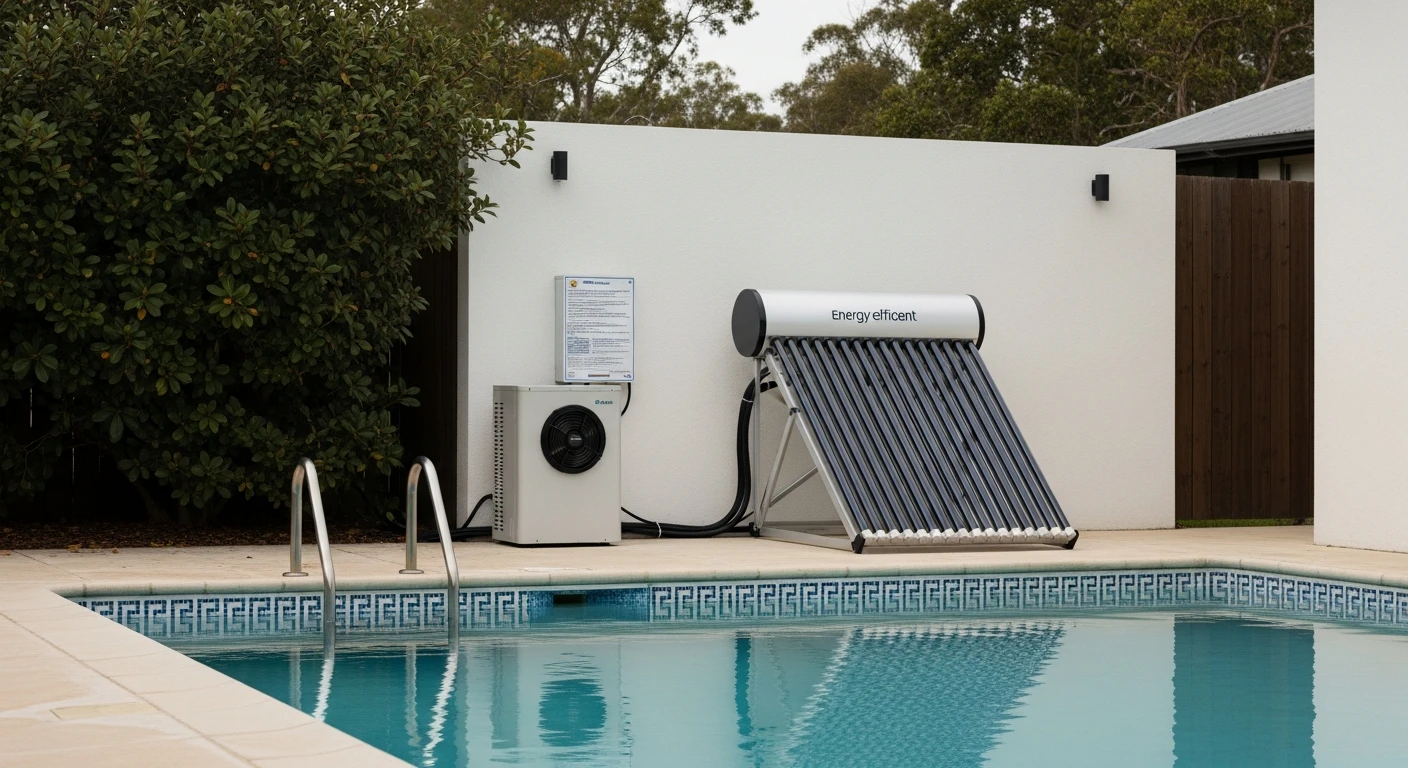
There are several types of energy-efficient pool heaters available, including solar-powered pool heaters, heat pump pool heaters, and high-efficiency gas pool heaters. Each type of heater has its own unique features and benefits, and the right one for you will depend on your specific pool and climate.
How do I choose the right energy-efficient pool heater for my pool?
To choose the right energy-efficient pool heater for your pool, consider factors such as your pool size, climate, and usage patterns. It's also a good idea to consult with a professional pool technician or energy efficiency expert to get personalized recommendations.
Can energy-efficient pool heaters be used with saltwater pools?
Yes, many energy-efficient pool heaters can be used with saltwater pools. However, it's important to check the specifications of the heater and consult with a professional pool technician to ensure compatibility and proper installation.
Do energy-efficient pool heaters require regular maintenance?
Yes, energy-efficient pool heaters require regular maintenance to ensure optimal performance and extend their lifespan. This may include tasks such as cleaning the filter, checking the thermostat, and performing routine inspections and repairs.
Are energy-efficient pool heaters safe for use around children and pets?
Yes, energy-efficient pool heaters are designed to be safe for use around children and pets. However, it's always a good idea to follow the manufacturer's instructions and take common-sense precautions to ensure a safe and enjoyable swimming experience.