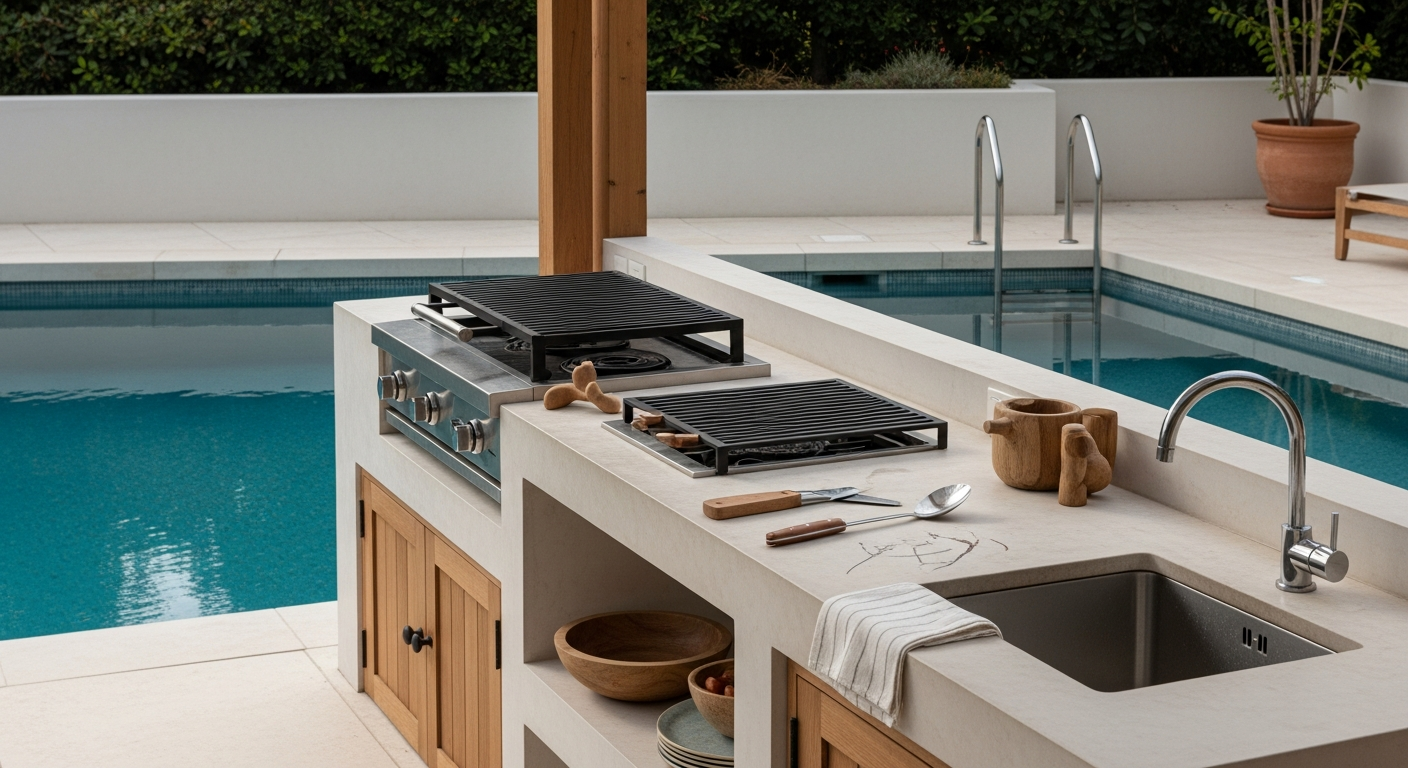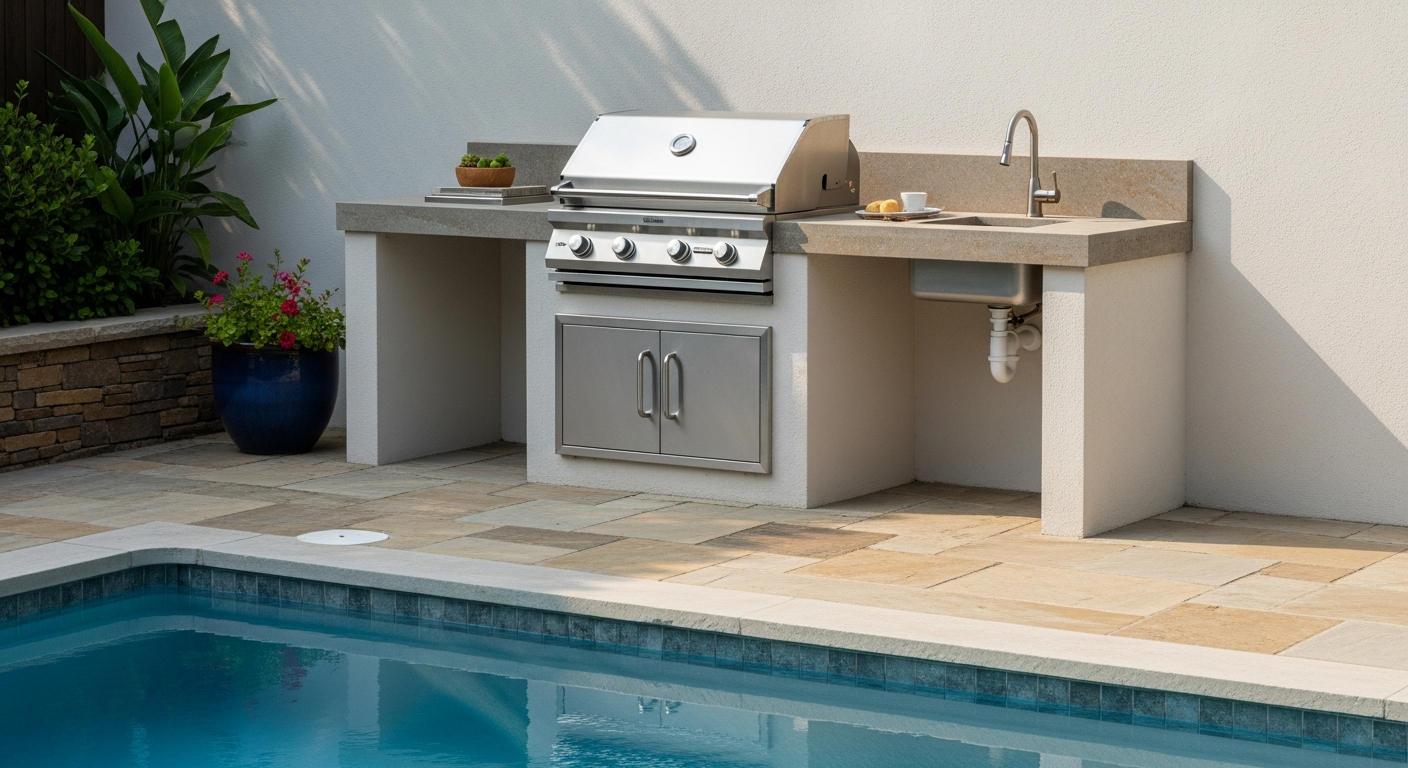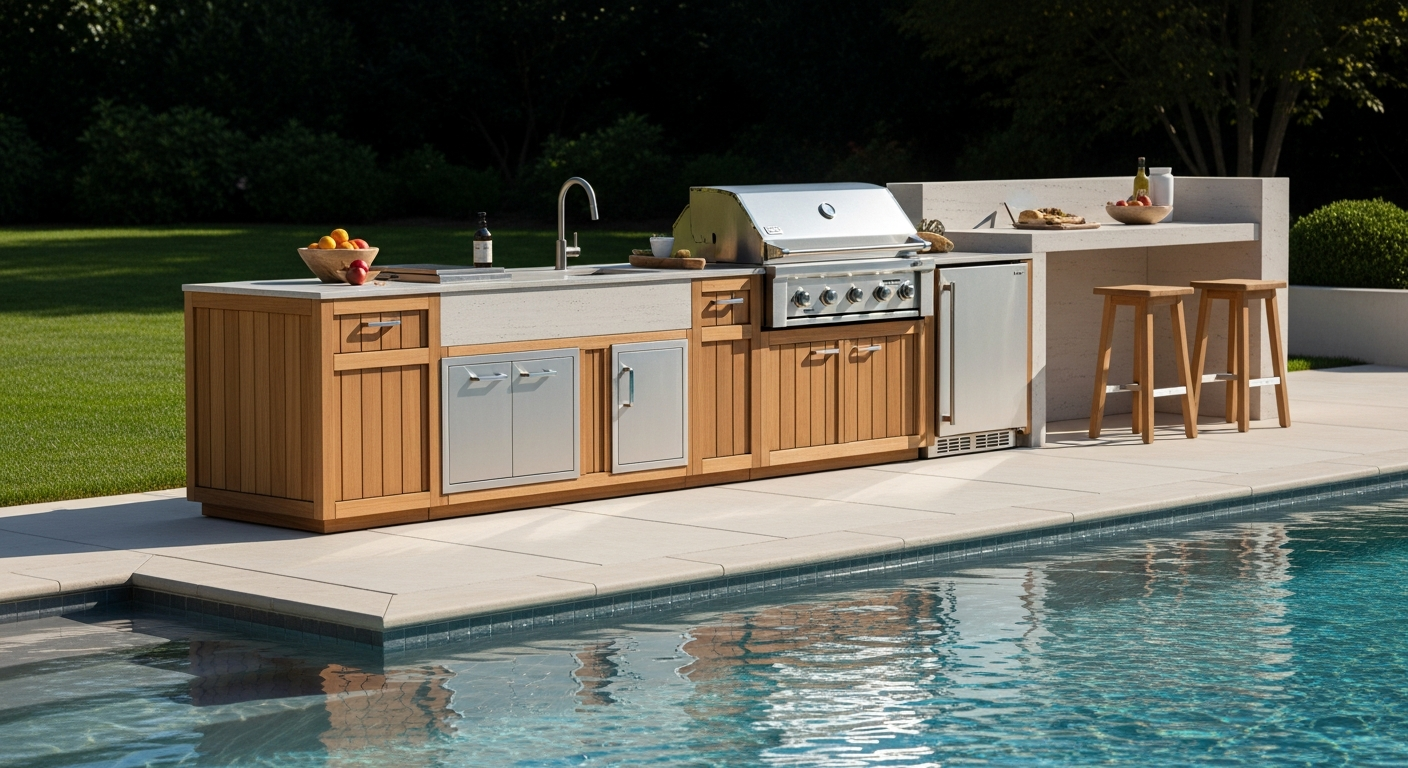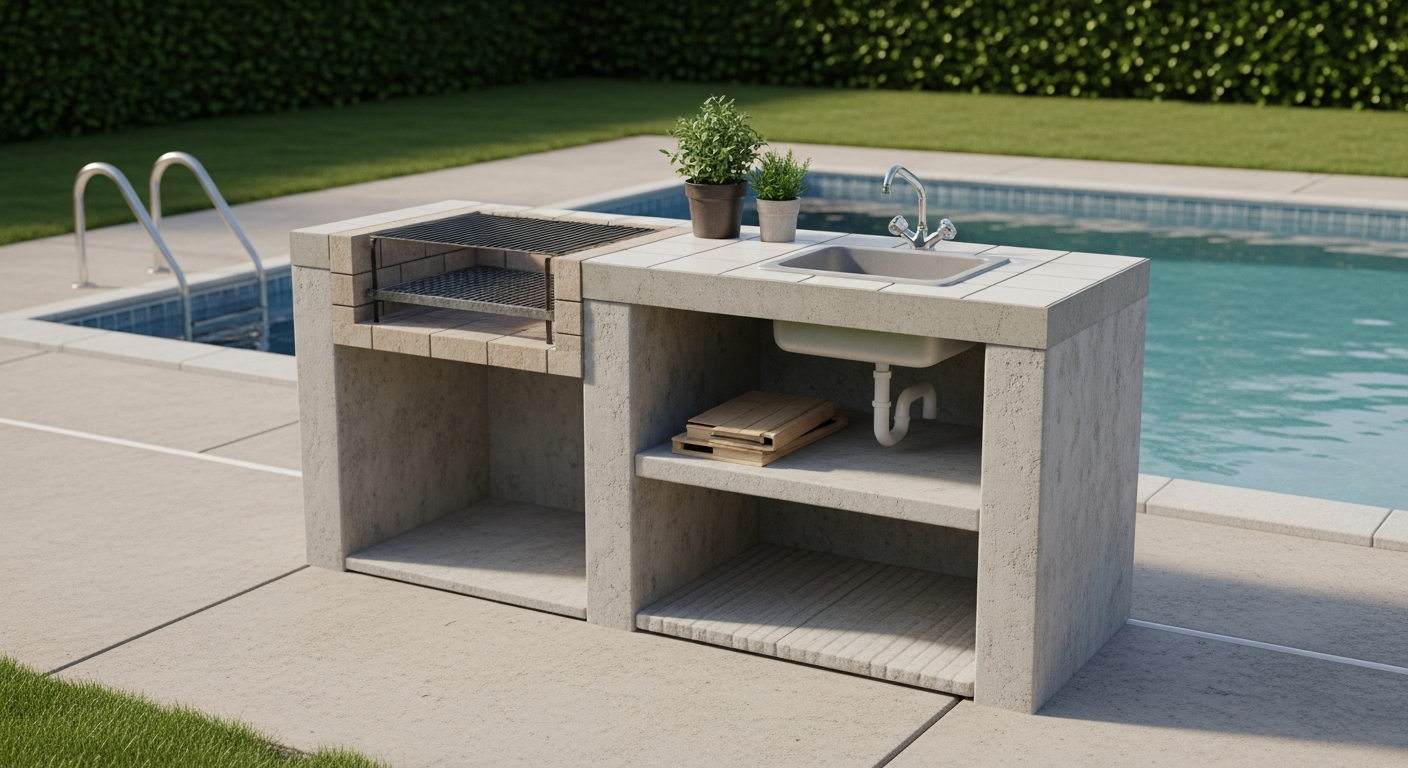
Cheap Outdoor Kitchen in Osceola County: My Material Selection Protocol to Maximize Longevity by 15+ Years
Achieving an affordable outdoor kitchen in Osceola County isn't about cutting corners; it's about making surgically precise material choices that defy our high humidity and intense sun. I’ve seen countless projects near Kissimmee and St. Cloud fail within five years due to rust and warping, turning a "cheap" build into an expensive replacement nightmare. The real secret to a budget-friendly and durable outdoor kitchen here is leveraging your existing structures, specifically a covered lanai, and choosing materials engineered for marine environments, not just residential backyards. My entire approach is built on preventing the primary points of failure: moisture and UV degradation. Forget the flashy, all-in-one kits you see online. For the Osceola climate, a component-based strategy focusing on a non-corrosive frame and cabinetry will deliver a project that looks high-end and withstands our hurricane season without the typical price tag. This isn’t about cheapness; it’s about high-performance value engineering.My Climate-First Material Matrix: Avoiding the Top 3 Budget Killers
After analyzing dozens of premature outdoor kitchen failures, I developed a diagnostic framework I call the Climate-First Material Matrix. It forces a budget to be allocated to structural integrity first, not aesthetics. The most common error I see is homeowners spending 60% of their budget on a high-BTU grill and granite countertops, only to place them on a wood or powder-coated steel frame that degrades rapidly in our damp air. My matrix reverses this, prioritizing the non-visible components that guarantee a 15+ year lifespan.Frame & Cabinetry: The Marine-Grade Polymer vs. Stainless Steel Fallacy
The core of any outdoor kitchen is its skeleton. While many contractors push welded steel, I’ve found it’s a point of failure unless it’s exclusively 304-grade and the welds are impeccably passivated—a costly process. For Osceola County's unrelenting humidity, my go-to recommendation is a structural frame built from aluminum tubing, which offers a superior strength-to-weight ratio and is immune to rust. For cabinetry, the clear winner for value and durability is marine-grade polymer (HDPE). Unlike stainless steel doors that show every fingerprint, get incredibly hot in the sun, and can still suffer from surface corrosion, HDPE is color-stable, completely waterproof, and requires zero maintenance. I once salvaged a project in Celebration by replacing warped, moisture-damaged "outdoor rated" wood cabinets with HDPE, saving the client from a full teardown.Executing the High-Value Build: A Phased Component Breakdown
Implementing a budget-conscious outdoor kitchen requires a specific sequence of operations. This isn't just assembly; it's a planned integration of systems to minimize labor costs and material waste. My methodology ensures that each stage is optimized for our local conditions.- Foundation First: Before any framing, assess your lanai's concrete slab. In most Osceola homes, it's sufficient. The key is ensuring it's properly sloped for drainage. A simple water test will confirm this. Do not build on pavers without a proper concrete footing base; they will settle and compromise the structure.
- Frame Assembly & Anchoring: Construct the aluminum frame directly on-site. The critical action here is anchoring it to the concrete slab using stainless steel fasteners. This provides the structural rigidity needed to withstand high winds during hurricane season.
- Utility Runs: Plan your gas and electrical lines meticulously. Proper ventilation clearance for the grill is non-negotiable and a common point of failure I see in DIY projects. Ensure at least a 6-inch gap from any combustible materials, including the wall of your home.
- Cladding and Cabinetry Install: Mount your cement board cladding to the frame. Then, install the HDPE cabinet boxes and doors. This material is forgiving and easy to work with, which can reduce professional installation time by up to 20%.
Countertop & Appliance Integration: Precision Cuts for a Slab-Look Finish
This is where you get the high-end aesthetic on a budget. Instead of a single, expensive slab of granite or quartz, I specify large-format exterior-grade porcelain tile (24x48 inches). When installed with minimal, color-matched grout lines by a skilled tiler, it creates the monolithic look of a solid slab for about 30% of the cost. The final step is integrating the appliances. My rule is to invest in a solid, mid-range grill made from 304-grade stainless steel and a simple side burner. Avoid the temptation of oversized, multi-feature grills; the bulk of your cooking will be done on the main grates, and a quality core unit will outlast a feature-heavy but poorly constructed alternative. Given the intense UV exposure on your specific property, is a budget stainless steel cabinet from a big-box store truly a long-term solution, or are you just pre-paying for a rust remediation project in three years?Written by

Tags
stainless steel outdoor kitchen units
prefab outdoor kitchen island
high end outdoor grills built in
u shaped outdoor kitchen
outdoor kitchen u shape