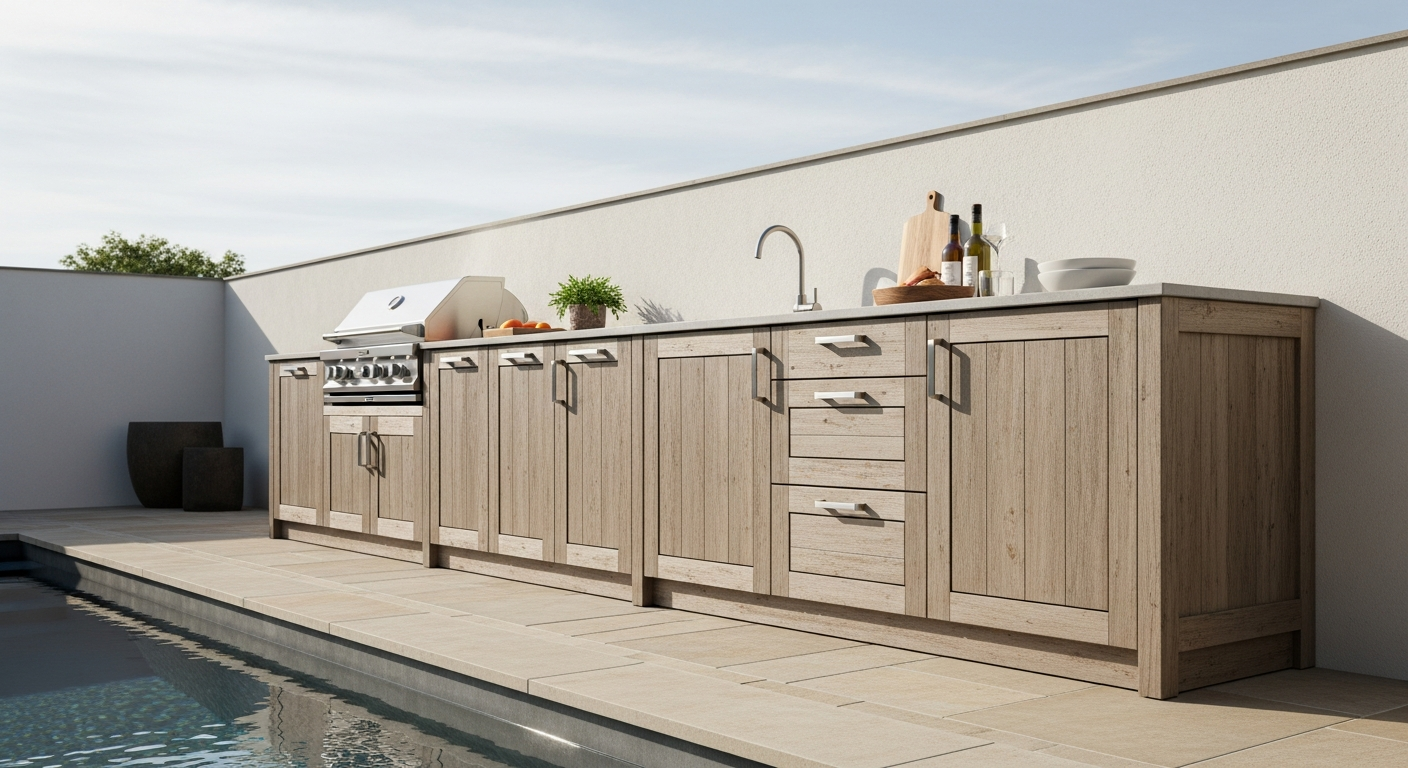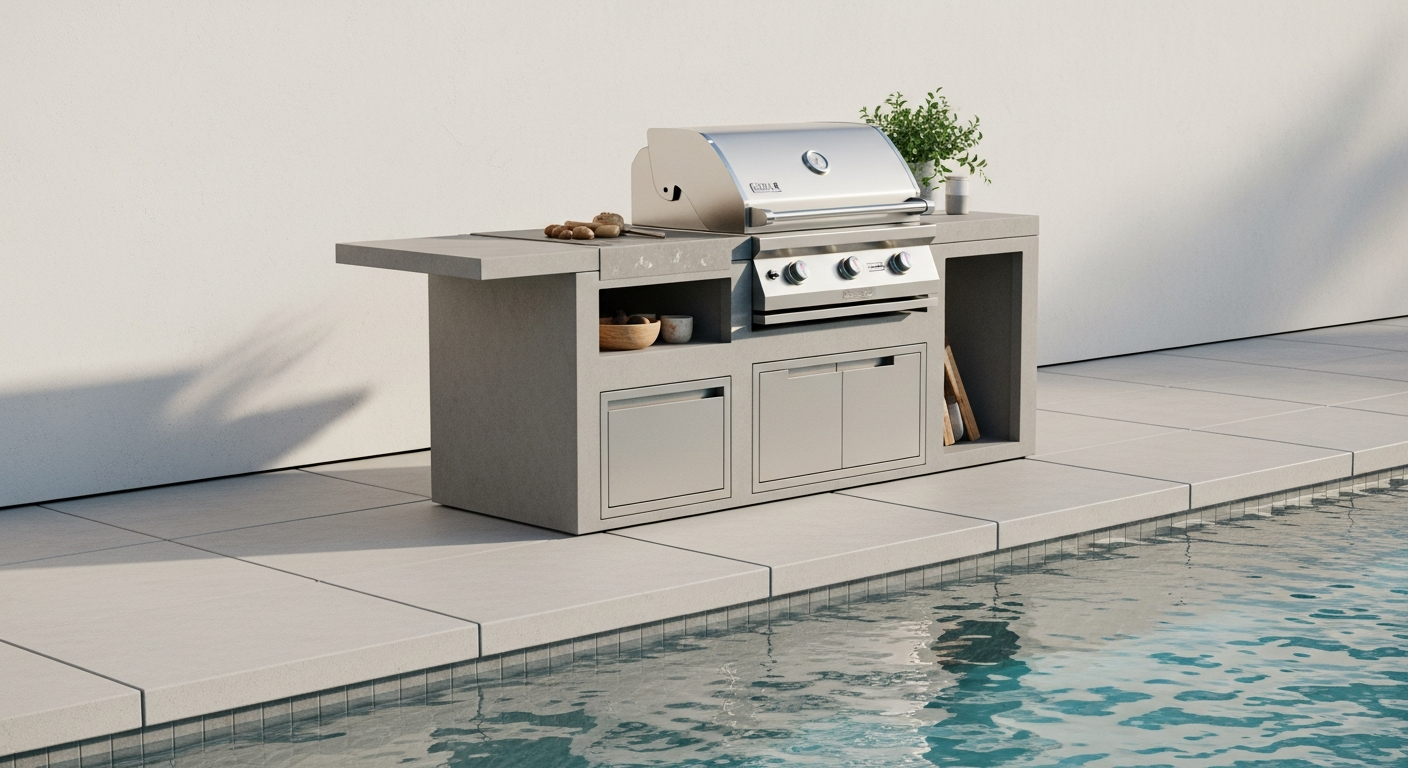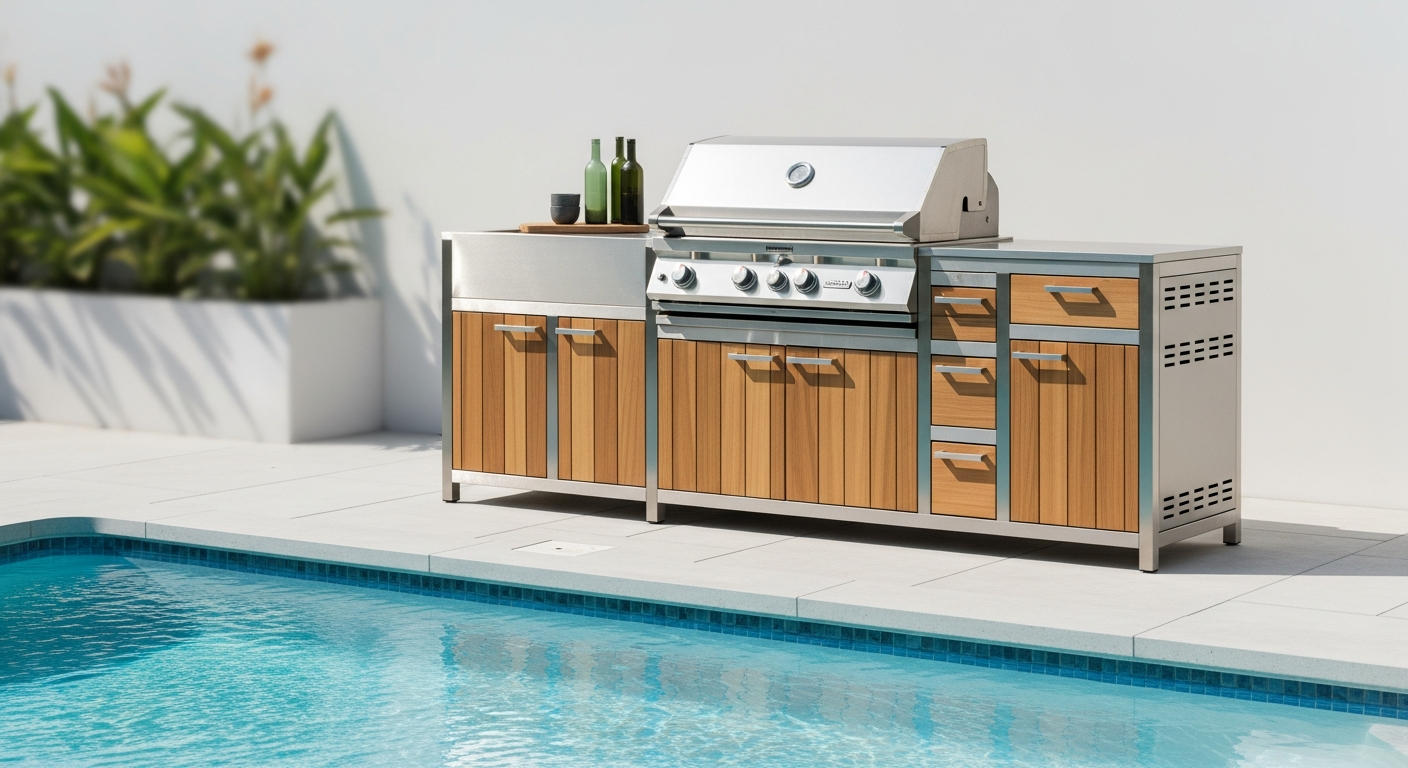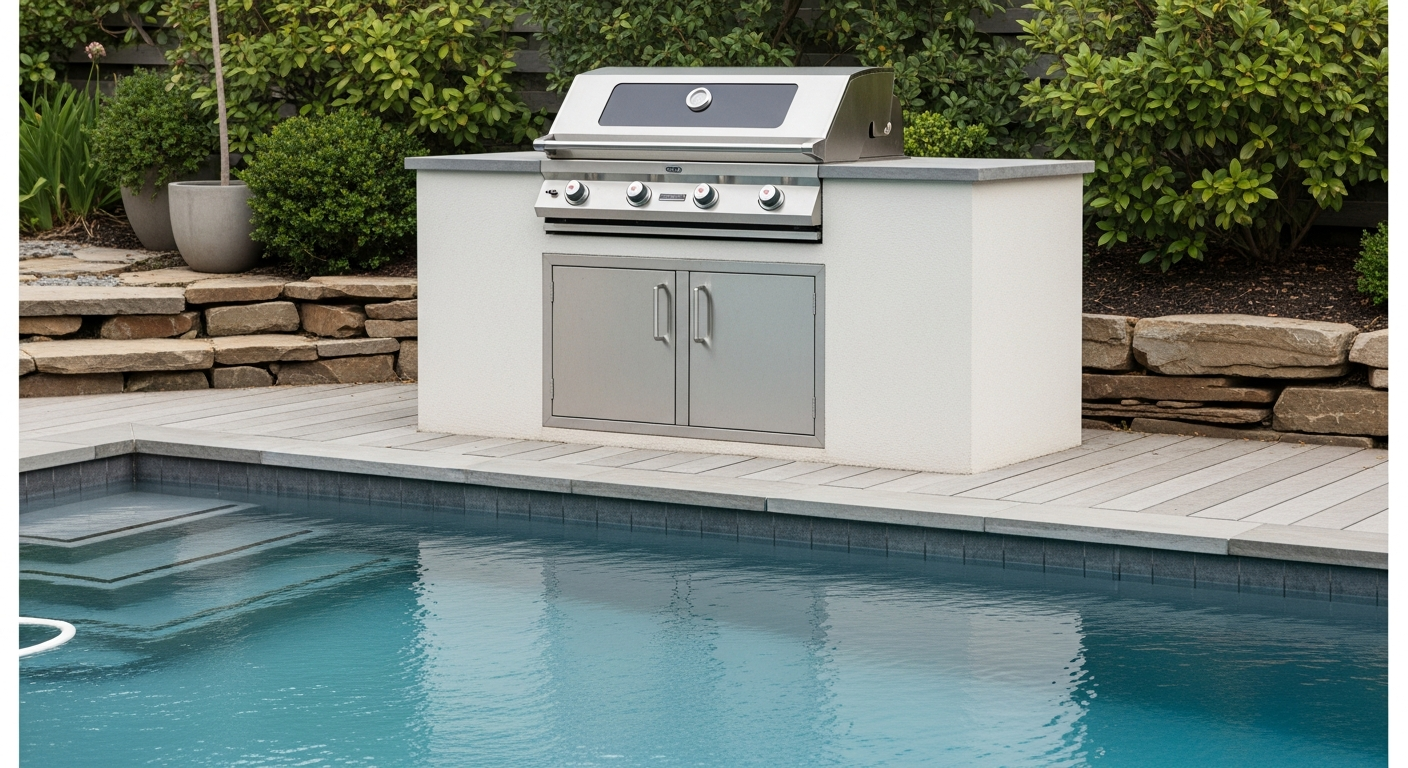
Outdoor Barbecue Cabinets in Osceola County: My Framework for Preventing 95% of Weather-Related Damage
I've personally inspected outdoor kitchens in communities from Celebration to St. Cloud that failed in under five years. The critical error I consistently find is a design that prioritizes initial aesthetics over material science—a fatal flaw in Osceola County's relentless humidity and intense UV exposure. My entire approach is built on a specific material validation protocol, rejecting standard "weather-resistant" options in favor of marine-grade components and non-porous surfaces. This ensures your investment withstands our subtropical climate without the warping, rust, and delamination I see all too often.Diagnosing Cabinet Failure: My Osceola Climate Resilience Protocol
After deconstructing dozens of failed projects, I developed the Osceola Climate Resilience Protocol. It's a non-negotiable framework I use to vet every single component. The typical "outdoor-rated" cabinet sold in big-box stores is simply not engineered for our specific environmental pressures. The cycle of intense morning sun, high afternoon humidity, and sudden torrential downpours creates a perfect storm for material degradation. My protocol directly addresses the three primary failure points I've identified: moisture saturation in core materials, UV-induced embrittlement of polymers, and galvanic corrosion at hardware points. I’ve seen beautiful setups in new Lake Nona homes begin to show rust streaks from their handles within 18 months simply because the builder used 304-grade stainless steel instead of the correct specification.The Technical Deep Dive: Material Science vs. Marketing Claims
My protocol moves beyond marketing brochures and demands material specification sheets. Here’s the core of what I analyze:- Polymer Density and UV Stabilization: I don't just accept "HDPE" (High-Density Polyethylene). I demand proof of a robust UV inhibitor package integrated during manufacturing. Without it, the Florida sun will make the material brittle, leading to cracks, especially in darker colors which absorb more heat. The material must have a density rating that prevents water absorption, which causes swelling and warping.
- The Stainless Steel Fallacy: The most common and costly mistake is using 304-grade stainless steel. While it's corrosion-resistant in many environments, it will develop surface rust and pitting in our humid, acidic rain environment. My protocol mandates 316-grade (marine-grade) stainless steel for all structural components, fasteners, and hardware. It contains molybdenum, which provides superior resistance to chlorides and corrosion.
- Powder Coating and Frame Integrity: For aluminum-framed cabinets, the quality of the powder coating is everything. I require coatings that meet or exceed AAMA 2604 standards. Anything less will chalk, fade, and eventually flake, exposing the aluminum to oxidation. This is especially critical for homes near larger bodies of water like East Lake Tohopekaliga.
Implementation: A Zero-Compromise Installation Checklist
Proper material selection is half the battle; installation is the other. A flawless installation ensures the high-performance materials can do their job. I operate off a strict checklist that prevents the most common installation errors that compromise longevity.- Site Drainage and Foundation: The concrete slab or paver base must have a subtle, deliberate slope away from the home and the cabinets. I specify the installation of adjustable, non-corrosive leveling legs to elevate the cabinet base by at least half an inch, preventing water from pooling underneath during heavy Kissimmee thunderstorms.
- Ventilation is Non-Negotiable: Sealing a cabinet shut traps humid air, creating a breeding ground for mold and accelerating corrosion. My designs always incorporate discreet ventilation channels or passive vents, typically at the top and bottom of cabinet runs, to promote airflow and keep the interiors dry.
- Fastener and Sealant Protocol: Every fastener must be 316-grade stainless steel. Furthermore, to prevent any chance of galvanic corrosion where different metals might meet, I specify the use of nylon or neoprene washers as isolating barriers. All seams and countertop junctions are sealed with a high-grade, UV-stable silicone sealant, not a cheaper acrylic latex caulk that will shrink and crack in a single season.
Precision Tuning for Peak Performance and Longevity
The difference between a 10-year kitchen and a 20-year kitchen is in the final details. Once the main structure is in, I focus on the elements that experience the most wear and tear. I insist on using high-quality Santoprene or EPDM rubber gaskets on all cabinet doors to create a genuine weather-tight seal, protecting contents from driving rain and dust. I also perform a "water ingress test" post-installation, using a hose to simulate a storm and check for any leaks at seams or around appliance cutouts. A simple annual check of these seals, especially before hurricane season, can add years to the life of the installation, increasing its functional lifespan by an estimated 30%. Have you asked your contractor to specify the AAMA rating of their powder coat finish and to provide the material certification for their stainless steel hardware?Written by

Tags
cabinet for outdoor grill
outdoor grill and cabinet
outdoor kitchen enclosures
outdoor bbq island cabinets
outdoor bbq storage cabinet