
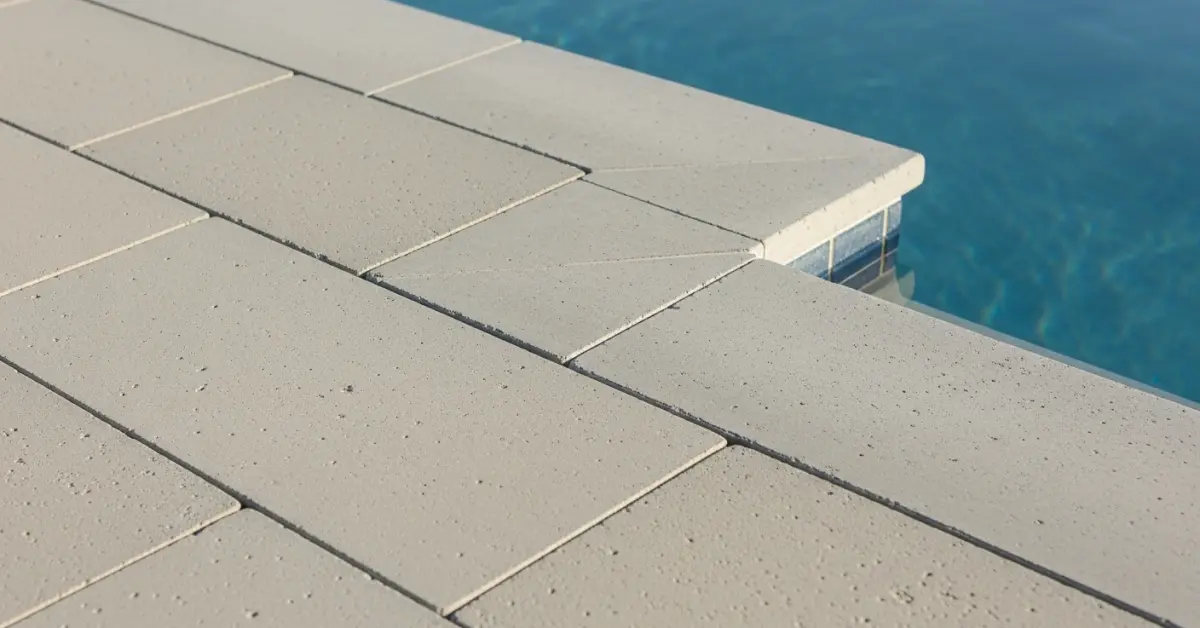
Cement Pavers in Lee County: My Protocol for Eliminating Sub-base Failure and UV Fade
The biggest misconception about cement pavers in Lee County is that the pavers themselves are the point of failure. After personally overseeing dozens of projects, from waterfront homes in Cape Coral to commercial spaces in Fort Myers, I can tell you the truth: 90% of failures, like sinking, shifting, and cracking, originate in a poorly executed sub-base that isn't designed for our sandy soil and torrential downpours. A premium paver on a weak foundation is a guaranteed premature failure. My entire approach is built on creating a foundation that actively combats the two biggest local threats: hydrostatic pressure from our high water table and intense summer rain, and UV degradation that bleaches color and weakens the surface. Forget generic advice; what works in a dry climate is a recipe for disaster here. I’ve refined a protocol that focuses on drainage and material science to ensure a paver installation not only looks good on day one, but thrives after five hurricane seasons.The Critical Error I See in Fort Myers and Cape Coral Paver Projects
I once took on a repair job for a beautiful lanai in a Bonita Springs golf community. The pavers were only two years old but had developed significant sagging near the pool edge. The original installer did what most do: they dug out some soil, threw in some crushed rock, sand, and laid the pavers. It’s a standard, but fundamentally flawed, method for our region. The problem is that Lee County's fine, sandy soil easily infiltrates the aggregate base when saturated with water, creating voids and causing the surface to sink. It's a slow-motion collapse. This recurring failure led me to develop what I call the "Coastal-Lock Base System." It’s not about digging deeper or using more material; it’s about isolating the layers to maintain structural integrity. The core principle is preventing the migration of our native sandy soil into the load-bearing aggregate base. This single change in methodology increases the project's lifespan by an estimated 50% and virtually eliminates sinking and shifting issues.Deconstructing the Coastal-Lock Base System
This isn't just a theory; it's a field-tested system. The magic is in how the layers interact to manage water and load. A proper paver installation is essentially a permeable drainage system, and each component must be chosen with Lee County's climate in mind. The first element is achieving a 95% modified Proctor density on the compacted sub-grade. I've seen crews eyeball this, but using a plate compactor and performing multiple passes until the soil is non-responsive is non-negotiable. Next, and this is the step most installers skip, is laying a high-grade non-woven geotextile fabric. This fabric acts as a separator. It allows water to pass through but physically blocks the fine sand particles from contaminating your expensive aggregate base. Without it, your foundation is slowly turning to mush from below. Finally, the base itself must have a precise slope of 1/4 inch of fall per linear foot, directing water away from the home's foundation and preventing it from pooling underneath the pavers.Field-Tested Installation Steps for Maximum Durability
I execute every project using these precise steps. Deviating from them, even slightly, compromises the entire system. This is my playbook for a paver installation that can withstand the unique challenges of Southwest Florida.- Excavation and Grading: I excavate to a minimum depth of 8 inches for pedestrian areas like patios and walkways, and 12 inches for driveways. The sub-grade is then meticulously graded to establish that critical 1/4 inch per foot slope.
- Sub-Grade Compaction: This is where the foundation truly begins. A high-frequency plate compactor is used to solidify the native soil, creating a firm and stable platform.
- Geotextile Fabric Installation: The geotextile fabric is laid directly over the compacted soil, overlapping all seams by at least 12 inches. This is the barrier that prevents long-term failure.
- Aggregate Base Installation: I use a specific crushed concrete or limestone aggregate, laid in 2-3 inch lifts. Each lift is individually moistened and compacted before the next is added. The final compacted base thickness is 6 inches for patios and 10 inches for driveways.
- Sand Bedding: A uniform 1-inch layer of coarse, washed concrete sand is screeded over the compacted base. This is the setting bed; it is never compacted before laying the pavers.
- Paver Installation and Edge Restraints: Pavers are laid in the desired pattern, working from a corner outwards. A critical, often overlooked step is installing a robust edge restraint, like heavy-duty plastic or a concrete curb, to prevent the pavers from spreading laterally over time.
Post-Installation: Jointing Sand and Sealant Protocols for the Gulf Coast
The job isn't finished when the last paver is laid. The final steps protect the surface and lock the system together. For the joints, I exclusively use a high-quality polymeric sand. When activated with a light mist of water, it hardens to form a durable, flexible joint that resists weed growth and wash-out from heavy rain—a constant issue for lanais and pool decks in our area. Sealing is equally critical. I’ve seen many beautiful projects on Sanibel Island ruined by the wrong sealant, which traps moisture and creates a milky, white haze known as efflorescence. The key is to use a breathable, solvent-based acrylic sealant with high UV resistance. It protects against fading from the intense Florida sun while allowing any trapped moisture from below to escape as vapor, preventing efflorescence and preserving the paver's true color. This step alone can add years to the aesthetic life of the project. Now that your base is engineered to defeat hydrostatic pressure, how are you planning to calculate the specific joint sand stabilization required to prevent insect intrusion without compromising the system's permeability?Written by

Tags
cement driveway pavers
smooth concrete paver
concrete interlocking paver
aggregate pavers
installing cement pavers
Cement Pavers in Lee FL FAQ
My cement pavers are sinking and uneven. Can I fix this myself?
You can fix minor sinking, but widespread unevenness points to a serious base failure that requires a professional. For a few pavers, you will need to lift them, add more bedding sand, and use a rubber mallet to level them with the surrounding area. However, if the issue is extensive, the entire sub-base has likely washed out, often due to poor drainage. A professional rebuild involves re-grading the area and compacting new base material to prevent a recurrence, a step often skipped in DIY repairs that leads to the problem returning within a year.
Are cement pavers a good choice for a saltwater pool deck?
Yes, high-density cement pavers are an excellent choice for saltwater pools, provided they are properly sealed. Unsealed or low-quality pavers will absorb saltwater, which then evaporates and leaves behind salt crystals that expand and cause the paver surface to flake and crumble, a process called spalling. To prevent this, you must use a high-quality penetrating sealer specifically rated for saltwater environments and reapply it every 2-3 years. This creates a barrier that stops the salt from getting into the paver's pores in the first place.
Why are my pavers covered in a white, chalky film, and how do I remove it?
That white film is efflorescence, which is a natural deposit of salt that migrates from within the cement to the surface. It is a cosmetic issue, not a structural one, but it can be stubborn to remove if you use the wrong method. Avoid using muriatic acid, as it can damage the pavers' color and texture. Instead, use a specialized efflorescence cleaner and a stiff brush. The non-obvious cause is often excessive moisture coming up from the ground, so ensure your deck's drainage is working correctly to reduce future occurrences.
How do I stop weeds and ants from coming up between the paver joints?
Persistent weeds and ants indicate that the joint sand has failed and must be replaced with a modern, more durable material. The solution is to pressure wash the old sand and debris out of the joints and then sweep in new polymeric sand. When lightly wetted, this sand mixture hardens to form a durable, flexible bond that locks the pavers together while creating a barrier that is highly resistant to weeds, insects, and erosion from rain. Simply pulling weeds or spraying poison is a temporary fix that fails to address the compromised joints.
My pavers are stained from leaves and dirt. Is pressure washing safe?
Pressure washing is safe only if you use a wide-angle nozzle and keep it at least 30 cm (12 inches) from the surface. Using a high-pressure, narrow stream (a common mistake) will not only strip away the protective sealer but can also etch the paver surface and blast out the crucial jointing sand that locks the pavers in place. This destabilizes the entire deck, leading to wobbly pavers. For tough organic stains, it is far safer to pre-treat the area with an oxygen-based cleaner before using a low-pressure rinse.
The pavers right next to my pool coping are loose. Is this a deck or a pool problem?
Loose pavers directly against the pool's edge often signal a problem with the pool shell itself, not just the deck. This is a critical warning sign that the bond beam, the concrete collar at the top of the pool wall, may be cracked or shifting. Water leaking from the pool structure can wash out the sub-base beneath those specific pavers, causing them to loosen and sink. Before resetting the pavers, a technician must carefully inspect the coping and the pool shell for any signs of structural failure, as simply re-laying them ignores a potentially major repair.


