Cheap Pavers in Lee County: A Framework to Increase Lifespan by 30% Despite Our Climate
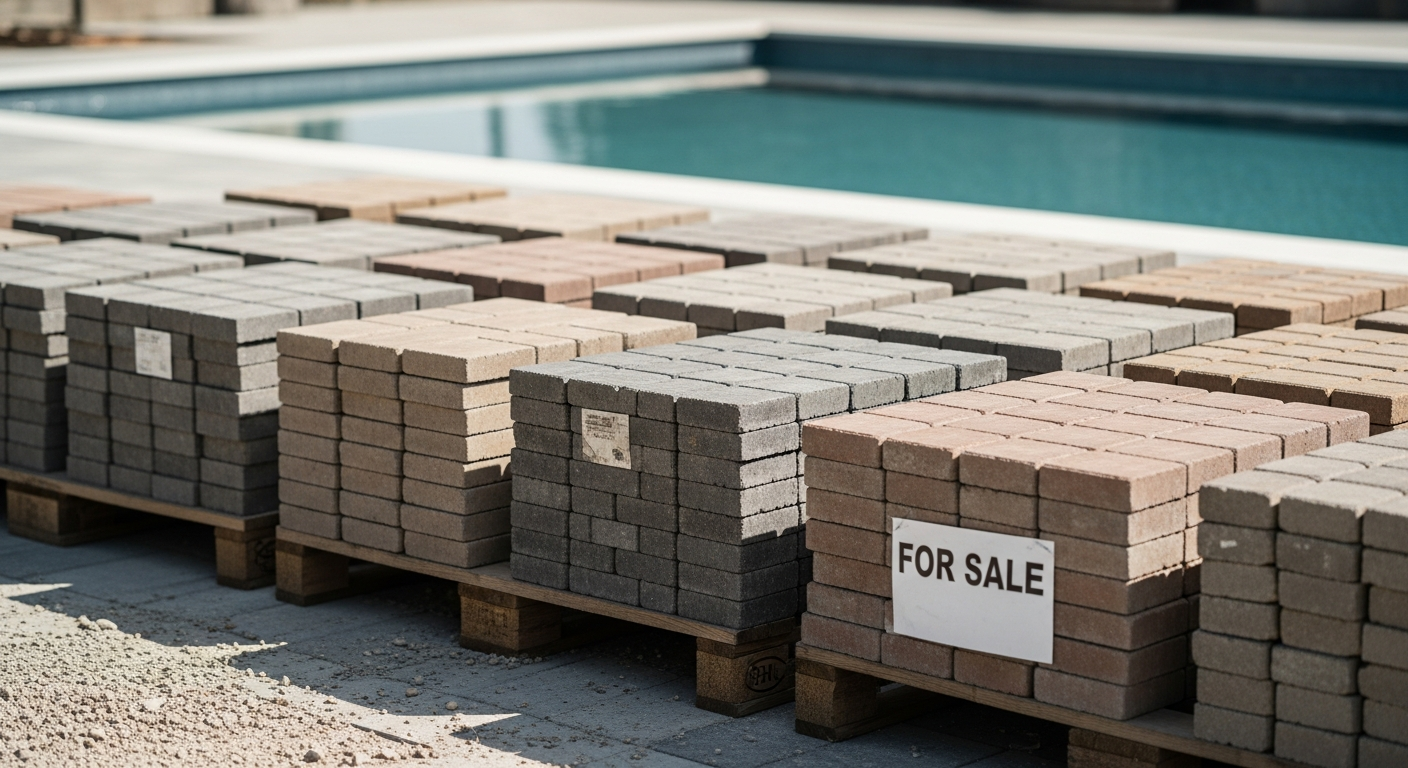
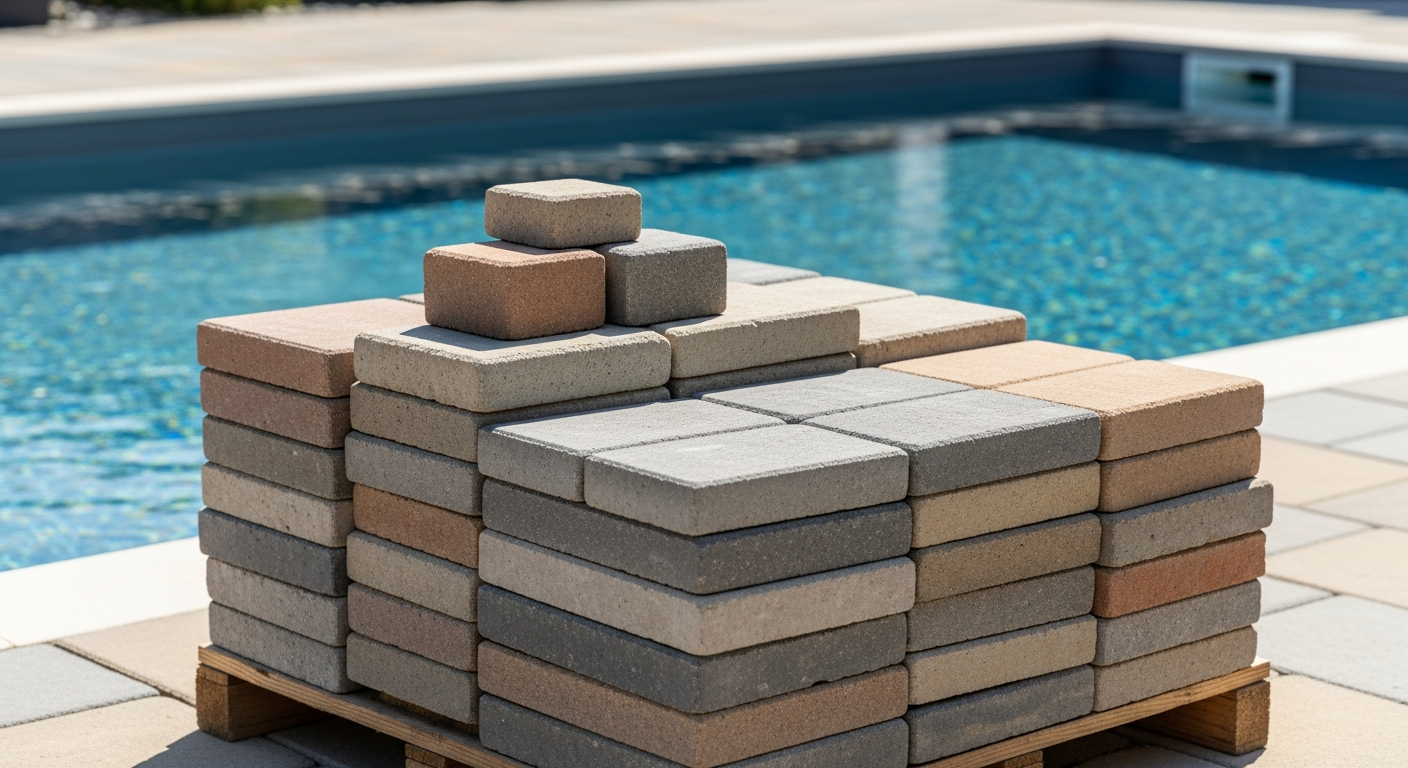
Finding "cheap pavers" in Lee County isn't about the lowest upfront price per square foot. It’s about total cost of ownership. I’ve seen countless paver patios in Cape Coral and Fort Myers fail within two years because the initial "deal" ignored our region's unique challenges: intense UV radiation, torrential summer rains, and a high water table. The real cost comes when you have to re-level, replace, or deal with rampant weed and mold growth. My approach focuses on identifying budget-friendly materials that don’t compromise on core structural integrity. This isn't about finding the cheapest paver; it's about engineering an affordable system that withstands the specific environmental pressures of Southwest Florida. I've developed a methodology that prioritizes material specification and subgrade preparation, ensuring a low-cost installation doesn't become a high-cost problem.Diagnosing Premature Paver Failure in SWFL Homes
The single biggest mistake I see is focusing solely on the paver's appearance and price tag. On a project in a Bonita Springs golf community, I was called in to fix a driveway that had developed significant sagging and paver shifting after just one hurricane season. The homeowner chose an inexpensive, aesthetically pleasing paver, but the installer used a generic base preparation method completely unsuitable for our sandy, shifting soil. The failure wasn't the paver itself, but a fundamental misunderstanding of the local ground conditions. My diagnostic process always begins below the surface. The term "cheap" becomes irrelevant if the subgrade preparation is flawed. In Lee County, this means addressing soil composition and hydrostatic pressure. Most contractors lay a standard 4-inch base of crushed concrete, but I’ve found this is often insufficient for areas with poor drainage, like many canal-front homes in Iona. My proprietary methodology involves a soil assessment to determine the necessary base depth and the correct geotextile fabric to prevent subgrade erosion.The Technical Pitfalls of Low-Cost Pavers
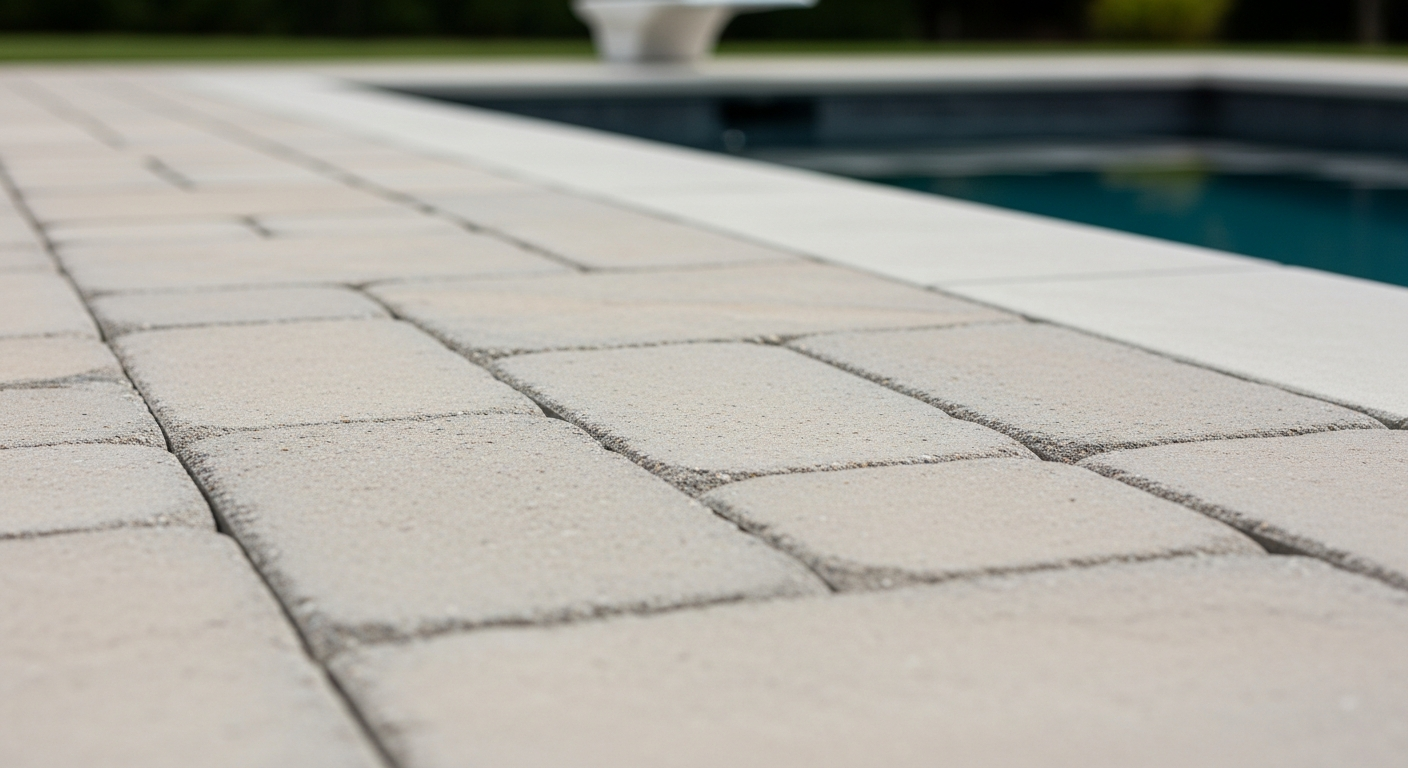
Not all affordable pavers are created equal. The key technical differentiators are compressive strength (PSI) and water absorption rate. A low-cost paver might have a PSI of 6,000, while a slightly more expensive but far more durable option will be rated at 8,000 PSI or higher. While 6,000 PSI is technically acceptable for a walkway, it offers zero margin for error in our environment. Furthermore, a high water absorption rate (anything above 5%) is a death sentence in our humid climate. It acts like a sponge, promoting algae, mold, and efflorescence (that white, chalky residue). I once analyzed two "identical" budget pavers for a Lehigh Acres client. One had a 7% absorption rate. After three months, it was covered in black mildew. The other, with a 4% rate, was perfectly clean. The price difference was less than $0.20 per square foot, but the long-term maintenance cost was drastically different.A Step-by-Step Protocol for a Budget-Conscious, Durable Installation
Executing a paver project that is both affordable and long-lasting requires a precise, non-negotiable installation sequence. Deviating from these steps is how a "cheap" project becomes an expensive repair job.- Step 1: Subgrade Compaction Analysis: Before anything else, I perform a dynamic cone penetrometer (DCP) test on the soil. This tells me the exact compaction needed. For the sandy soils common in Fort Myers, I demand a 95% modified Proctor density. Anything less is a guaranteed failure point.
- Step 2: Geotextile Fabric Installation: A non-woven geotextile fabric is laid directly on the compacted subgrade. This is a critical step often skipped in cheap installations. It separates the soil from your base material, preventing sinking and erosion from our heavy rains.
- Step 3: Base Material Application in Lifts: The aggregate base (I prefer recycled concrete crushed to a specific size) must be laid in 2-3 inch "lifts". Each lift is individually watered and compacted with a plate compactor before the next is added. This achieves a level of density that a single, thick layer never can.
- Step 4: Screeding the Bedding Sand: A uniform 1-inch layer of clean, angular bedding sand is screeded. The key here is moisture content; it must be consistent to prevent soft spots.
- Step 5: Paver Setting and Jointing: After laying the pavers, the final compaction is done. I then insist on using a high-grade polymeric sand. This hardens in the joints, preventing weed growth and insect intrusion, which are persistent issues around our lanais and pool decks.
Fine-Tuning for Maximum Longevity and Low Maintenance
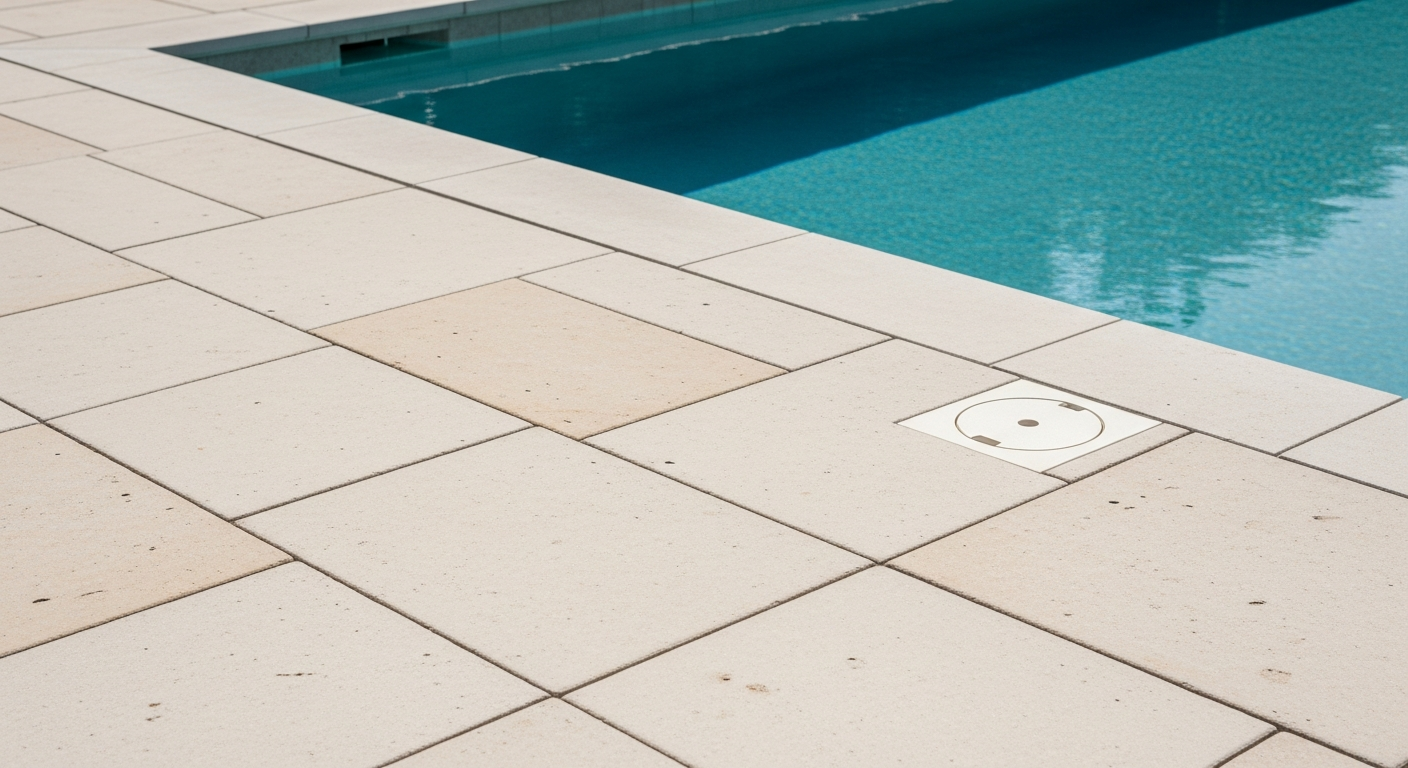
The final phase is what separates a standard job from a truly professional one. After the polymeric sand has cured, selecting the right sealer is paramount. Most budget sealers create a film on the surface that peels and yellows under the intense Florida sun. I specify a penetrating, silane-siloxane sealer. It doesn't form a film but instead soaks into the paver, providing hydrophobic properties from within. This type of sealer drastically reduces the paver's water absorption, which directly inhibits mildew and algae growth. It can extend the clean appearance of a paver installation by up to 25% and reduces the frequency of pressure washing. The material cost is slightly higher, but the labor savings in maintenance provide a clear return on investment within 18-24 months. So, when your contractor gives you a quote, are they detailing their compaction testing method and sealer chemistry, or are they just selling you on the cheapest paver they can find?Written by

Tags
patio pavers near me
pavers for sale
permeable pavers
brick pavers
paver stones