Cheap Pavers Osceola County: My Protocol for a 15-Year Lifespan on a Budget
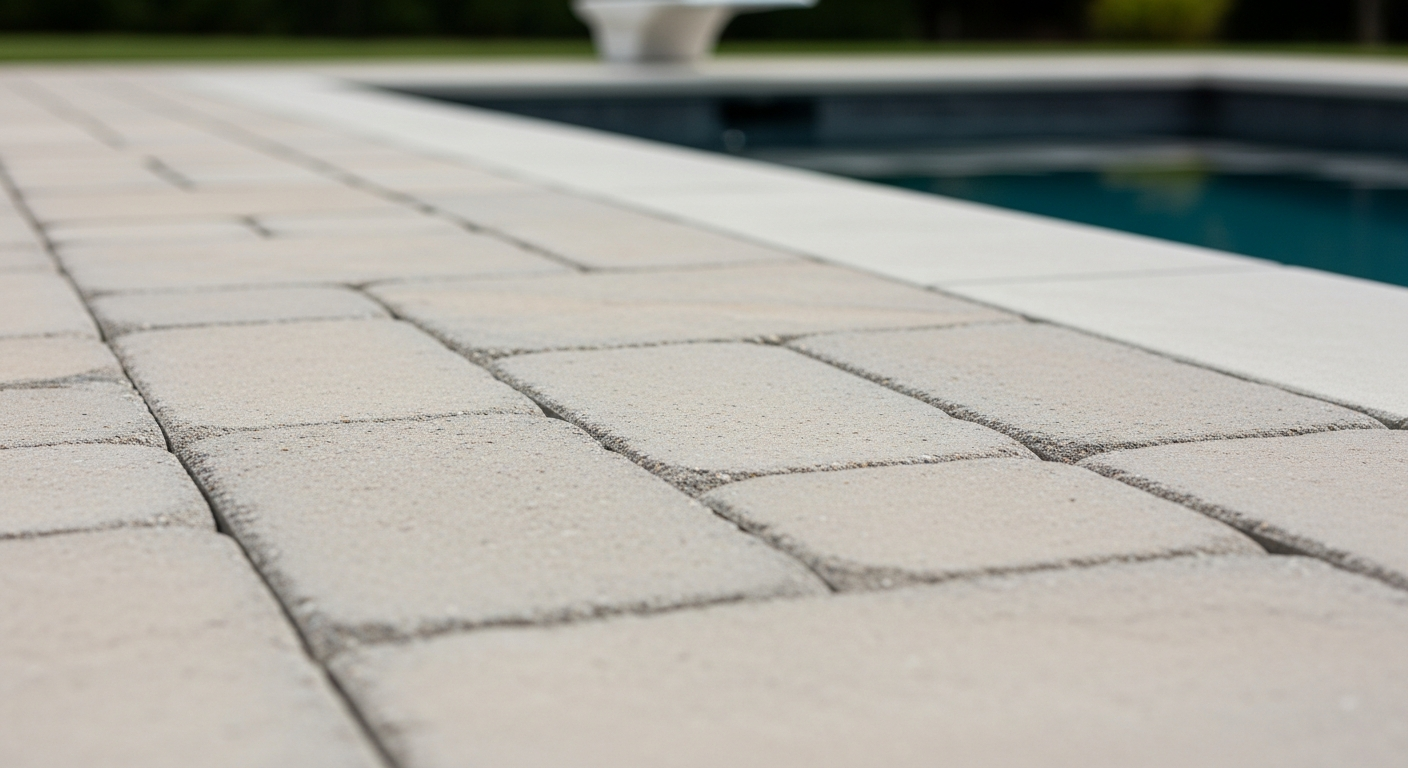
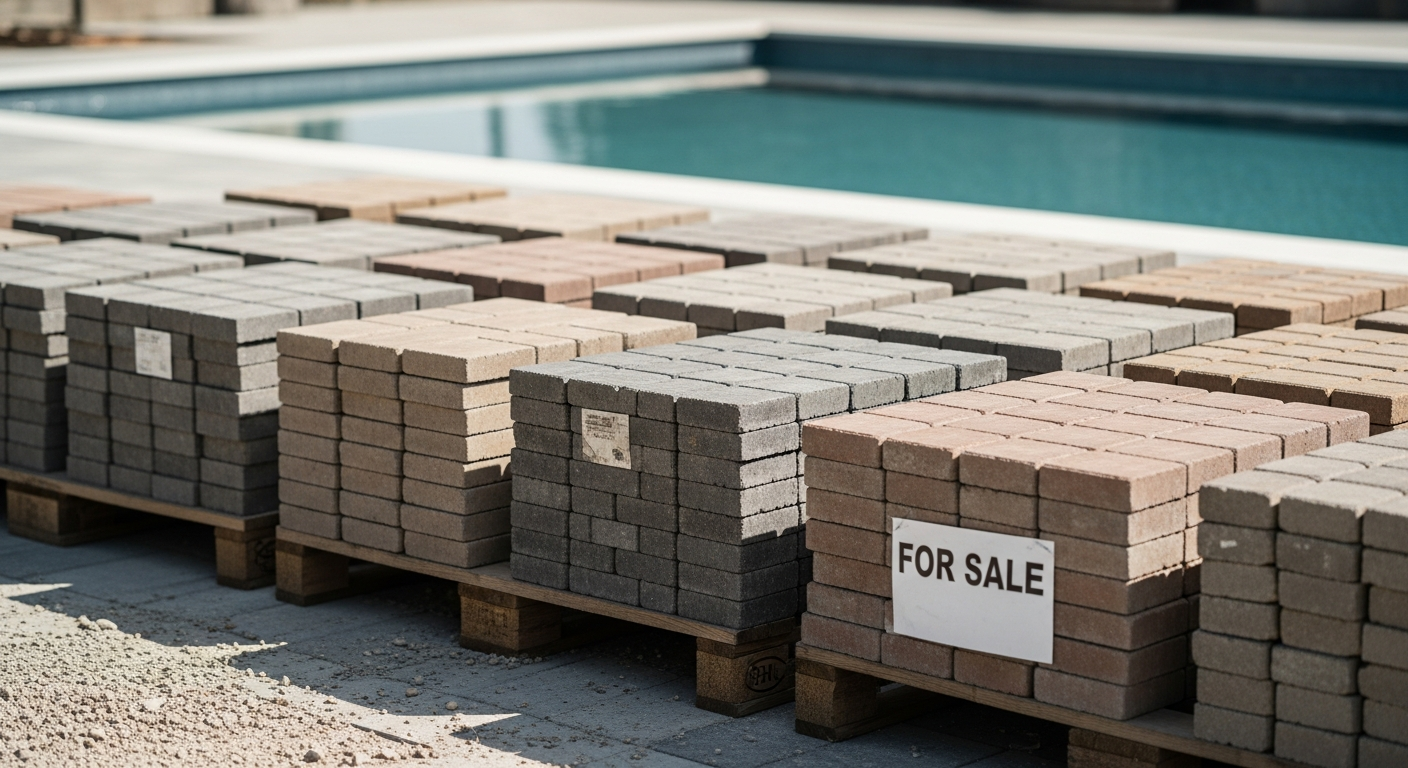
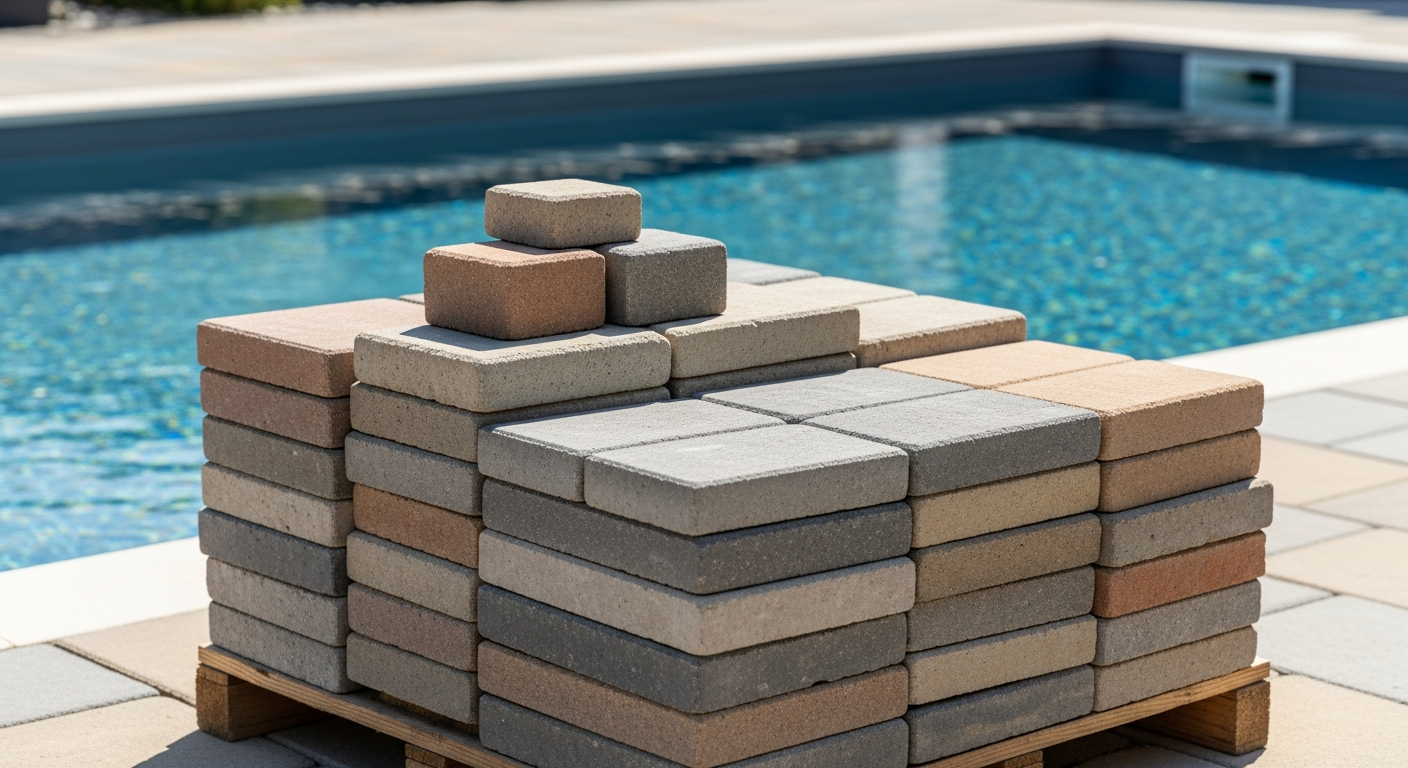
Finding "cheap pavers" in Osceola County is a common starting point, but I've seen it lead to catastrophic failures within two years. The real metric isn't the upfront cost per paver; it's the Lifecycle Cost Per Square Foot. The intense Florida sun, the torrential downpours in Kissimmee, and our sandy soil composition create a unique set of challenges that most budget-friendly materials are not designed to handle. A cheap paver that needs resetting or replacing after a single hurricane season is the most expensive option. My entire approach is built on a single principle: the paver itself is only 20% of the equation. The other 80%—the base preparation, edge restraint, and jointing compound—is where budget projects fail. I've personally diagnosed and corrected sinking pool decks in Celebration and weed-infested driveways in St. Cloud that all stemmed from a failure to account for our specific local conditions, not from the price of the stone. My methodology ensures that even a cost-effective paver can achieve a projected 15-year structural integrity.My Diagnostic Framework: The Osceola Climate Durability Index (OCDI)
Over the years, I developed a proprietary evaluation system I call the Osceola Climate Durability Index (OCDI). It’s not a product, but a three-part diagnostic I run on every potential material and project plan. I’ve seen projects using premium pavers fail because they scored low on my index, while budget projects have thrived. It’s about the system, not just the stone.Technical Breakdown of OCDI Factors
The OCDI focuses on three critical failure points specific to our region.- Material Porosity & UV Fading: I assess a paver's water absorption rate. A high absorption rate in our humid climate means a breeding ground for mold and algae, especially on lanais in neighborhoods like Poinciana. I also analyze the manufacturing process for colorfastness. Many cheap, color-through pavers lose up to 30% of their vibrancy in the first five years under the Osceola sun.
- Base Compaction for Sandy Subgrade: Our local soil is predominantly sandy. A standard 4-inch crushed stone base is often inadequate. I found that a modified base protocol using a geotextile separator fabric underneath a 6-inch compacted base of specific aggregate (#57 stone mixed with fines) prevents the base from migrating into the sand, which is the primary cause of paver settlement.
- Joint Stabilization Against Rainwater Washout: A common cost-cutting measure is using regular sand for paver joints. In Osceola County, one strong summer storm can wash it all out. My standard requires the use of a high-grade moisture-activated polymeric sand. This creates a firm, flexible joint that resists weed growth and, critically, erosion from heavy rain. This single choice can increase the time between major maintenance cycles by over 500%.
My 5-Step Paver Installation Framework for Osceola's Climate
This is the exact implementation process I use to ensure longevity, even with budget-conscious materials. The precision is in the execution, not the material's price tag.Precision Adjustments and Quality Standards
Beyond the basic steps, these are the small adjustments that define a professional, long-lasting installation versus a typical "cheap" job.- Excavation and Grading: I mandate a minimum 2% grade slope away from any structure's foundation. This sounds obvious, but I've corrected projects with less than 1%, leading to water pooling and foundation damage. This is non-negotiable.
- Base Installation & Compaction: The 6-inch base must be compacted in two separate 3-inch lifts. I use a plate compactor to achieve a minimum of 98% Standard Proctor Density. Checking this density is a critical quality control step most contractors skip.
- Bedding Sand Screeding: A uniform 1-inch layer of clean, sharp concrete sand is used. My technique involves using screed rails to ensure a perfectly consistent depth. Inconsistencies here are a primary cause of wobbly pavers.
- Paver Laying and Edge Restraints: Pavers are laid in the desired pattern, working from a corner. The most critical action here is installing a robust edge restraint (like Snap-Edge) secured with 10-inch steel spikes before the final compaction. This prevents the entire project from shifting outward over time.
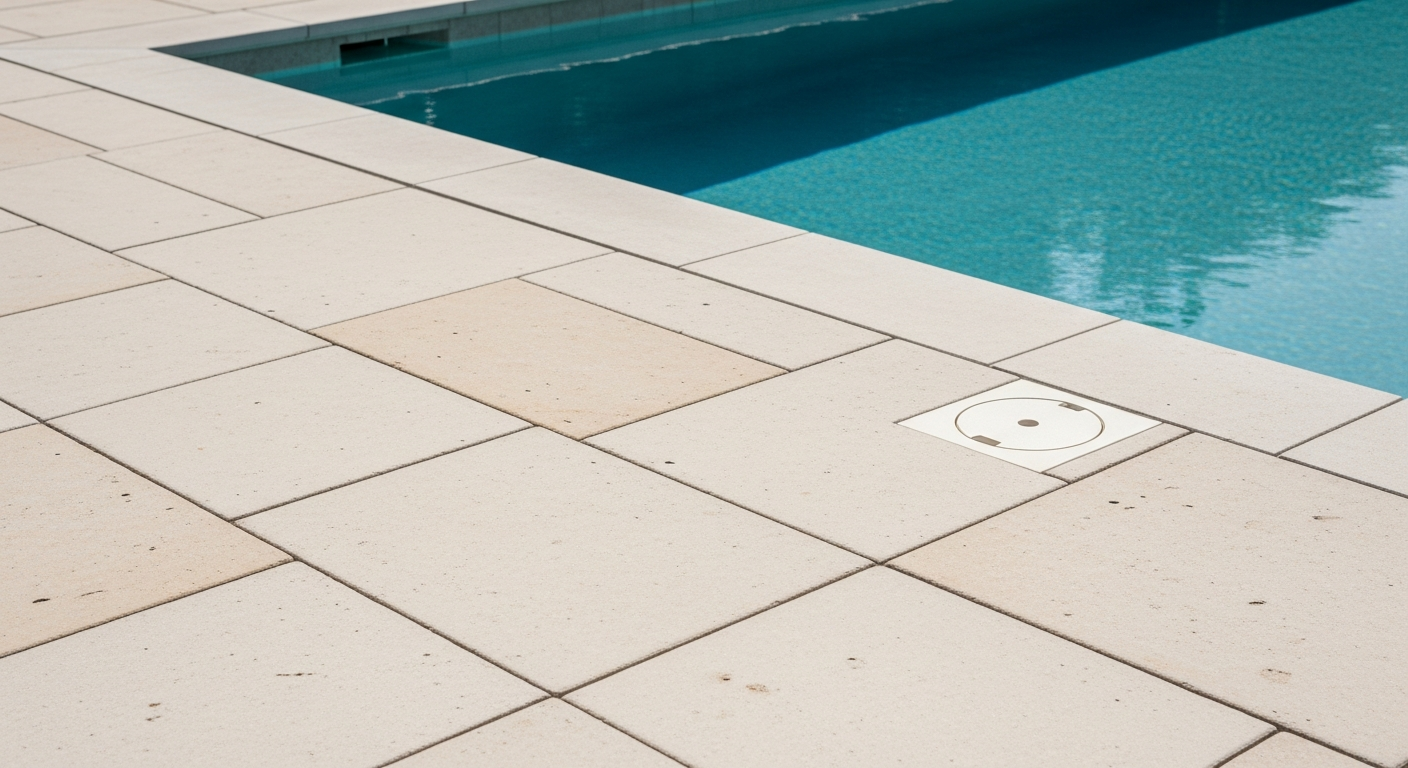
- Joint Sanding and Sealing: After the final plate compaction to lock the pavers in, I sweep in the polymeric sand. The trick is to remove 100% of the residue from the paver surface before lightly misting with water to activate it. Two years later, I recommend a penetrating, breathable sealer—not a film-forming one, which can trap moisture and become slippery on pool decks.
Written by

Tags
patio pavers near me
pavers for sale
permeable pavers
brick pavers
paver stones