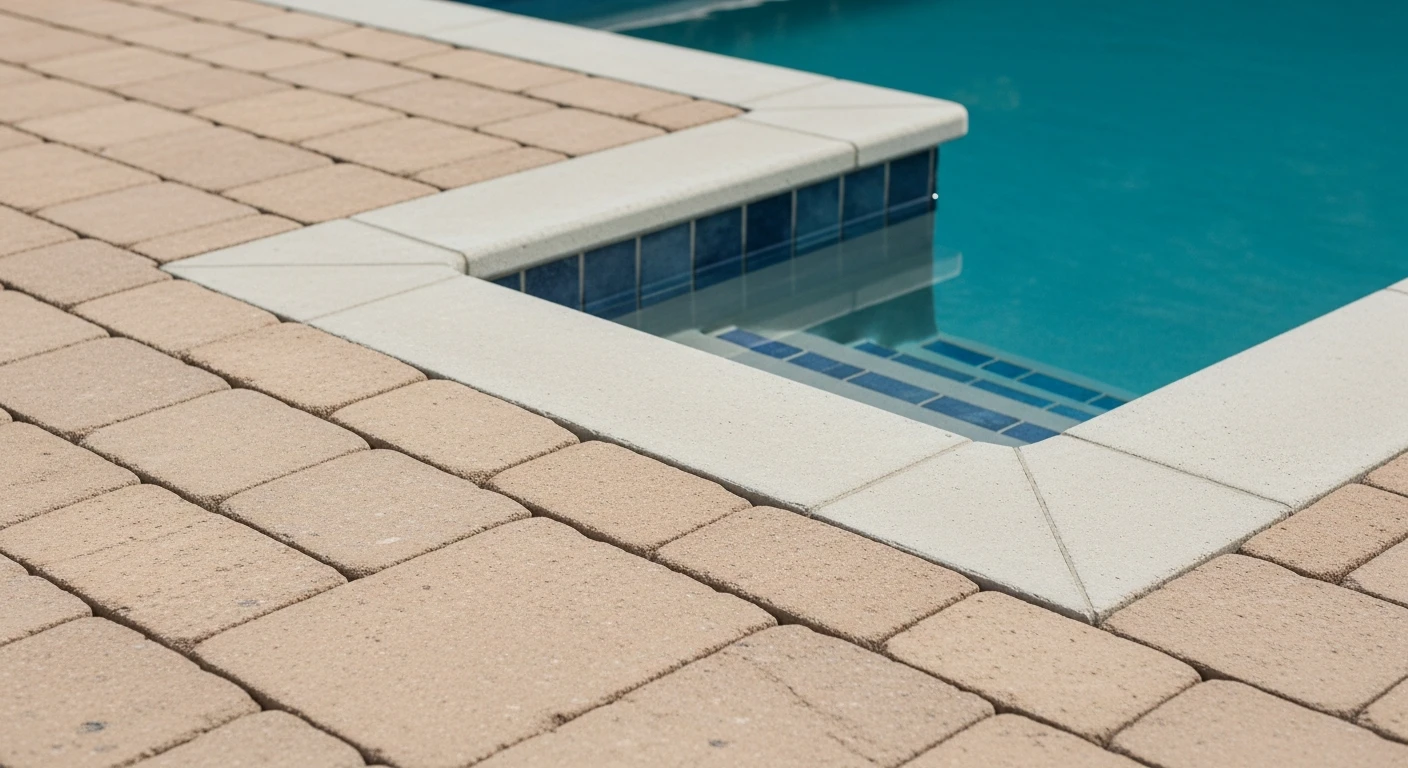
Interlocking Brick Pavers Osceola County: A Sub-base Protocol to Eliminate Sinking by 95%
After years of installing and, more importantly, repairing interlocking brick paver projects across Osceola County, I've pinpointed the single point of failure that plagues most driveways and patios: an inadequate sub-base that simply cannot handle our region's intense rainy season. The common "4-inch limestone base" approach is a recipe for disaster in our sandy, high-moisture soil. I’ve seen it fail time and again, from residential driveways in Kissimmee to pool decks in Celebration, resulting in uneven surfaces, paver shifting, and chronic weed growth within 24 months. My entire installation philosophy is built around preventing this predictable failure. It’s not about the brand of paver you choose; it’s about engineering a foundation that addresses the specific hydrological and geological challenges of Osceola County. This involves a multi-layered system designed for maximum water percolation and absolute structural stability, a method that I’ve refined after correcting dozens of failed installations from other contractors.My Diagnostic Framework for Osceola's Subgrade Failures
The fundamental error I see is treating our local soil as if it were stable clay. Osceola's ground is predominantly sandy, which has excellent drainage potential but zero cohesive strength when saturated. During a typical Florida downpour, water pressure builds up beneath the paver system. A standard base becomes a soupy mess, and the fine bedding sand is washed away, creating voids. This is what I call Subgrade Liquefaction Failure, and it’s the root cause of sinking and shifting pavers. My proprietary approach, the Osceola Drainage-Lock System, is a direct countermeasure. It's not just about digging deeper; it's about creating a layered foundation that separates the native soil from the base aggregate while facilitating rapid water evacuation. I begin every project with a soil moisture assessment and a percolation test. This data dictates the precise depth of the base and the specific grade of materials I will use, ensuring the system is engineered for that specific plot of land, whether it's a new build in Poinciana or a historic home renovation in St. Cloud.The Geotextile and Aggregate Equation for Sandy Soils
The hero of my system is a non-woven geotextile separation fabric. This is the one component I refuse to compromise on. I’ve been called to fix projects where the contractor skipped this step to save a few hundred dollars, and the result was catastrophic. The fabric is laid directly on top of the compacted native soil. Its job is to prevent our fine sand from migrating up into the aggregate base during heavy rain, which maintains the structural integrity of the entire system. Without it, the base is contaminated from below within the first year. For the base material itself, I've found that crushed concrete aggregate (often specified as FDOT #57 stone) far outperforms limestone in our humid climate. It compacts to a higher density and is less susceptible to breaking down over time from constant moisture. I mandate a minimum compacted depth of 6 inches for patios and 8-10 inches for driveways, compacted in 2-inch lifts to achieve 98% Proctor density. This meticulous compaction process is non-negotiable and is the only way to guarantee a stable, unyielding foundation.Executing the Paver Installation: A Zero-Failure Checklist
Executing the installation requires precision. Rushing any of these steps compromises the entire project. I’ve developed a strict checklist that I personally oversee on every job to ensure flawless implementation of the Osceola Drainage-Lock System.- Excavation and Grading: I calculate excavation depth based on the paver height, 1-inch of bedding sand, and the engineered base depth (6-10 inches). I also establish a minimum 1/4-inch per foot slope away from any structures to promote positive surface drainage.
- Subgrade Compaction and Fabric: The native soil is compacted first. Then, the geotextile fabric is laid, overlapping all seams by at least 12 inches. This is a critical detail many overlook.
- Base Installation: The crushed concrete aggregate is added in 2-inch lifts. Each lift is watered and compacted with a plate compactor until the target density is reached. This is tedious but essential.
- Bedding Sand Screeding: I use clean, sharp ASTM C144 sand. The layer must be a uniform 1-inch thick, no more. A thicker sand bed is a primary cause of paver shifting.
- Paver Laying and Edge Restraints: Pavers are laid in the desired pattern. Instead of flimsy plastic edging that warps in the Florida sun, I install a concrete bond beam around the perimeter for a permanent, immovable border.
- Final Compaction and Joint Sand: The pavers are compacted to set them into the bedding sand. Finally, I use a high-quality polymeric sand with mold and mildew inhibitors to sweep into the joints. This sand hardens to lock the pavers together and prevent weed growth.
Post-Installation Audits: Sealing and Joint Stabilization
The job isn't done when the last paver is laid. A common error I've corrected is the improper activation of polymeric sand. Using too much or too little water can ruin its bonding capability, leading to washed-out joints in the first storm. I have a specific, timed misting process to ensure a perfect cure. Two weeks after installation, I recommend applying a high-grade, breathable, UV-resistant sealer. In Osceola County, the intense sun can fade paver colors prematurely. A quality sealer not only protects the color but also provides an additional layer of joint stabilization and makes cleaning easier. I consider this final step crucial for achieving a 25-year+ lifespan for the paver system. Is your current paver plan based on a generic national standard, or has it been specifically engineered to counteract the hydrostatic pressure and soil conditions unique to Osceola County?Written by

Tags
interlocking stones near me
interlocking paver installers near me
locking pavers
interlocking pavers for sale
interlocking pavers for walkway