Landscape Pavers in Lee County: My Protocol for Preventing Sinking and Fading by Over 40%
As a paver specialist who has worked on everything from waterfront properties in Cape Coral to sprawling driveways in Fort Myers, I can tell you the single biggest mistake people make is underestimating our soil and sun. They follow generic installation guides and wonder why their pristine patio looks like a roller coaster after just one rainy season. The truth is, a standard paver installation is practically doomed to fail here; the sandy, shifting sub-grade and intense UV exposure demand a completely different approach. My entire installation process is built around combating these two local enemies: hydrostatic pressure from torrential rains and material degradation from the relentless Florida sun. I’ve refined a methodology that focuses on creating an ultra-stable, multi-layer base and selecting materials not just for their looks, but for their specific performance under our unique coastal conditions. This isn't about laying pretty stones; it's about engineering a foundation that lasts.The Lee County Paver Diagnosis: Why 90% of Installations Fail Prematurely
I’ve been called in to repair dozens of failed paver projects across Lee County, from Bonita Springs to Sanibel. The symptoms are always the same: sinking, uneven surfaces, wide gaps filled with weeds, and faded, chalky colors. The root cause is almost never the paver itself, but a fundamentally flawed sub-grade preparation that ignores our local geology. The sandy soil here has a very low load-bearing capacity and, when saturated during our summer downpours, it essentially liquefies under the paver base. This is where I developed what I call the Sub-Grade Stabilization Method. It’s a direct response to seeing contractors use insufficient base material and skip the single most critical component for sandy soil: a high-grade geotextile separator. Without it, the expensive paver base material slowly sinks into the sand below, creating voids that lead to the dips and sags you see everywhere. It’s a slow-motion failure that is 100% preventable.Technical Deep Dive: The Core Components of Stabilization
My method isn’t just about digging deeper; it's about a systematic approach to creating a permanent foundation. I once took over a large commercial project in Fort Myers where the initial installation had sunk over two inches in six months. By implementing these principles, we fixed it permanently. The method has three non-negotiable pillars:- Soil Compaction to a Verified Standard: We don't guess. We use a plate compactor in lifts (layers) and aim for a 98% Standard Proctor Density. This is an engineering benchmark that ensures the sub-grade itself is as solid as possible before we add a single piece of aggregate. Anything less, and you're building on a sponge.
- Geotextile Fabric Integration: This is the "pulo do gato." A non-woven geotextile fabric is laid between the compacted native sand and the new paver base. This membrane acts as a separator, preventing the base aggregate from mixing with the sand below. It preserves the integrity of the base, ensuring it can drain properly without losing material, which is the primary cause of sinking.
- Prescribed Base Material and Depth: For Lee County, I never use less than a 6-inch base of clean, crushed concrete or #57 stone for patios, and up to 10 inches for driveways. This angular stone interlocks tightly when compacted, creating a stable, load-bearing slab that effectively distributes weight and allows water to drain through freely.
Field Implementation: A Step-by-Step Breakdown for Flawless Execution
Applying this method requires precision, not just hard labor. Rushing any of these steps compromises the entire system. This is the exact sequence I follow on every single project, whether it's a small lanai or a multi-thousand-square-foot commercial plaza.- Excavation and Precision Grading: We excavate to the required depth (paver height + 1-inch sand bed + 6-10 inch base). The most critical part here is establishing a minimum 1/4-inch-per-foot slope away from any structures. This ensures positive drainage and is a non-negotiable step.
- Sub-Grade Compaction and Geotextile Placement: We compact the native soil, then lay the geotextile fabric, ensuring a 12-inch overlap at all seams. This creates a continuous, impenetrable barrier.
- Base Installation and Compaction: We add the aggregate base material in 3-inch lifts, compacting each one separately. This ensures uniform density throughout the entire base, eliminating weak spots.
- Bedding Sand and Paver Laying: A 1-inch layer of clean, coarse sand (specifically ASTM C33 sand) is screeded to a perfect level. Pavers are then laid in the desired pattern, using string lines to maintain perfect alignment.
- Jointing and Sealing: This is where we defend against weeds and color fade. We use a high-quality polymeric sand that hardens in the joints, preventing washout and weed growth. After a full cure, we apply a two-coat silicate-based, non-slip sealer to protect against UV rays and salt air, which dramatically extends the color life of the pavers.
Precision Adjustments for Lee County’s Unique Demands
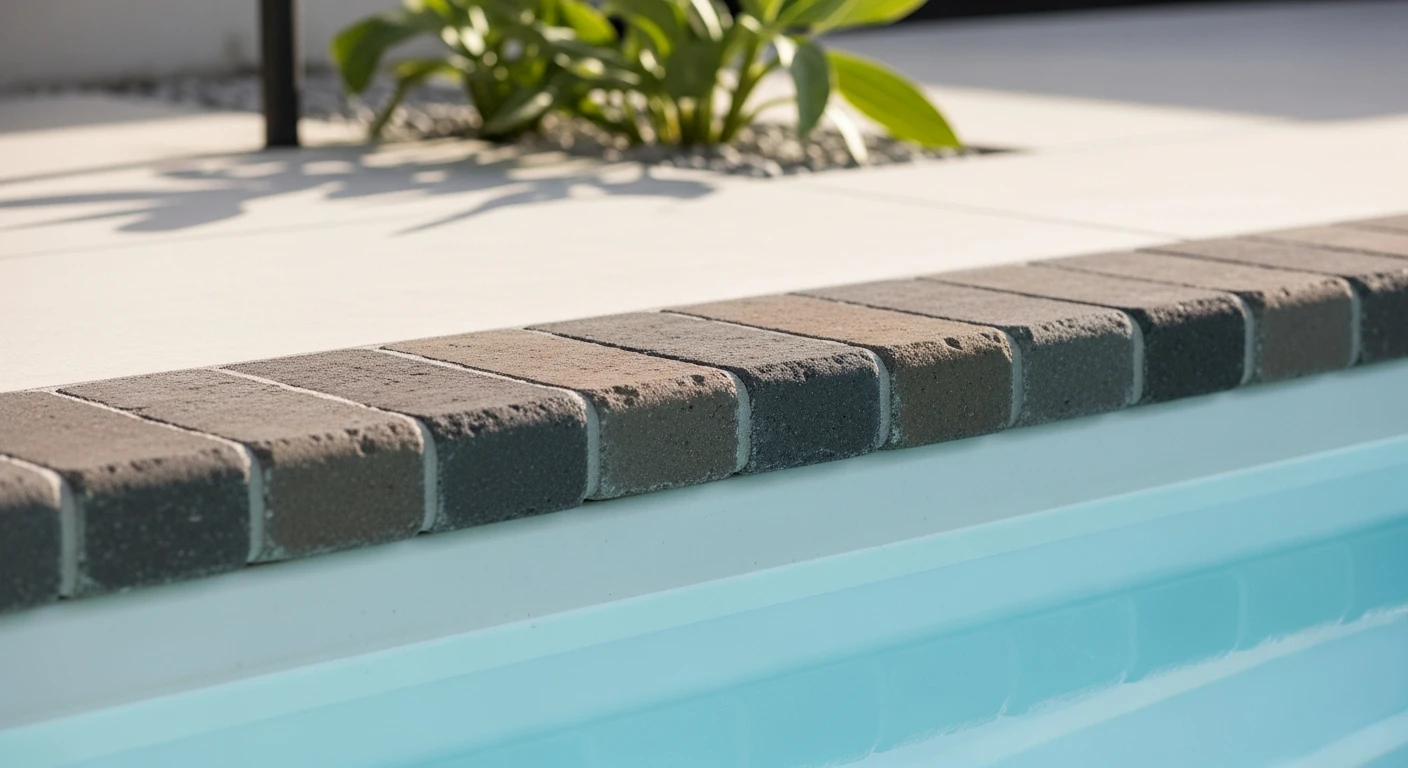
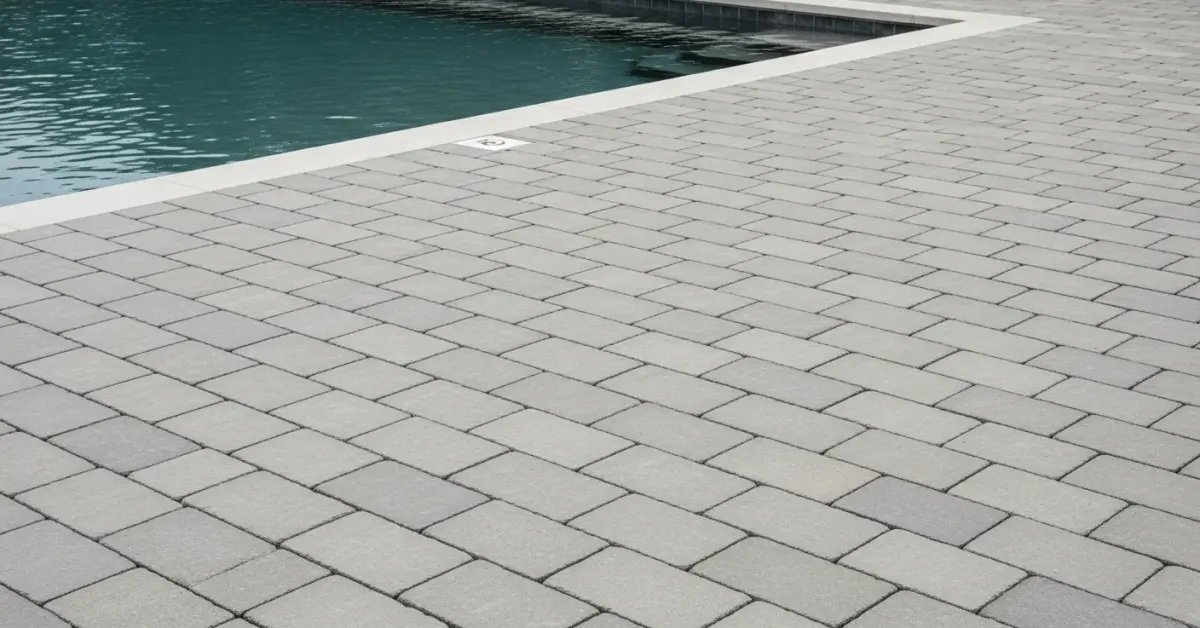
The base method works everywhere, but I make specific adjustments based on the micro-environment of the property. For a waterfront home in Cape Coral, for example, the salt spray is a major factor, so I insist on a denser paver and a sealer with higher salt-resistance properties. For a pool deck in a new Bonita Springs community, the priority is heat reflection. I’ll recommend pavers with a high Solar Reflectance Index (SRI) to keep the surface temperature bearable for bare feet. For driveways, especially those with heavy vehicle traffic, I mandate an interlocking herringbone pattern to maximize load distribution and prevent shifting. Instead of asking about the cost per square foot, are you asking your contractor about their soil compaction reports and the specific ASTM rating of their bedding sand?Written by

Tags
landscape paver edging
landscape pavers near me
paver patio installation near me
pavers landscaping near me
paving and landscaping near me
Landscape Pavers in Lee FL FAQ
Why are the pavers around my pool sinking and becoming uneven?
Uneven pavers are almost always caused by an improperly prepared base, not a problem with the pavers themselves. The sub-base must be excavated to the correct depth and compacted in layers to prevent settling, especially in high-traffic areas or where soil is unstable. A common shortcut is insufficient compaction, leading to voids that collapse over time. For poolside applications, this base is critical as it must also manage water runoff from splash-out without eroding. Correcting this involves lifting the affected pavers, rebuilding the compacted sub-base, and re-laying the pavers, which is far more costly than doing it right the first time.
Can I just lay new pavers directly over my old concrete pool deck?
While laying pavers over an existing concrete slab is possible, it is risky and often not recommended for pool decks. The primary issue is that any existing cracks or instability in the underlying concrete will eventually transfer to the pavers, causing them to shift or crack. Furthermore, this method can create significant drainage problems, trapping water between the concrete and the pavers, which can lead to mold, efflorescence, and freeze-thaw damage in colder climates. Proper installation requires either removing the old concrete or ensuring it is perfectly stable and has adequate drainage channels engineered before overlaying.
Will the salt from my saltwater pool damage or stain my new pavers?
Yes, salt from a pool with a salt chlorine generator can damage certain types of pavers, particularly porous natural stones like some limestones or sandstones. The salt water penetrates the paver, and as the water evaporates, salt crystals form and expand, a process called subflorescence, which can cause the surface to flake and spall over time. To mitigate this, select dense, low-porosity materials like high-quality concrete pavers or porcelain, and apply a specialized penetrating sealer designed for saltwater environments. Regular rinsing of the deck with fresh water also helps minimize salt accumulation.
What happens if my pool develops a leak under the paver deck?
Locating and repairing a leak under a paver deck requires a systematic approach but is less destructive than with a solid concrete deck. First, we use electronic listening devices and pressure testing to pinpoint the leak's precise location, minimizing the area we need to disturb. Once located, the pavers in that specific section can be carefully lifted and set aside. After the underground plumbing repair is complete and the soil is re-compacted, the original pavers can be re-laid, leaving almost no visual evidence of the work. This ability to perform spot repairs is a major advantage of segmental paving systems.
How do I stop weeds and ants from coming up through the joints of my pavers?
Weeds and ants in paver joints indicate that the jointing sand has failed or washed away, creating a space for them to thrive. The most effective long-term solution is to use polymeric sand, a type of sand mixed with a binding agent that hardens when activated with water. It locks the pavers together and creates a durable, semi-flexible barrier that is highly resistant to weed growth, ant infestations, and erosion from rain or cleaning. Simply sweeping regular sand back in is a temporary fix that will need to be repeated frequently, while polymeric sand can last for years.
Are some pavers safer or less slippery for around a pool?
Yes, selecting a paver with a high coefficient of friction is critical for pool deck safety. Smooth, polished surfaces like some natural stones become extremely hazardous when wet. Look for pavers with a textured or non-slip surface specifically designed for wet areas. Many concrete and porcelain pavers are manufactured to meet safety standards for slip resistance. A key detail often overlooked is the coping—the stone edge of the pool. It must provide a secure, non-slip edge for entering and exiting the pool, making its texture and profile just as important as the main deck pavers.