Natural Sandstone Paving in Lee County: My Sealing Method for a 30% Lifespan Increase Against Salt Air & Humidity
For years, I've seen the same predictable failure in natural sandstone patios across Lee County, from waterfront properties in Cape Coral to sprawling backyards in Fort Myers. The beautiful, varied tones of the stone are lost to a film of green algae or, worse, begin to flake and spall. The culprit is rarely the stone itself; it's almost always a fundamental misunderstanding of how our subtropical climate interacts with the stone's porosity. My entire approach is built on mitigating this before the first paver is even laid, focusing on a specific sealing and sub-base protocol that counters the constant assault of humidity and salt. Most installers treat a sandstone project here the same as they would in a dry climate. This is a critical error. The high water table and intense, humid air in our region mean moisture is constantly trying to work its way up from the sub-base and down from the atmosphere. Without the right preparation, the paver becomes a sponge, leading to rapid degradation. My methodology isn't about the brand of sealer you use, but the *timing* and *type* of application, which I've refined over dozens of local projects.My Diagnostic Framework for Common Sandstone Failures in Fort Myers
Before I begin any project, I perform a site analysis that focuses on what I call the "Subtropical Degradation Triangle." This proprietary check identifies the specific environmental pressures on the proposed patio or pool deck. I learned to do this after a major project in a Sanibel Island community showed premature efflorescence—a white, powdery salt deposit—within six months. The original contractor blamed the stone; I identified the true cause was hydrostatic pressure pushing saline groundwater up through a non-breathable sealer.The Three Pillars: Porosity, Salinity, and Drainage
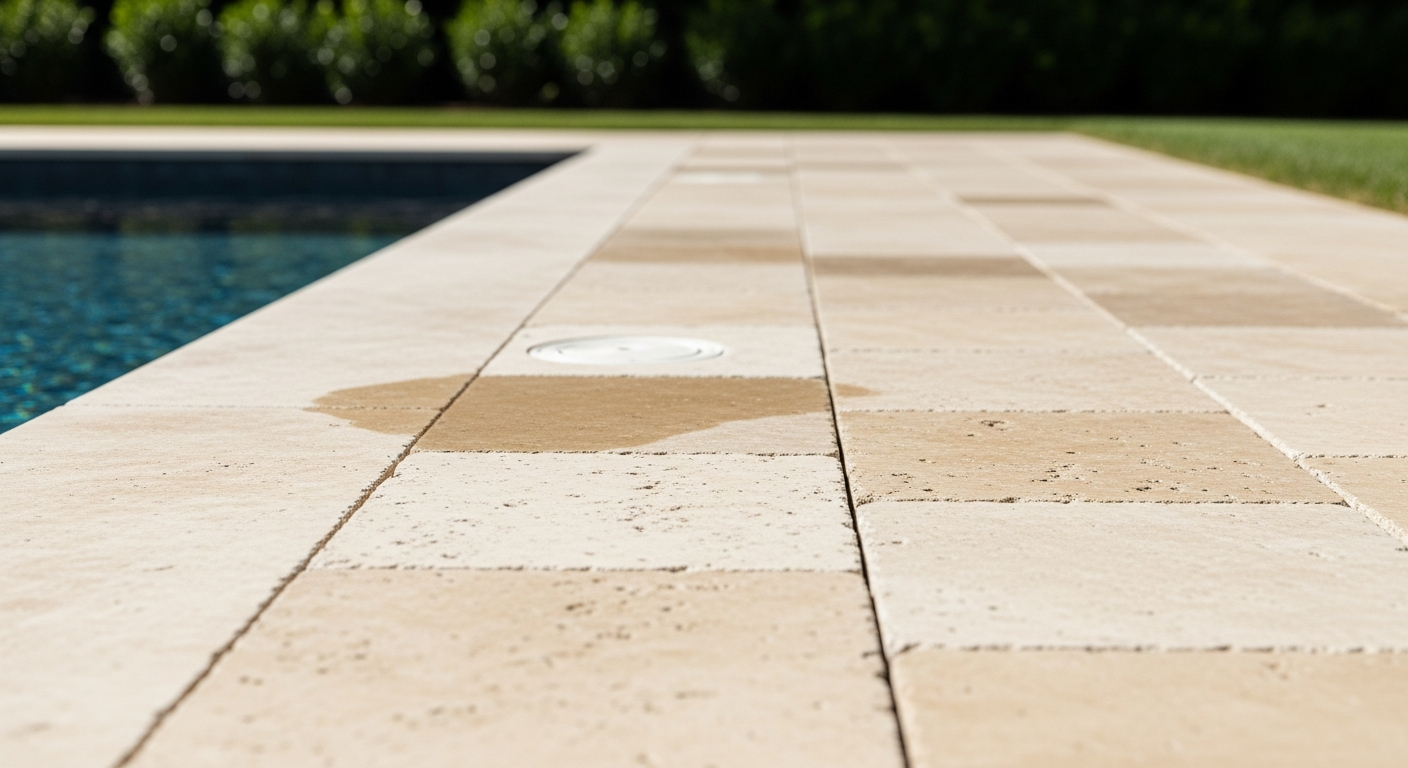
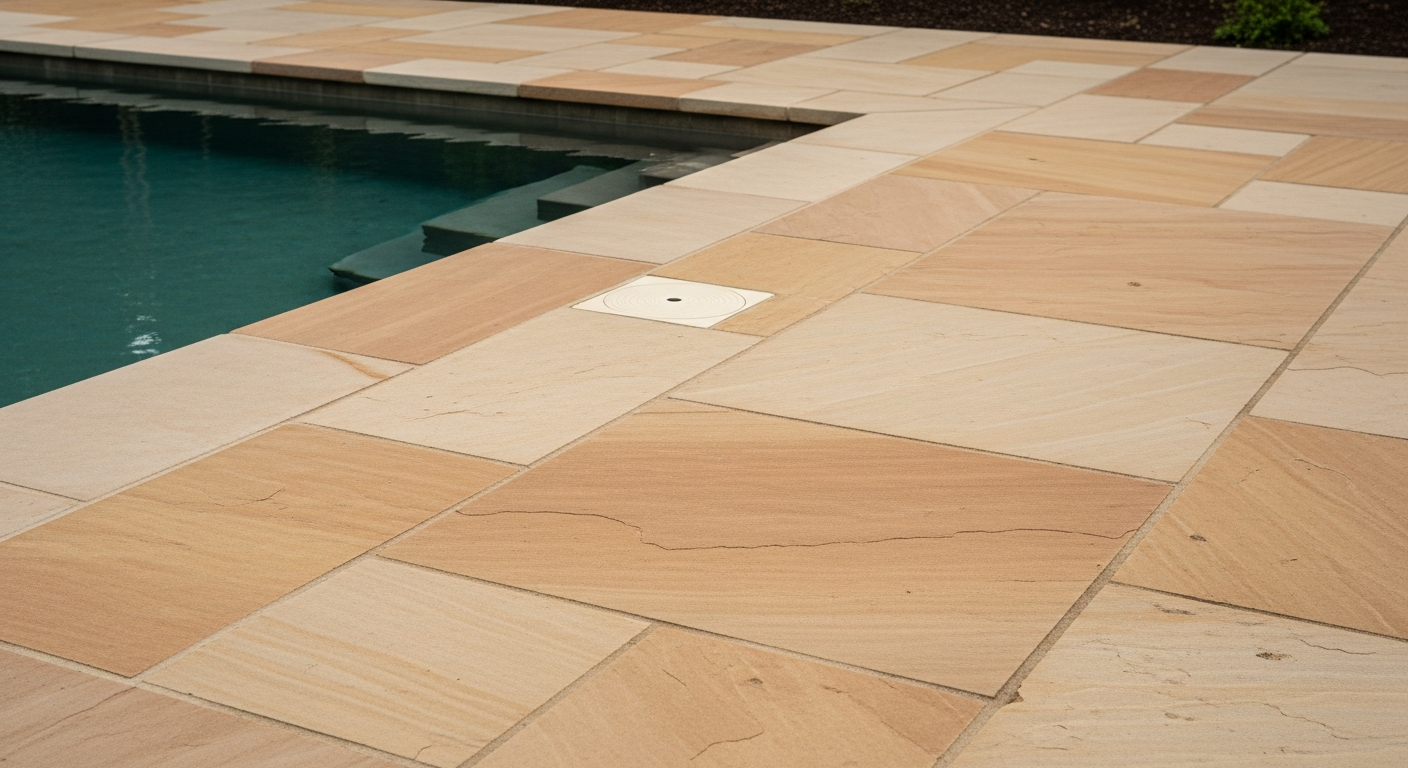
Every sandstone has a unique porosity rating. A stone like Rainbow Sandstone is significantly more porous than a denser variety like Kandla Grey. In a high-humidity environment like ours, a highly porous stone without proper sealing is a recipe for disaster, especially around saltwater pools. I insist on a pre-installation water-drop test on a sample paver. If a drop of water absorbs in under 60 seconds, it requires a specific impregnating sealer, not a topical one. Salinity from the Gulf air or pools is the accelerator, and poor drainage is the enabler. A patio must have a minimum 1/4 inch per foot slope away from the structure. I've corrected multi-thousand dollar jobs where the slope was actually negative, trapping corrosive water.My Step-by-Step Installation for a 20-Year Sandstone Lifespan
Executing a durable sandstone installation in Lee County requires a rigid, uncompromising process. Deviating from any of these steps is how you get a 5-year patio instead of a 20-year one. This is the exact sequence I follow.- Sub-Base Compaction: Lee County's sandy soil is notoriously unstable. I mandate a sub-base of at least 6 inches of crushed concrete or lime rock, compacted in 2-inch lifts to 95% Proctor density. A hand tamper is not sufficient; a plate compactor is non-negotiable.
- Geotextile Fabric Barrier: I lay a commercial-grade geotextile membrane between the native soil and the aggregate base. This single step prevents the base material from sinking into the sand over time, which is the primary cause of sinking pavers I see in older installations.
- Pre-Sealing the Pavers: This is my most important "trick." Before laying the pavers, I apply a single coat of breathable, impregnating sealer to all six sides of the stone. This dramatically reduces water absorption from the mortar bed below and prevents the jointing compound from staining the surface later, a common and irreversible mistake.
- Jointing Compound Selection: I exclusively use a high-strength polymeric sand with built-in mold inhibitors. Standard sand joints will wash out in the first heavy summer rain and become a breeding ground for weeds and algae.
- Final Seal Application: After the jointing compound has fully cured (typically 48-72 hours), I apply a final top coat of the same breathable sealer. This ensures the joints and the paver surface are protected as a single, unified system.
Precision Adjustments and Quality Standards
The job isn't done when the last paver is laid. My quality control process involves a final check on all drainage gradients with a digital level to ensure no pooling will occur. I also inspect the entire surface for "polymeric haze," a faint film left by the jointing sand, and remove it before it fully bonds. I advise clients to keep all furniture and heavy objects off the surface for a full 7-day curing period to allow the sub-base and joints to achieve maximum structural integrity. This patience up front prevents costly re-leveling down the road. Have you been specifying your sealer based on its "wet look" finish, or are you matching its vapor permeability rate to your project's specific drainage and humidity conditions?Written by

Tags
natural stone border edging
stone pavers near me
sandstone pavers
paver stone patio cost
natural stone landscape edging