
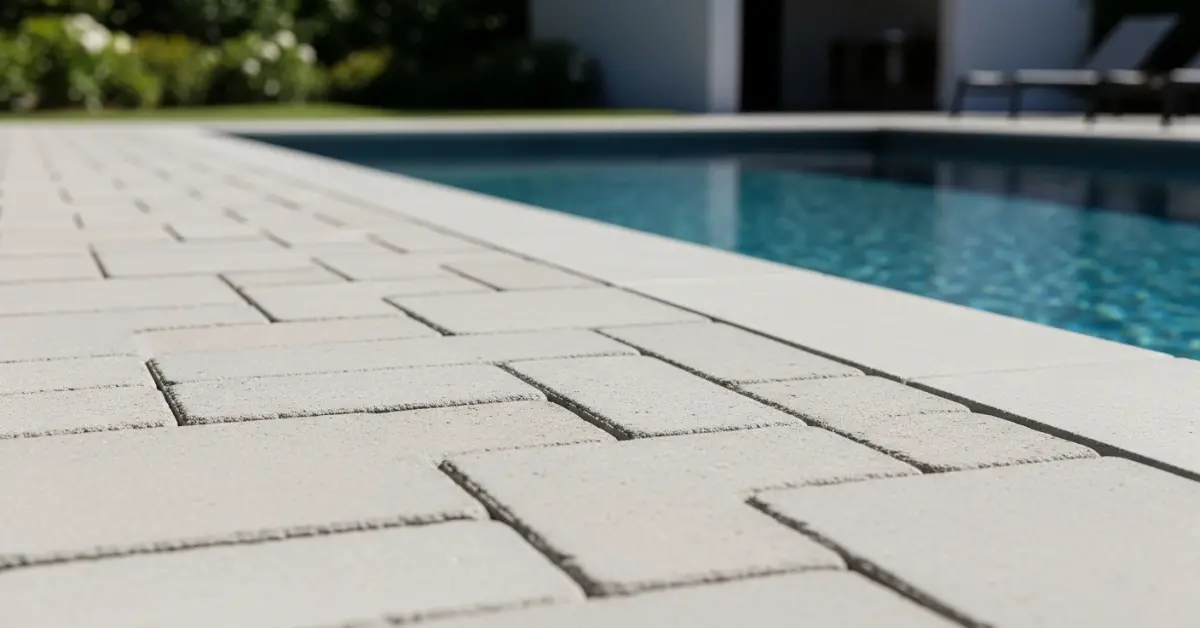
Outdoor Pavers Collier County: My Framework for Mitigating Sub-Tropical Degradation and Increasing Lifespan by 30%
My work installing outdoor pavers across Collier County, from luxury estates in Port Royal to sprawling lanais in Pelican Bay, has revealed a critical pattern of failure. The issue isn't the quality of the pavers themselves, but a fundamental misunderstanding of our unique sub-tropical environment. Standard installation methods designed for moderate climates fail catastrophically when faced with Collier County's trifecta of high humidity, intense UV radiation, and torrential rainfall, leading to paver subsidence, efflorescence, and rampant organic growth. I’ve engineered a specific protocol to counteract these local pressures directly. It’s not about just laying stone; it’s about creating a complete, engineered system that manages hydrostatic pressure from the ground up and shields the surface from atmospheric assault. This approach has consistently extended the functional and aesthetic life of paver installations, preventing the costly repairs I'm so often called in to perform on projects just a few years old.Diagnosing Premature Paver Failure: My Coastal Resilience Protocol
Before I lay a single paver, my process begins with a diagnostic phase that addresses the root causes of failure specific to Southwest Florida. I developed the Coastal Resilience Paver Protocol after witnessing a high-end travertine pool deck in Marco Island sink within two years due to an improperly compacted base that couldn't handle the seasonal water table fluctuations. The common "set it and forget it" approach simply doesn't account for our sandy, porous soil and extreme weather cycles. My protocol is built on identifying and neutralizing these threats from the outset.Technical Deep Dive: Base, Bedding, and Binders
The success of a Collier County paver project hinges on three elements often overlooked by general contractors. First is the sub-base compaction. I mandate a minimum of an 8-inch crushed concrete base compacted in lifts to a 98% proctor density. Crucially, I lay a non-woven geotextile fabric beneath this base. This is the single most important step to prevent the base aggregate from migrating into the native sandy soil, which is the primary cause of sinking and uneven surfaces. Second is material selection based on porosity. For waterfront properties exposed to salt spray, I specify low-porosity materials like high-density concrete pavers or specific sealed travertine to mitigate spalling and efflorescence. Finally, the jointing material. Standard sand is a recipe for disaster here. My protocol exclusively uses high-grade polymeric sand, which, when activated, hardens to form a durable yet flexible joint. This prevents weed and algae growth from our humid air and resists washout during the intense downpours of our rainy season.The 4-Phase Installation Sequence for Zero-Failure Paver Systems
Executing the installation requires a level of precision that goes far beyond industry norms. I've refined my process into four distinct phases, each with critical quality control checkpoints. Missing a single detail in one phase compromises the entire system.- Phase 1: Site Excavation and Soil Analysis. The initial excavation depth is calculated based not only on the paver and base thickness but also on the site's drainage characteristics. I assess the soil's percolation rate to determine if subsurface drainage is required, a common necessity for properties in lower-lying areas like East Naples.
- Phase 2: Base Engineering and Compaction. This is where the geotextile fabric is installed, followed by the aggregate base. Compaction is performed with a vibratory plate compactor, and I personally verify the density at multiple points. The base is graded with a minimum slope of 1/4 inch per foot away from any structures.
- Phase 3: Precision Setting and Jointing. Pavers are set on a 1-inch screeded bed of concrete sand. I maintain a consistent 1/8-inch gap to ensure proper polymeric sand infiltration. After setting, the polymeric sand is swept into the joints, the surface is compacted once more to lock the pavers, and the sand is meticulously activated with a fine water mist to avoid washout.
- Phase 4: Surface Sealing and Curing. After a 48-hour curing period for the jointing sand, I apply a two-coat, non-slip, UV-resistant sealer. The first coat penetrates and the second coat, applied perpendicularly to the first, provides a uniform protective film. This is non-negotiable for preserving color and integrity under the intense Florida sun.
Post-Installation Audits: Calibrating for Long-Term Performance
My job isn't finished when the last paver is sealed. A post-installation audit is critical. I check for any paver lippage (height variation between adjacent pavers) exceeding 1/16 of an inch using a straightedge. I also flood-test a section of the installation to verify the drainage slope is performing as designed. A costly lesson from an early project in a Naples golf community taught me that even a minor miscalculation in slope can lead to significant water pooling. Finally, I inspect the surface for any residual polymeric haze and ensure the client understands the simple cleaning requirements to maintain the system's integrity for decades. Given the specific limestone aggregate base common in Southwest Florida, have you calculated the necessary adjustments in compaction depth to prevent long-term subsidence under your paver system?Written by

Tags
porcelain pavers outdoor
outdoor pavers for patio
outdoor pavers near me
outdoor travertine pavers
large outdoor pavers
Outdoor Pavers in Collier FL FAQ
Why are the pavers around my pool sinking and becoming uneven?
Sinking pavers are almost always caused by an unstable base, often from water erosion due to a pool leak or improper drainage. A small leak, even just 3 mm, can wash away the sand and gravel sub-base, creating voids that cause the pavers above to collapse. Simply adding more sand under the low paver is a temporary fix that ignores the root cause. The non-obvious issue is often a leaking skimmer body or a compromised underground return line right where the sinking occurs. A proper repair involves identifying and fixing the water source before rebuilding the compacted aggregate base and reinstalling the pavers.
My saltwater pool is leaving a white, chalky residue on my pavers. Is this damaging them?
This white residue is efflorescence, which is salt and mineral deposits left behind as water evaporates, and it is a common issue with saltwater pools. While mostly a cosmetic problem, persistent efflorescence can indicate excessive porosity in the paver, which can lead to spalling and surface degradation over time. The key is using a high-quality, dense paver sealed with a product specifically rated for saltwater environments. A common mistake is using a generic sealer which can trap moisture, worsen the white haze, and fail within a season. Proper sealing creates a hydrophobic barrier that prevents salt from penetrating the paver's surface.
What is the best type of paver to install around a swimming pool?
The best pavers for a pool deck are dense, have a low absorption rate, and a non-slip surface, with travertine and high-density concrete pavers being top choices. Lighter colors are also critical as they stay significantly cooler under direct sun than dark-colored pavers, which can become dangerously hot. A crucial factor many overlook is the paver’s resistance to salt and chlorine. Lower-quality concrete pavers can pit and degrade from constant exposure to pool chemicals. Always verify the manufacturer's specifications for compressive strength (ideally over 8,000 PSI) and suitability for poolside applications before purchasing.
Can I just power wash the old sand and weeds out from between my pavers and refill it?
Aggressively power washing paver joints is a common mistake that can destabilize the entire paver system and should be avoided. This action removes the essential jointing sand but can also blast away the crucial bedding sand layer underneath, causing pavers to wobble and shift. The correct method is to use a stiff-bristle broom and a gentler spray to clean the surface, then apply a high-quality polymeric sand. This type of sand contains a binding agent that hardens when activated with water, locking the pavers together, preventing weed growth, and resisting erosion far better than standard sand.
How can I prevent ants and weeds from coming up through the joints in my paver patio?
The most effective long-term solution for preventing weeds and ants is to use polymeric sand in the paver joints, not regular sand. Unlike loose sand which provides a perfect environment for seeds and insects, polymeric sand contains a polymer that hardens to form a durable, flexible bond that acts as a powerful deterrent. A key installation detail often missed is ensuring the paver surface is completely dry before sweeping the sand in, and then using a leaf blower to remove all excess dust from the paver tops before misting with water. Any residual polymer dust left on the surface can activate and cause a permanent haze.
Is it normal for my new pavers to have a slight color variation from one to another?
Yes, slight color and texture variations are a normal and intentional characteristic of high-quality concrete and natural stone pavers. These variations, known as efflorescence or natural mottling, are a result of the manufacturing and curing process and are designed to mimic the look of natural stone. To ensure a blended, natural appearance, a professional installer will pull pavers from several different pallets simultaneously during installation. If you notice dramatic, blocky patches of color, it likely means the installer worked from one pallet at a time instead of mixing them, which is a common but avoidable installation error.


