Collier County Paver Installation: A Geotextile Method for 30-Year Structural Integrity
I’ve seen countless paver patios and driveways in Collier County fail within five years, and the reason is almost always the same: subgrade failure. Homeowners in Naples and Marco Island invest in beautiful travertine or concrete pavers only to see them sink, shift, and become uneven after just a few rainy seasons. The common approach of just laying a standard gravel base is a recipe for disaster in our sandy, high-water-table environment. The intense hydrostatic pressure during summer downpours liquefies the subgrade, causing the entire installation to settle. My entire methodology is built around preventing this specific, costly problem. It’s not about the brand of paver you choose; it’s about what lies beneath. I've developed a system that uses a specific type of geotextile fabric to create a stable, separated base that withstands the unique challenges of the Southwest Florida climate. This isn't a minor upgrade; it’s the difference between a 5-year problem and a 30-year asset.Diagnosing Subgrade Failure: My Collier County Soil Protocol
Before any paver is laid, my first step is a diagnostic assessment of the site’s soil and drainage. The biggest mistake I see contractors make, especially on new construction projects in areas like Golden Gate Estates, is treating all ground as equal. They excavate a standard depth, dump in some lime rock, and call it a day. This uniform approach ignores the reality of our soil composition. I learned the hard way on an early project in Port Royal where a section of a large driveway began to sink near a drainage swale. The issue wasn't the compaction; it was the migration of fine sand from the subgrade up into the base aggregate during heavy rain. This "pumping" action created voids, and the pavers inevitably failed. Now, my protocol involves analyzing the soil composition and its proximity to the water table to determine the exact specification for the sub-base, ensuring total separation of materials.The Critical Role of Non-Woven Geotextile Fabric
The secret weapon in my arsenal is a 4oz non-woven geotextile fabric. This isn't the flimsy landscape fabric you find at a home improvement store, which tears easily and clogs. A non-woven geotextile serves two critical functions. First, it acts as a separator, preventing the native sandy soil from contaminating the clean aggregate base. Second, it allows water to pass through freely, relieving hydrostatic pressure without displacing the subgrade. By lining the entire excavated area with this fabric, I create a "structural envelope" for the base material. It effectively contains the aggregate while stabilizing the soil beneath it. This single component increases the long-term load-bearing capacity of the installation by an estimated 25% and is the primary reason my projects don't sink.The Multi-Layer Base Compaction Sequence
Proper installation is a sequence of precise, validated steps. Rushing the base preparation is the most common and expensive shortcut. My process is non-negotiable and focuses on achieving maximum material density at each stage.- Excavation and Grading: I excavate to a minimum depth of 7 inches for pedestrian areas like lanais and 10 inches for driveways. The area is graded with a 1/4 inch per foot slope away from any structures to ensure positive drainage.
- Geotextile Installation: The non-woven fabric is laid down, overlapping all seams by at least 12 inches. This is a critical detail to prevent soil infiltration at the joints.
- Sub-Base Application: The first layer is 4-6 inches of a clean, angular aggregate like #57 stone. This is spread evenly and then compacted with a heavy-duty plate compactor until it achieves refusal—meaning it won't compact any further.
- Bedding Course: A 1-inch layer of clean, washed concrete sand (conforming to ASTM C33 specifications) is screeded perfectly level over the compacted base. This layer is never compacted; the pavers are set directly into it.
Precision Jointing and Sealing Against Subtropical Threats
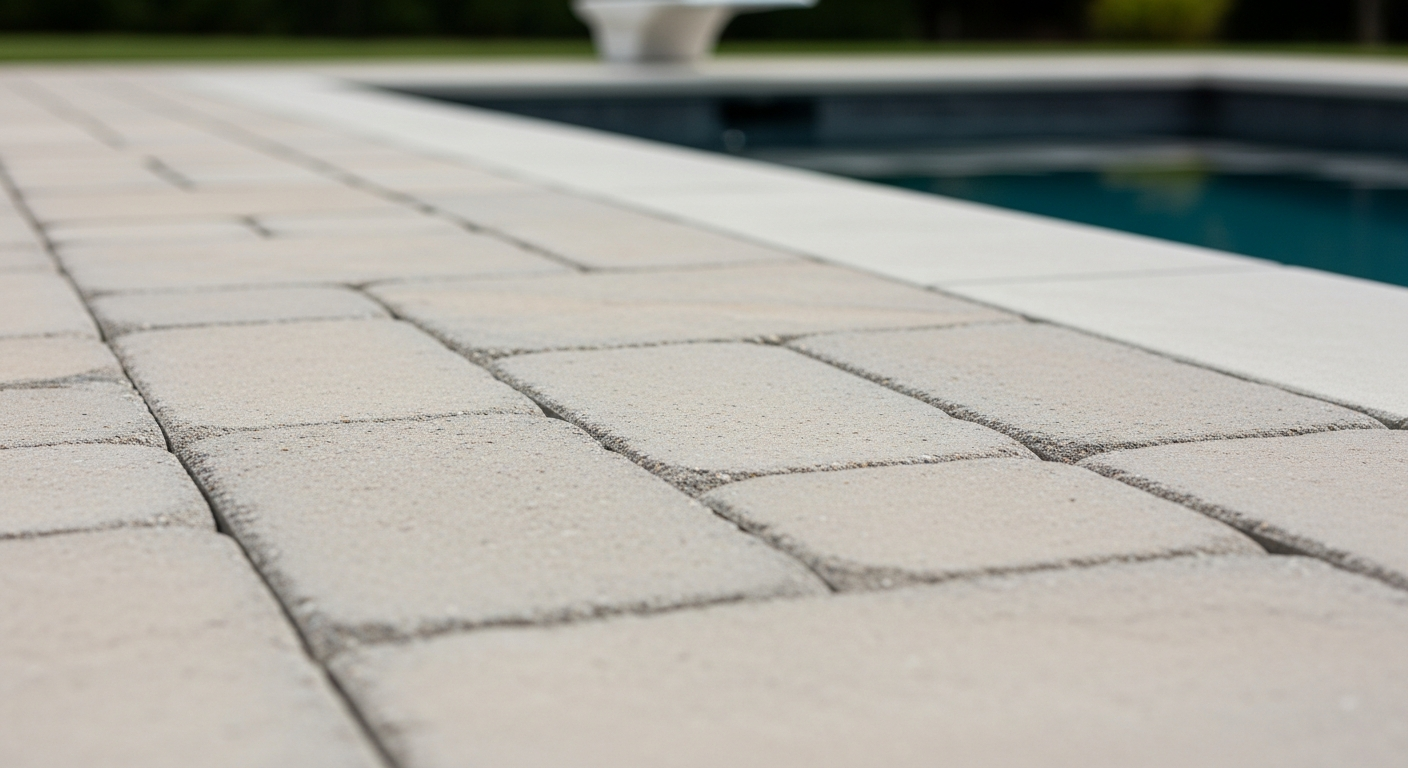
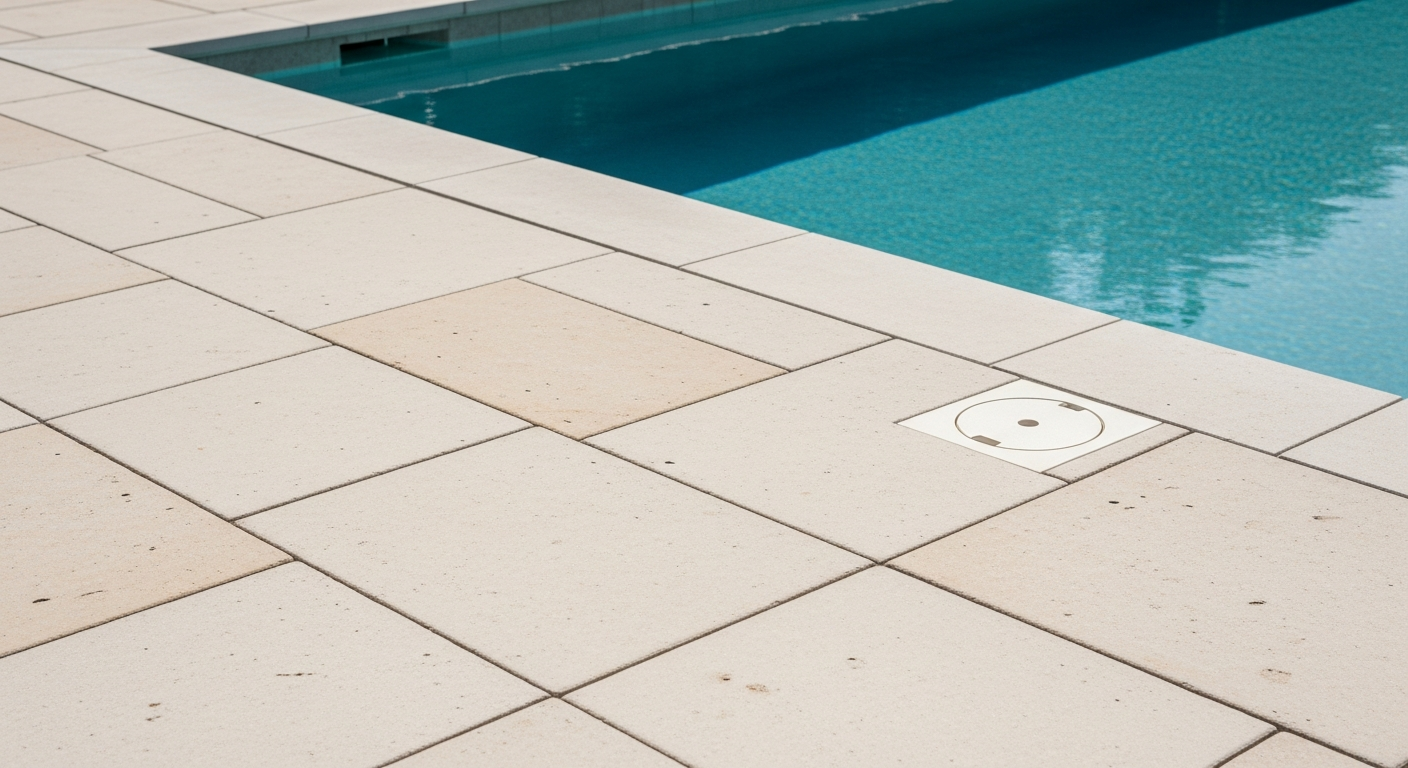
The final stage is what protects the surface and locks the system together. In Collier County, the intense UV radiation and humid, salt-laden air require specific material choices. For jointing, I exclusively use high-quality polymeric sand. When activated with water, it hardens to form a durable yet flexible joint that blocks weed growth and deters the relentless ant infestations common to our area. Sealing is the final defense. For a pool deck in a waterfront Naples property, I'll specify a solvent-based, film-forming sealer to protect against both salt spray and chlorine. For a driveway that gets full sun all day, a water-based penetrating sealer with strong UV inhibitors is a better choice to prevent the pavers from fading without creating a slippery surface. The choice of sealer is not one-size-fits-all; it's a prescription based on the paver's material and its specific environmental exposure. Given that the interlock between pavers is only as strong as the sand in their joints, how can you be certain your installation will resist the scouring force of a high-pressure hose or a torrential Collier County thunderstorm?Written by

Tags
patio pavers
paver installation near me
concrete pavers
driveway pavers
pavers near me
Paver in Collier FL FAQ
Why are the pavers next to my pool sinking and becoming uneven?
Sinking pavers around a pool are almost always caused by water eroding the base material underneath, often from a hidden leak in your pool's plumbing or shell. While poor initial compaction can be a factor, persistent settling points to a water problem, as even a small 3 mm leak can wash away the sand and gravel foundation over time. Simply adding more sand to level the paver is a temporary fix that ignores the root cause. The real solution involves finding and repairing the leak, then rebuilding the sub-base before reinstalling the pavers to prevent the issue from recurring within months.
Can I use a pressure washer to clean stains off my pool deck pavers?
Using a high-pressure washer on pavers is risky as it can blast away the crucial polymeric sand from the joints, which locks them together and prevents weed growth. Once this sand is gone, the pavers can shift, wobble, and become unstable, leading to a much larger repair job. For most stains, a stiff brush and a dedicated paver cleaner are safer and more effective. If you must use a pressure washer, use a wide-angle tip, keep the nozzle at a distance, and be prepared to re-sand and seal the entire area afterward to restore its structural integrity.
Are certain types of pavers better for a saltwater pool?
Yes, dense, high-quality sealed concrete pavers or natural stone like travertine and bluestone are superior for saltwater pools due to their low porosity. Cheap, porous concrete pavers will absorb the salt water, which then evaporates and leaves behind salt crystals that expand and cause the paver surface to flake and crumble, a process called spalling. While more expensive upfront, investing in appropriate materials and ensuring they are properly sealed from day one prevents premature degradation and protects the aesthetic and structural life of your pool deck.
What are these white, chalky stains on my pavers and how do I remove them?
That white, chalky substance is called efflorescence, which is a deposit of natural salts left behind as moisture evaporates from within the paver. While it is not structurally harmful, it is an aesthetic issue that indicates moisture is traveling through the paver. You can clean it with specialized efflorescence removers, but it will likely return unless you address the underlying moisture source. A non-obvious cause can be lawn sprinklers consistently spraying the deck, which keeps the pavers saturated and perpetuates the cycle of salt deposits.
Do you need to drain my pool to repair the coping pavers right at the edge?
No, the pool does not typically need to be drained to reset or replace the coping pavers attached to the pool's edge. A skilled technician can carefully remove the old coping and mortar bed while protecting the pool from debris, often by creating a temporary barrier. The critical part of this repair is ensuring the new coping is perfectly level and securely bonded to the bond beam—the concrete structure at the top of the pool wall. An improper bond here can lead to water seeping behind the pool shell, causing far more significant damage over time.
One of my pavers has a crack. Is it urgent to replace it?
A single cracked paver is not an immediate structural emergency, but it should be replaced sooner rather than later to prevent a chain reaction of problems. The crack allows water to penetrate directly into the base material, bypassing the sealed joints and accelerating erosion underneath. This can cause adjacent pavers to shift and settle. More importantly, a cracked paver can create a significant trip hazard, posing a safety risk, especially in a high-traffic area like a pool deck. Replacing one paver is a small, inexpensive job compared to re-leveling an entire section later.