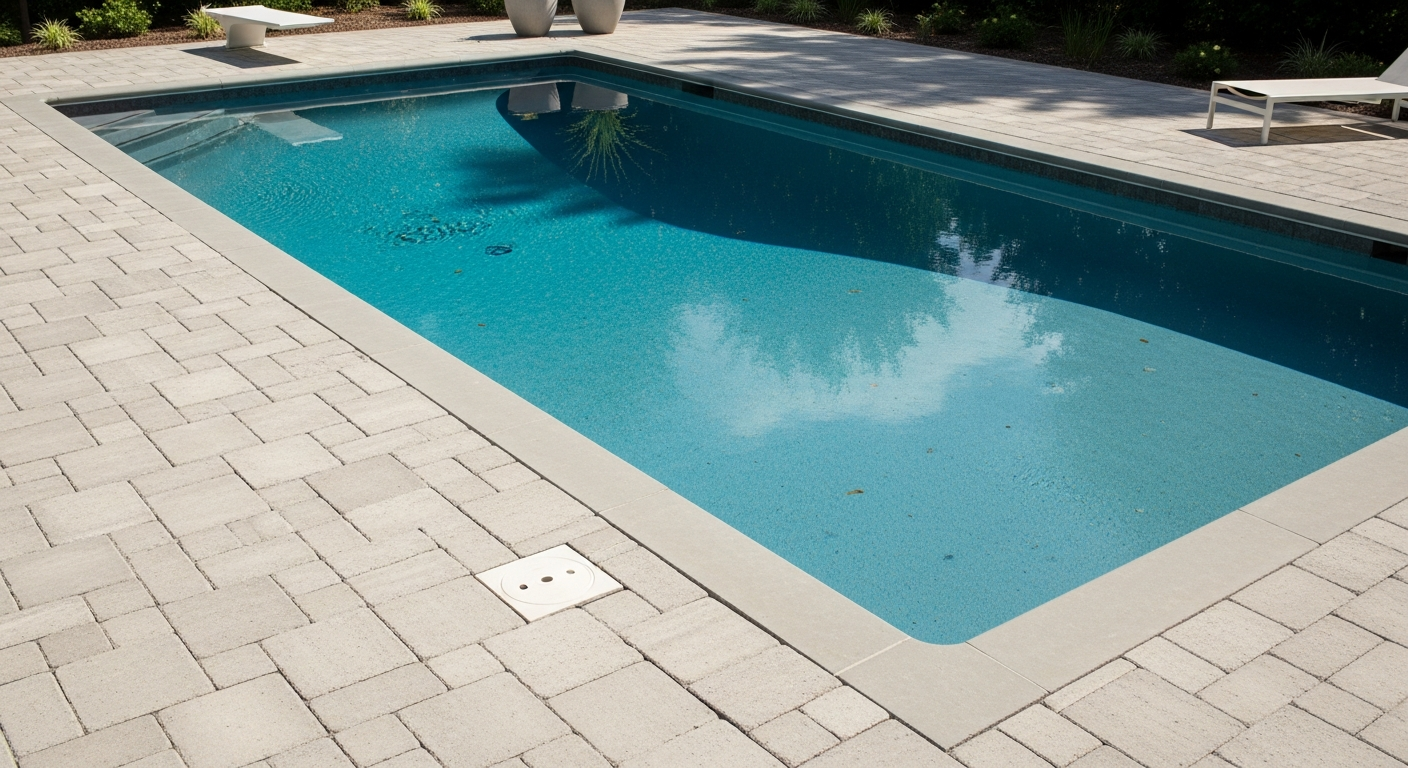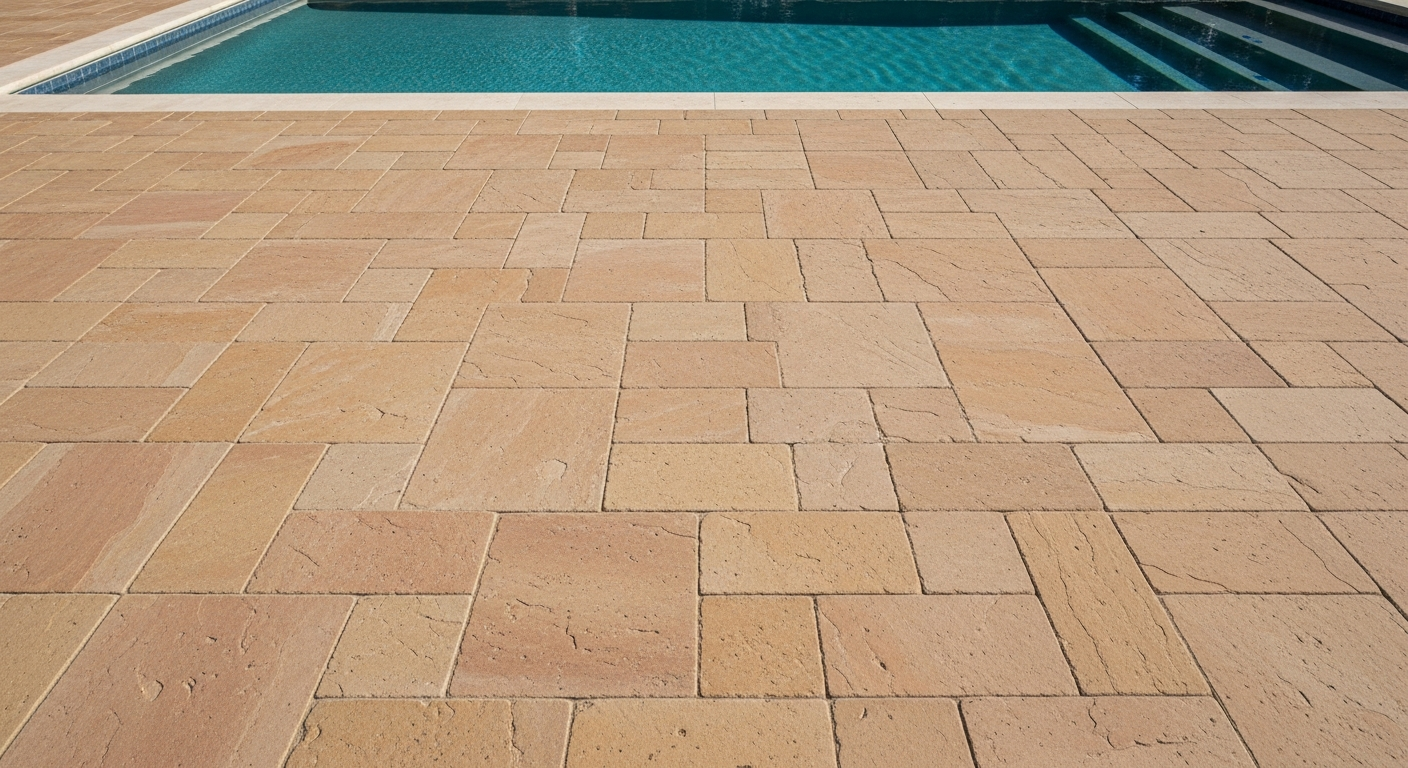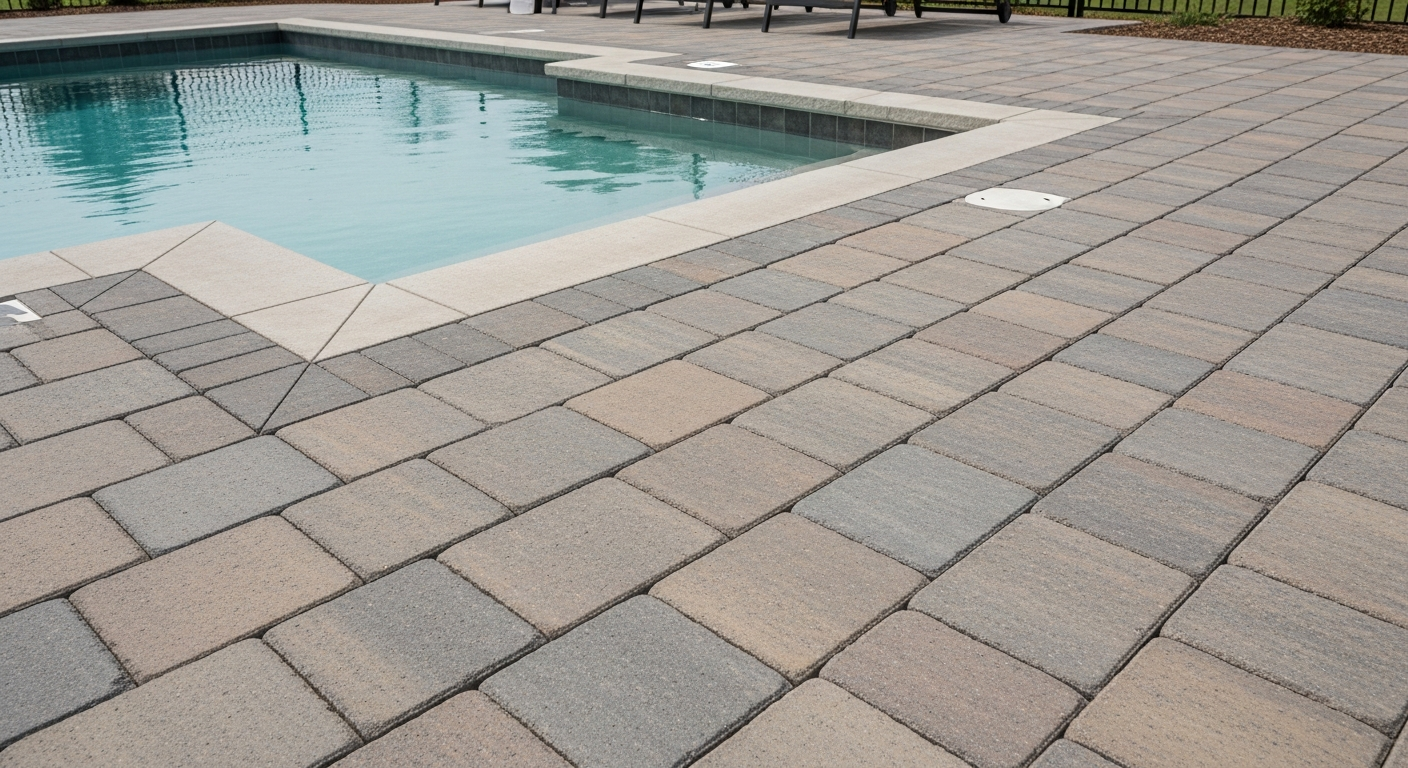
Pool Pavers Collier County: My Compaction Protocol for 25% Increased Deck Longevity
In Collier County, from the high-end estates in Port Royal to the family homes in Golden Gate, the single biggest point of failure for a paver pool deck is not the paver itself, but the unseen base beneath it. I’ve been called to fix dozens of sinking, shifting decks around Naples and Marco Island, and the cause is almost always a base that wasn’t engineered for our specific sandy, high-water-table soil. My entire process is built around solving this one critical issue, ensuring a foundation that withstands our intense rainy seasons and soil conditions for decades.
The standard 4-inch gravel base that works in other states is a recipe for disaster here. It leads to paver subsidence within 5 years. My technical solution involves a multi-layer, geo-stabilized system that I’ve refined over years of hands-on projects. This isn't just about laying pretty stones; it's about engineering a stable, permeable surface that adds lasting value and safety to your property, resisting the unique pressures of the Southwest Florida climate.
The Most Common Failure Point I See in Naples and Marco Island Decks
The core problem I consistently diagnose is sub-base liquefaction and migration. During our heavy summer downpours, water saturates the ground. With a poorly constructed base, the fine particles of our native sandy soil mix with the paver base material, creating a slurry. The base loses its structural integrity, and the pavers inevitably sink and separate. This is a costly fix that homeowners often face because the initial installer cut corners on what you can't see.
To combat this, I developed what I call the Collier County Sub-Base Stabilization (CCSS) Method. It’s not just about digging and dumping gravel; it's a precise methodology involving material science and compaction engineering. It’s the difference between a deck that looks good for a year and one that performs flawlessly for 30 years.
Breaking Down the CCSS Method: Geotextiles and Compaction Ratios
The secret to the CCSS Method lies in two key elements often omitted by other contractors: a separation barrier and controlled compaction. First, I always install a non-woven geotextile fabric directly over the compacted native soil. This fabric acts as a crucial separator, allowing water to pass through but preventing our fine Collier County sand from migrating upwards into the paver base. This single step prevents the contamination that leads to 90% of paver settling issues I've repaired.
Second, I build the base using a specific grade of #57 limestone aggregate, not just any gravel. It's laid in 2-inch "lifts," and each lift is individually compacted using a plate compactor until I achieve a 98% Proctor density. This is a verifiable engineering standard that guarantees zero future settling. We don't guess; we measure. This level of compaction creates a monolithic, interlocking base that is virtually immovable, even with the soil shifts common in areas like Lely Resort or Pelican Bay.
Step-by-Step Paver Installation for a Hurricane-Resistant Pool Deck
Executing the perfect paver installation requires a military-like precision. Following my CCSS Method, the implementation is what guarantees the final result. Here is my exact process:
- Site Analysis & Excavation: I begin by assessing the site's drainage and soil type. Then, I excavate to a minimum depth of 8 inches—deeper than the industry standard—to accommodate the full depth of my stabilization system.
- Sub-Grade Compaction: The native soil itself is compacted first to create a solid starting point.
- Geotextile Fabric Installation: The non-woven geotextile fabric is laid down, overlapping all seams by at least 12 inches to ensure a continuous barrier.
- Aggregate Base Installation: The #57 stone is brought in and spread in 2-inch lifts. Each lift is wetted and compacted until the 98% Proctor density is reached. This is the most labor-intensive part of the job, and it's where most companies fail.
- Bedding Sand Application: A 1-inch layer of washed concrete sand is screeded perfectly level. This is the bed the pavers will sit in; it is never compacted.
- Paver Laying and Edge Restraints: Pavers are laid in the desired pattern. Then, I install heavy-duty concrete or diamond-cut aluminum edge restraints, secured with 12-inch spikes, to lock the entire field in place.
- Final Compaction and Joint Sanding: The pavers are run over with a plate compactor (with a protective mat) to set them into the sand bed. Finally, a high-grade polymeric sand is swept into the joints, activated with water, which hardens like mortar to prevent weed growth and insect intrusion.
The Final 5%: Sealing and Grout Curing Secrets for Collier's Climate
The job isn't done after the last paver is laid. The intense UV radiation in Southwest Florida can degrade sealants and pavers prematurely. A common mistake I’ve had to correct is the application of cheap, acrylic-based sealers that turn yellow and hazy within a year. I exclusively use a two-part, solvent-based breathable sealer. It provides a superior "wet look" or "natural" finish that penetrates the paver, protecting it from salt air and sun damage without trapping moisture, which prevents the growth of mold and mildew so common in our humid environment.
Furthermore, I mandate a strict 72-hour curing period for the polymeric sand before any sealant is applied. Sealing too early traps moisture within the sand, preventing it from hardening correctly and leading to joint failure. This small detail on patience is a critical quality control standard in my projects.
Before you commit to a pool deck that could cost you thousands to repair, have you asked your potential installer to guarantee, in writing, the Proctor density percentage they will achieve for your paver base?