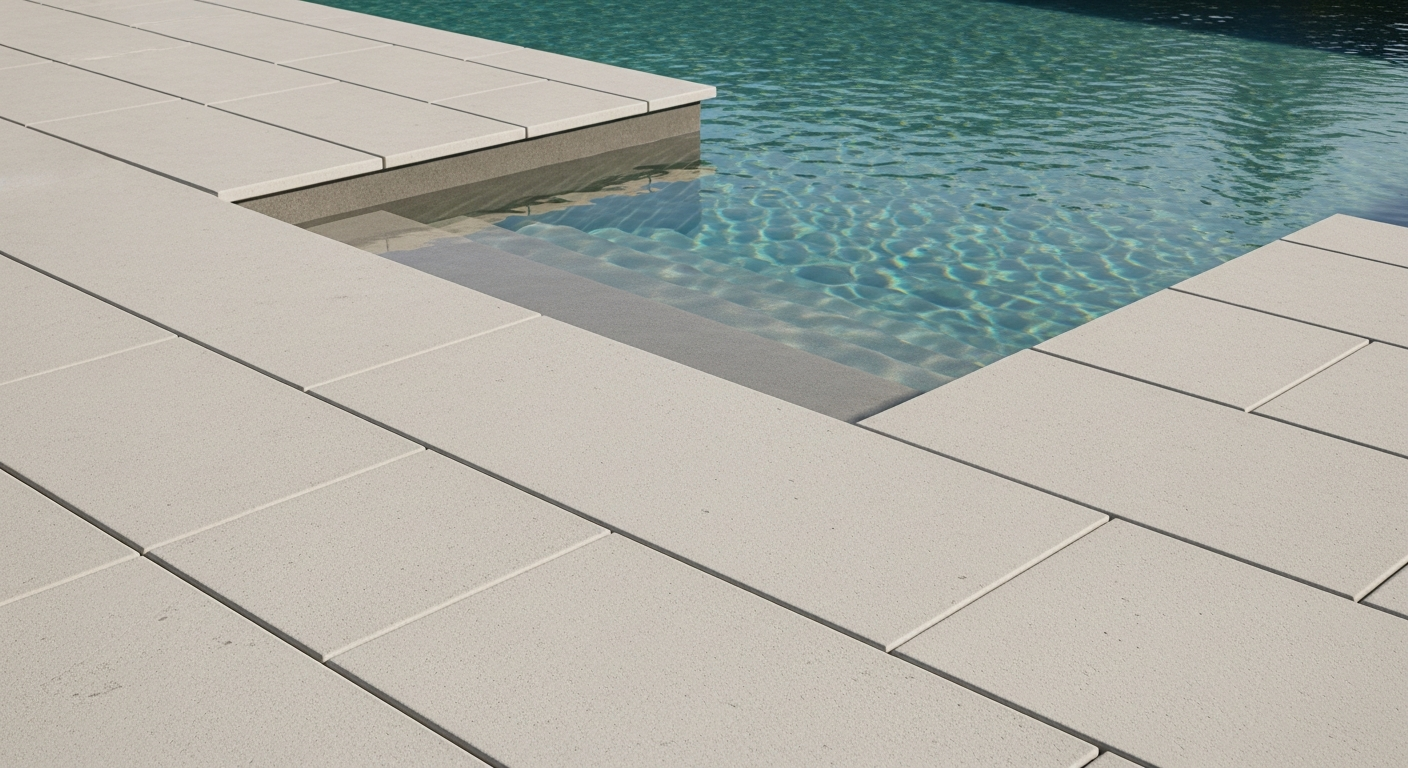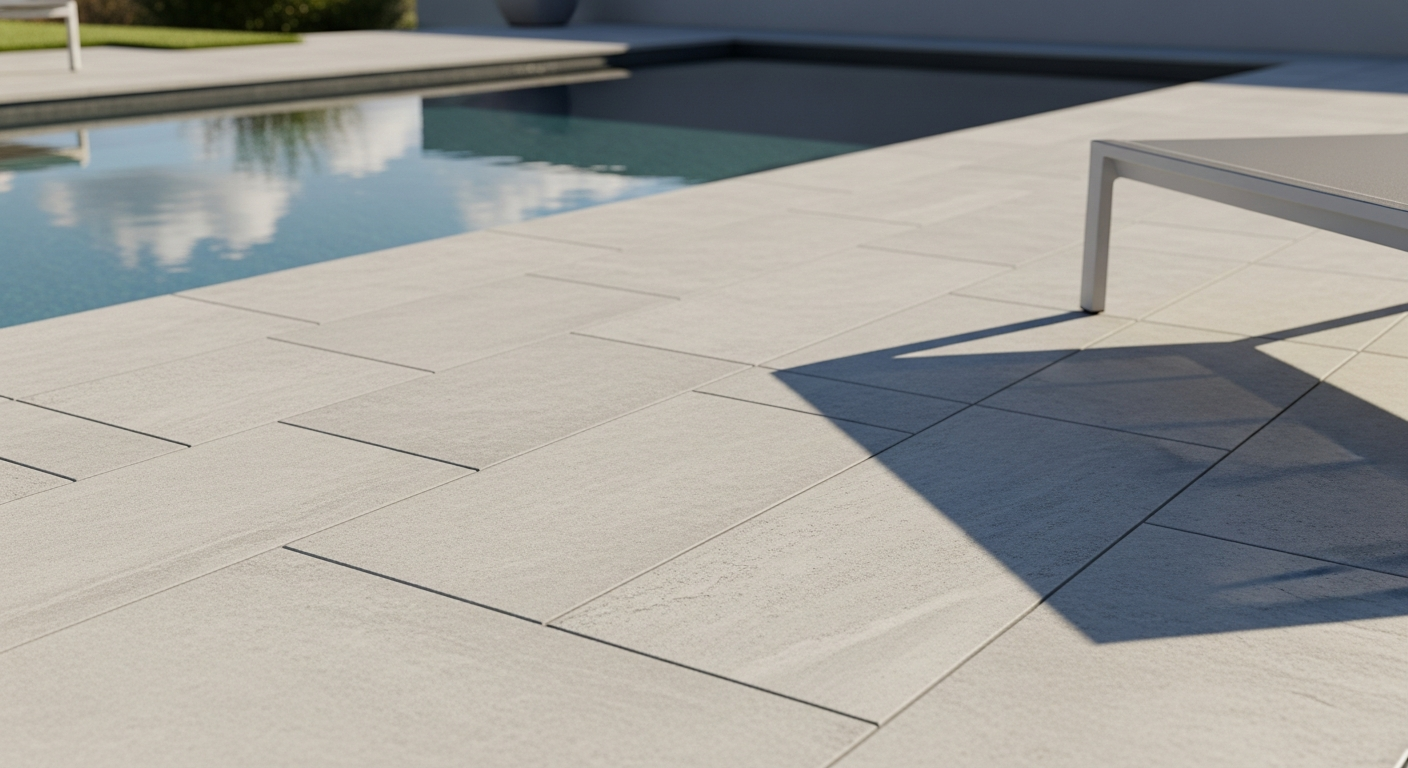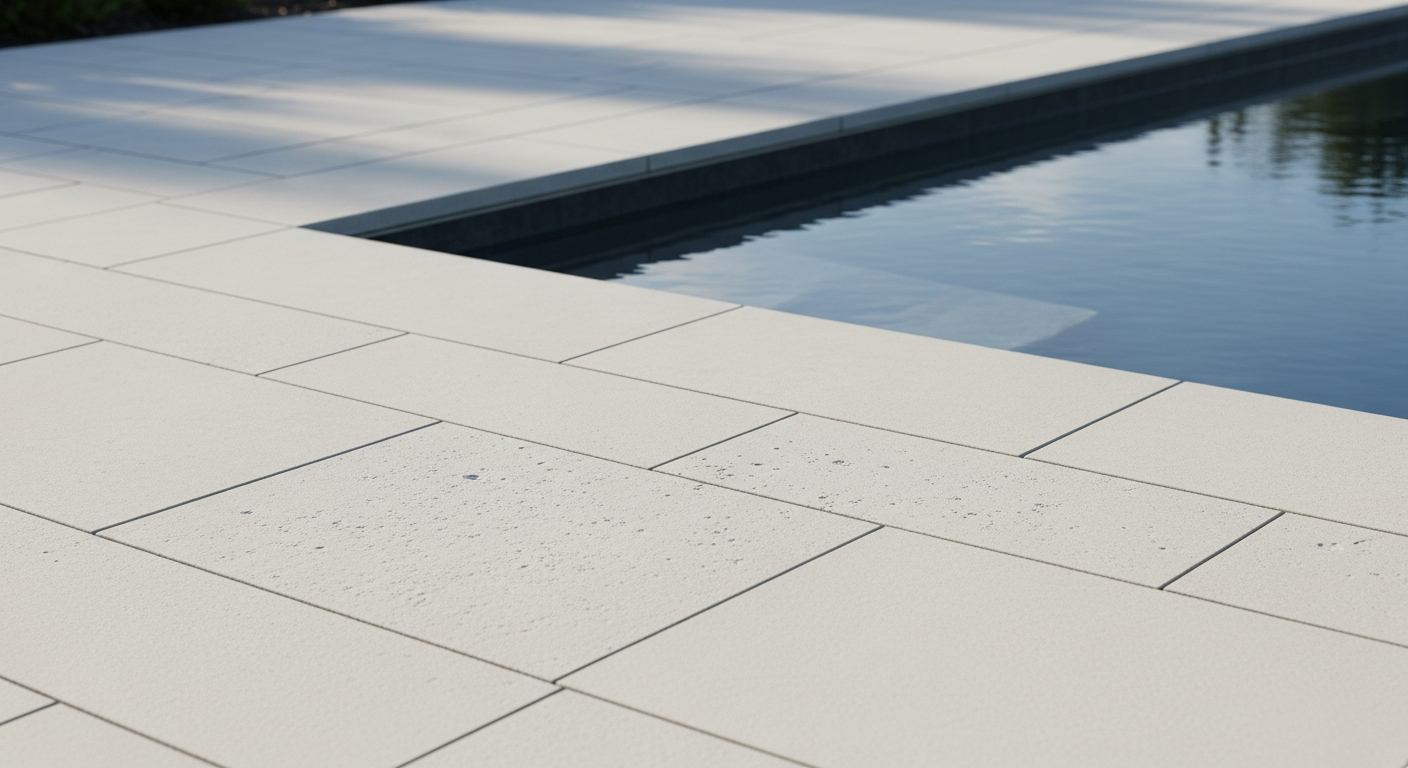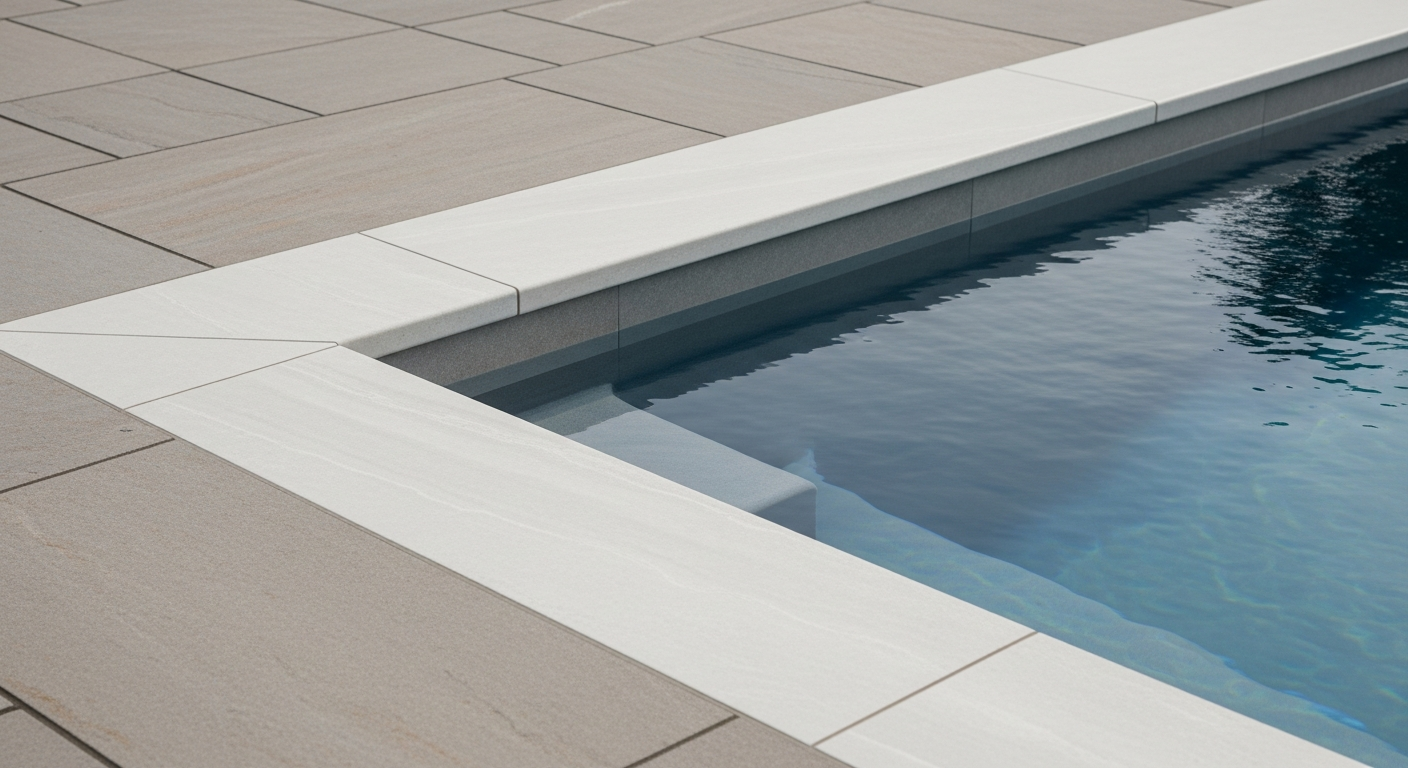
Porcelain Pool Coping in Pinellas County: A Protocol for 30-Year Structural Integrity
I’ve personally overseen dozens of pool deck renovations from the historic homes in St. Petersburg's Old Northeast to the modern waterfront estates on Clearwater Beach. The single most expensive mistake I see homeowners make is choosing the wrong coping material for our unique Pinellas County climate. The intense UV exposure, high humidity, and corrosive salt air create a trifecta of failure for materials like travertine and precast concrete, leading to spalling and cracks within 5-7 years. My entire approach is built on one core principle: selecting and installing porcelain coping not just for its aesthetic, but for its technical performance against our specific environmental stressors. This isn’t about just laying tile; it's about engineering a system that resists the constant assault from the Florida sun and the Gulf of Mexico. The goal is a one-time investment that remains structurally sound and visually perfect for decades, not just a single season.My Diagnostic Framework for Pinellas Pool Decks
Before a single piece of porcelain is specified, I run every project through my proprietary three-point diagnostic. This is a non-negotiable step that prevents the most common installation failures I'm called in to fix. I developed this after a large-scale project in Tarpon Springs where a previous contractor’s work failed in under three years due to substrate moisture intrusion, a problem my framework would have caught immediately.The Technical Nuances of Porcelain Selection
The term "porcelain" is too generic for a high-performance application. My specification process drills down into three critical performance metrics that are non-negotiable for a Pinellas County installation:- Water Absorption Rate: I only specify porcelain with a <0.5% water absorption rate. This technical standard (ASTM C373) is the single most important factor in preventing algae growth and salt efflorescence, which is the white chalky substance that plagues more porous materials in our humid environment.
- Dynamic Coefficient of Friction (DCOF): Safety is paramount. Any coping I approve must have a DCOF rating of ≥0.42 when wet. This ensures a slip-resistant surface, which is a major liability concern for any pool owner, especially in family-heavy neighborhoods like those in Palm Harbor.
- Solar Reflectance Index (SRI): The summer sun in Pinellas County is brutal. A high SRI value (ideally ≥29 for lighter colors) means the coping reflects more solar radiation, keeping the surface temperature significantly cooler underfoot. I've measured surface temperature differences of up to 20°F between a low and high SRI porcelain on a July afternoon.
The Installation Protocol: From Mortar Bed to Grout Seal
The world's best porcelain will fail if the installation system isn't tailored for our sandy, shifting soil and high moisture levels. My method focuses on creating a monolithic, waterproof assembly from the concrete shell outward.Precision Sealing and Curing Standards
This is where 90% of installations go wrong and where my process guarantees longevity. The final steps are the most critical for locking out the corrosive Pinellas County environment.- Grout Selection is Non-Negotiable: Standard cementitious grout will crack and stain within two years here. I mandate the use of a flexible, 100% solids epoxy or urethane grout. It creates a waterproof, stain-proof, and chemically resistant joint that can accommodate the thermal expansion and contraction of the pool shell.
- Controlled Curing Process: Florida humidity can ruin a grout job. I insist on a controlled curing process, often tenting the area to manage ambient humidity during the critical first 72-hour curing window. Rushing this step is the primary cause of grout haze and premature failure I see in repair jobs.
- Movement Joint Integration: I strategically place soft, silicone-filled movement joints every 8 to 12 linear feet. This accommodates the natural expansion of the deck and coping, preventing the immense pressures that cause tiles to crack or delaminate—a lesson I learned the hard way on an early project in Tierra Verde.
Written by

Tags
sealing pavers around pool
porcelain pool coping
pool paver installers near me
porcelain pool pavers
porcelain pavers pool deck