Pool Automation Systems: My Framework for a 30% Reduction in Chemical Costs and Extended Equipment Lifespan
As a pool automation specialist, I've audited dozens of high-end residential and commercial installations. The single most common failure I encounter isn't hardware malfunction; it's a fundamental misunderstanding of the system's purpose. Most installers treat automation as a glorified timer, setting static schedules and walking away. This leaves a massive amount of efficiency and equipment longevity on the table.
My approach is radically different. I reframe the system from a static scheduler to a dynamic, responsive ecosystem. The goal is not just to turn the pump on and off, but to achieve and maintain perfect water chemistry and hydraulic efficiency with minimal human intervention. This shift in philosophy is what consistently allows my clients to see a real ROI, often reducing chemical consumption by over 30% and extending the life of their variable-speed pumps by years.
The Core Diagnostic: Shifting from Schedule-Based to Sensor-Driven Control
My proprietary methodology, which I call the "Dynamic Equilibrium Protocol," begins with a diagnostic of the pool's entire hydraulic and chemical profile. The mistake I see in 9 out of 10 "automated" pools is that the pump's schedule is completely disconnected from the sanitizer's needs. The pump runs for 8 hours, and the chlorinator runs for 8 hours, regardless of bather load, sun exposure, or water temperature. This is incredibly wasteful.
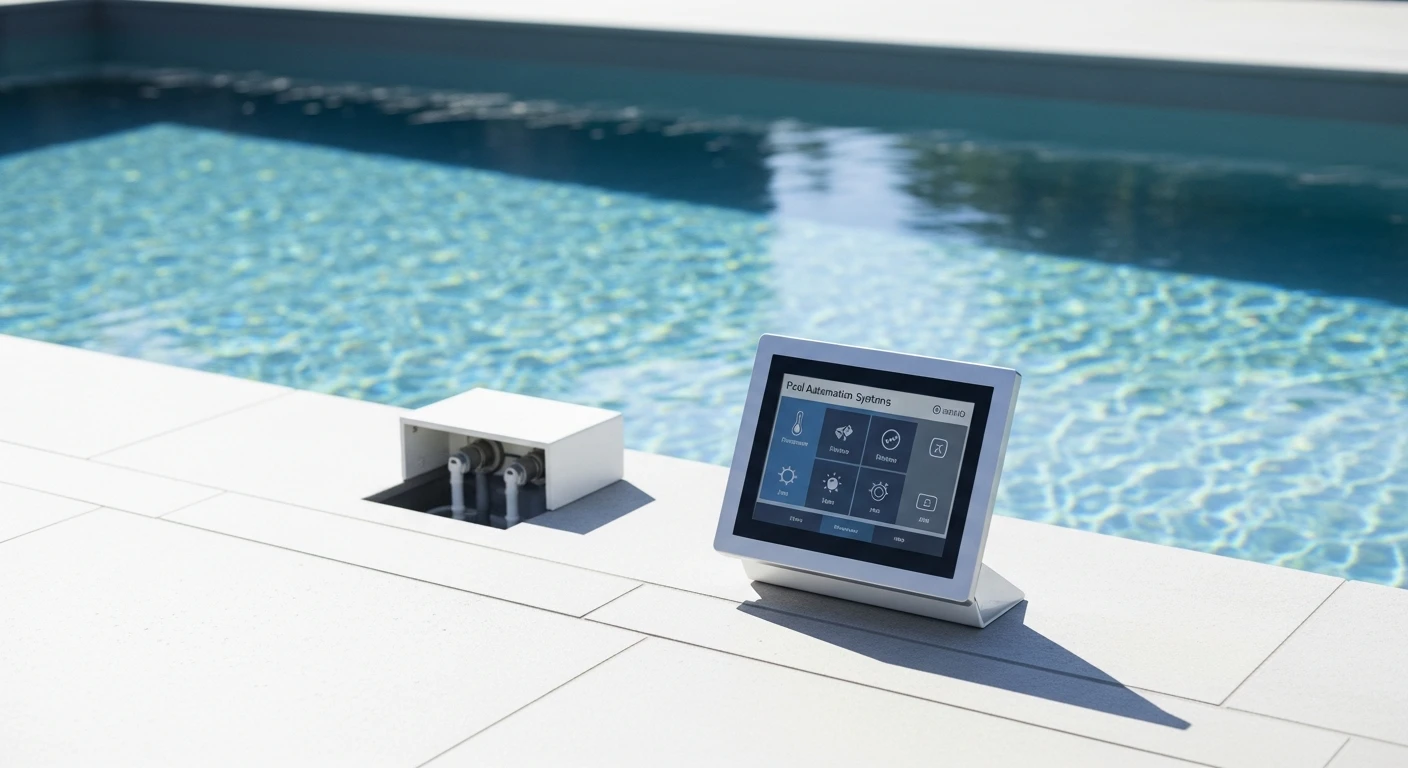
The protocol I developed moves the system's logic away from fixed timers. Instead, we use real-time data from sensors to make decisions. The central controller's primary job is no longer to just "run a schedule" but to actively monitor inputs and adjust outputs to maintain a series of pre-defined setpoints. This means the Variable Speed Pump (VSP), sanitizer generator, and heater all work in concert, driven by actual conditions, not by a guess I made on a Tuesday afternoon.
Technical Deep-Dive: ORP, VSP Synergy, and Flow Calibration
The heart of my protocol lies in three critical integrations. First is the proper installation and calibration of ORP (Oxidation-Reduction Potential) and pH sensors. I insist on placing these sensors *after* the filter, heater, and any other equipment, but well before the point of chemical injection. Placing them too close to a return line where chlorine is introduced is a rookie mistake I've had to fix on multi-million dollar projects; it gives you wildly inaccurate readings. The ORP sensor becomes the primary driver for the sanitizer, telling it to produce chlorine only when the potential drops below our target, for example, 650mV.
Second is achieving true synergy with the Variable Speed Pump (VSP). Instead of just running it at a low RPM for a long time, I program multiple circuits for specific tasks. The "Filtration" circuit might run at a low 1500 RPM to achieve the required daily turnover rate at maximum efficiency. But a "Heating" circuit will be programmed to run at a higher 2400 RPM, because most heaters have a minimum flow rate requirement for their pressure switch to engage. The automation controller intelligently calls for the correct RPM based on the task, eliminating the inefficiency of running the pump too fast or too slow for the job at hand.
Finally, I perform a mandatory flow meter calibration. Most automation systems *estimate* flow based on the pump's power draw and RPM. This is often inaccurate. By installing a true flow meter and calibrating the system, we know exactly how many gallons are being circulated. This allows us to program for a precise daily turnover rate—a far more accurate metric for water health than simple runtime hours.
Implementation Blueprint: The On-Site Integration Checklist
Executing the Dynamic Equilibrium Protocol requires a methodical, step-by-step approach. I never deviate from this checklist, as skipping a single step can compromise the entire system's integrity.
- Pre-Installation Hydraulic Audit: Before installing any hardware, I calculate the pool's volume and the system's total dynamic head. This informs all subsequent RPM and flow rate programming.
- Central Controller Mounting: The main panel is installed in a weather-protected area with clean, dedicated power. Poor power quality is a leading cause of phantom issues.
- Actuator Valve Installation: All valve actuators are installed and labeled clearly within the system's interface (e.g., "Skimmer," "Main Drain," "Spa Spillway").
- Sensor Manifold Plumbing: I install a dedicated plumbing manifold for the pH and ORP sensors. This allows for easy removal for cleaning and calibration without shutting down the entire system. This is non-negotiable.
- VSP & Heater Communication Link: I establish a hardwired data connection between the controller and the VSP and heater. Relying on high-level voltage relays is an outdated method that sacrifices crucial diagnostic data and efficiency control.
- System Power-Up and Calibration:
- Calibrate all temperature and flow sensors against trusted external instruments.
- Calibrate the pH and ORP probes using proper buffering solutions.
- Program the initial VSP schedules and chemical setpoints based on the audit.
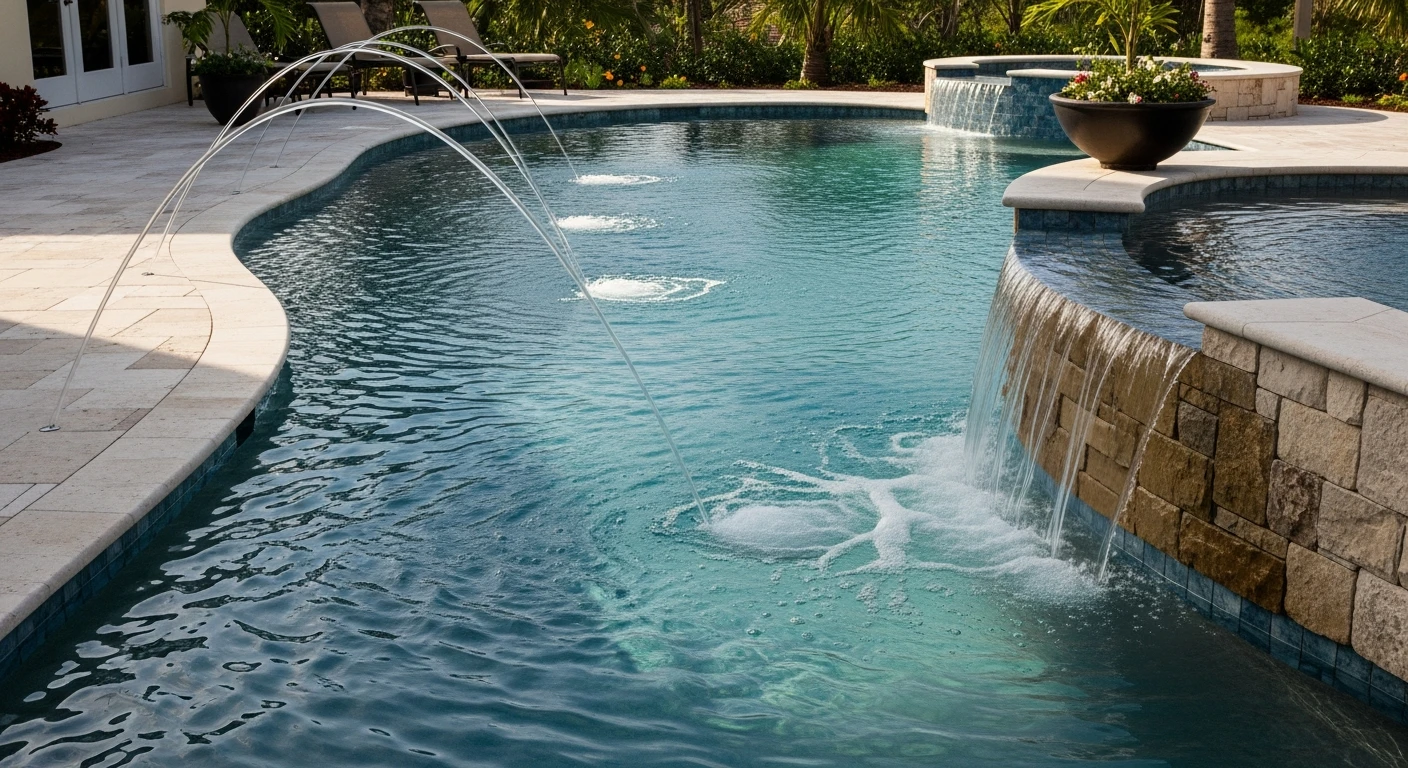
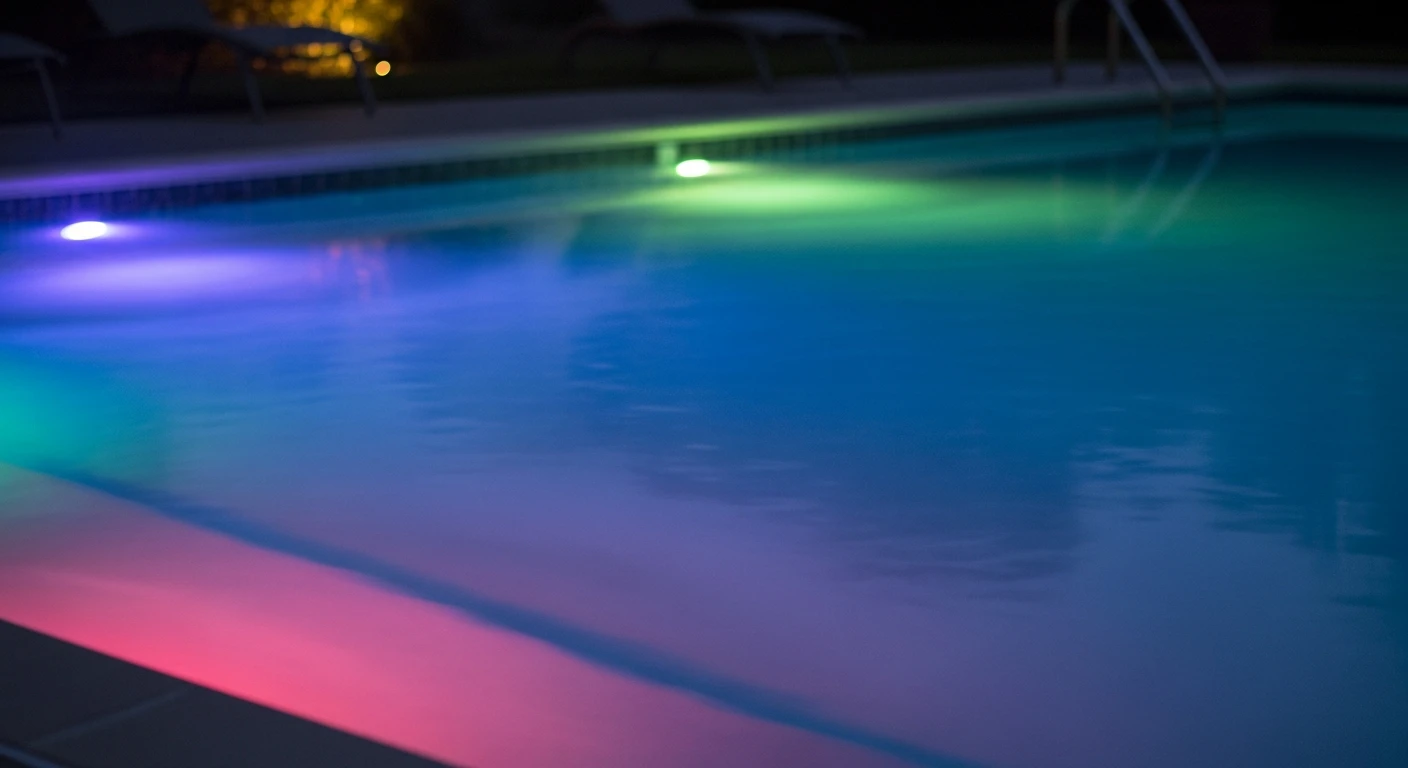
- Verify that every feature, from lights to water features, responds correctly to commands from the controller interface.
Tags
pool automation
pool control systems
swimming pool automation
best swimming pool automation system
Pool Automation Systems FAQ
What is a pool automation system?
A pool automation system is a technology that allows you to control and monitor your pool's temperature, lighting, pumps, and other features remotely using a smartphone app or a web interface. This system enables you to automate and optimize your pool's maintenance, ensuring a safe and enjoyable swimming experience.
How does a pool automation system work?
A pool automation system works by connecting to your pool's equipment and sensors, such as temperature and pH sensors, and allowing you to control and monitor them remotely. The system can also integrate with other devices, such as lights and pumps, to automate their operation.
What are the benefits of installing a pool automation system?
Installing a pool automation system can provide numerous benefits, including increased convenience, improved safety, and enhanced energy efficiency. With a pool automation system, you can control your pool's temperature, lighting, and pumps from anywhere, at any time, and receive notifications when maintenance is required. This can help reduce the risk of accidents and save you time and money on maintenance and energy costs.
Is a pool automation system expensive?
The cost of a pool automation system can vary depending on the type and complexity of the system, as well as the size and location of your pool. However, many pool automation systems are designed to be affordable and offer a cost-effective solution for pool owners who want to improve their pool's maintenance and safety.
Can I install a pool automation system myself?
While it is possible to install a pool automation system yourself, it is generally recommended that you hire a professional to do the installation. Pool automation systems require specialized knowledge and expertise to ensure that they are installed correctly and function properly. Our team of experts is trained to install and configure pool automation systems to meet your specific needs and ensure your pool operates safely and efficiently.
What kind of support do you offer for your pool automation systems?
We offer comprehensive support for our pool automation systems, including technical support, maintenance, and repair services. Our team is available to assist you with any questions or issues you may have, and we offer regular software updates to ensure your system remains up-to-date and functioning properly.
Can I integrate my pool automation system with other smart devices in my home?
Yes, many pool automation systems can be integrated with other smart devices in your home, such as smart thermostats, lighting systems, and security systems. This allows you to control and monitor your pool and other devices from a single interface, making it easier to manage your home's automation and smart devices.
Is my pool automation system secure?
Yes, our pool automation systems are designed with security in mind. Our systems use advanced encryption and secure authentication protocols to protect your data and ensure that only authorized users can access your pool and its settings. We also offer regular software updates to address any security vulnerabilities and keep your system up-to-date and secure.
Can I customize my pool automation system to meet my specific needs?
Yes, our pool automation systems can be customized to meet your specific needs and preferences. We offer a range of features and options that can be tailored to your pool's unique requirements, such as customized sensors, pumps, and lighting systems. Our team is happy to work with you to design a system that meets your specific needs and ensures your pool operates safely and efficiently.
Do you offer any warranties or guarantees for your pool automation systems?
Yes, we offer a comprehensive warranty and guarantee for our pool automation systems. Our systems are designed to be reliable and durable, and we stand behind their performance and quality. We also offer a satisfaction guarantee, which means that if you're not happy with your pool automation system, we'll work with you to resolve any issues and ensure your satisfaction.