Pool Cleaning Service: My Biofilm Eradication Protocol for Crystal-Clear Water and 30% Less Chemical Use
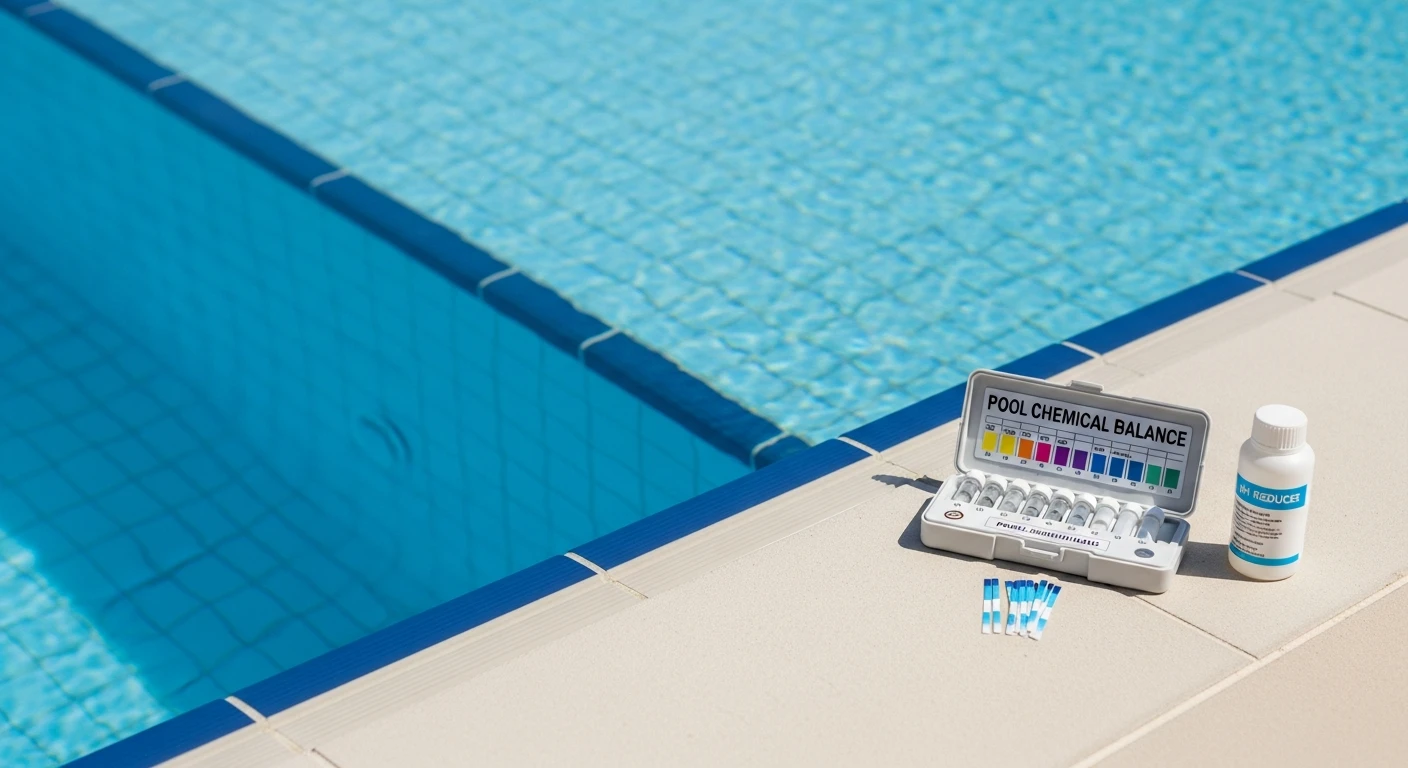
I’ve seen it a hundred times: a client's pool chemistry report shows perfect pH and chlorine levels, yet the water remains stubbornly cloudy and algae blooms are a constant threat. The standard industry response is to add more chemicals, a costly and often ineffective cycle. This is where most pool services fail, because they are treating the symptoms, not the root cause: an invisible layer of bacterial slime known as biofilm.
After years of battling these "problem pools," I threw out the conventional playbook and developed my proprietary methodology. My approach isn't about chasing numbers on a test strip; it's about systematically destroying the protective environment where contaminants thrive. This protocol has consistently allowed my clients to achieve pristine water clarity while reducing their overall chemical consumption by an average of 30-35%, directly impacting their operational costs and extending the life of their equipment.
Beyond the Test Strips: My Diagnostic Framework for Problem Pools
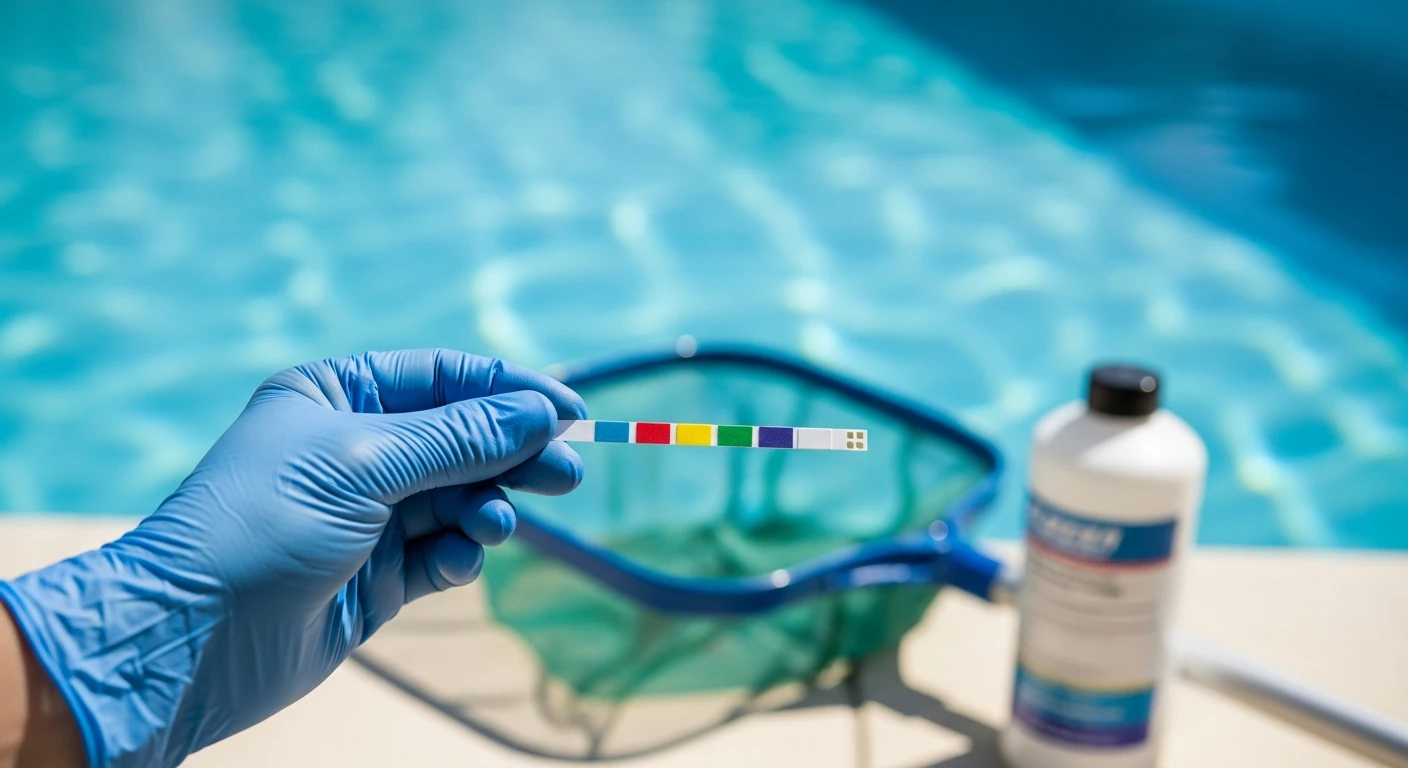
The biggest mistake I made early in my career was trusting the surface-level data from basic water testing kits. A pool can be perfectly "balanced" on paper and still be biologically unhealthy. I identified this critical gap on a large commercial project—a resort pool that was constantly failing health inspections despite a state-of-the-art chemical automation system. The issue was a resilient biofilm coating the pipes and filter media, which standard shocking couldn't penetrate.
My diagnostic framework, the Biofilm Eradication Blueprint, is a multi-point analysis that goes far deeper. It's built on the principle that you cannot manage what you do not measure. Instead of just pH and free chlorine, I focus on three often-ignored key performance indicators: the Langelier Saturation Index (LSI), Total Dissolved Solids (TDS), and, most critically, phosphate levels. These metrics tell the true story of the water's health and its potential to harbor bacteria.
The Chemistry of "Clean": Deconstructing Biofilm and Chlorine Lock
To understand why my method works, you have to understand the enemy. Biofilm is a colony of microorganisms that attaches to pool surfaces and secretes a protective polysaccharide slime. This slime is highly resistant to chlorine. You can pour gallons of shock into a pool, and much of it will be consumed by the outer layer of this slime, never reaching the bacteria within. This leads to a massive waste of chemicals and a false sense of security.
The problem is compounded by a phenomenon I frequently encounter called chlorine lock. This occurs when cyanuric acid (CYA), a stabilizer, builds up to excessive levels (typically above 80 ppm). While CYA protects chlorine from the sun, too much of it binds to the free chlorine, dramatically reducing its sanitizing effectiveness, or its Oxidation-Reduction Potential (ORP). Essentially, you can have plenty of chlorine in the water, but it's shackled and unable to do its job against the fortified biofilm.
The 4-Phase Implementation Protocol
Once the diagnosis is complete, I move to a systematic, four-phase execution. Ordering these steps correctly is non-negotiable; performing them out of sequence will nullify the results.
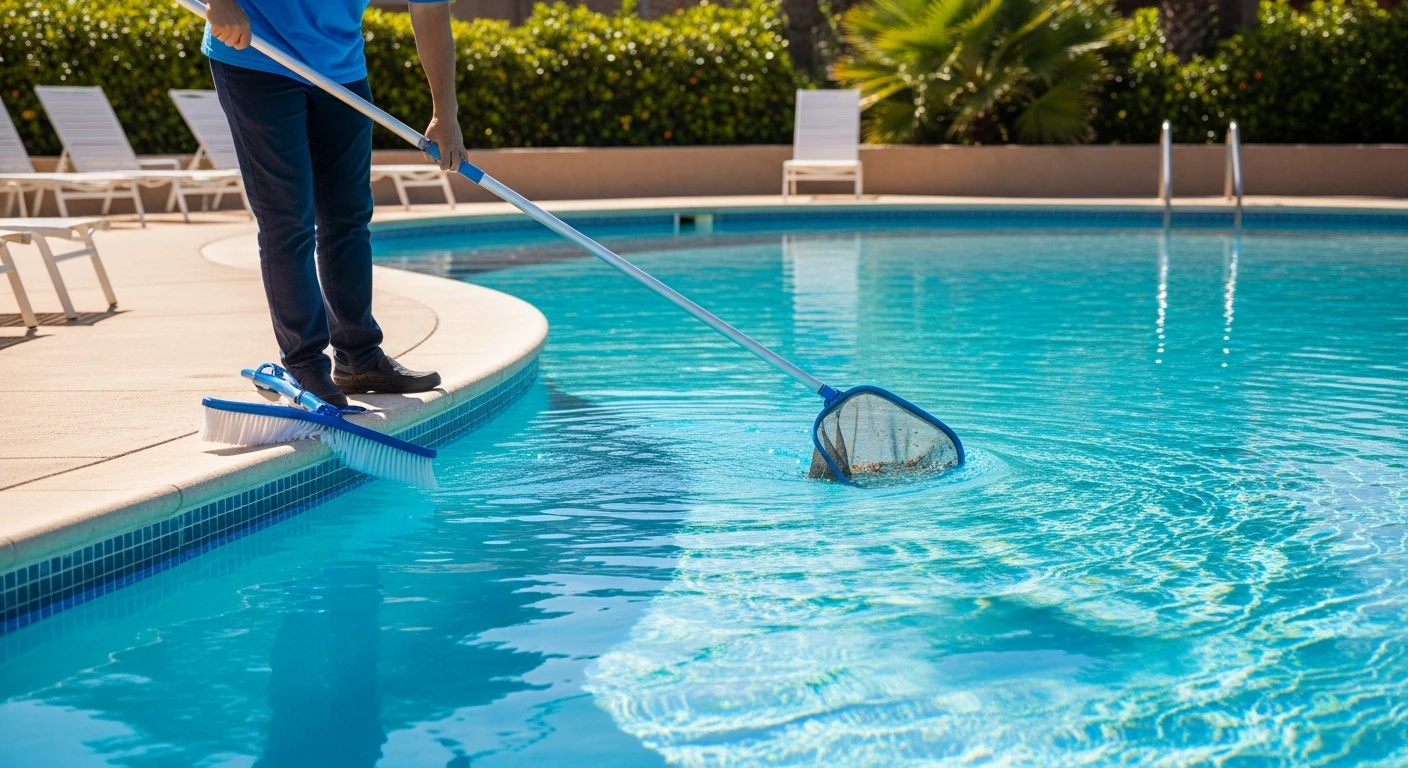
- Phase 1: Mechanical Disruption. The first step is to physically break down the biofilm's defenses. This requires more than a simple brushing. I use a specific nylon-bristle brush for vinyl and fiberglass pools and a stainless-steel brush for plaster surfaces, focusing on areas with low circulation like corners, steps, and behind ladders. The goal is to aggressively scrub and expose the underlying bacteria.
- Phase 2: Enzymatic Pre-Treatment. Before introducing any sanitizer, I apply a broad-spectrum enzyme cleaner. This is my "secret weapon." The enzymes specifically target and break down the organic matter and polysaccharides that form the biofilm's structure, effectively dissolving its armor and making the bacteria vulnerable. I let the enzymes circulate for at least 6-8 hours.
- Phase 3: Calibrated Chemical Shock. Only after the biofilm is exposed do I administer a shock treatment. I never use standard liquid chlorine for this. I use a granular calcium hypochlorite (cal-hypo) shock, calculated to reach a specific breakpoint chlorination level based on the pool's volume and CYA reading. This must be done at night to prevent UV degradation and allow the chlorine to work uninterrupted for at least 8 hours.
- Phase 4: Phosphate Removal & Maintenance. Phosphates are algae food. They enter the pool from leaves, soil, and even municipal water sources. After the shock, I use a high-quality phosphate remover to starve any potential new growth. I aim to maintain phosphate levels below 125 ppb (parts per billion), a much stricter standard than most services follow.
Tags
pool cleaning
swimming pool maintenance
pool care
acid wash pool
Pool Cleaning Service FAQ
What is the frequency of pool cleaning services?
Our pool cleaning services are available on a one-time, weekly, bi-weekly, or monthly basis, depending on your specific needs and pool usage. We can work with you to create a customized schedule that suits your requirements.
What areas of the pool are included in the cleaning service?
Our comprehensive pool cleaning service includes the cleaning of the pool floor, walls, and surfaces, as well as the skimmer and pump baskets. We also clean the pool deck, surrounding areas, and equipment.
Do you offer additional services beyond pool cleaning?
Yes, we offer a range of additional services, including pool maintenance, repairs, and renovation. Our team can also assist with equipment installation and troubleshooting.
How do you handle pool equipment repairs?
Our trained technicians are equipped to handle minor repairs and maintenance tasks. In cases where more extensive repairs are required, we can recommend reliable and licensed professionals to ensure your pool is up and running smoothly.
What types of pools do you service?
We service in-ground and above-ground pools of all sizes and types, including saltwater, fiberglass, and vinyl pools.
Are your technicians certified and insured?
Yes, our technicians are certified in pool operations and maintenance, and we carry comprehensive liability insurance to ensure your property and pool are protected.
How do you handle chemical imbalances and water testing?
Our technicians are trained to test and balance pool water chemistry, ensuring your pool water is safe and healthy for swimmers. We also provide guidance on maintaining proper water chemistry levels.
Can I schedule a one-time cleaning or maintenance service?
Yes, we offer one-time services for pool cleaning, maintenance, and repairs. This is ideal for special events, pool openings, or when you're experiencing an unexpected issue.
How do I know if my pool needs additional maintenance or repairs?
Our technicians will assess your pool's condition and provide recommendations for any necessary maintenance or repairs. We can also schedule regular maintenance services to prevent issues from arising.
Can I cancel or reschedule a service appointment?
Yes, please contact us at least 24 hours in advance to cancel or reschedule a service appointment. We understand that unexpected events may occur, and we're happy to accommodate changes when possible.