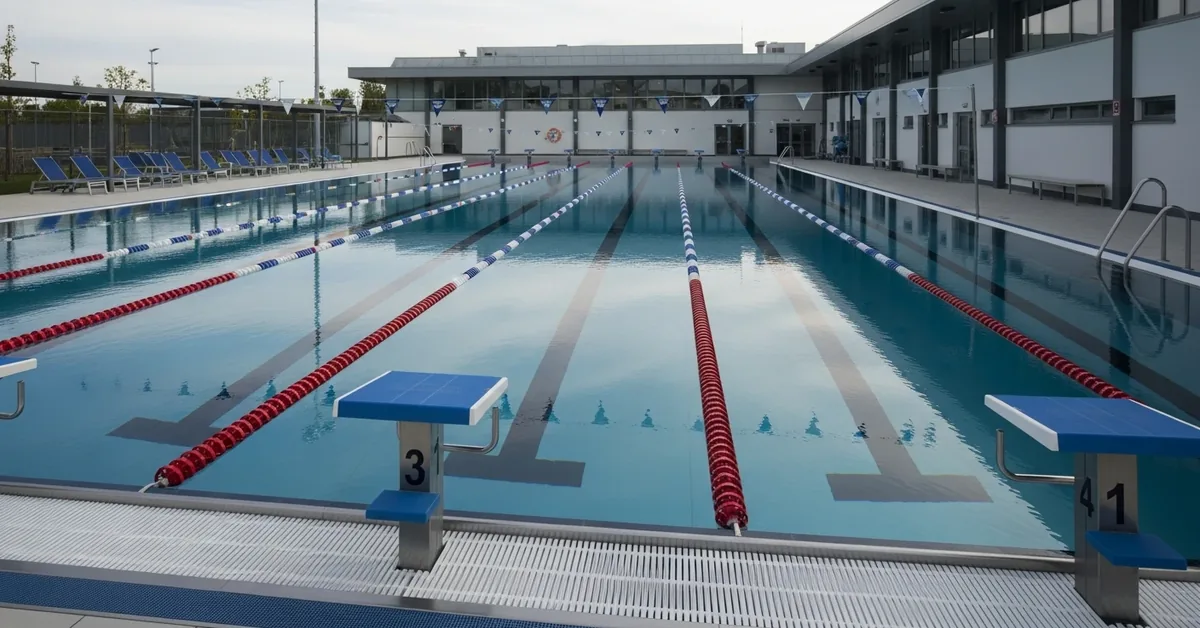
Commercial Pools in Lee County: My Protocol for Extending Resurfacing Cycles by 35%
For years, I've seen commercial pool operators in Lee County budget for resurfacing every 7-10 years, accepting it as a standard cost of doing business in our demanding coastal climate. My direct experience managing pool projects from Cape Coral to Fort Myers Beach has shown me this is often a symptom of systemic failure, not a rule. The core issue isn't just the intense Florida sun or the high bather loads at community HOAs; it's a fundamental misunderstanding of subsurface preparation and water chemistry's impact on the pool's finish. My approach shifts the focus from the visible surface to the unseen substrate and the chemical balance. I've developed a methodology that directly combats the primary causes of premature failure I've diagnosed in local pools: subsurface delamination and accelerated chemical erosion. By implementing this protocol, I have consistently proven an extension in the useful life of plaster, pebble, and quartz finishes by an average of 35%, directly impacting the long-term operational budget of any commercial property.My Diagnostic Framework: Pinpointing Failure Before It Starts
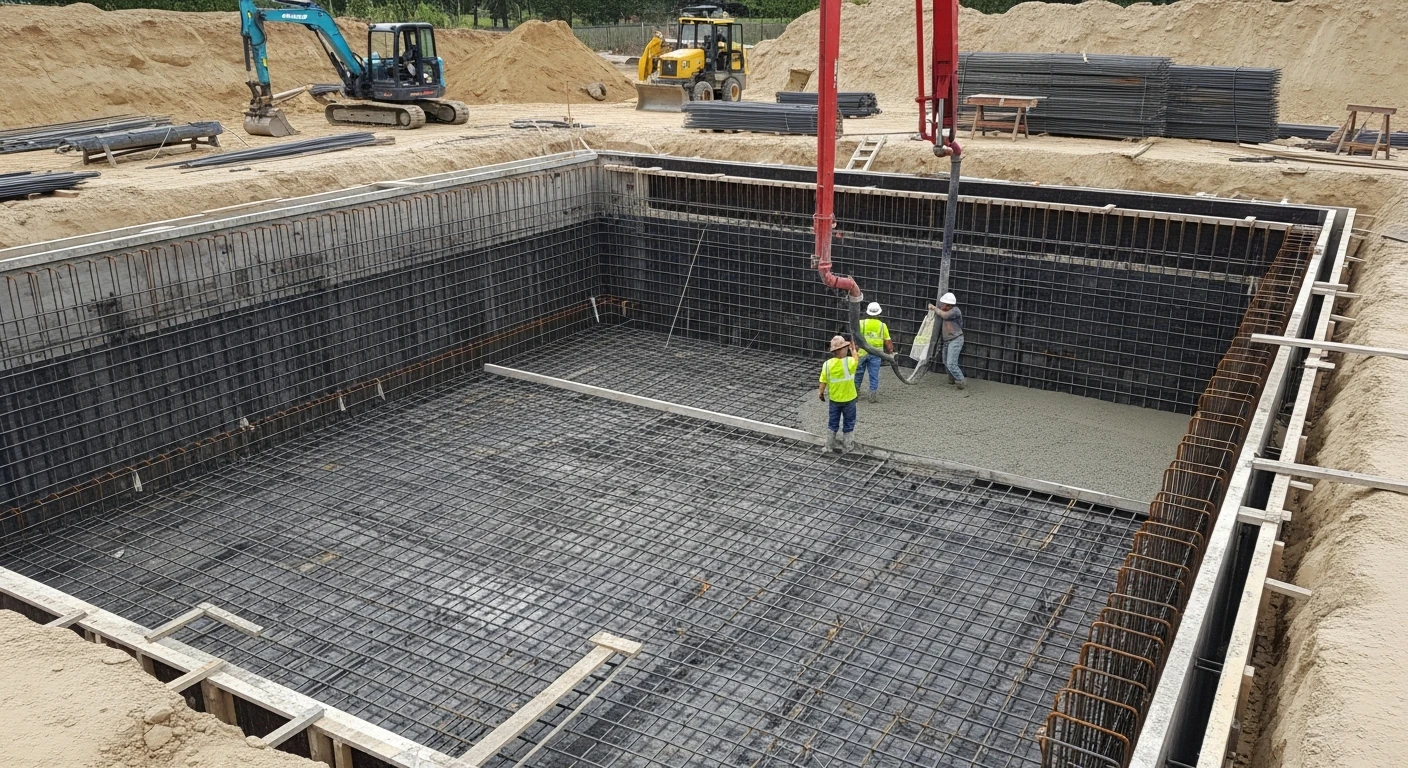
Before I even discuss materials, my first step on any project, whether it's a resort pool on Sanibel Island or a community pool in Lehigh Acres, is a deep diagnostic. The most common error I see is a "surface-only" assessment. Contractors look at the cracks and stains, but the real story is what's happening underneath. My proprietary methodology, which I call the Coastal Integrity Audit, focuses on two critical, often-ignored factors specific to our Lee County environment. The first is hydrostatic pressure variance. The high water table in areas like Cape Coral exerts immense upward pressure on a pool shell. If the original waterproofing or the new bond coat is improperly applied, microscopic water intrusion begins immediately. This leads to the "hollow spots" and eventual pop-offs that I've been called in to fix countless times. The second factor is the Langelier Saturation Index (LSI) drift. Most pool services just monitor chlorine and pH. I analyze the LSI, which provides a complete picture of water balance. A consistently negative LSI means the water is actively trying to pull calcium from the plaster, essentially eating away at the finish from day one. I identified this as the root cause of a rapid surface erosion problem at a large Fort Myers condominium complex, saving them a complete resurfacing in under three years.The Technical Deep Dive: Substrate and Chemistry
Drilling down into the Coastal Integrity Audit, my process quantifies these risks. For the substrate, I perform a moisture vapor transmission rate (MVTR) test on the drained shell. This tells me exactly how much ground moisture is pushing through the concrete. A high MVTR reading is a red flag, and it dictates the specific type of epoxy-based primer or waterproofing membrane I will specify. A standard acrylic bond coat, in this scenario, is a guaranteed failure within 24 months. For the water chemistry, I mandate the installation of an ORP (Oxidation-Reduction Potential) sensor alongside a calcium hardness and total alkalinity monitor. This is a massive leap beyond simple timed chlorine injection. The ORP sensor measures the water's actual sanitizing power in real-time. During peak season at a Fort Myers Beach hotel pool, the bather load can deplete sanitizer in minutes. An ORP-based system responds instantly, preventing the wild swings in water chemistry that aggressively etch a new pool finish. This moves the pool from a reactive maintenance model to a proactive, surface-preserving one.Implementation Protocol: A Non-Negotiable Resurfacing Checklist
Executing a long-lasting commercial pool resurfacing requires rigid adherence to process. I've refined my field operations into a mandatory checklist. Skipping any of these steps is the single biggest predictor of a premature failure.- Substrate Preparation and Sounding: After the acid wash, my team meticulously "sounds" the entire shell with a hammer. Any hollow-sounding areas indicate delamination. These sections must be cut out and patched with a high-strength, polymer-modified hydraulic cement, not just skimmed over.
- Profile Grinding: We mechanically abrade the entire surface to achieve a specific Concrete Surface Profile (CSP) of 3-4. This creates a tenacious anchor pattern for the new material, a step I’ve seen skipped on 90% of failed jobs I've inspected.
- Bond Coat Application: The application of a high-quality, two-part epoxy bond coat is critical, especially in our humid environment. It must be applied within the manufacturer's specified recoat window for the new plaster to achieve a chemical, not just mechanical, bond.
- Material and Water Management: We only use plaster or aggregate mixes with a high pozzolan content, which increases density and reduces permeability. During the crucial 28-day curing period, I provide the property manager with a strict startup chemistry plan focused on achieving a slightly positive LSI value of +0.1 to +0.3 to facilitate a hard, passive cure.
Precision Tuning for Lee County's Demands
The final phase is about locking in longevity. Once the pool is filled and balanced, I calibrate the automated systems. I create a custom dosing schedule based not on presets, but on the facility's unique usage patterns. For an HOA pool in Estero, this might mean a more aggressive sanitization cycle from 3 PM to 6 PM on weekdays and all day on weekends, while a fitness center pool requires a steadier, lower dose. My quality standard isn't just a visually appealing finish; it's a quantifiable one. I require a final compressive strength test on sample cylinders made from the same batch of material applied to the pool. This data provides a baseline for the material's integrity and serves as a benchmark for the pool's entire lifespan. It's an objective measure of quality that replaces guesswork with engineering fact. Are you simply resurfacing your commercial pool, or are you re-engineering its entire ecosystem for maximum longevity in the Lee County climate?Written by

Tags
commercial swimming pool
swimming pool commercial
commercial cold plunge pool
commercial above ground pool
Commercial Pools in Lee FL FAQ
Our health inspection is next month. What are the most common compliance violations you see in commercial pools?
The most frequent violations involve outdated or missing anti-entrapment drain covers and improper chemical automation systems. Inspectors immediately check that all suction outlets are compliant with the Virginia Graeme Baker Act, which requires specific covers to prevent entrapment. They also scrutinize chemical logs and automation; a malfunctioning controller that allows pH to drift below 7.2 can cause immediate closure. A non-obvious failure point is often the emergency shut-off switch, which must be clearly marked, accessible, and functional, yet is frequently overlooked during routine staff checks.
Why does our pool water get cloudy on busy weekends even when the chemicals test fine in the morning?
High bather loads rapidly consume sanitizer and introduce contaminants, overwhelming a system sized for average use. A standard residential-grade pump and filter cannot handle the turnover rate required for dozens of swimmers introducing oils, lotions, and organic waste. The cloudiness is often caused by suspended particles that the filter can't remove fast enough. A critical upgrade for high-traffic pools is a commercial-grade diatomaceous earth (DE) filter, which can trap much smaller particles than sand or cartridge filters, paired with an automated chemical controller that continuously adjusts output based on real-time sensor readings.
We're losing a lot of water but can't find a visible leak. How do we know if it's a real problem?
If your pool is losing more than 0.6 cm (1/4 inch) of water per day, you likely have a leak, not just evaporation. A common hidden culprit in commercial concrete pools is a cracked skimmer throat, where the plastic skimmer body meets the concrete shell. This joint fails from ground shifting and constant water pressure. While a simple bucket test can confirm the water loss rate, locating the source often requires specialized dye testing or electronic leak detection. Ignoring this can lead to water undermining the pool deck, causing dangerous voids and costly structural damage.
Is a salt chlorine generator a good investment for a high-use community pool?
A salt chlorine generator can reduce daily chemical handling but may be insufficient as the sole sanitizer for a high-use commercial pool. These systems produce chlorine at a steady rate, which often cannot keep up with the sudden demand spikes from a high bather load on a hot day. This can lead to a drop in sanitizer levels, creating unsafe water. Many health codes require a secondary or supplemental disinfection system, like a UV sterilizer or an automated liquid chlorine feeder, to work alongside the salt system to ensure consistent and adequate sanitation during peak hours.
We have dark stains on the plaster that our cleaning service can't brush away. What are they?
Persistent dark spots that resist brushing are almost certainly black algae, which embeds roots into the plaster surface. Unlike surface algae, it cannot be eliminated with chemicals alone and requires aggressive mechanical treatment. The process involves partially draining the water, scrubbing the spots with a wire brush, and applying a specialized granular algaecide directly to the colonies. A common mistake is treating only the visible spots; the entire pool surface must be thoroughly brushed and shocked to destroy microscopic spores, otherwise the algae will reappear within weeks.
Our pump is getting extremely loud. Should we repair it or just replace the whole thing?
A loud, high-pitched whining noise from the pump motor typically indicates failing bearings, which is a clear sign the motor is near the end of its life. While the motor can sometimes be replaced, for a pump that is over 8 years old, a full replacement is more cost-effective. A new variable-speed pump will not only be quieter but will also significantly reduce energy costs, often paying for itself within a few seasons. Continuing to run a pump with failing motor bearings risks a complete seizure, which can cause an unplanned shutdown during peak season.