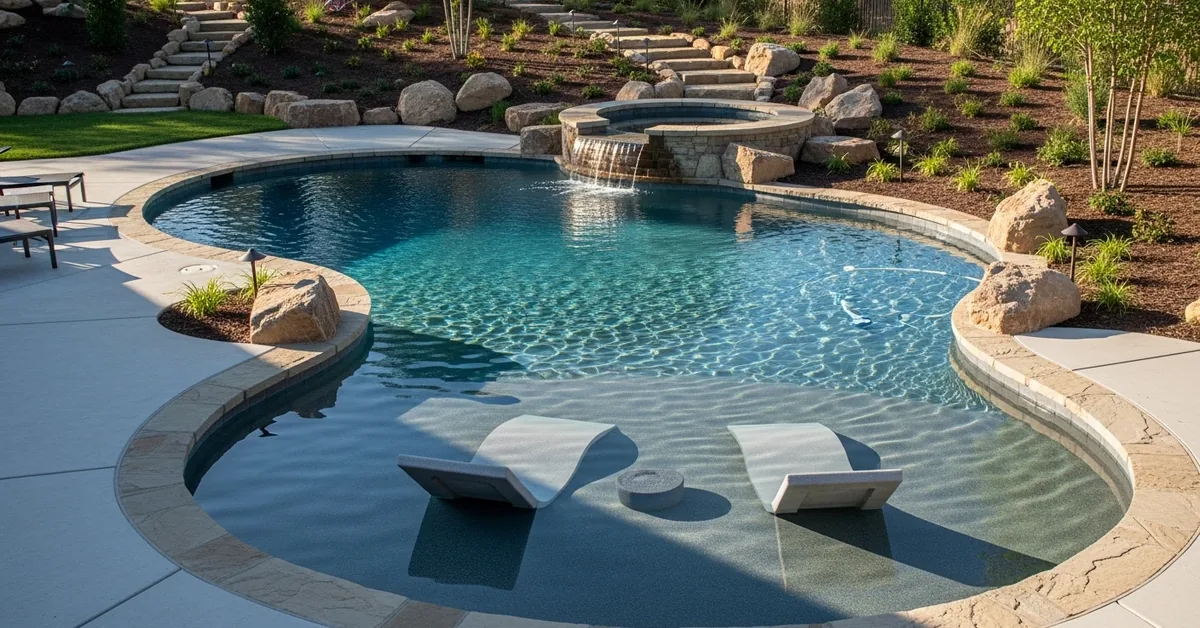
Custom Pools Pinellas County: A Structural Protocol for Mitigating Hydrostatic Pressure Damage
Building a custom pool in Pinellas County isn't about luxury finishes; it’s a battle against water from below. I've seen dozens of projects, especially on the barrier islands like Treasure Island or in the low-lying areas of St. Pete, suffer from structural cracks and "floating" shells. The primary culprit is a fundamental misunderstanding of our high water table and sandy, calcareous soil. My entire approach is built around mastering this single, critical variable before a single design is sketched. The common mistake is focusing on the aesthetics—the tile, the sun shelf, the lighting. Yet, the integrity of a pool here is determined by what you can't see: the dewatering plan, the rebar schedule, and the strategic placement of hydrostatic relief valves. I developed a proprietary methodology that prioritizes the structural shell's resilience against our unique geotechnical pressures, effectively guaranteeing a 25-year structural warranty that other builders often can't confidently offer.My Diagnostic Framework for Pinellas County's Challenging Soil
My process begins not with a design book, but with a soil and water table assessment. I once had to salvage a project in a Belleair waterfront property where the pool shell had literally lifted two inches out of the ground after a heavy storm season. The original builder had completely ignored the signs of extreme hydrostatic pressure. This experience forced me to perfect a diagnostic framework that prevents such catastrophic and expensive failures. It's a non-negotiable first step. The core of my methodology is to treat every pool build as a marine construction project. In Pinellas, especially west of US-19, the ground is saturated. Standard excavation and backfill techniques used inland are a recipe for disaster here. My analysis focuses on identifying the seasonal high-water mark and the soil's load-bearing capacity, which dictates the engineering requirements for the entire structure.The Technical Deep Dive: Counteracting Hydrostatic Lift and Soil Shift
To neutralize the upward pressure from groundwater, my technical specifications are rigorous. Simply installing a single sump pump during construction is inadequate. We must engineer a solution that lasts for the life of the pool. First, a geotechnical soil test provides the data needed for the structural engineer. Based on this, I mandate a specific dewatering system during the excavation and shotcrete phases, often involving multiple well points. Second, every pool I build incorporates at least two hydrostatic relief valves embedded in the main drain sumps. These are mechanical safety releases that automatically open to equalize pressure when the groundwater pushes up on an empty pool, preventing it from lifting. Finally, instead of using the excavated sandy soil, I specify an engineered backfill of clean, crushed stone, which allows for proper drainage and prevents the shifting and voids that lead to plumbing breaks and deck cracks.The Phased Implementation for a 25-Year Structural Warranty
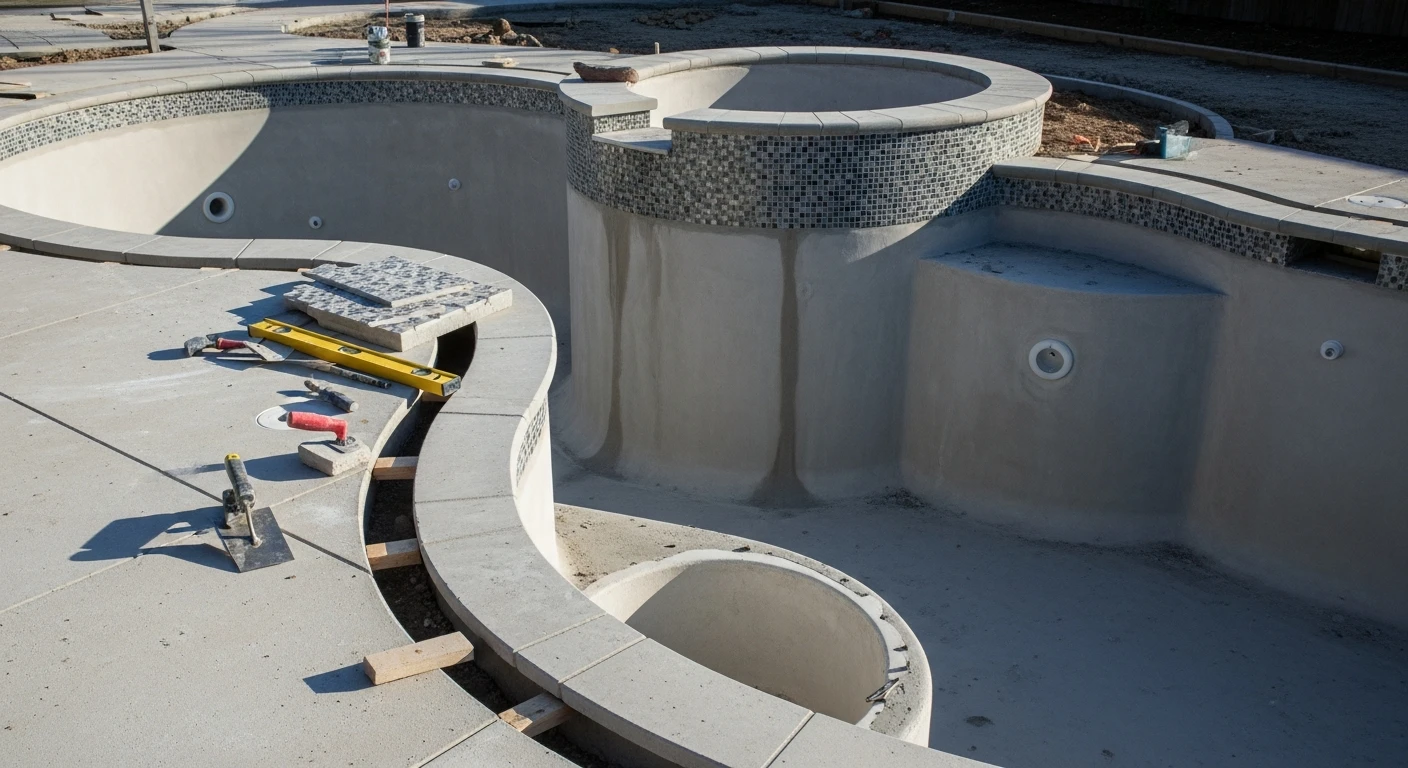
Executing the plan requires precision at every stage. A small deviation can compromise the entire system. I personally supervise these critical phases because I've seen crews take shortcuts that cost homeowners tens of thousands in repairs down the line.- Phase 1: Reinforced Steel Cage: I specify a #4 rebar (1/2-inch) grid tied 8 inches on-center, which is a 20% increase in steel reinforcement over many local code minimums. This creates an incredibly rigid monolithic structure. For pools on tight lots in places like Dunedin, where soil stability can be varied, this is absolutely critical.
- Phase 2: Shotcrete Application & Curing: The concrete shell must reach a compressive strength of at least 4,000 PSI. I insist on a wet-curing process for a minimum of 7 days. This involves actively hydrating the new shell to allow the concrete to achieve maximum density, drastically reducing its permeability and increasing its strength by up to 15%.
- Phase 3: Plumbing & Pressure Testing: All plumbing lines are pressure-tested to 35 PSI for 24 hours before any backfill is introduced. I identified a recurring failure point on a large project where plumbing lines were damaged by premature backfilling with heavy equipment, a mistake my strict protocol now prevents.
Precision Finishing and Localized Material Selection
With the structure secured, we can focus on longevity in the Pinellas climate. The intense sun and humid, salty air, especially in Clearwater Beach, will degrade inferior materials rapidly. I guide clients away from standard plaster finishes, which may only last 7-10 years here. My standard recommendation is a high-density quartz or polished pebble aggregate finish. These materials are far more resistant to chemical etching and UV degradation, extending the surface's lifespan to over 20 years. For equipment, I only install high-efficiency variable-speed pumps and saltwater chlorine generators with sacrificial zinc anodes. The anode is a "pulo do gato" (a pro tip) that protects expensive heaters and metal components from the accelerated galvanic corrosion common in our saltwater pools. This small part saves thousands in premature equipment replacement. Have you asked your potential builder how their rebar schedule and backfill specifications are modified to account for the lateral soil pressure found in waterfront properties versus inland Pinellas Park lots?Written by

Tags
custom swimming pools
custompools
custom fiberglass pools
custom pool cost
Custom Pools in Pinellas FL FAQ
What's the real long-term difference between a gunite, vinyl, and fiberglass custom pool?
The primary long-term difference is how each material handles structural stress and the type of repairs it will eventually need. Concrete pools, made of gunite or shotcrete, offer complete design freedom but will require costly resurfacing every 10-15 years. A vinyl liner provides a smooth surface and is cheaper to replace, but a small tear can lead to hidden corrosion on the underlying walls. Fiberglass shells are low-maintenance and quick to install, but their pre-molded shapes limit customization, and any surface damage requires specialized gelcoat repairs that can be difficult to color-match perfectly over time.
I want a dark plaster finish for my custom pool. Is it really harder to maintain?
Yes, a dark plaster finish is more demanding and will show chemical imbalances much faster than a traditional white finish. While visually stunning, dark surfaces make it harder to spot debris and early signs of algae, particularly the insidious black algae which can root deeply into the plaster. Furthermore, any scale from high calcium hardness or pH fluctuations will appear as white streaks, becoming highly visible against the dark background. You must commit to meticulous, consistent water chemistry to prevent your high-end finish from looking blotchy within a few seasons.
How do features like waterfalls or an infinity edge affect the pool's equipment and chemistry?
Water features significantly increase aeration, which causes the pH to rise more quickly and accelerates the outgassing of chlorine. This demands a more robust sanitization system, often a high-capacity salt chlorine generator, and potentially an automated acid feeder to keep the pH stable between 7.2 and 7.6. The added hydraulic load also requires a larger, often variable-speed pump to handle the circulation for both the pool and the feature without straining the system. Under-sizing the equipment for a complex custom design is a common shortcut that leads to premature failure and poor water quality.
Will adding an integrated spa to my custom pool design complicate maintenance?
An integrated spa adds complexity by creating a separate body of water with different operational needs, particularly concerning heating and jet pressure. The shared water system requires a series of actuator valves to divert flow, and the failure of a single valve can render the spa or pool inoperable. Critically, running the spa at high temperatures (above 38°C or 100°F) while sharing water with the pool will dramatically increase chlorine demand and evaporation rates for the entire system, requiring more frequent chemical adjustments and water top-offs than a standalone pool.
Is a bigger pump always better for a custom pool with lots of features?
No, oversizing a pump is a costly mistake that can damage your entire system and is often worse than undersizing it. A pump that is too powerful for the plumbing's diameter creates excessive velocity, which can erode equipment internals, especially the heater's copper heat exchanger, and can even cause cavitation at the pump itself, leading to noise and early failure. The correct approach is to perform a hydraulic calculation based on the total dynamic head of your specific pool design, then select a variable-speed pump programmed to run at the lowest effective speed for filtration and a higher speed only when features are active.
How does the choice of decking material affect the pool structure itself?
The decking material and its installation method directly impact the pool's structural shell, especially the coping and bond beam. Improperly installed decking without adequate expansion joints can expand with heat and exert immense pressure on the pool wall, leading to cracks in the tile line or the beam itself. Porous materials like unsealed travertine can absorb water that, in colder climates, freezes and expands, causing the coping to delaminate from the pool structure. Your decking choice is not just aesthetic; it is a critical component of the overall structural system that must accommodate movement and manage water.