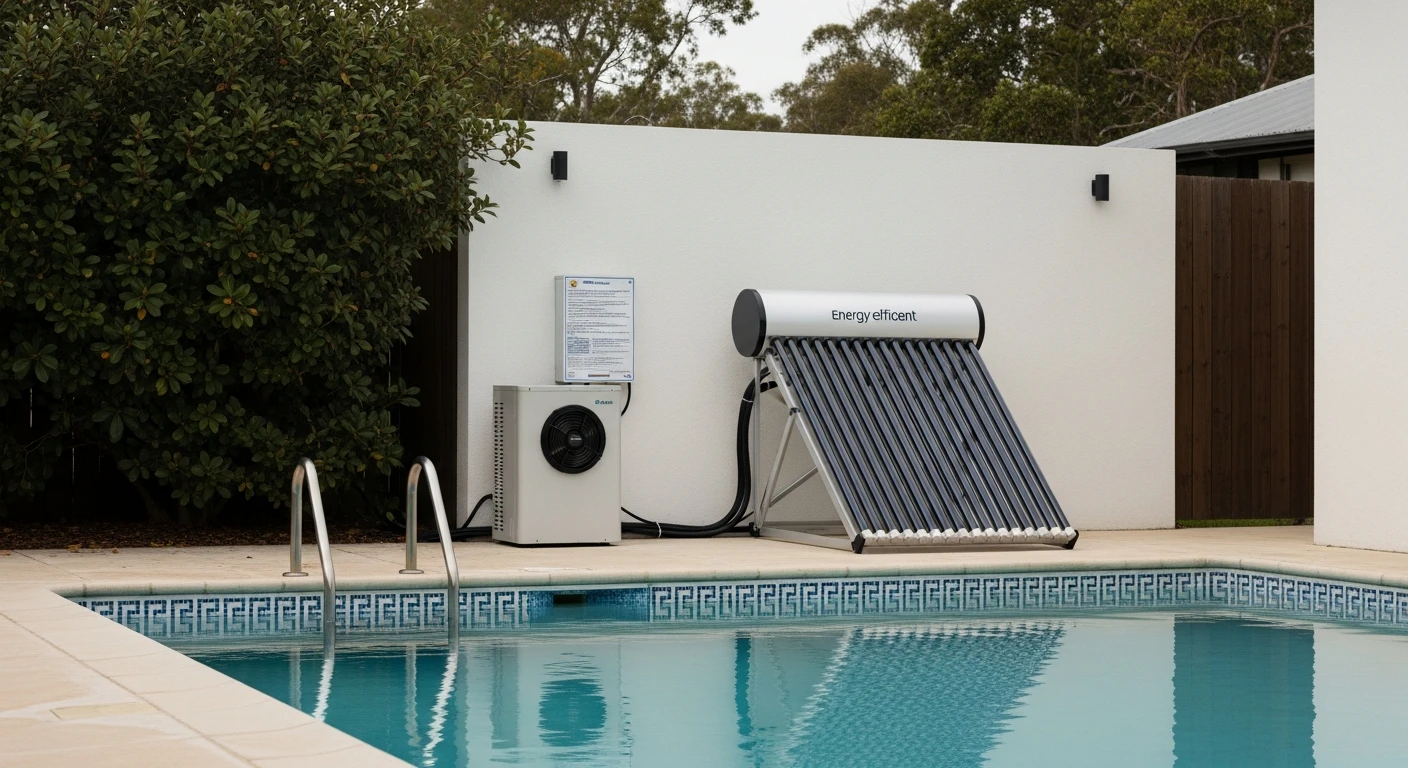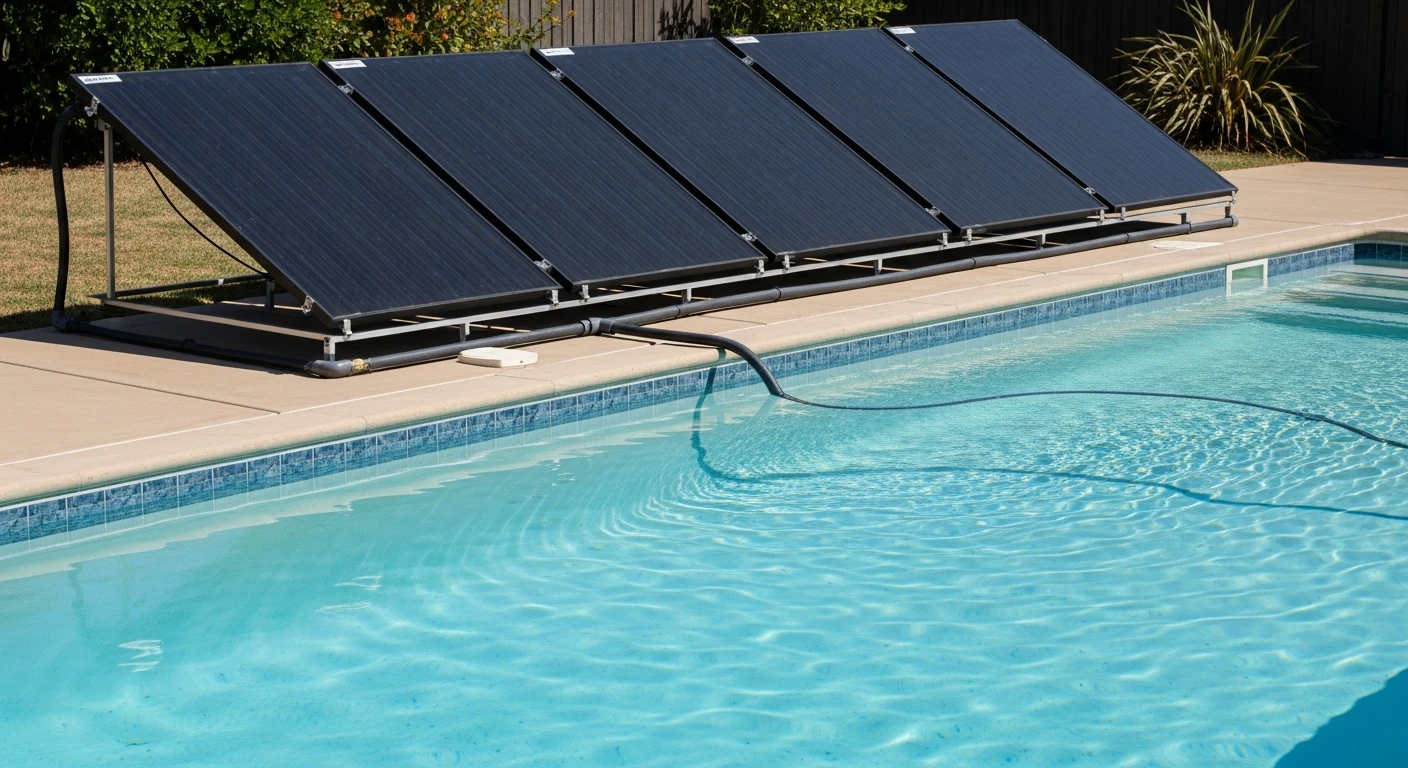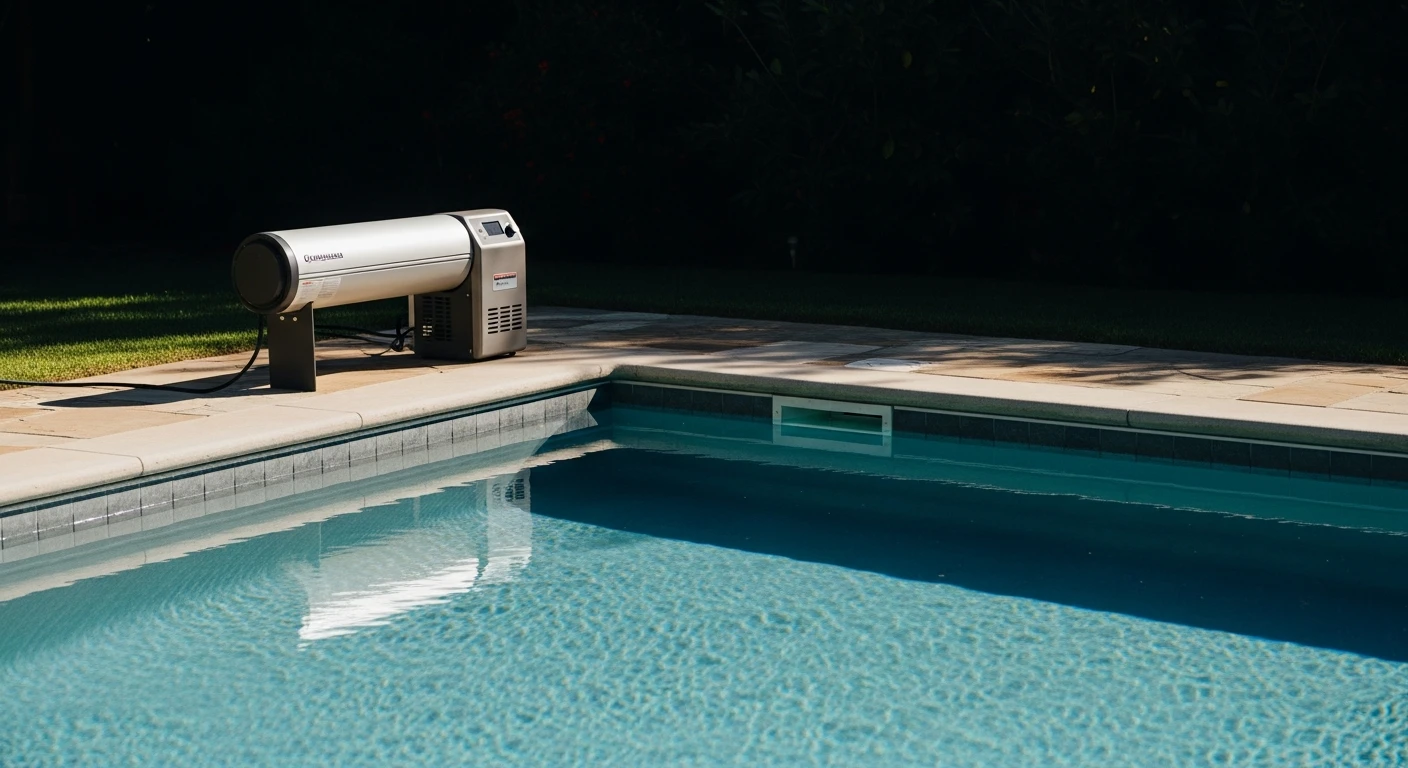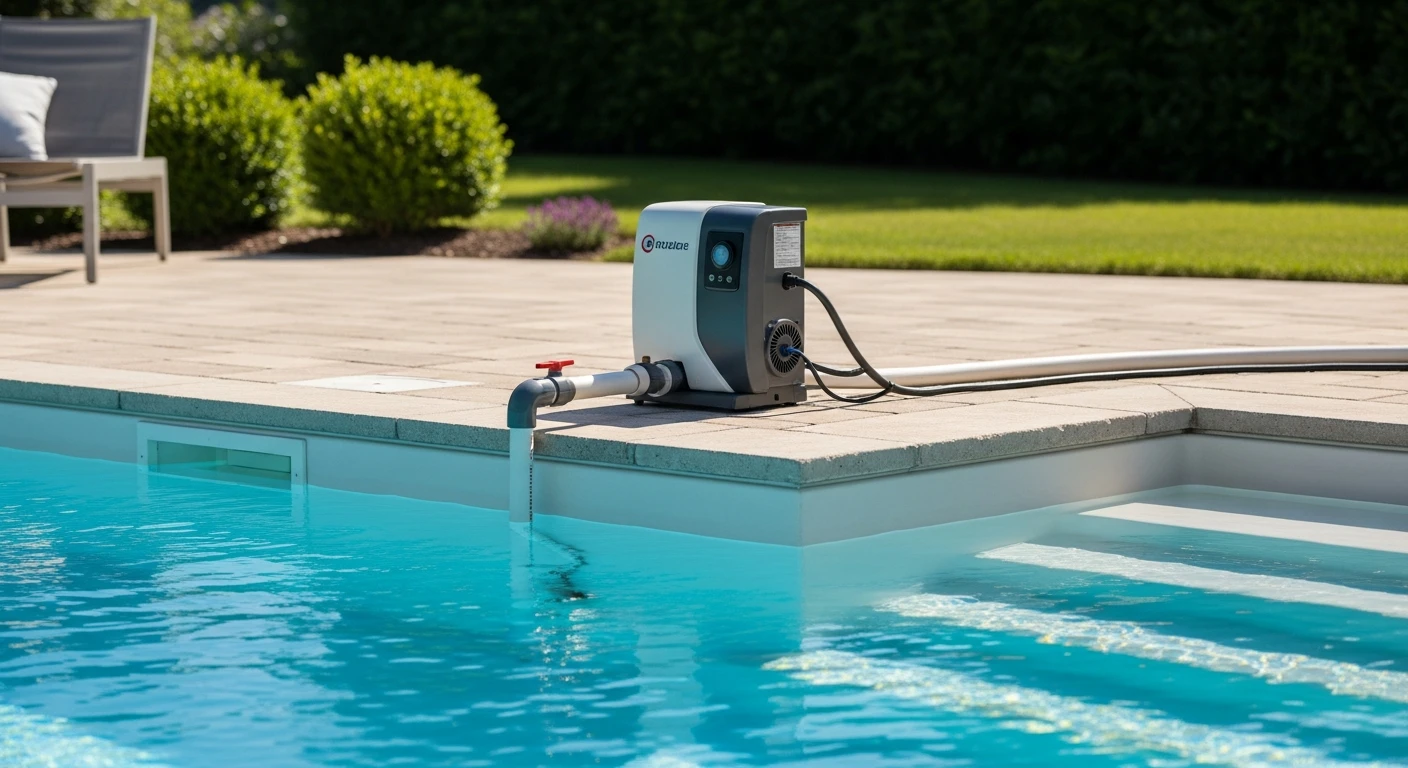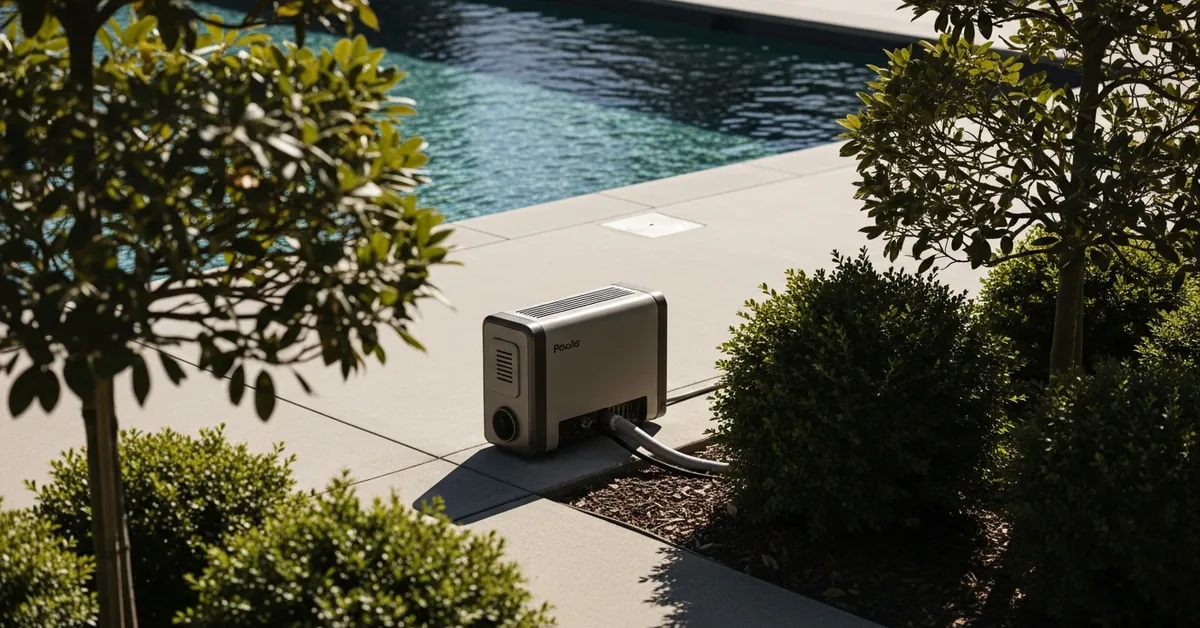
Pool Heater Sizing & Installation: My Framework for a 30% Reduction in Operational Costs
I've lost count of the number of clients who have come to me with a brand-new, high-end pool heater that's costing them a fortune to run. The common assumption is a faulty unit. In over 90% of my diagnostic cases, the hardware is fine; the failure is in the system design and sizing methodology. Standard online calculators that only ask for pool volume are dangerously incomplete and the primary cause of oversized or undersized units that bleed money.
My approach sidesteps these generic tools entirely. I developed what I call a Thermal Efficiency Audit, a methodology that treats the pool heater not as a standalone appliance, but as the heart of a complex thermodynamic system. This framework focuses on identifying and mitigating heat loss vectors *before* ever calculating a single BTU, leading to a correctly sized unit that consistently operates at its peak efficiency curve, often reducing monthly heating bills by up to 30%.
My Proprietary Thermal Efficiency Audit: Beyond BTUs
The biggest mistake I see in the field is a "more is better" approach to BTUs. I once consulted on a high-end residential project where the owner had installed a massive 400k BTU gas heater for a medium-sized pool, yet it struggled to maintain temperature on breezy days. The problem wasn't the heater's power; it was the unmitigated environmental factors. The pool was on a hilltop with constant wind exposure and the owner refused to use a pool cover. The powerful heater was fighting a losing, and incredibly expensive, battle against constant evaporative and convective heat loss.
This experience solidified my methodology. Before I even discuss heater models, I analyze three core environmental metrics: Insolation (sun exposure), Wind Load (average wind speed and direction), and Evaporation Potential (based on humidity and surface area). A simple shade sail or windbreak can have a more significant impact on heating costs than a 50k BTU upgrade. We quantify these factors to create a "heat loss profile" for the specific pool, which then dictates the true BTU requirement.
The Critical Triad: COP, GPM, and Thermal Loss
To truly understand heater performance, we have to move beyond the marketing specs and look at the physics of the system. My entire diagnostic process boils down to optimizing this triad.
- Coefficient of Performance (COP): For heat pumps, this is the holy grail metric, but it's not a static number. A unit advertised with a COP of 6.0 is tested under ideal lab conditions (around 80°F air temp, 80% humidity). I've seen that same unit drop to a COP of 3.5 on a cool, dry evening. My planning involves selecting a unit whose peak efficiency curve aligns with the client's actual local climate and when they most use the pool, not just the peak advertised number.
- Gallons Per Minute (GPM): Every heater has an optimal flow rate range for efficient heat exchange. This is the single most common installation error I find. An installer will connect a heater requiring 50-70 GPM to a plumbing system and pump only capable of delivering 40 GPM. The result is poor heat transfer, excessive cycling, and premature component failure. I always mandate the installation of a flow meter to verify the system is delivering the required GPM *after* the filter and other components.
- Thermal Loss Mitigation: A pool cover is not an accessory; it is a non-negotiable component of an efficient heating system. It can reduce heat loss from evaporation—the single biggest culprit—by up to 95%. Without a cover, you are essentially paying to heat the atmosphere. I make its use a prerequisite for any performance guarantee on my projects.
- Plumbing & Flow Verification: We ensure all plumbing, especially the inlet and outlet pipes for the heater, are of the correct diameter to support the target GPM. We install a full-flow bypass valve. This is critical not just for maintenance but for precisely calibrating water flow through the heat exchanger.
- Electrical & Gas Integrity: For a heat pump, we verify the dedicated circuit breaker and wire gauge are sufficient to handle the maximum amperage draw without voltage drop. For a gas heater, we ensure the gas line diameter and pressure are adequate for the required BTU input; insufficient gas pressure will starve the unit and drastically reduce its output.
- Sensor & Automation Integration: The water temperature sensor must be placed *after* the heater and filter to provide an accurate reading to the control unit. We then integrate the heater with the variable-speed pump's automation, programming it to run at the precise RPM needed to achieve the heater's optimal GPM whenever there's a call for heat. This alone can save hundreds per year over a single-speed pump setup.
- System Commissioning & Calibration: After installation, we don't just turn it on. We run a full commissioning cycle. We use a digital thermometer and flow meter to measure the actual temperature rise at the calibrated GPM and compare it against the manufacturer's performance chart. This confirms the unit is performing to spec in its real-world environment.
Tags
pool heating systems
solar pool heater for inground pool
pool heat pump prices
swimming pool heating systems
Pool Heaters FAQ
My pool heater is running, but the water isn't getting any warmer. What's the most common cause?
The most frequent cause is insufficient water flow from your pump, often due to a dirty filter that needs cleaning or backwashing. Heaters have an internal pressure switch that prevents the unit from firing if flow is too low, protecting it from overheating. Even if the heater's fan or display is on, this safety switch can keep the heating element off. Before assuming the heater is broken, check your filter pressure. A reading 8-10 PSI above its clean starting pressure indicates a clogged filter, which is restricting the necessary water flow for the heater to operate safely and effectively.
How can I tell if my heater is the right size for my pool?
A properly sized heater should raise your pool's temperature by about 0.5 to 1 degree Celsius (1-2 degrees Fahrenheit) per hour under normal conditions. If your heater runs constantly but struggles to reach or maintain your target temperature, it is likely undersized for your pool's volume and surface area. An undersized unit not only fails to heat effectively but also experiences excessive wear, shortening its lifespan. Conversely, an oversized heater can lead to rapid cycling, which is inefficient and also strains components like the ignition control, leading to premature failure.
Is it more cost-effective to run my gas heater continuously or only when I want to swim?
It is almost always more cost-effective to heat the pool only when you plan to use it, especially if you use a solar cover. A gas heater consumes the most fuel during the initial temperature rise from cold. Maintaining that temperature requires less energy, but heat loss is constant. By using a solar cover, you can trap up to 95% of heat, drastically reducing reheating time and fuel costs. Running a heater 24/7 without a cover is like heating your house with the windows open—a massive and unnecessary expense.
Why does my heater keep shutting off and displaying a fault code?
Intermittent shutdowns with a fault code often point to external issues rather than a broken heater, with poor water chemistry being a major hidden culprit. If your pool's pH is below 7.2, the acidic water corrodes the copper inside the heat exchanger, and these dissolved copper particles can foul the internal sensors, causing false readings and shutdowns. Before spending money on replacing parts, test your water chemistry. Correcting a pH imbalance is a simple fix that can resolve many mysterious heater fault codes and prevent catastrophic, expensive damage to the heat exchanger.
What are those black, sooty marks on the side of my heater and the wall behind it?
Those black, sooty deposits are a clear sign of poor combustion, a condition known as sooting, which is both dangerous and damaging. This is typically caused by an improper air-to-fuel mixture, often from a clogged burner tray, spider webs in the gas orifices, or inadequate ventilation around the unit. This is not just a cosmetic issue; it indicates the production of carbon monoxide and significantly reduces heating efficiency. The unit should be shut down immediately and serviced by a qualified technician to clean the burners and verify proper venting to prevent a serious safety hazard.
I have a salt water pool. Does that require a special kind of heater?
Yes, a salt water pool requires a heater with a corrosion-resistant heat exchanger, typically made of titanium or a cupronickel alloy. Standard copper heat exchangers, found in heaters designed for traditional chlorine pools, will corrode and fail rapidly when exposed to the higher salinity. The galvanic corrosion caused by salt will perforate a standard copper heat exchanger, often within a single season, leading to a major leak and costly replacement. Always verify that a new heater is explicitly rated for use with a salt chlorine generator to ensure its longevity.