Pool Inspection Services: A Protocol to Identify Latent Failures and Prevent 5-Figure Repair Bills
A standard pool inspection often amounts to little more than a visual check and a water test. From my years in the field, I can tell you this approach is dangerously incomplete. I’ve seen homebuyers inherit pools with hidden structural leaks behind the liner or failing main drains that require a complete excavation—issues a "checklist inspector" completely misses. These aren't minor fixes; they are catastrophic financial burdens waiting to happen.
My entire methodology is built around one core principle: quantifying liability before you assume it. A beautiful pool can hide tens of thousands of dollars in necessary repairs. My job is to find the invisible problems by stress-testing the three core systems—structural, mechanical, and chemical—to provide you with a definitive go/no-go report and a precise repair budget, not a vague list of "potential issues."
My Diagnostic Framework: The Trifecta Pressure & Integrity Analysis
Over the years, I've refined my process into what I call the Trifecta Pressure & Integrity Analysis. It moves beyond the superficial to diagnose the health of the pool's foundational components. A pool isn't just a container for water; it's a dynamic system where structural integrity, hydraulic efficiency, and chemical balance are inextricably linked. A failure in one area inevitably compromises the others. My analysis isolates and tests each pillar. I’ve seen countless cases where a seemingly simple "pump issue" was actually caused by a partial plumbing blockage, which in turn was caused by aggressive water chemistry (a low LSI value) eating away at the heater's copper components. A standard inspection would just recommend a new pump, completely missing the root cause.
Technical Deep-Dive: Beyond the Visual Inspection
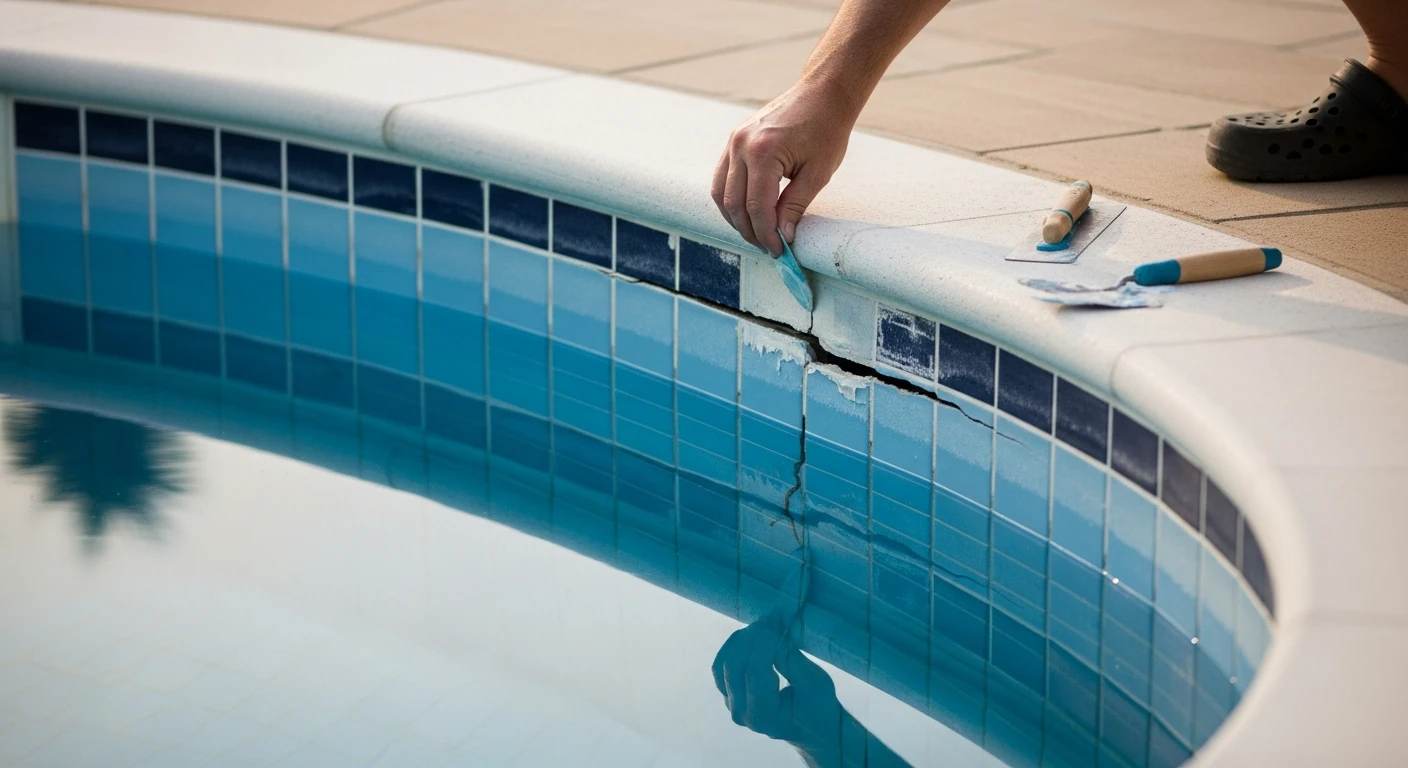
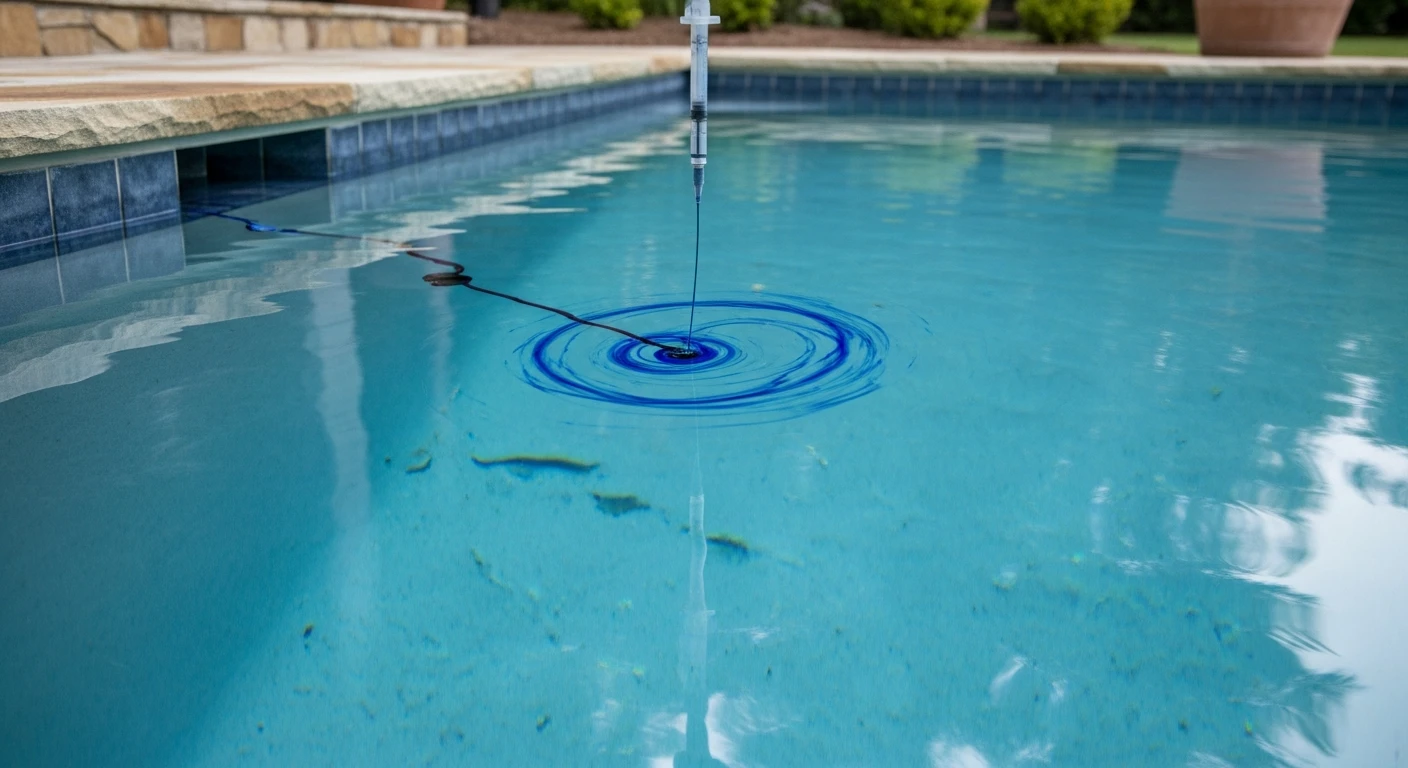
Under the Trifecta framework, I dissect each component with specialized tests. For Structural Integrity, I'm not just looking for cracks. I perform a hydrostatic pressure test on the main drain line, a common failure point that is otherwise invisible. I also use electronic leak detection equipment and dye testing to pinpoint micro-fissures in the gunite or plaster that aren't visible to the naked eye. In one project for a high-end property, a percussion "tap test" on the pool shell revealed a hollow sound, indicating a massive area of gunite delamination from the underlying soil—a complete structural failure the seller’s inspector had missed. For the Mechanical System, I go beyond simply turning the pump on. I conduct an amp draw analysis on the motor to measure its real-world efficiency and predict its remaining lifespan. I also measure the filter pressure differential to assess if the system is truly capable of filtering the water or just circulating it. In the Chemical System, I don't just use test strips. I perform a full analysis to calculate the Langelier Saturation Index (LSI). An LSI value below -0.3 indicates corrosive water that is actively damaging plaster, grout, and metal components, a silent killer of pool equipment.
My On-Site Inspection Protocol: A Step-by-Step Breakdown
Executing a proper inspection requires a rigid, repeatable process. This is the exact sequence I follow on every single project to ensure no detail is overlooked. This isn't a checklist; it's a diagnostic gauntlet.
- Step 1: Initial System Power-Up & Baseline Readings. I immediately record the initial filter pressure on a clean filter and the motor amp draw under full load. This baseline is critical for all subsequent tests.
- Step 2: Vessel & Surface Integrity Scan. This involves a full walk-around percussion test of the shell and deck, followed by targeted dye injection around all fittings, skimmers, and the light niche to check for static leaks.
- Step 3: Plumbing Pressure Decay Test. I isolate each plumbing line (skimmers, main drain, returns) and use a specialized rig to pressurize them with water. The system must hold pressure at 20 PSI for a minimum of 15 minutes. Any measurable drop indicates a hidden underground leak.
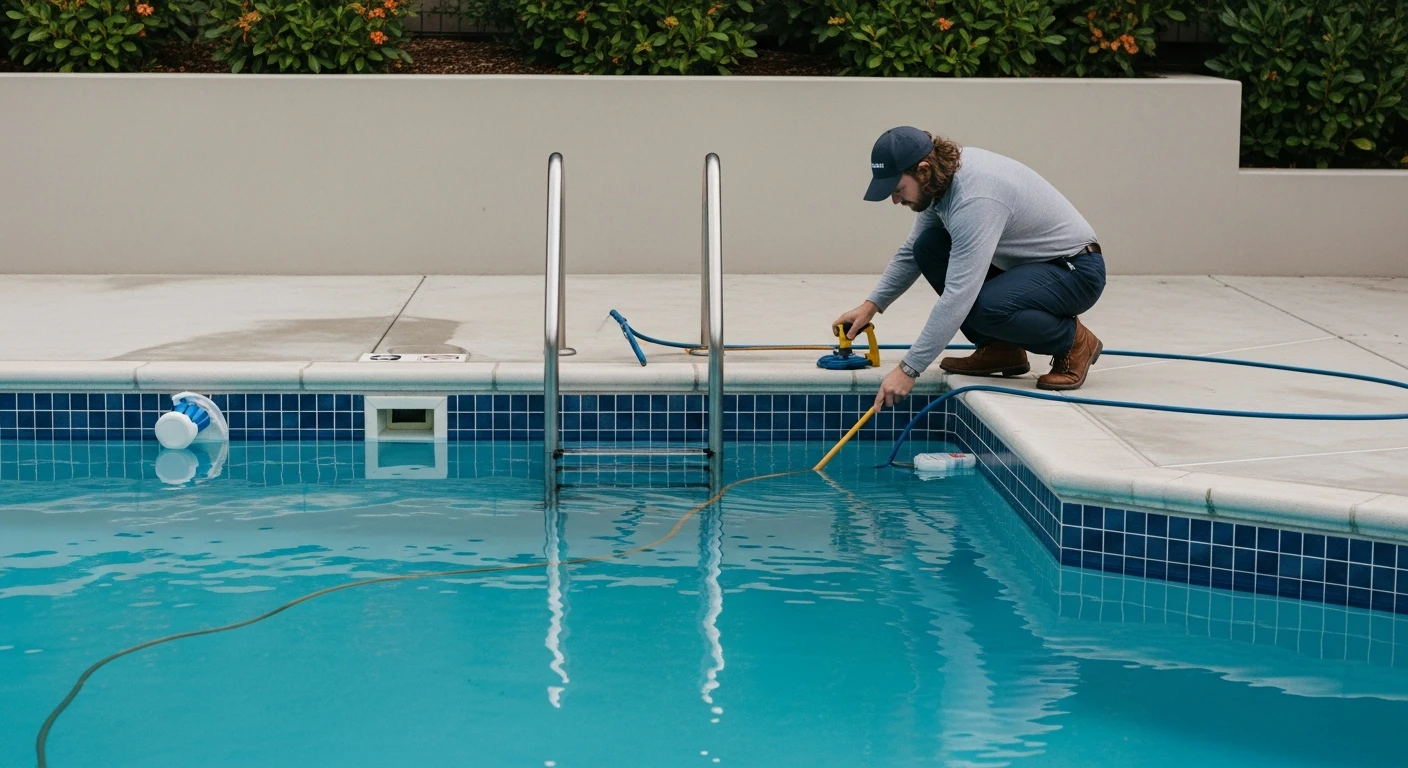
- Step 4: Full Equipment Functionality Gauntlet. I systematically test every component under load: pump, filter, heater ignition sequence, valve actuators, automation controls, and any water features. I am specifically looking for abnormal noises, vibrations, or operational delays.
- Step 5: Water Chemistry Deep-Dive & LSI Calculation. I take a water sample and perform a comprehensive test for all key levels, including alkalinity, calcium hardness, and cyanuric acid. From these, I calculate the LSI to determine the water’s corrosive or scaling potential and report on its long-term impact.
Tags
pool inspectors near me
leak detection pools
pool leak inspection
certified pool inspector near me
Pool Inspection Services FAQ
What is the purpose of a pool inspection?
A pool inspection is a thorough examination of your pool's condition to identify any potential issues or defects. Our expert inspectors will assess the pool's structure, equipment, and surrounding areas to ensure your pool is safe and functioning properly.
What kind of issues can a pool inspection detect?
Our pool inspections can detect a wide range of issues, including cracks in the pool shell, leaks in the pipes or equipment, improper chemical levels, and safety hazards such as loose or missing handrails. We'll identify any problems before they become major concerns.
How often should I get my pool inspected?
It's recommended to have your pool inspected at least once a year, but more frequently if you notice any issues or changes in the pool's condition. Regular inspections can help prevent costly repairs and ensure your pool remains safe and enjoyable.
What are the benefits of hiring a professional pool inspector?
Our expert inspectors have the training and experience to identify potential issues that you may not notice yourself. We'll provide you with a detailed report outlining any problems found and recommendations for repairs or maintenance. This can help you prioritize your pool's needs and budget accordingly.
Can I perform a pool inspection myself?
While it's possible to perform a basic pool inspection yourself, it's often difficult to identify potential issues without proper training and experience. Our inspectors have the knowledge and expertise to identify subtle signs of trouble that could lead to more serious problems down the line.
Do you offer pool inspection services for commercial pools?
Yes, we provide pool inspection services for commercial pools, including hotels, resorts, schools, and other public facilities. Our inspectors are trained to assess the unique needs and requirements of commercial pools and provide detailed reports for your maintenance team or insurance provider.
How long does a pool inspection typically take?
The length of a pool inspection can vary depending on the size and complexity of the pool, as well as the number of issues found. Generally, our inspections take anywhere from 30 minutes to several hours to complete.
What if I need repairs or maintenance after the inspection?
We can recommend local contractors and providers for any necessary repairs or maintenance. We'll also work with you to prioritize your pool's needs and budget accordingly, ensuring you get the best value for your investment.
Are your pool inspectors certified and insured?
Yes, our pool inspectors are certified by industry-recognized organizations and are fully insured for your protection. We're committed to providing you with expert, trustworthy service.