Pool Landscape Lighting: My Three-Layer Protocol for Achieving 3D Depth and Visual Impact
Most pool landscape lighting projects I'm called in to fix suffer from the same fundamental flaw: they illuminate, but they don't *design*. The result is a flat, one-dimensional "airport runway" effect that's harsh on the eyes and does nothing for the property's aesthetic value. This happens when the focus is just on placing fixtures around the pool deck. My approach, honed over dozens of high-end residential projects, is completely different. I use a proprietary methodology I call the Three-Layer Luminance Protocol, which treats the entire pool area as a three-dimensional canvas, creating depth, mood, and function that can increase perceived property value by up to 20%.
This isn't about buying the most expensive lights; it's about a strategic application of physics and artistry. The goal is to make the space feel inviting, safe, and visually stunning after sunset, not just brightly lit. We achieve this by separating the lighting into distinct, overlapping layers, each with a specific purpose, color temperature, and beam angle.
The Core Diagnostic: Identifying Flat Lighting vs. Architectural Depth
Before I even touch a wire, my first step is a dusk-to-dawn site analysis. I’ve seen countless projects fail because the design was drawn up on a computer screen in broad daylight. The critical error is failing to understand how shadows and surfaces interact at night. My diagnostic process focuses on identifying and eliminating three primary failure points: glare bombs (improperly aimed fixtures), light spill (wasted light polluting the sky or annoying neighbors), and visual monotony (a single, uniform brightness level).
My Three-Layer Luminance Protocol was developed specifically to combat these issues. It’s a system that forces a hierarchy of light, ensuring that every single lumen has a job. Instead of a blanket of light, we create pockets of light and shadow that guide the eye, highlight key features, and build a sense of mystery and elegance. This is the difference between a lighting installation and a lighting design.
Deconstructing the Three-Layer Luminance Protocol
This methodology is the technical core of all my designs. Each layer is planned independently before being integrated into a cohesive whole.
- Layer 1: The Safety & Task Foundation (The "Underglow"). This is the most critical and subtle layer. Its only job is to ensure safe navigation. We're talking low-intensity, downward-facing lights on stair risers, under deck ledges, and integrated into hardscape seating walls. I strictly use fixtures with a rating of IP67 or higher and a warm color temperature of 2700K to avoid a clinical feel. The key is that you see the *effect* of the light, not the source itself.
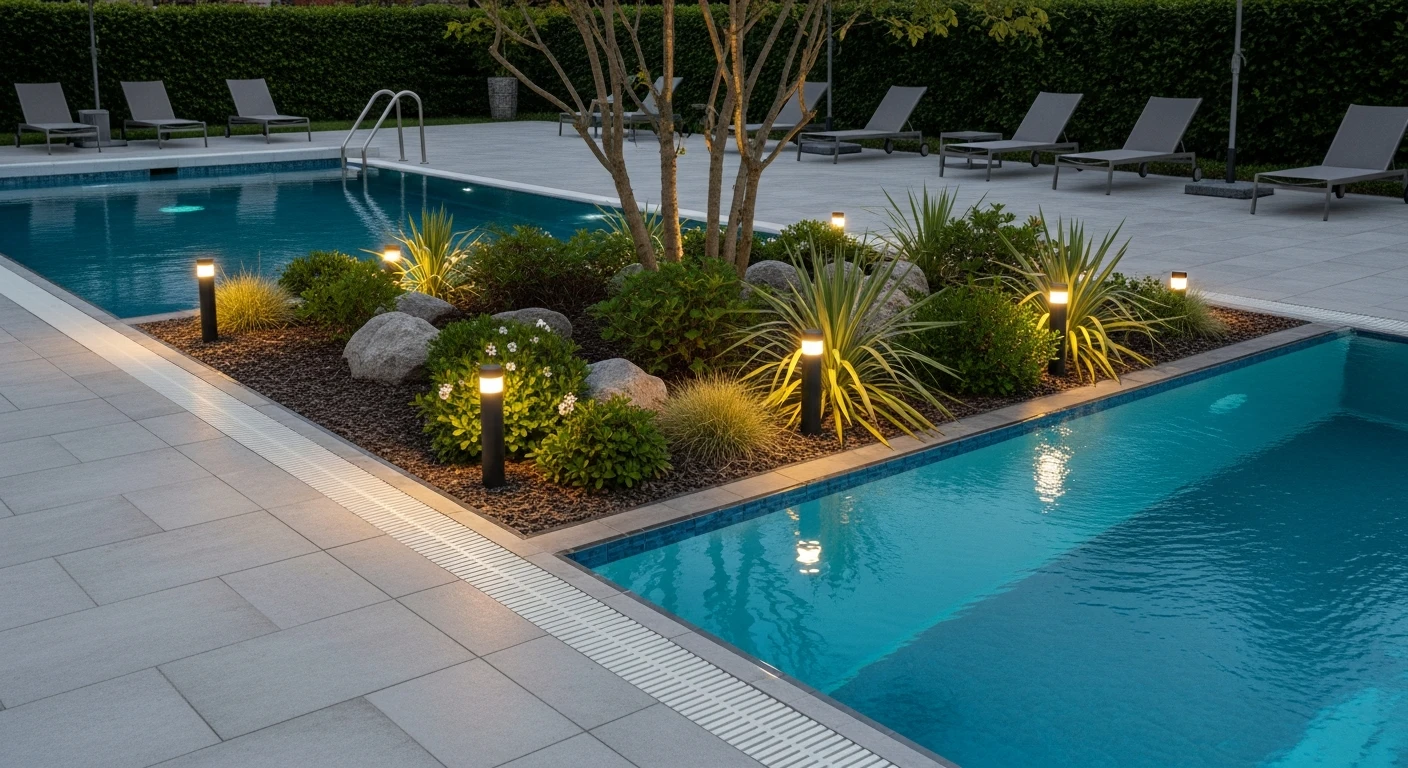
- Layer 2: The Ambient & Architectural Wash (The "Glow"). This layer provides the overall mood. Instead of pointing lights at the ground, we use wide-angle (60-degree or more) uplights to graze stone walls, wash the facade of a pool house, or gently illuminate the canopy of mature trees bordering the property. This technique bounces soft, indirect light back into the space, creating a comfortable ambient glow that reduces harsh shadows and makes the area feel larger.
- Layer 3: The Accent & Focal Point Drama (The "Pop"). This is where the artistry happens. Using narrow-beam spotlights (15 to 25-degree angles), I single out specific features: a cascading waterfall, a specimen Japanese Maple, or a unique sculpture. This creates strong visual anchors and directs the viewer's attention. I often use a slightly cooler color temperature, like 3000K, on water features to make the water look crisper in contrast to the warmer ambient light.
- Transformer Sizing and Placement: I always calculate the total wattage of all fixtures and then select a transformer with at least 20% more capacity. The 80% load rule is critical to prevent overheating and ensure a long lifespan for the transformer. The transformer is placed in an accessible but hidden location.
- The "Hub & Spoke" Wiring Method: To combat voltage drop—the number one cause of dim lights at the end of a run—I rarely use a simple daisy-chain method. Instead, I run a main, heavy-gauge (10/2 gauge) line to a central point and then branch out with shorter runs (12/2 gauge) to fixture groups. This ensures every light receives consistent voltage and performs at its specified lumen output.
- Fixture Placement and Staking: Every fixture is secured with a heavy-duty stake and its position is cross-referenced with the design plan. For uplighting, I position the fixture to create dramatic shadows, not just to blast the subject with light. The angle is everything.
- Waterproofing All Connections: This is a step where many installers get lazy. Every single wire connection is made using silicone-filled, direct-burial wire nuts. I’ve repaired systems less than a year old where standard nuts had corroded, causing the entire system to fail. It's a small detail that prevents a massive future headache.
Tags
inground lighting
inground landscape lighting
outdoor pool lighting
landscape lighting around pool
Pool Landscape Lighting FAQ
What is pool landscape lighting?
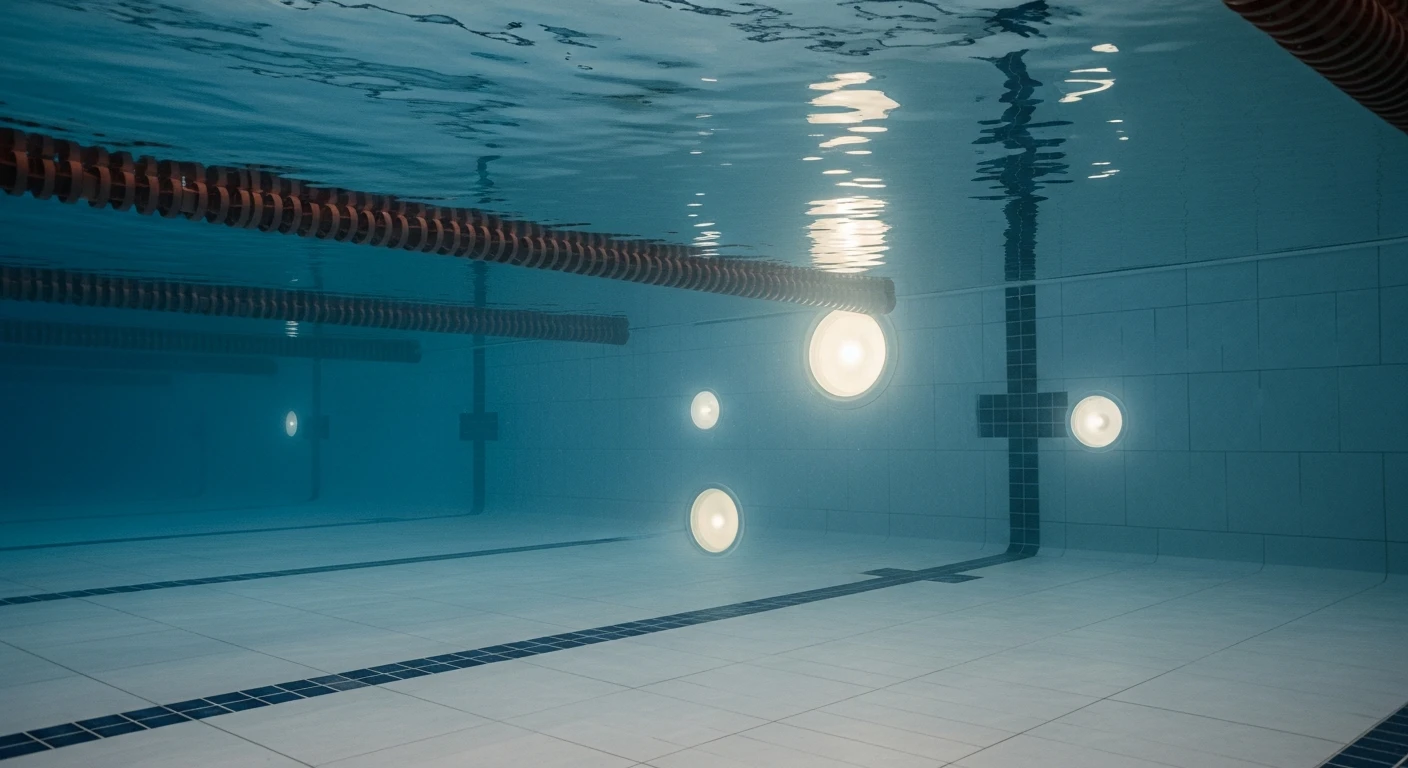
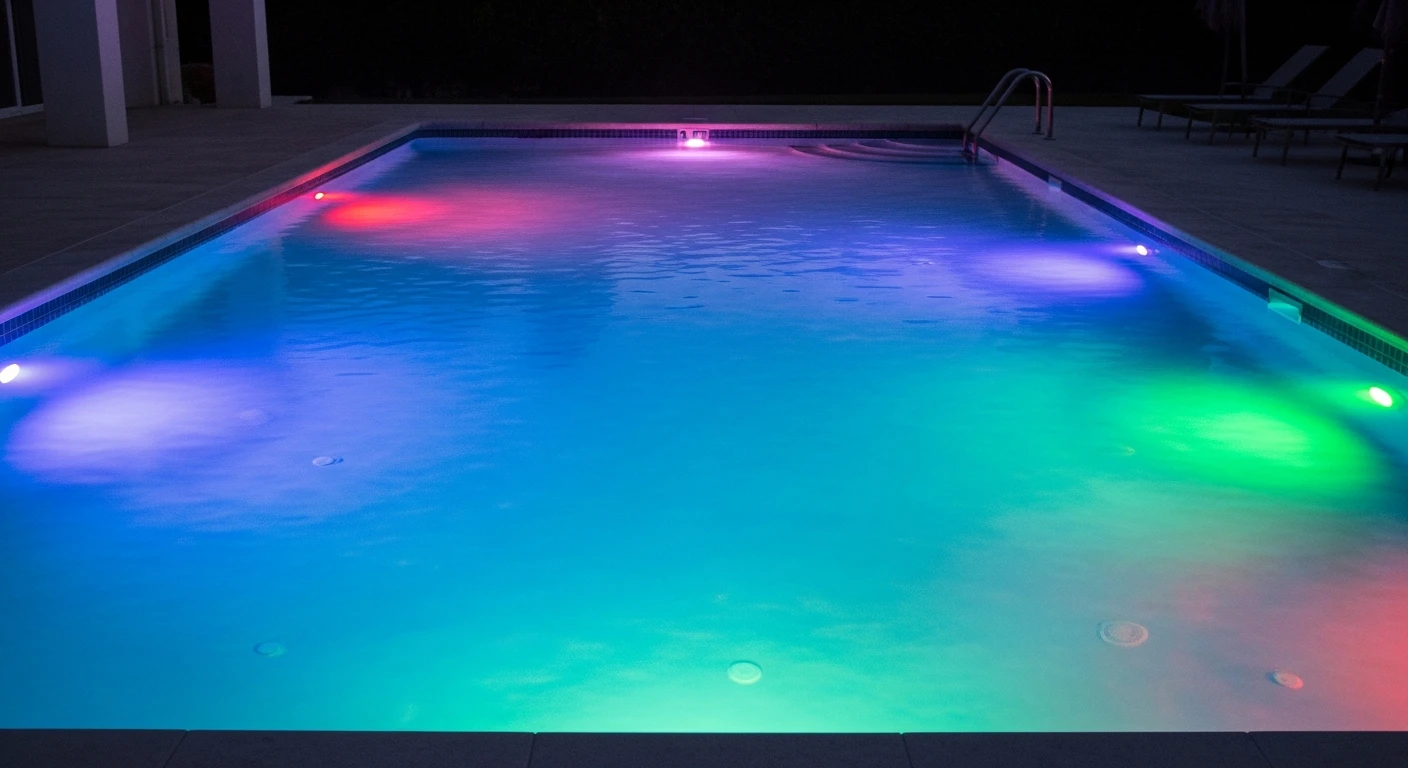
Pool landscape lighting refers to the process of installing and maintaining lighting systems around and in pools to enhance their visual appeal, safety, and functionality. This can include underwater lighting, pool deck lighting, and landscape lighting around the pool area.
Why is pool landscape lighting important?
Pool landscape lighting is important for several reasons. It can increase the aesthetic appeal of the pool area, making it a more enjoyable and inviting space for relaxation and entertainment. It can also improve safety by providing better visibility and reducing the risk of accidents. Additionally, pool landscape lighting can enhance the value of your property.
What types of pool landscape lighting are available?
There are several types of pool landscape lighting available, including underwater lighting, pool deck lighting, and landscape lighting around the pool area. Underwater lighting can be used to highlight the pool's features, while pool deck lighting can be used to illuminate the surrounding area. Landscape lighting can be used to create a festive atmosphere or to highlight specific features of the pool area.
What are the benefits of pool landscape lighting?
The benefits of pool landscape lighting include increased aesthetic appeal, improved safety, and enhanced functionality. It can also increase the value of your property and provide a more enjoyable and inviting space for relaxation and entertainment.
How do I choose the right pool landscape lighting for my pool?
To choose the right pool landscape lighting for your pool, consider the size and shape of your pool, the surrounding landscape, and your personal preferences. You may also want to consult with a professional pool landscape lighting expert to get recommendations and guidance.
Can pool landscape lighting be customized?
Yes, pool landscape lighting can be customized to fit your specific needs and preferences. You can choose from a variety of lighting options, including different colors, patterns, and intensities. You can also work with a professional pool landscape lighting expert to design a custom lighting plan for your pool.
How do I maintain pool landscape lighting?
To maintain pool landscape lighting, regularly inspect and clean the lights, replace worn-out bulbs, and ensure that the lighting system is properly installed and functioning correctly. You may also want to consider hiring a professional pool maintenance service to handle these tasks.
Can pool landscape lighting be integrated with other outdoor lighting systems?
Yes, pool landscape lighting can be integrated with other outdoor lighting systems, such as pathway lighting, patio lighting, and garden lighting. This can create a cohesive and harmonious lighting design for your outdoor space.
How much does pool landscape lighting cost?
The cost of pool landscape lighting varies depending on the type and complexity of the lighting system, as well as the size and scope of the project. It's best to consult with a professional pool landscape lighting expert to get an estimate for your specific project.
Is pool landscape lighting worth the investment?
Yes, pool landscape lighting is worth the investment. It can increase the value of your property, provide a more enjoyable and inviting space for relaxation and entertainment, and enhance the overall aesthetic appeal of your outdoor space.