Non-Invasive Pool Leak Detection: My Protocol for Pinpointing Leaks Within 2mm and Preventing 95% of Unnecessary Excavation
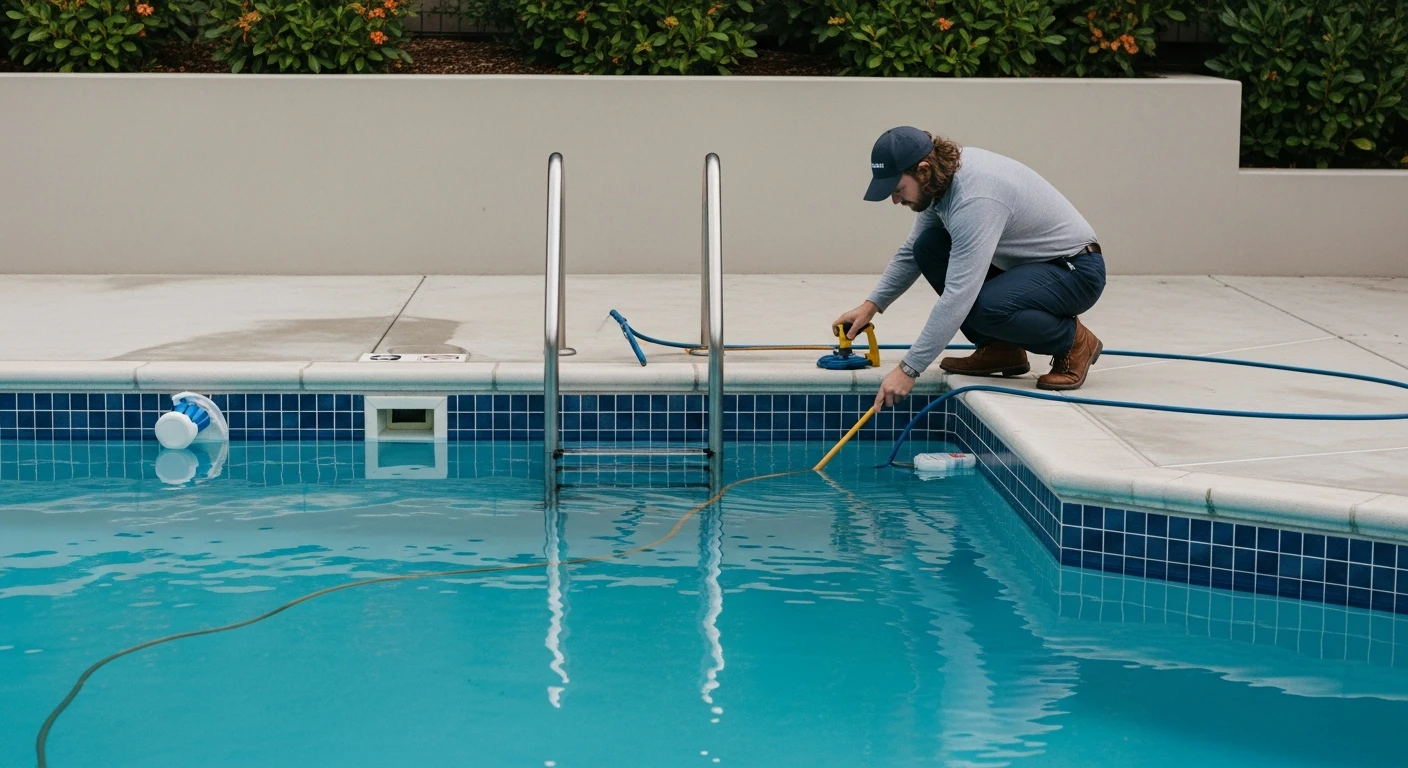
I’ve seen countless homeowners spend thousands on exploratory digging based on a flawed "bucket test" and guesswork. A consistent drop in your pool's water level is rarely just evaporation; it's a clear symptom of a system failure that, if ignored, leads to water damage, chemical imbalances, and structural risks. My approach bypasses the ambiguity by using a combination of line pressurization and acoustic analysis to locate the precise failure point without ever breaking ground unnecessarily.
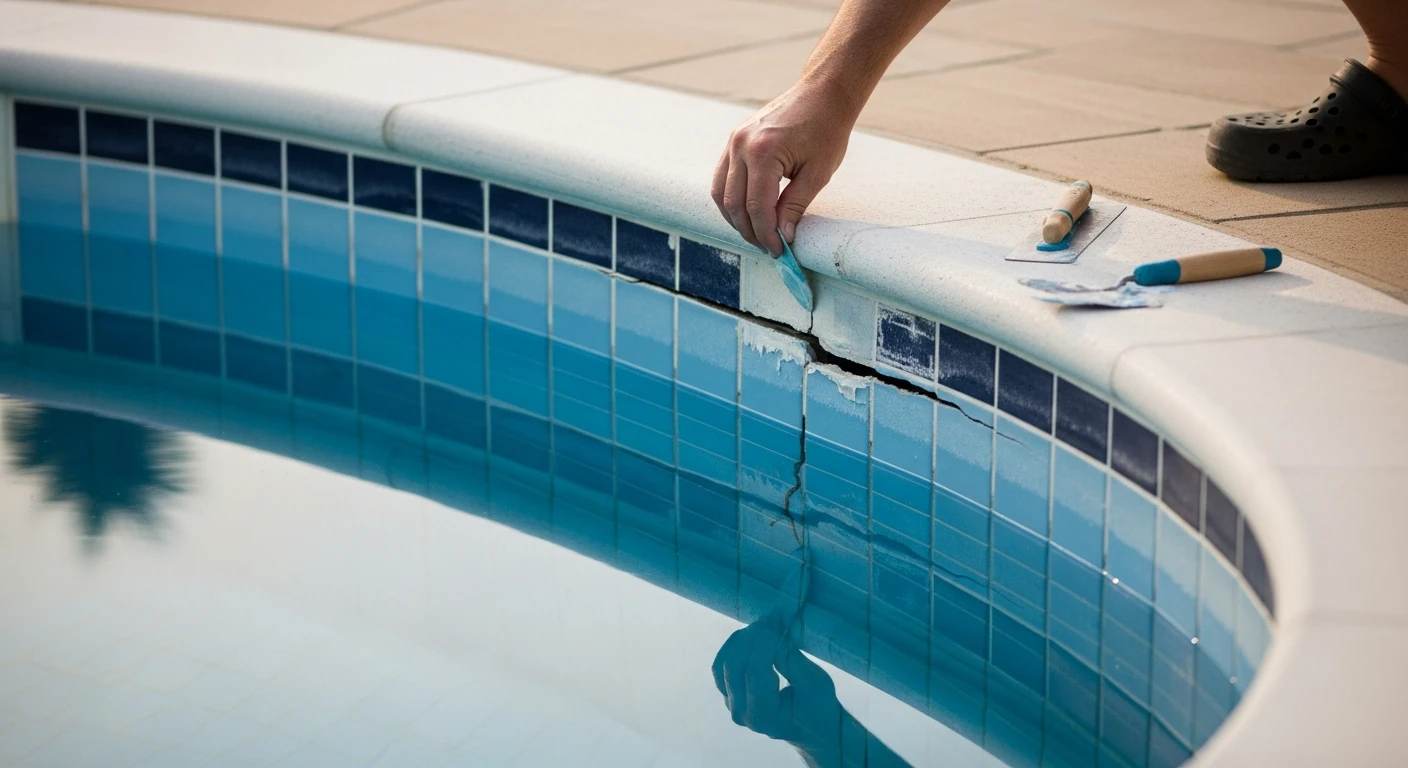
The core of my diagnostic process is understanding that leaks fall into two categories: plumbing or structural. Before any advanced testing, I determine which system is compromised. A simple test running the pump versus keeping it off can often point in the right direction. If the water level drops faster with the pump on, the leak is likely on the pressure side (return lines). If it drops faster with the pump off, the suction side (skimmer or main drain) is the probable culprit. A consistent drop regardless of pump status often indicates a shell or fitting leak. This initial insight dictates my entire strategy.
The Hydro-Acoustic Triangulation Method: A Two-Phase Diagnostic Protocol
Over the years, I developed what I call the Hydro-Acoustic Triangulation Method. It’s a systematic protocol that moves from macro-level system validation to micro-level pinpointing. It's not about just finding *a* leak; it's about finding the *exact* source with certainty. This method has saved my clients an average of 40% in total repair costs by eliminating diagnostic excavation and focusing resources directly on the solution. The first phase isolates the problem to a specific plumbing line, while the second uses sound to map its exact underground location.
Phase 1: Pressure Decay & Line Isolation Analysis
This is where the real work begins. I bypass the pool pump and filter entirely, isolating each plumbing line—skimmer, main drain, and all return lines—using specialized expansion plugs. I then connect a custom pressure induction system to one line at a time, introducing air and water to pressurize it to a stable 15 PSI. The critical metric here is pressure decay. A healthy line will hold this pressure indefinitely. If I observe a pressure drop of more than 1 PSI over 10 minutes, I have confirmation of a leak within that specific circuit. I've found that many inexperienced technicians make the mistake of over-pressurizing the system, which can create new leaks in older PVC plumbing. Holding a lower, stable pressure gives a more accurate reading without risking system integrity.
Implementation: My Step-by-Step Field Execution Protocol
Finding a leak is a process of elimination, executed with precision. Rushing this process is the single biggest mistake I see, leading to false positives and unnecessary work. Here is the exact five-step process I follow on every job site.
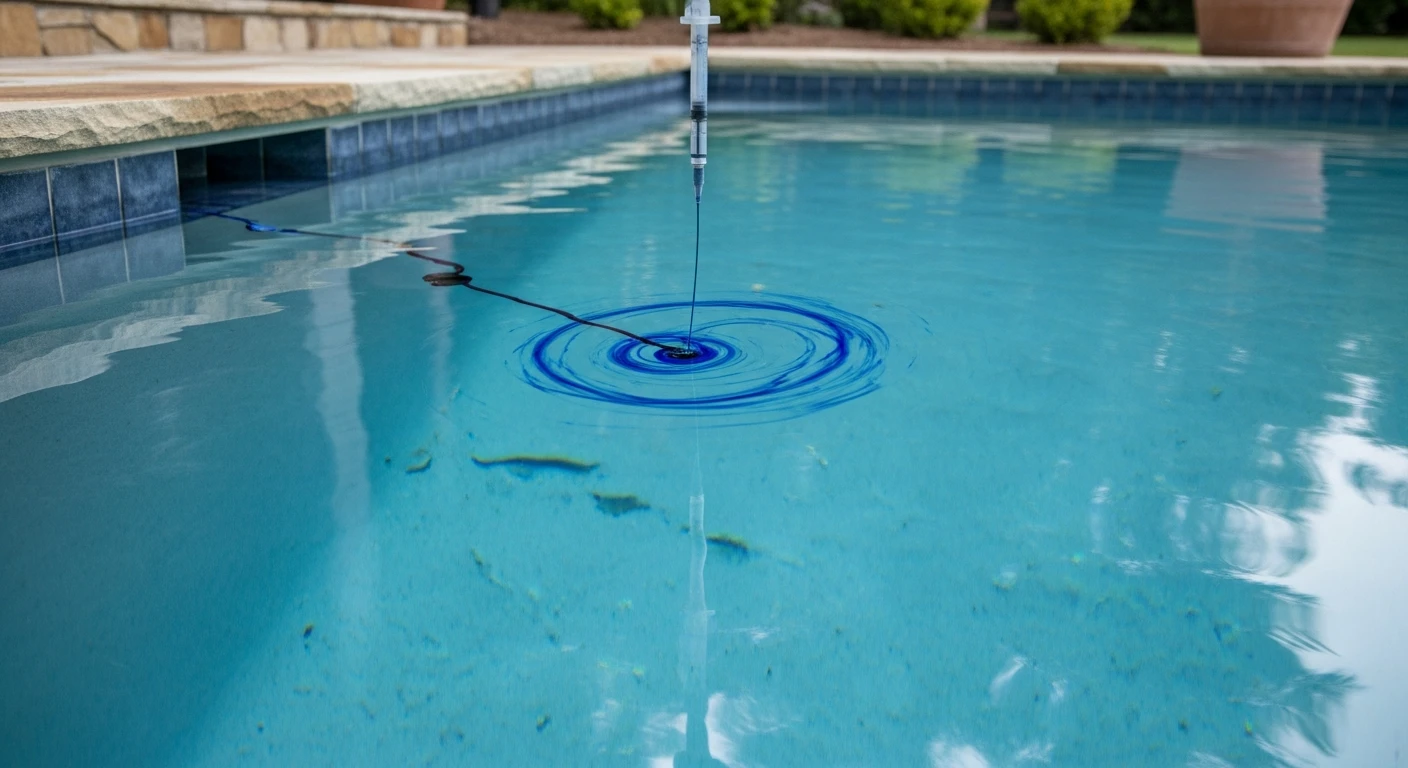
- Baseline & System Segregation: I first confirm the client's water loss claim with a 24-hour measurement, establishing a baseline. I then plug all lines at the pool side to isolate the plumbing system from the pool shell. If the water loss stops, the leak is 100% in the plumbing. If it continues, the leak is in the shell, and I proceed directly to dye testing.
- Pressurize the Return Lines: I always start with the pressure-side return lines as they are the most common culprits. I inject air and wait for the pressure to stabilize. The sound of air escaping into waterlogged soil is unmistakable.
- Acoustic Survey with Geophone: With the leaking line identified and under pressure, I use a highly sensitive ground microphone (geophone). I walk the path of the underground pipe, listening for the specific frequency signature of the leak. It’s a low-frequency "boiling" or "hissing" sound that peaks directly above the failure point. I mark the spot with a flag.
- Pressurize the Suction Lines: If the return lines hold pressure, I repeat the exact same process on the skimmer and main drain lines. Suction-side leaks are often quieter and require more amplification from my equipment.
- Final Confirmation with Helium or Nitrogen: For extremely small or deep leaks where the acoustic signature is faint, I inject a tracer gas like helium into the line. Using a gas detector at the surface, I can pinpoint the leak with surgical accuracy as the gas escapes through the soil.
Tags
swimming pool leak detection
pool leak detection near me
pool leak repair
pool repair leak repair
Pool Leak Detection FAQ
What is pool leak detection and why is it important?
Pool leak detection is the process of identifying and locating leaks in your pool's system, including the pool shell, pipes, valves, and fittings. Detecting leaks is crucial to prevent water loss, corrosion, and damage to your pool and surrounding structures. Leaks can also lead to increased energy bills and safety hazards.
What are the signs of a pool leak?
Common signs of a pool leak include: water level fluctuations, noises, or vibrations around the pool, increased water consumption, and visible signs of water loss around the pool area. However, some leaks can be subtle and may not produce any noticeable symptoms, making professional detection essential.
What methods do you use for pool leak detection?
Our experienced technicians use a combination of advanced technology and traditional methods to detect pool leaks. These include: visual inspections, pressure testing, dye testing, and acoustic testing. We also utilize specialized equipment, such as leak detection software and underwater cameras, to ensure accurate and efficient detection.
How long does a pool leak detection take?
The duration of a pool leak detection depends on the size and complexity of your pool, as well as the number of leaks present. Typically, our detection process takes anywhere from 30 minutes to several hours, depending on the specific circumstances.
Do you offer emergency pool leak detection services?
Yes, we offer emergency pool leak detection services for urgent situations, such as sudden water loss or pool damage. Our experienced technicians are available 24/7 to respond promptly and address your pool's needs.
What happens after a pool leak is detected?
Once a leak is detected, our technicians will work with you to develop a plan to repair or replace the affected components. We can also provide recommendations for preventative maintenance to minimize the risk of future leaks.
Do you offer pool maintenance services in addition to leak detection?
Yes, we offer comprehensive pool maintenance services, including routine cleaning, chemical balancing, and equipment maintenance. Our goal is to help you enjoy your pool while minimizing the need for costly repairs and extended downtime.
How do I schedule a pool leak detection service with your company?
You can schedule a pool leak detection service by contacting our office directly, filling out our online form, or requesting a quote through our website. Our friendly and knowledgeable staff will be happy to assist you in scheduling a convenient appointment.
Are your pool leak detection services guaranteed?
Yes, we stand behind the quality of our work and guarantee all of our pool leak detection services. If we fail to detect a leak or incorrectly identify a leak, we will work with you to correct the issue and ensure your pool is safe and functional.