Losing an inch of water a day isn't just an expense; it's a symptom of a potentially catastrophic failure. Over my 15 years in the field, I've seen minor leaks ignored until they caused deck collapses and foundation damage. The common "bucket test" is a starting point, but it won't find the source. My entire service is built around a principle of non-invasive, multi-layered diagnostics that isolates the leak's origin down to the square inch, often without any destructive work.
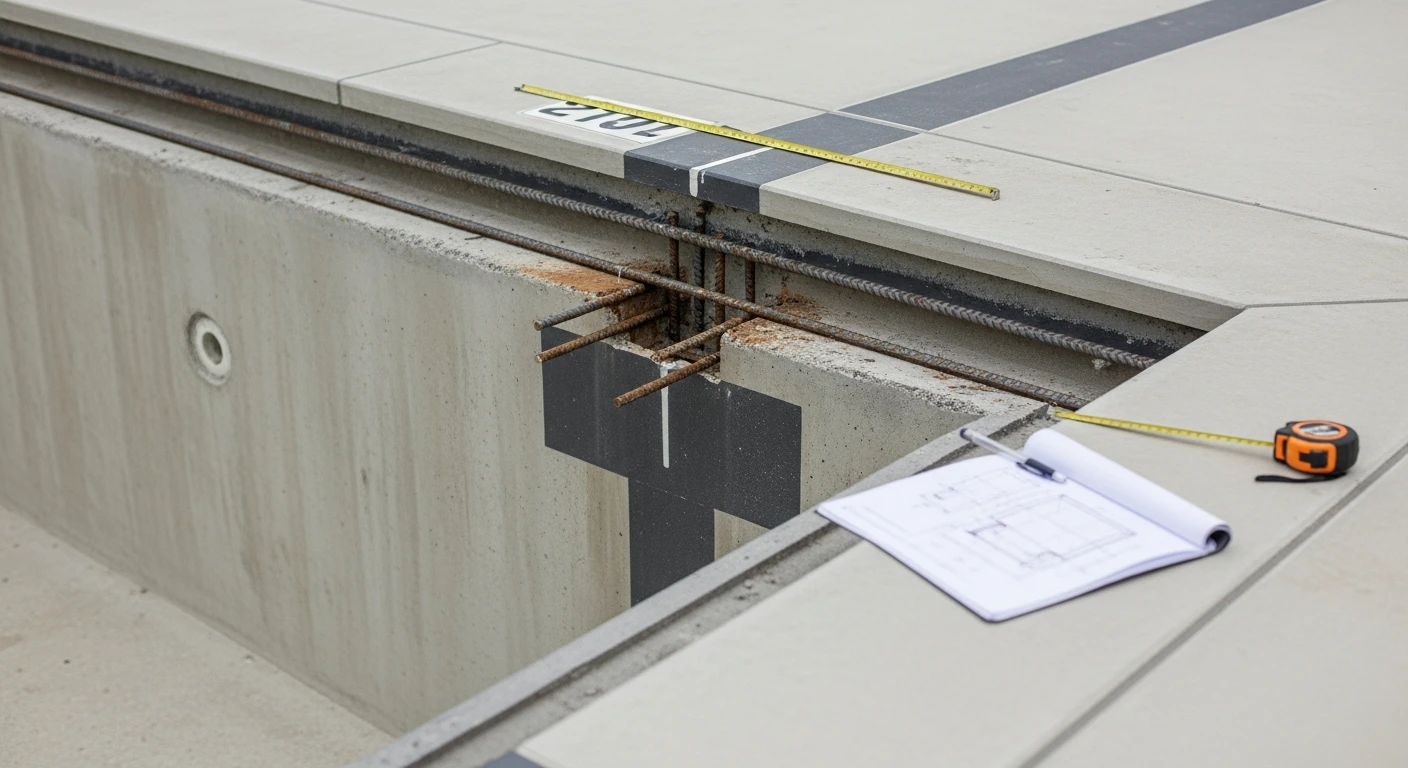
The real cost of a pool leak isn't the water bill; it's the escalating damage from soil erosion and rebar corrosion within the pool's shell. My approach moves beyond guesswork and implements a systematic process that quantifies water loss and pinpoints the structural vulnerability, protecting your investment and preventing a small issue from becoming a multi-thousand dollar repair.
My Proprietary Hydro-Static Triangulation MethodEarly in my career, I relied solely on pressure testing, a common but flawed method. I once had a project where a high-pressure test on an old PVC line actually created a new, larger fracture. That costly mistake forced me to develop a more intelligent system. My Hydro-Static Triangulation Method is a three-pronged diagnostic that cross-references data to achieve undeniable accuracy before a single tool touches the deck.
The Technical Deep-Dive: Acoustic, Dye, and Pressure CorrelationThis isn't about using one tool; it's about making three different technologies tell the same story. First, we deploy a highly sensitive hydrophone. This isn't just listening for a "drip"; the software analyzes the acoustic signature to differentiate between a structural crack in the gunite, a skimmer separation, or a leak in an underground pipe. A pipe leak produces a distinct, low-frequency 'hiss' that we can isolate. Second, we use a specialized dye injector with a reverse-flow inhibitor. Amateur dye tests often cloud the water, giving false positives. My technique uses a concentrated, negatively buoyant dye that is drawn directly into the fissure, providing visual confirmation of the acoustic data. Finally, we perform a low-PSI pressure isolation test, but only on the specific line flagged by the first two methods. By testing individual lines (skimmer, main drain, returns) separately at a controlled pressure of just 5-10 PSI, we confirm the leak's location without risking further damage to the plumbing.
The Implementation Protocol: From Initial Analysis to Final PinpointA successful leak detection is a methodical process, not a treasure hunt. I've refined my workflow to eliminate variables and deliver a conclusive report every time. Here’s how I execute it on-site:
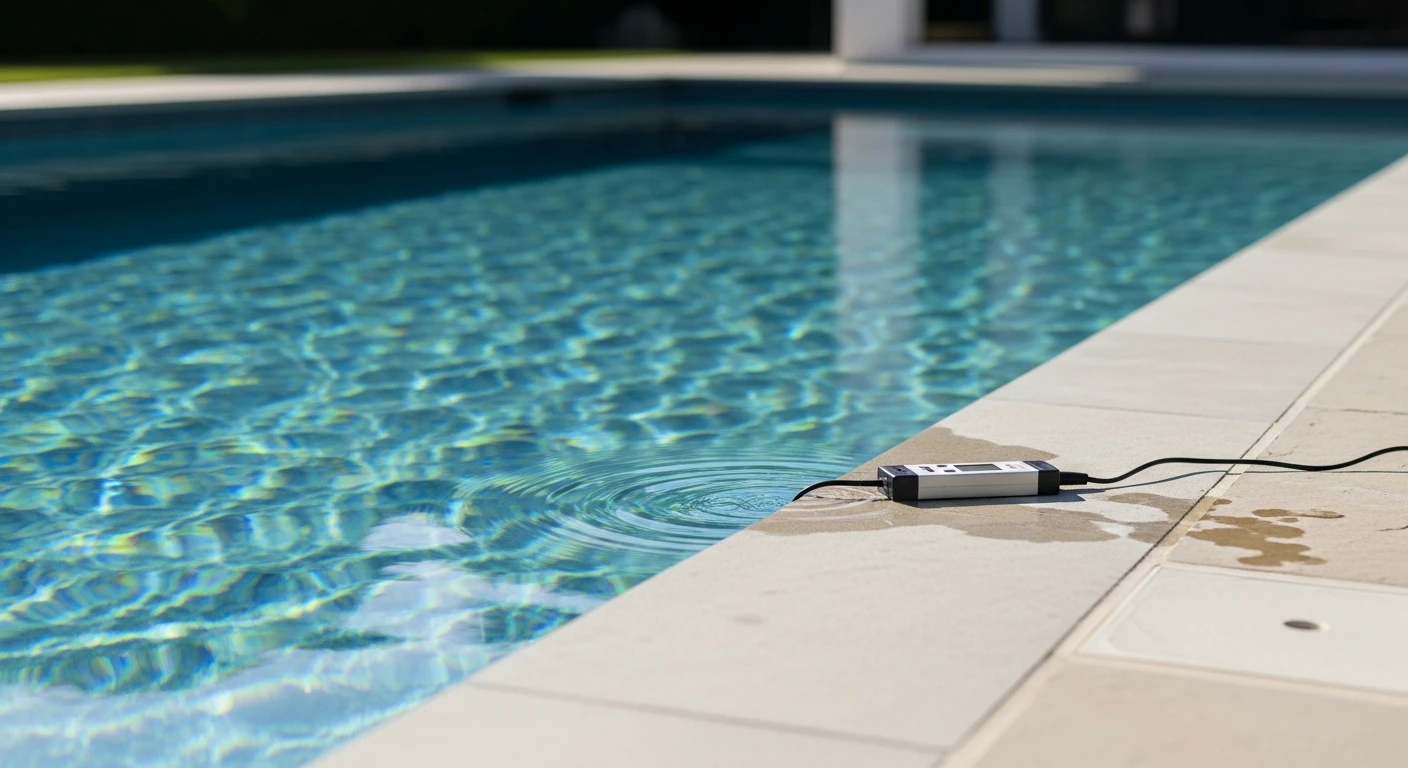
- Step 1: System Isolation & Baseline Measurement. We first turn off all equipment and use a digital water level sensor to establish a baseline water loss rate over a 30-minute period. This gives us a hard KPI to measure against.
- Step 2: Structural Acoustic Mapping. The hydrophone is used to scan the entire pool shell. I've built a personal "sound library" of different leak types, allowing me to identify a main drain leak versus a light fixture leak with 90% accuracy from sound alone.
- Step 3: Targeted Dye Verification. Based on the acoustic map, we apply the concentrated dye to the top 2-3 suspected locations. We are not searching; we are confirming a hypothesis.
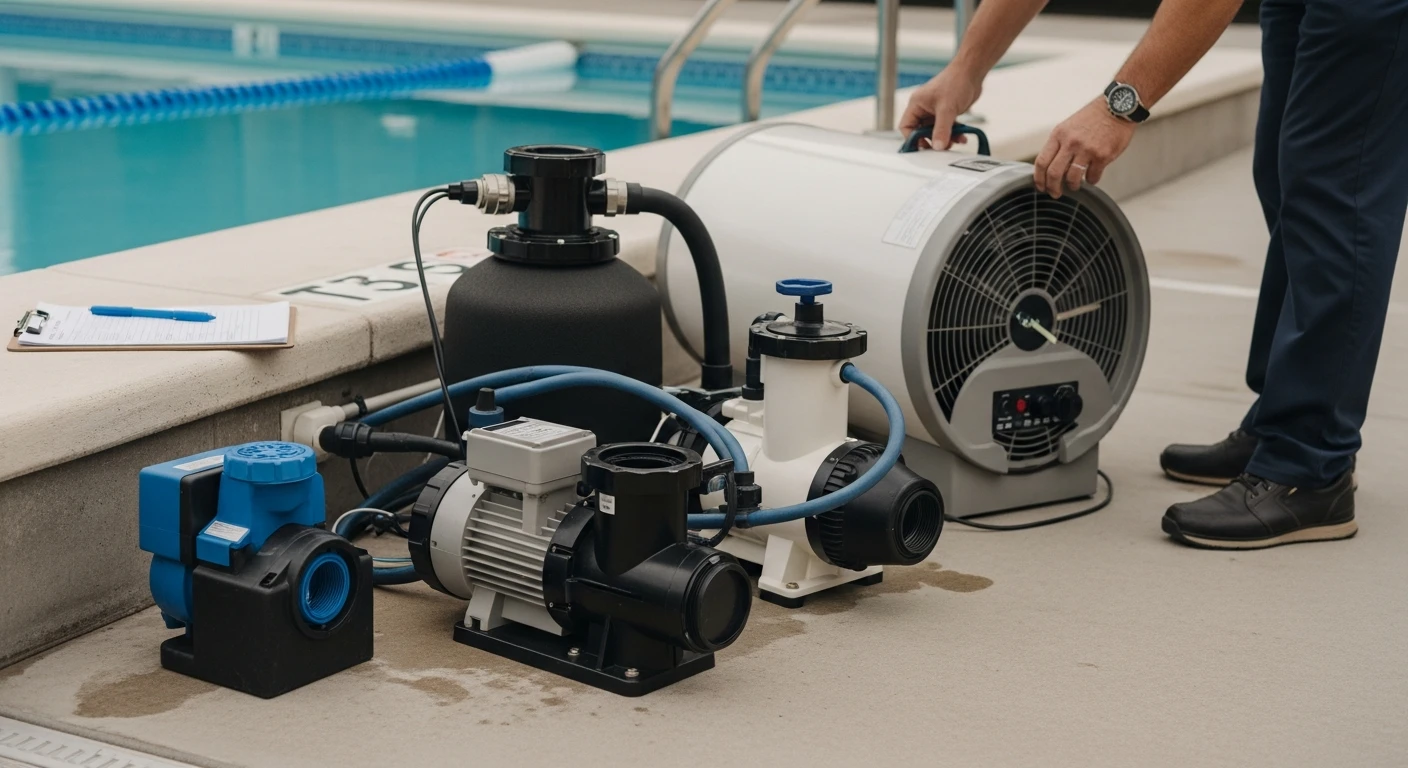
- Step 4: Plumbing & Line Isolation. We use specialized plugs to isolate each plumbing line from the pool. Each line is then subjected to the low-PSI pressure test to confirm if it holds pressure or if it's the source of the loss identified in our baseline measurement.
- Step 5: Electronic Leak Triangulation (For Underground Lines). If a pipe is confirmed as the source, we introduce a safe, conductive gas into the line and use a highly sensitive "sniffer" at ground level to detect its escape point. This allows us to mark the exact spot on the deck for repair, minimizing demolition.
The difference between a good and a great technician lies in the details. My internal standard for a "sealed" plumbing line is a pressure drop of less than 1 PSI over a 15-minute period. Many competitors accept 2-3 PSI, which I consider unacceptable as it can still account for significant water loss over a season. Furthermore, I always cross-reference my findings with environmental factors. I once had a case where the "leak" was actually extreme water wicking due to a poorly sealed conduit behind a pool light. An inexperienced tech would have torn up the plumbing. By analyzing the entire system, not just the obvious parts, I saved the client a massive, unnecessary repair bill.
Now that you understand the process, have you considered how the soil's hydro-static pressure around your pool might be masking or even exacerbating the true location of your leak?