Weekly Pool Maintenance in Collier County: A Protocol to Counteract Algae Bloom and Calcium Scaling
My first major challenge in Collier County wasn't a green pool; it was a beautiful, clear pool in a Port Royal estate that was silently destroying itself. The owner was meticulously adding chlorine, yet the plaster was pitting and scaling was forming at the waterline. This is a classic case I see from Naples to Marco Island: focusing on sanitation (chlorine) while ignoring water balance, a mistake amplified by our intense subtropical climate. The standard advice fails here because it doesn't account for the aggressive factors of our environment. My entire approach is built on a principle I call LSI-First Balancing. The Langelier Saturation Index (LSI) is a calculation that determines the corrosive or scaling potential of water. In Collier County, with our hard water, high heat, and intense UV exposure, keeping the LSI within a narrow target range of +0.1 to +0.3 is the single most critical factor for pool longevity. Getting this right prevents the algae and scaling that most pool owners are constantly fighting.My Diagnostic Framework for Collier County Pools
Before I even touch a chemical, my process begins with a diagnostic assessment that goes far beyond a simple test strip. I developed this methodology after realizing that pools in a condo complex in Pelican Bay behaved completely differently from pools in single-family homes with large lanais in Golden Gate Estates. The core issue is almost always a misunderstanding of the relationship between Total Alkalinity (TA) and pH, especially during our rainy season. A common error I've had to correct is the "shock-first" reaction. After a heavy afternoon thunderstorm, a pool owner sees cloudy water and immediately dumps in granular shock. This is a critical mistake. The rain has introduced acidic water, drastically lowering the TA. Adding a high-pH shock like cal-hypo causes a wild swing in the LSI, often forcing calcium out of solution and creating scale. My method dictates you never sanitize before you balance.Deconstructing the LSI: Beyond Simple Chlorine Tests
The LSI isn't just one number; it's the result of five interconnected factors that I analyze weekly. Ignoring even one can lead to failure.- Total Alkalinity (TA): This is the buffer for your pH. In Collier County, I aim for a TA of 80-100 ppm. Our municipal water source and the materials in many pools tend to push this number around. A low TA means your pH will swing wildly with every rain shower or bather load.
- pH: This is the acidity or basicity. I maintain a tight range of 7.4-7.6. More importantly, I adjust pH *after* TA is in range. Adjusting pH first is like steering a car with a flat tire; you're just fighting yourself.
- Calcium Hardness (CH): Our water is naturally hard. I often find CH levels above 400 ppm. Instead of fighting to lower it, I use it as a tool. A higher CH allows me to run a slightly lower TA and pH without the water becoming corrosive, which is a key strategy for protecting expensive pebble and plaster finishes.
- Cyanuric Acid (CYA): The sun stabilizer. The intense Naples sun will destroy unstabilized chlorine in hours. My rule is to maintain CYA at 30-50 ppm. I've seen pools where CYA creeps above 100 ppm from using stabilized tablets, which effectively makes the chlorine useless and requires a costly partial drain and refill.
- Water Temperature: A non-chemical factor everyone overlooks. A pool in July at 92°F is far more prone to scaling than the same pool in January at 75°F. I adjust my LSI targets based on the season, a precision step most services ignore.
The Weekly Implementation Protocol: A Step-by-Step Breakdown
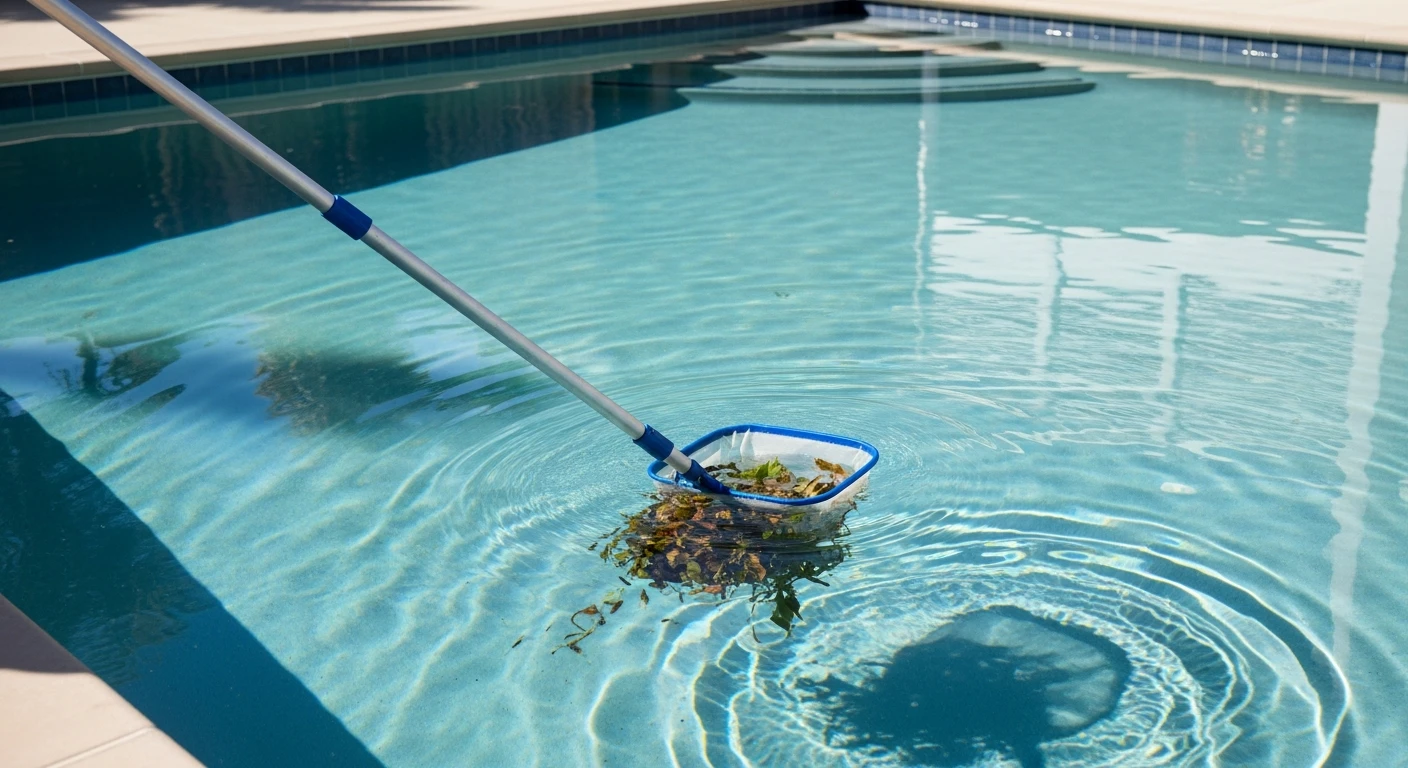
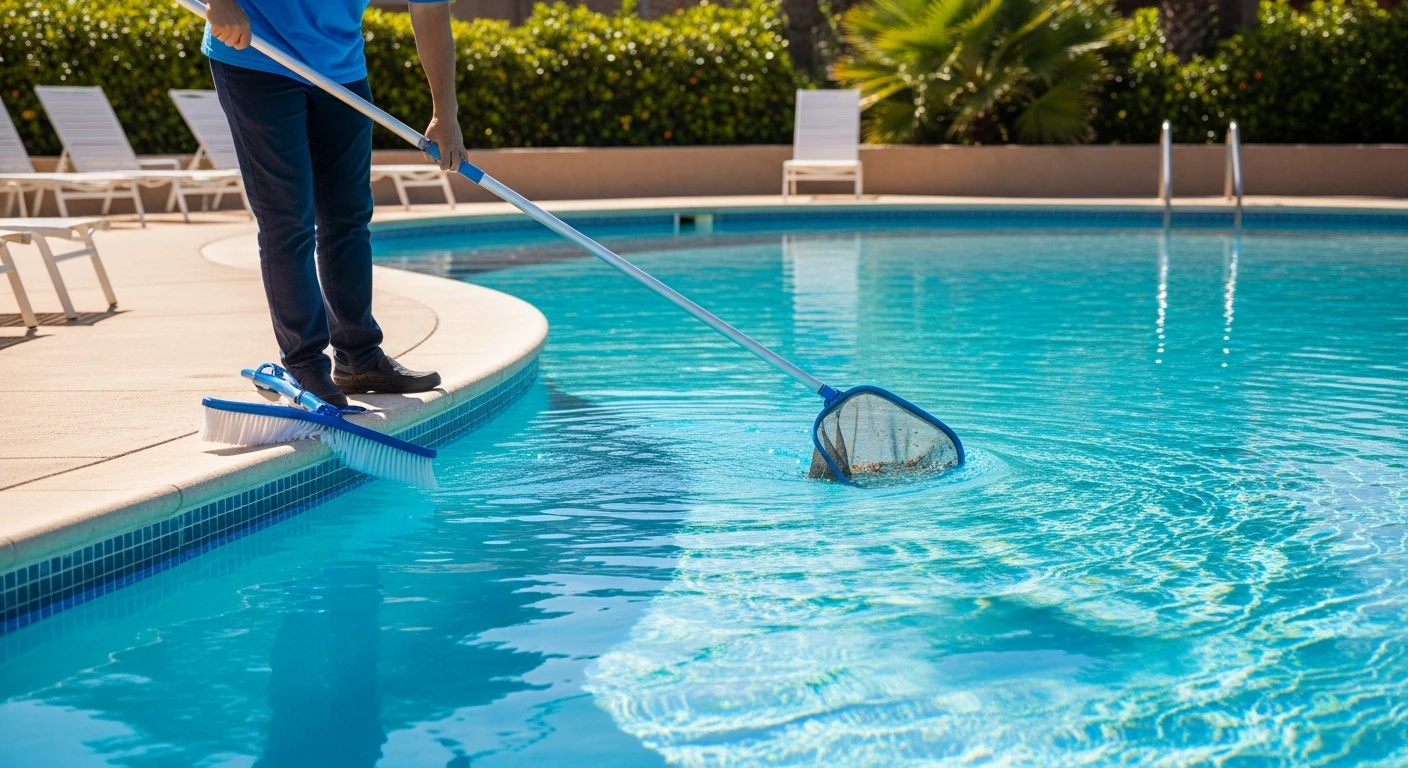
My weekly service is a repeatable, data-driven process. Every action has a purpose tied directly to maintaining that critical LSI balance.- Physical Cleaning First: I always skim, vacuum, and brush before testing. Removing organic debris is crucial because it consumes chlorine, putting an unnecessary demand on your sanitation system. Brushing the walls, especially in corners and steps, physically breaks up any forming biofilm before it can become a visible algae spot.
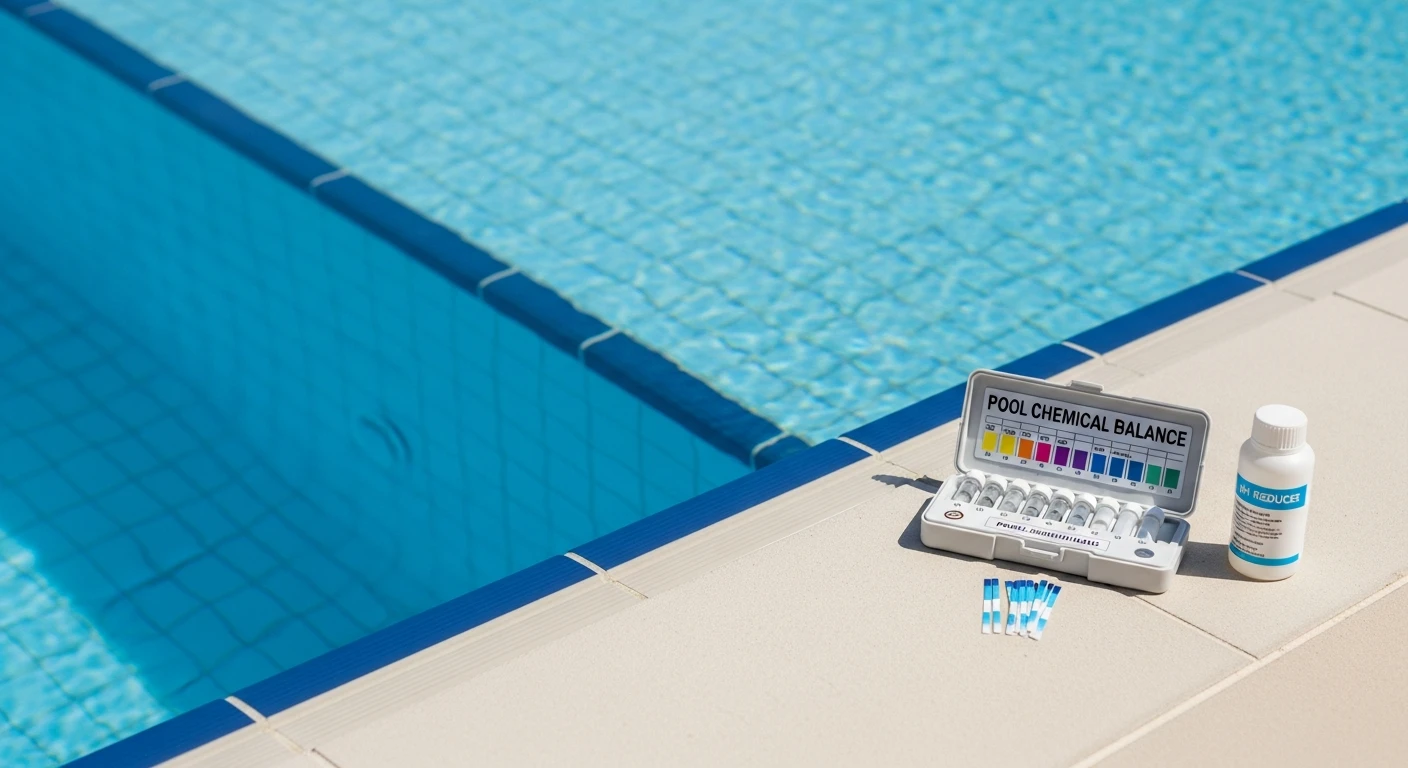
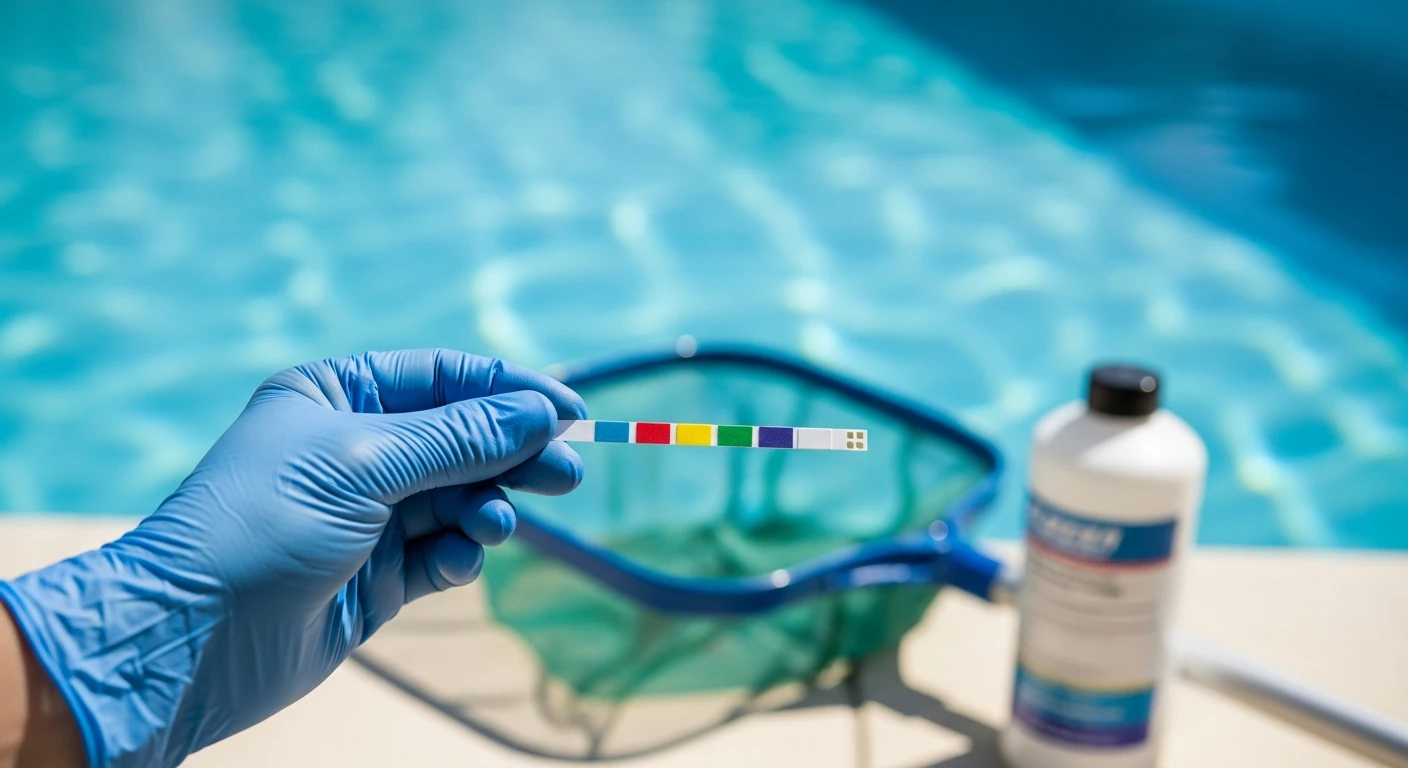
- Professional-Grade Water Testing: I rely exclusively on a Taylor K-2000C titration test kit. Test strips are notoriously inaccurate and do not provide the precision needed for LSI calculations. I test for Free Chlorine (FC), Combined Chlorine (CC), pH, TA, and CH every single visit.
- The Adjustment Sequence: This is non-negotiable. I add chemicals in this specific order, allowing at least 30 minutes between applications:
- 1. Address Total Alkalinity using sodium bicarbonate if low.
- 2. Adjust pH using muriatic acid (to lower) or soda ash (to raise).
- 3. Correct Calcium Hardness if absolutely necessary (rarely needed here).
- 4. Finally, add sanitizer (liquid chlorine or granular shock) to reach the target FC level based on the CYA reading.
- Equipment Health Check: I check the skimmer and pump baskets, inspect the filter pressure gauge to determine if backwashing is needed, and listen for any unusual noises from the pump motor. A 10 PSI increase over the clean-filter baseline is my trigger for cleaning the filter.
Precision Tuning for Rainy Season & High Heat
The Collier County summer demands a shift in strategy. From June to September, the combination of daily rain and high water temperatures creates a perfect breeding ground for algae. During this period, I increase my clients' Free Chlorine target. If their CYA is 40 ppm, the minimum FC level should be around 3 ppm. However, during summer, I maintain it closer to 5-7 ppm to provide a stronger buffer against the constant organic load from storms. Furthermore, after a significant rain event, the first chemical I check and adjust is TA. Restoring that pH buffer is the top priority before adding any chlorine. This proactive step has reduced algae-related emergency calls among my clients by over 80%. How are you adjusting your Calcium Hardness and Alkalinity inputs to compensate for the summer water temperature increase in your LSI calculation?Written by

Tags
weekly pool service near me
weekly pool cleaning service near me
weekly pool service
swimming pool weekly service
Weekly Pool Maintenance in Collier FL FAQ
What is the importance of regular pool maintenance?
Regular pool maintenance is crucial to ensure the health and safety of swimmers. It helps to prevent the growth of algae, bacteria, and other contaminants that can cause eye irritation, skin rashes, and other health issues. Additionally, regular maintenance can extend the lifespan of your pool and its equipment, reducing the need for costly repairs and replacements.
How often should I clean my pool?
It is recommended to clean your pool at least once a week, or more often depending on usage and weather conditions. This can include skimming the surface, vacuuming the floor and walls, and testing the water chemistry.
What is the best way to clean my pool?
The best way to clean your pool depends on its size, type, and condition. Our team of professionals can assess your pool and recommend the most effective cleaning methods and products for your specific needs.
What should I check when testing my pool water?
When testing your pool water, it is important to check the levels of pH, alkalinity, calcium hardness, and chlorine. Our experts can help you understand what these levels mean and how to adjust them to ensure safe and healthy swimming conditions.
How can I prevent algae growth in my pool?
To prevent algae growth, it is important to maintain proper water chemistry, ensure adequate filtration, and reduce the amount of nutrients that can fuel algae growth. Our team can provide guidance on how to implement these measures and prevent algae blooms in your pool.
What is the best way to store pool chemicals?
It is important to store pool chemicals in a well-ventilated area, away from heat sources and children. Our experts can provide guidance on the proper storage and handling of pool chemicals to ensure safe and effective use.
Can I perform pool maintenance myself, or do I need a professional?
While it is possible to perform some pool maintenance tasks yourself, it is generally recommended to hire a professional for regular maintenance and repairs. Our team has the training, expertise, and equipment to ensure your pool is properly maintained and safe for swimmers.
What are the benefits of hiring a professional pool maintenance service?
Hiring a professional pool maintenance service can provide peace of mind, ensure safe and healthy swimming conditions, and extend the lifespan of your pool and its equipment. Our team can provide regular maintenance, repairs, and upgrades to keep your pool in top condition.