Weekly Pool Maintenance in Pinellas County: My Blueprint for Halting Algae Growth and Extending Pump Life by 25%
Maintaining a pool in Pinellas County isn't like anywhere else. I learned this the hard way after taking over dozens of "problem pools" in St. Petersburg and Clearwater that were being treated with generic, big-box-store advice. The combination of our intense summer sun, high humidity, and sudden, torrential downpours creates a perfect storm for chemical imbalances and algae blooms that can appear overnight. Standard weekly maintenance often fails because it's reactive, not predictive. My entire approach is built on proactive chemical stabilization, focusing on metrics most pool owners and even some professionals overlook. It’s not about dumping more chlorine in; it’s about creating an environment where algae simply can't thrive and your equipment isn't under constant stress. This method has consistently reduced chemical costs for my clients by up to 30% and, more importantly, prevented the dreaded mid-July green pool disaster that is so common from Largo to Palm Harbor.My Diagnostic Framework: The "Pinellas Water Stability" Score
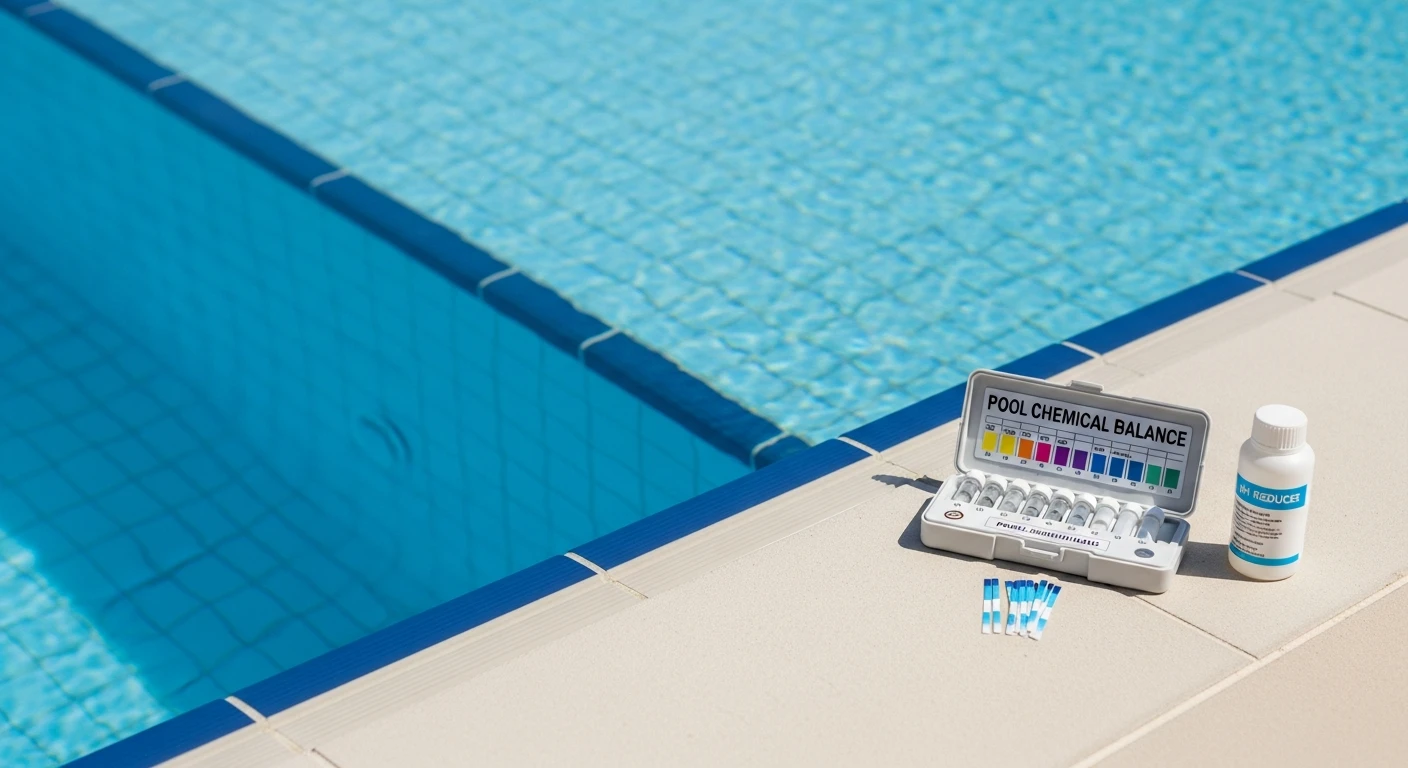
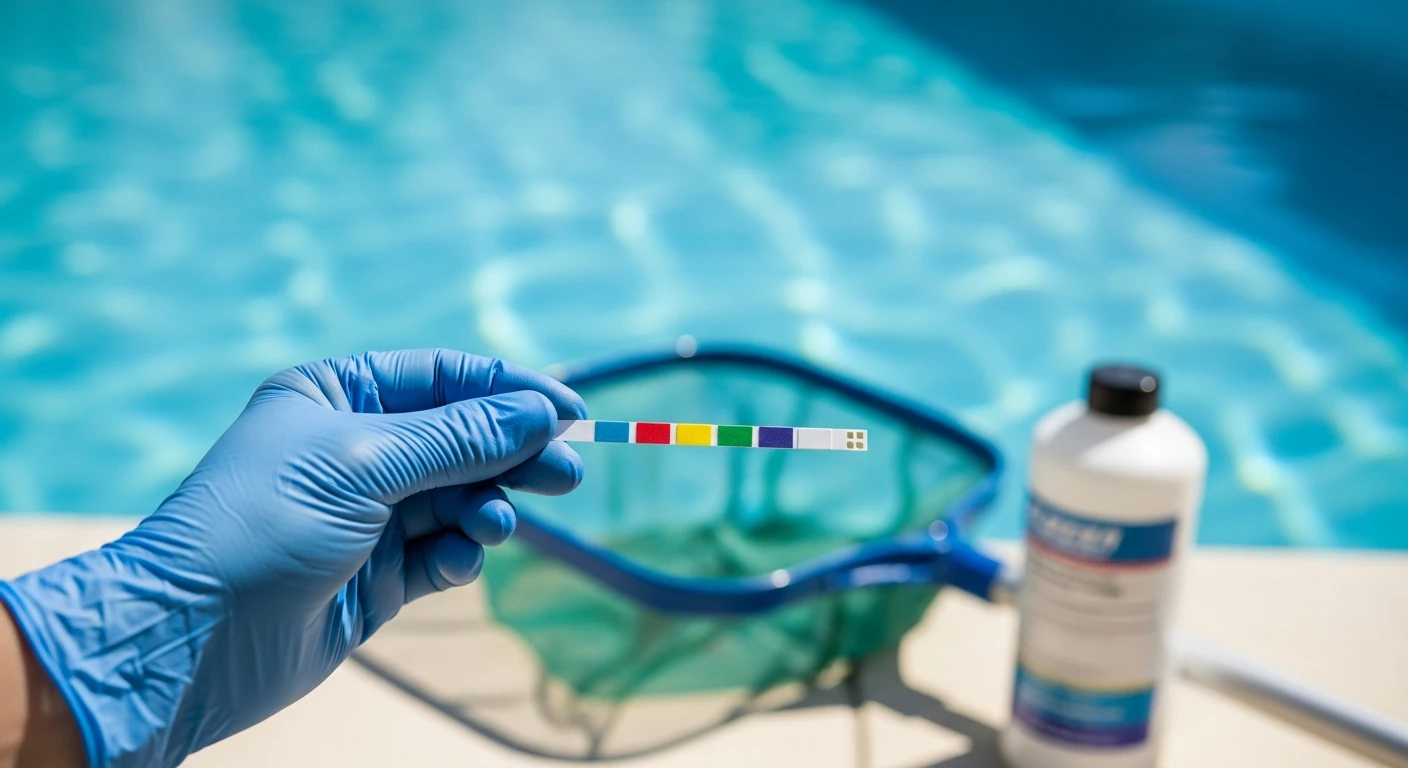
Before I even touch a skimmer, my first step is always a full diagnostic based on what I call the "Pinellas Water Stability" score. It’s a methodology I developed after noticing a pattern of premature salt cell failure and persistent cloudy water in homes along the Intracoastal. The core issue wasn't just chlorine or pH; it was the interplay of often-ignored secondary metrics. Generic test strips just don't cut it here. I rely on a professional-grade titration test kit to get an accurate reading. The mistake I see most frequently is a singular focus on **Free Chlorine (FC)**. In our sun-drenched environment, unstabilized chlorine can be depleted by 90% in just a few hours. My system prioritizes the relationship between FC and **Cyanuric Acid (CYA)**, along with two other critical pillars: **Total Alkalinity (TA)** as a pH buffer against our acidic rain, and **Calcium Hardness (CH)** to protect plaster surfaces, especially in the older, marcite pools common in Dunedin and Tarpon Springs.Deconstructing the Core Chemical Metrics for Our Climate
To truly understand water stability, you have to see how these elements work together. Chasing one metric while ignoring another is like trying to level a table by only adjusting one leg.- The Chlorine-to-CYA Ratio: This is the absolute key. Your CYA level dictates the amount of free chlorine you need to effectively sanitize. For Pinellas County's high UV index, I maintain a CYA level between 40-50 ppm for traditional pools. The critical insight here is that your FC should be approximately 7.5% of your CYA level. A pool with a CYA of 50 ppm needs an FC of at least 3.75 ppm to prevent algae. I once consulted on a large community pool in Safety Harbor that was constantly battling algae despite high chlorine readings; their CYA was over 100 ppm, rendering the chlorine almost useless.
- Total Alkalinity as Your pH Shield: Think of TA as the anchor for your pH. Our afternoon thunderstorms are highly acidic and can cause pH to crash, making the water corrosive. I aim for a TA between 80-120 ppm. This range provides a strong enough buffer to absorb pH shocks from rain, preventing wild swings that stress your equipment and reduce chlorine efficacy.
- Calcium Hardness and TDS Management: Especially for saltwater pools, which are incredibly popular in the waterfront communities of Tierra Verde and St. Pete Beach, managing **Total Dissolved Solids (TDS)** is non-negotiable. A salt cell's efficiency plummets as TDS (which includes salt, calcium, and other minerals) climbs too high. I also check Calcium Hardness (aiming for 200-400 ppm) to prevent the water from leaching calcium from pool surfaces, which can cause pitting and permanent damage over time.
My Step-by-Step Weekly Implementation Protocol
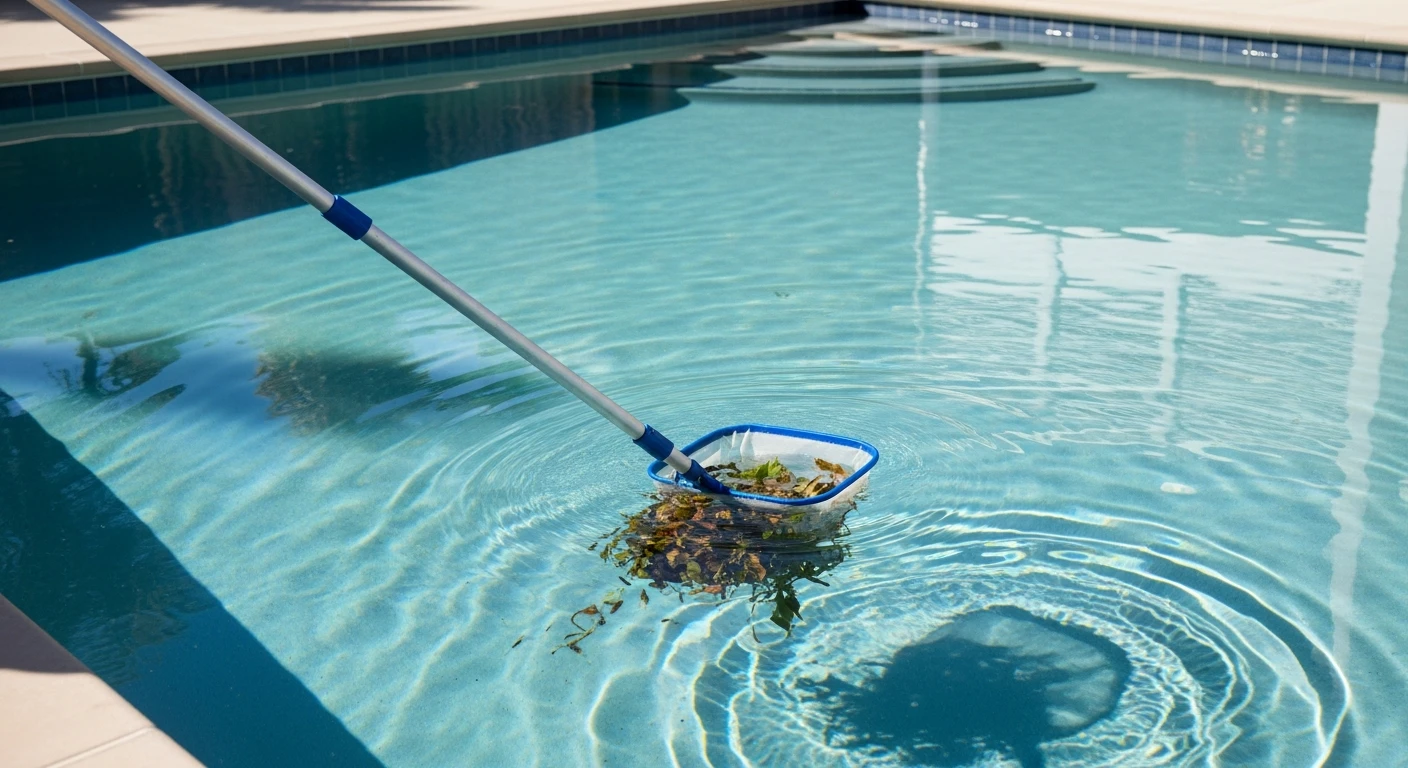
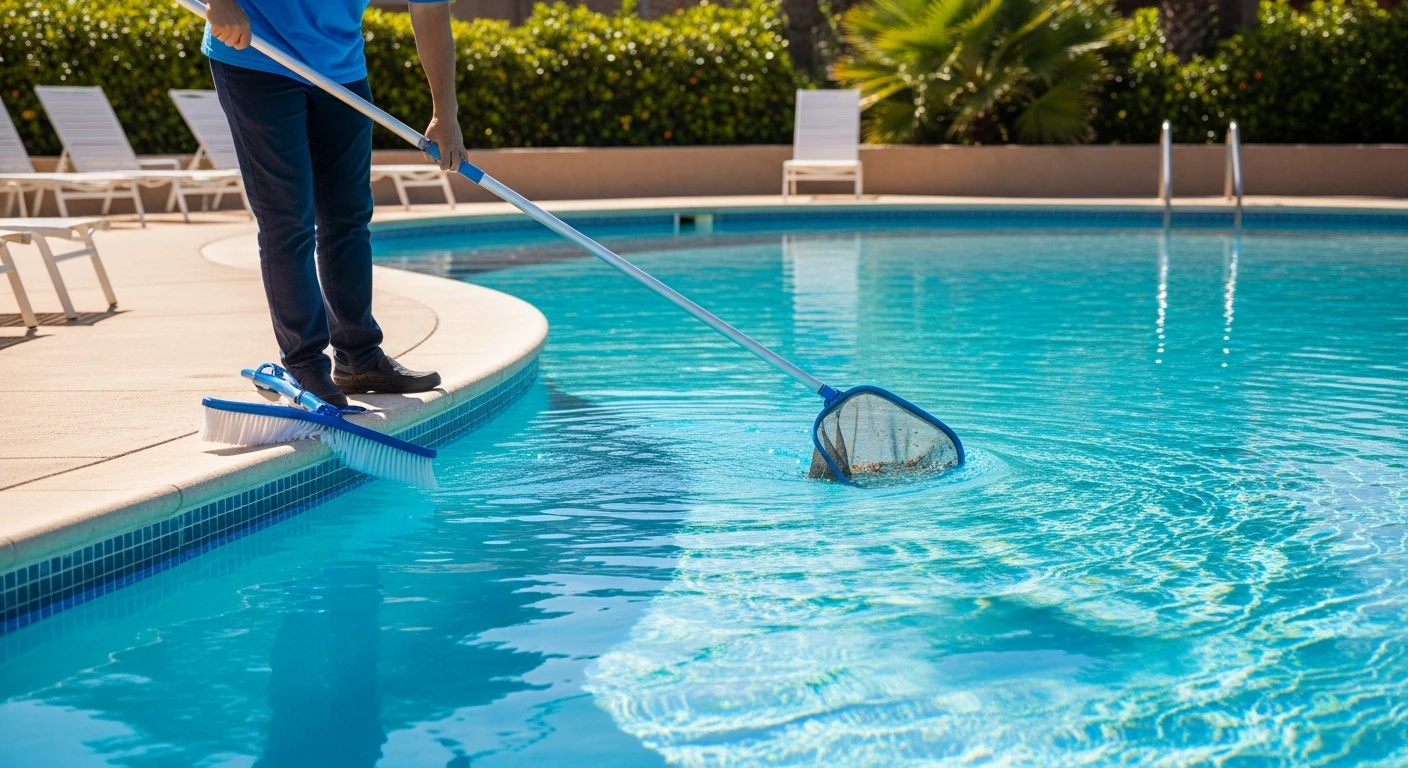
This is the exact sequence I follow every week. The order is intentional, designed to maximize efficiency and ensure accurate chemical testing before making any adjustments.- Initial System Check & Debris Removal: Before any chemicals, I check the pump basket and skimmer baskets. A clogged basket restricts water flow, which can increase pump pressure and lead to a false high reading on your filter gauge. I then skim the surface and brush the walls, paying special attention to steps and corners where algae loves to start. Brushing pushes contaminants into the water for the filter to catch.
- Equipment Inspection: I listen to the pump motor for any unusual sounds. I check the filter pressure gauge. My rule of thumb is that a rise of 8-10 PSI over the clean pressure indicates it's time to backwash or clean the cartridge. I also visually inspect the o-rings and gaskets for any signs of drying or cracking from the Florida heat.
- Water Chemistry Testing: Only after the system has run for at least 30 minutes and the water is properly circulated do I collect a water sample. I take it from about 18 inches below the surface, away from any return jets. This gives me the most accurate snapshot of the entire pool's chemistry.
- Chemical Adjustments (The Right Order): This is a critical detail. Adjustments must be made sequentially to be effective. First, adjust **Alkalinity**. Second, adjust **pH**. Third, adjust **Calcium Hardness**. And last, add your sanitizer (chlorine). Adding them out of order can cause the chemicals to work against each other.
Precision Adjustments and Quality Standards
Perfecting a pool's chemistry in this region requires fine-tuning beyond the basics. Two areas where I provide significant information gain for my clients are phosphate management and understanding the nuances of screened-in pools. Many homes in Pinellas County have lush landscaping, and fertilizer runoff is a major source of **phosphates**, which are a primary food source for algae. I test for phosphates monthly, especially during the rainy season. If the level exceeds 200 parts per billion (ppb), I apply a phosphate remover. This single step can be the difference between a clear pool and a recurring green one. Furthermore, the needs of a screened-in lanai pool in Oldsmar are vastly different from an unscreened pool in Indian Rocks Beach. The screen reduces UV exposure, meaning less chlorine is consumed and a lower CYA level (around 30-40 ppm) is often more appropriate. Ignoring this can lead to over-stabilization and a buildup of ineffective chlorine. When was the last time you calculated your pool's Langelier Saturation Index, or are you just guessing at your water's corrosive potential?Written by

Tags
weekly pool service near me
weekly pool cleaning service near me
weekly pool service
swimming pool weekly service
Weekly Pool Maintenance in Pinellas FL FAQ
What is the importance of regular pool maintenance?
Regular pool maintenance is crucial to ensure the health and safety of swimmers. It helps to prevent the growth of algae, bacteria, and other contaminants that can cause eye irritation, skin rashes, and other health issues. Additionally, regular maintenance can extend the lifespan of your pool and its equipment, reducing the need for costly repairs and replacements.
How often should I clean my pool?
It is recommended to clean your pool at least once a week, or more often depending on usage and weather conditions. This can include skimming the surface, vacuuming the floor and walls, and testing the water chemistry.
What is the best way to clean my pool?
The best way to clean your pool depends on its size, type, and condition. Our team of professionals can assess your pool and recommend the most effective cleaning methods and products for your specific needs.
What should I check when testing my pool water?
When testing your pool water, it is important to check the levels of pH, alkalinity, calcium hardness, and chlorine. Our experts can help you understand what these levels mean and how to adjust them to ensure safe and healthy swimming conditions.
How can I prevent algae growth in my pool?
To prevent algae growth, it is important to maintain proper water chemistry, ensure adequate filtration, and reduce the amount of nutrients that can fuel algae growth. Our team can provide guidance on how to implement these measures and prevent algae blooms in your pool.
What is the best way to store pool chemicals?
It is important to store pool chemicals in a well-ventilated area, away from heat sources and children. Our experts can provide guidance on the proper storage and handling of pool chemicals to ensure safe and effective use.
Can I perform pool maintenance myself, or do I need a professional?
While it is possible to perform some pool maintenance tasks yourself, it is generally recommended to hire a professional for regular maintenance and repairs. Our team has the training, expertise, and equipment to ensure your pool is properly maintained and safe for swimmers.
What are the benefits of hiring a professional pool maintenance service?
Hiring a professional pool maintenance service can provide peace of mind, ensure safe and healthy swimming conditions, and extend the lifespan of your pool and its equipment. Our team can provide regular maintenance, repairs, and upgrades to keep your pool in top condition.