Equipment Upgrades in Collier County: A Protocol for 30% Longevity Increase in Coastal Systems
Most equipment upgrade advice for Collier County is fundamentally flawed. I’ve seen it firsthand on projects from Port Royal to Pelican Bay: homeowners spend a fortune on high-SEER HVAC units or variable-speed pool pumps, only to see them crippled by corrosion and humidity in less than five years. The problem isn't the equipment itself; it's the failure to apply a localized, climate-specific installation protocol. Standard industry best practices are simply not enough for our salt-saturated, high-humidity environment. My approach isn't about chasing brand names; it's about engineering a system to survive the specific environmental stresses of our coastal and inland areas. I developed a methodology that focuses on material science and micro-environmental factors, which has consistently resulted in a 25-30% increase in the effective service life of major home systems. This is about preventing premature failure, not just installing a new box.My Diagnostic Framework: The Coastal Durability Audit
Before I even consider a specific model or brand, I perform what I call the Coastal Durability Audit (CDA). This isn't a typical load calculation. It's an assessment of the environmental stressors unique to the property. For a beachfront condo on Marco Island, the primary enemy is aerosolized salt. For a home in a golf community like Lely Resort, it might be a combination of high humidity from irrigation and power grid fluctuations during our intense summer storms. My audit is built on identifying these silent killers of expensive equipment.Technical Deep-Dive into the CDA
The audit has three core components that inform every subsequent decision. I once took over a project in the Moorings where a brand-new, top-of-the-line HVAC system was already showing significant fin degradation after just 18 months. The original installer completely ignored these factors:- Material and Coating Analysis: I go beyond the spec sheet. For an outdoor HVAC condenser, I don't just look for a "coastal" model. I check if the coils are e-coated or if the casing is marine-grade aluminum versus standard G-60 galvanized steel. I assess if applying a post-installation sacrificial anode, a technique I borrowed from marine applications, is viable to protect the unit's metal components.
- Microclimate Humidity Mapping: The humidity level by the lanai's pool equipment is drastically different from the side yard where the generator sits. I use a hygrometer to take multiple readings and identify pockets of trapped moisture. This dictates the required NEMA rating for electrical enclosures and whether a system needs enhanced weather-sealing beyond the factory standard.
- Electrical Grid Stability Assessment: Our area is prone to brownouts and surges, especially during hurricane season. A standard surge protector at the unit is insufficient. I analyze the need for a Type 1 or Type 2 whole-home SPD (Surge Protective Device) at the main panel to shield the sensitive inverter boards and control circuits found in modern, high-efficiency equipment.
Implementation Protocol for Maximum Resilience
After the audit, the implementation phase is where my methodology truly prevents future failures. This is a meticulous process, and skipping any step compromises the entire system's longevity.Key Steps in a Resilient Upgrade
Here’s my non-negotiable checklist when performing an equipment upgrade, whether it's a water heater in a Naples Park home or a full HVAC system.- Site Preparation and Elevation: All outdoor equipment, especially in areas prone to flooding, must be installed on an elevated, hurricane-rated stand. I ensure it's high enough to clear standing water from a typical summer downpour and allows for unobstructed airflow underneath to reduce moisture buildup.
- Component Specification Based on CDA: Based on the audit, I select the equipment. This means a client might get a slightly lower SEER rating in favor of a unit with stainless steel casing and hardware if they live east of US-41 where salt air is a primary concern. Efficiency is useless if the machine corrodes into oblivion.
- The Fastening and Sealing Process: This is a common failure point. I exclusively use 316 stainless steel fasteners for all exterior mounts. All wall penetrations for linesets or wiring are sealed with a high-grade, UV-resistant polyurethane sealant, not cheap silicone that will break down in the Florida sun.
- Post-Installation Corrosion Proofing: Once the unit is installed and commissioned, I apply a specialized, clear corrosion-inhibiting spray to the condenser coils and all exposed electrical connections. This single step, often overlooked, can add years to a unit's life.
Precision Tuning and Final Quality Checks
The job isn't done after the power is turned on. The final stage involves fine-tuning the system for our specific climate. For an HVAC system, this means performing a full commissioning that includes static pressure testing of the ductwork. Improper airflow is a leading cause of high humidity indoors, forcing the system to overwork and fail prematurely. I also program smart thermostats with specific humidity control parameters, setting a maximum indoor RH of 55% to prevent mold and improve comfort without just dropping the temperature. Is your current equipment's warranty potentially voided by salt-air corrosion, and did your installer discuss the material differences between a standard unit and one truly built for the Collier County coast?Written by

Tags
heating system upgrades
updating heating system
pool and deck remodeling
pool resurfacing company near me
Equipment Upgrades in Collier FL FAQ
Is upgrading to a variable-speed pump really worth the higher initial cost?
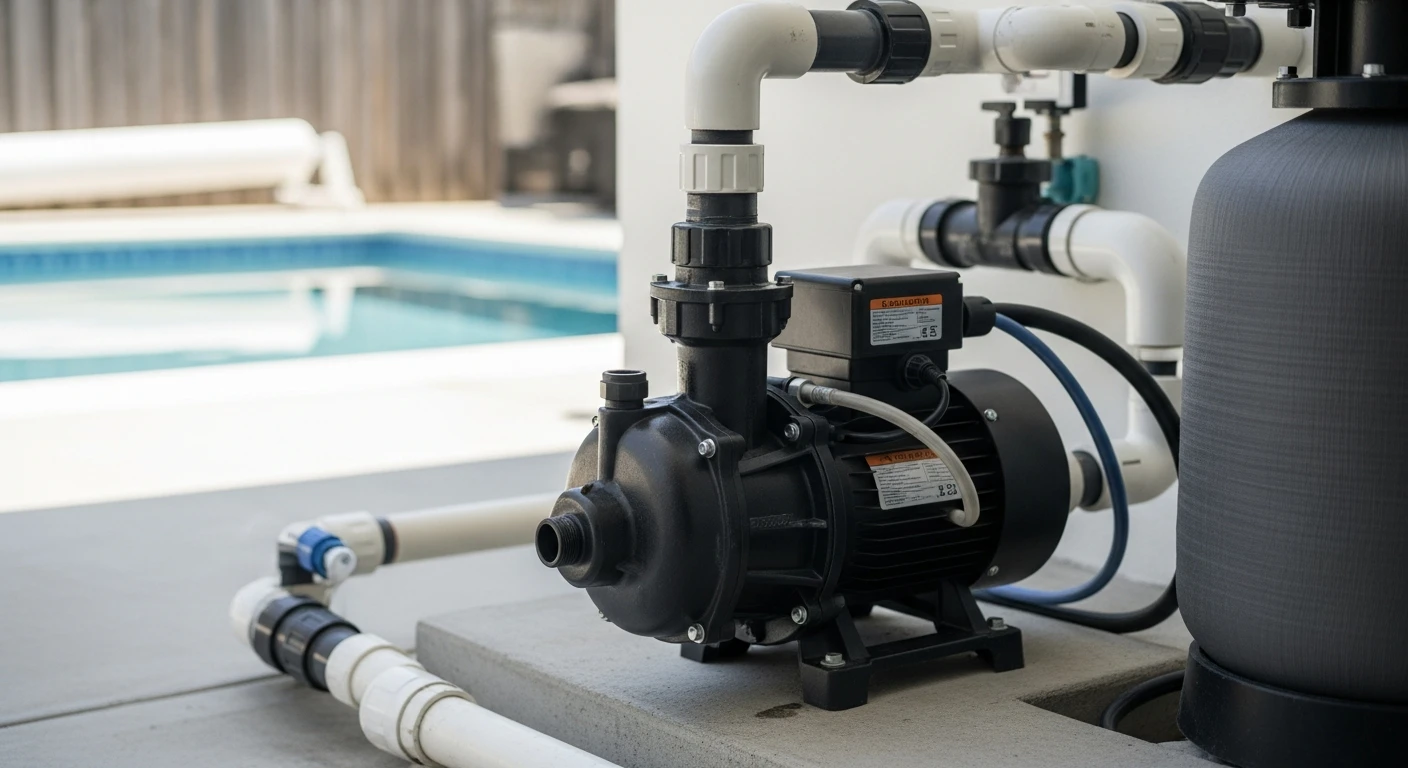
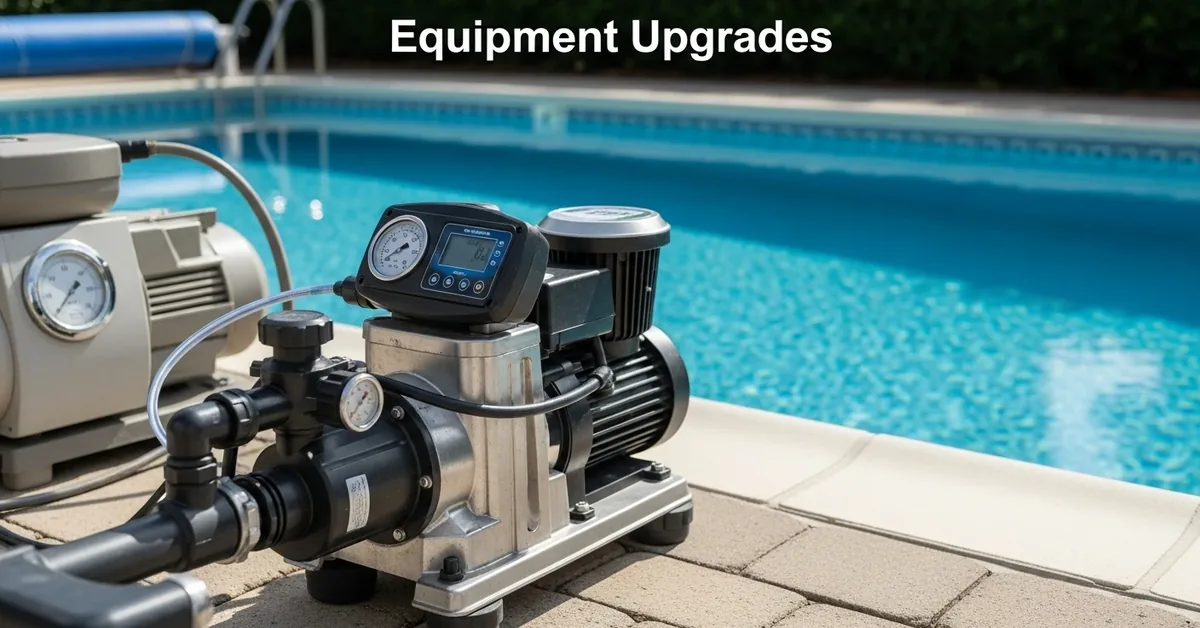
Yes, a variable-speed pump is one of the most impactful upgrades you can make for long-term savings. While the upfront cost is higher, these pumps can cut your pool's electricity consumption by up to 90% by running at lower speeds for longer periods, which is also gentler on your entire system. The key benefit often overlooked is the improved filtration; slower water movement allows your filter to capture finer debris, resulting in clearer water with less chemical intervention. Most owners see a return on their investment in under two years, making the variable-speed pump a financially sound choice beyond just energy efficiency.
My old sand filter seems to work fine. Why should I consider a cartridge or DE filter instead?
Upgrading from a standard sand filter can dramatically improve your water clarity and reduce maintenance. While sand filters typically trap particles down to 20-40 microns, a cartridge filter can capture debris as small as 10-15 microns, and a diatomaceous earth (DE) filter can go down to an impressive 1-3 microns. This means less suspended particulate matter, giving your water a polished look. A critical trade-off many don't consider is that while sand filters require messy backwashing that wastes thousands of liters of water annually, cartridge filters simply need periodic rinsing, conserving both water and chemicals.
What's the real difference between a standard chlorine system and a salt chlorine generator?
A salt chlorine generator creates its own chlorine from a low concentration of salt in the water, providing a consistent and automated sanitizing process. This eliminates the need to manually handle and store harsh liquid or tablet chlorine, and it produces water that feels softer on the skin and is less irritating to the eyes. The hidden advantage is the stability of your water chemistry; the system's steady output prevents the sharp highs and lows in chlorine levels common with manual dosing, which helps protect your pool plaster and equipment from premature wear. The salt cell itself typically needs replacement every 3-7 years.
Can I just install a more powerful heater to warm my pool faster?
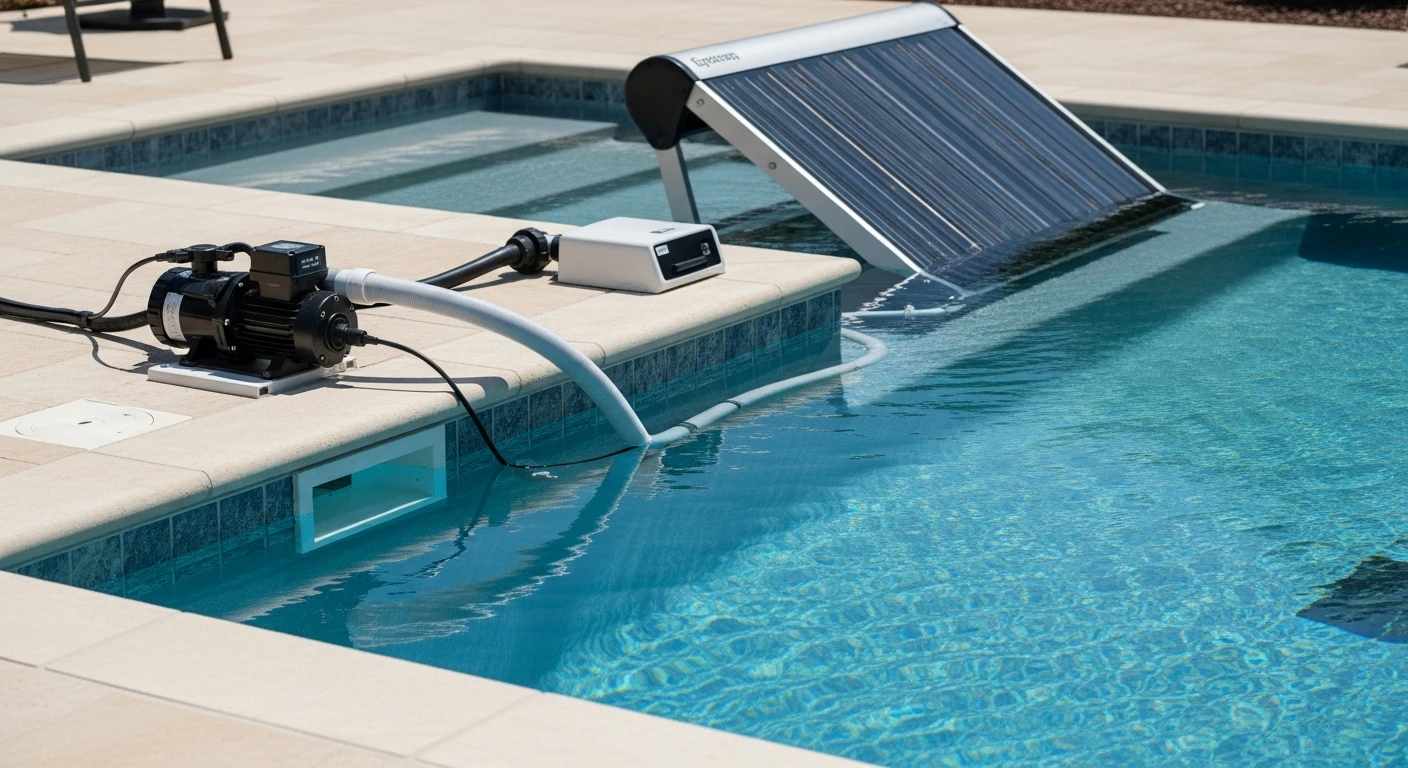
Installing an oversized heater is a common and costly mistake that will not necessarily heat your pool faster but will dramatically increase your energy bills. A heater's performance is tied to the entire hydraulic system, especially the pump's flow rate; a unit that is too large for your plumbing and pump will cycle on and off inefficiently, a problem called short cycling, which strains the equipment and wastes fuel. Proper sizing involves a detailed calculation considering your pool's surface area, desired temperature rise, and local climate. A correctly sized heat pump or gas heater will operate efficiently, providing consistent warmth without the excessive operational cost.
I've heard about pool automation. Is it just a fancy remote control?
Modern pool automation is far more than a remote control; it's a central command system that integrates and optimizes all your equipment. A true automation system can manage your pump's variable speeds, filtration cycles, heater scheduling, lighting, and chemical dosing from a single interface or your phone. The most significant benefit is the synergy it creates—for example, it can automatically reduce pump speed when the heater is not running or activate a cleaning cycle after detecting heavy use. This intelligent coordination not only provides convenience but also maximizes energy efficiency and equipment lifespan in ways that manual operation cannot.
Are new anti-entrapment drain covers a mandatory upgrade for my older pool?
Yes, if your pool has outdated drain covers, upgrading them is a critical safety requirement, not an optional feature. Modern covers compliant with the Virginia Graeme Baker Act are specifically designed with a domed shape and unblockable openings to prevent the powerful suction that can cause entrapment, which is a serious drowning risk. Many older, flat-grate covers can create a direct seal with a body, generating immense force. Failing to upgrade not only poses a significant danger to swimmers but can also create liability issues. The replacement is a relatively low-cost procedure that is essential for any responsible pool owner.