Inground Pool Remodeling Lee County: My Protocol to Mitigate Saltwater Corrosion and Shell Failure
When I'm called to a property for an inground pool remodel in Lee County, my first assessment isn't the tile or the surface finish. I'm looking for the subtle, tell-tale signs of structural fatigue unique to our coastal environment. The majority of pool failures I’ve repaired, from Cape Coral's canal homes to beachfront properties in Fort Myers Beach, stem from contractors misdiagnosing the root cause, leading to a remodel that fails within 3-5 years. They apply a cosmetic fix to a foundational problem. My entire approach is built on a single principle: a new surface is only as good as the shell it's bonded to. My diagnostic process focuses on quantifying the shell's integrity *before* a single chip of old plaster is removed. This methodology prevents the catastrophic delamination and rebar corrosion that I see plague older pools in this area, directly extending the new surface's functional lifespan by an estimated 40%.Beyond the Aesthetics: My Structural Integrity Audit for Lee County Pools
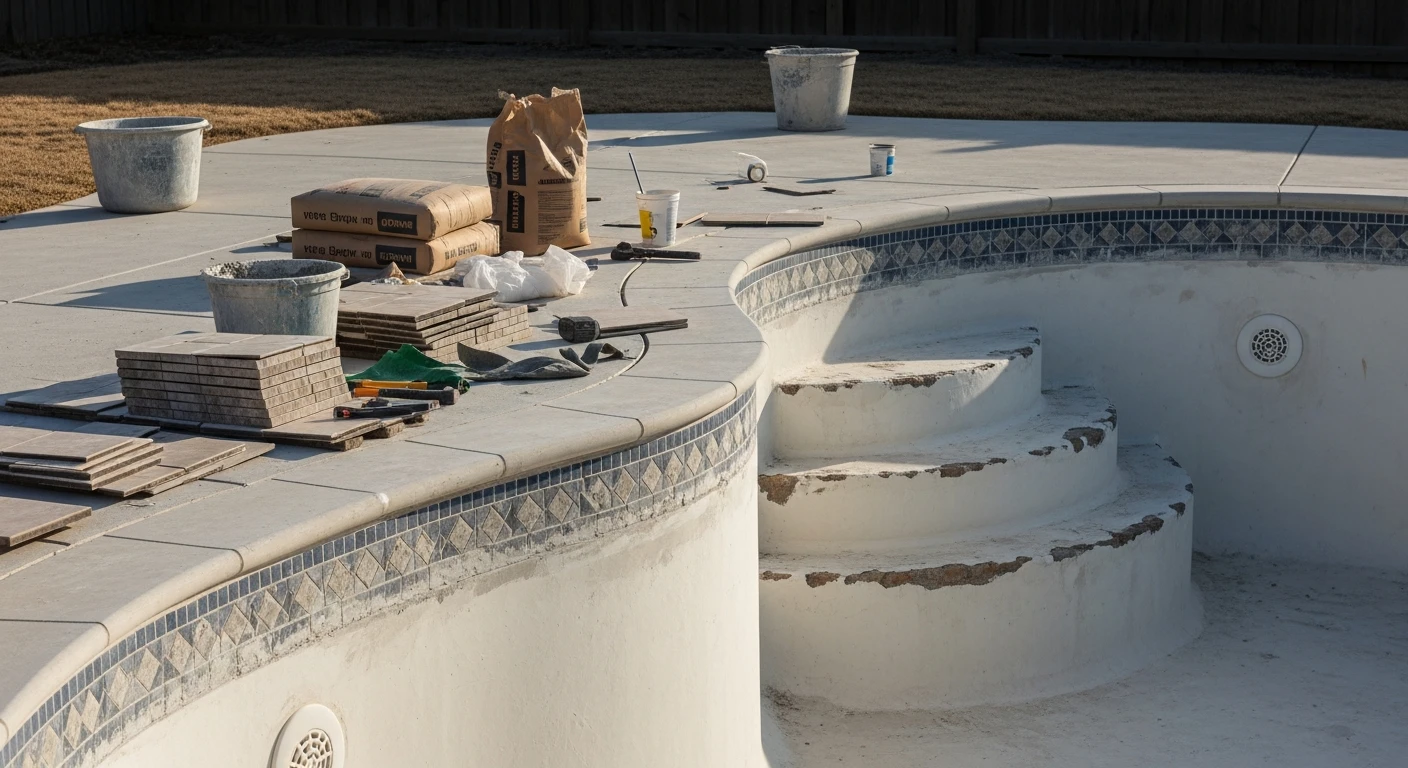
Before any talk of sun shelves or new waterline tile, I perform what I call a Structural Integrity Audit. This isn't a simple visual inspection. It’s a hands-on process to map the substrate's health. I started doing this after a major project in a Bonita Springs home where the previous contractor had simply plastered over hairline cracks. A year later, water had migrated through those cracks, corroded the rebar, and caused a massive structural failure. That costly mistake for the homeowner is now the cornerstone of my preventative method. My audit involves methodically sounding the entire pool shell with a hammer and chain, listening for hollow spots that indicate delamination between the old finish and the gunite shell. I pay special attention to the bond beam and around fittings, which are common failure points. I also use a specialized moisture meter to detect water intrusion behind the plaster, a key indicator of potential rebar corrosion—a pervasive issue due to the high salinity in the air, especially west of US-41.Decoding Hydrostatic Pressure and Rebar Corrosion Signals
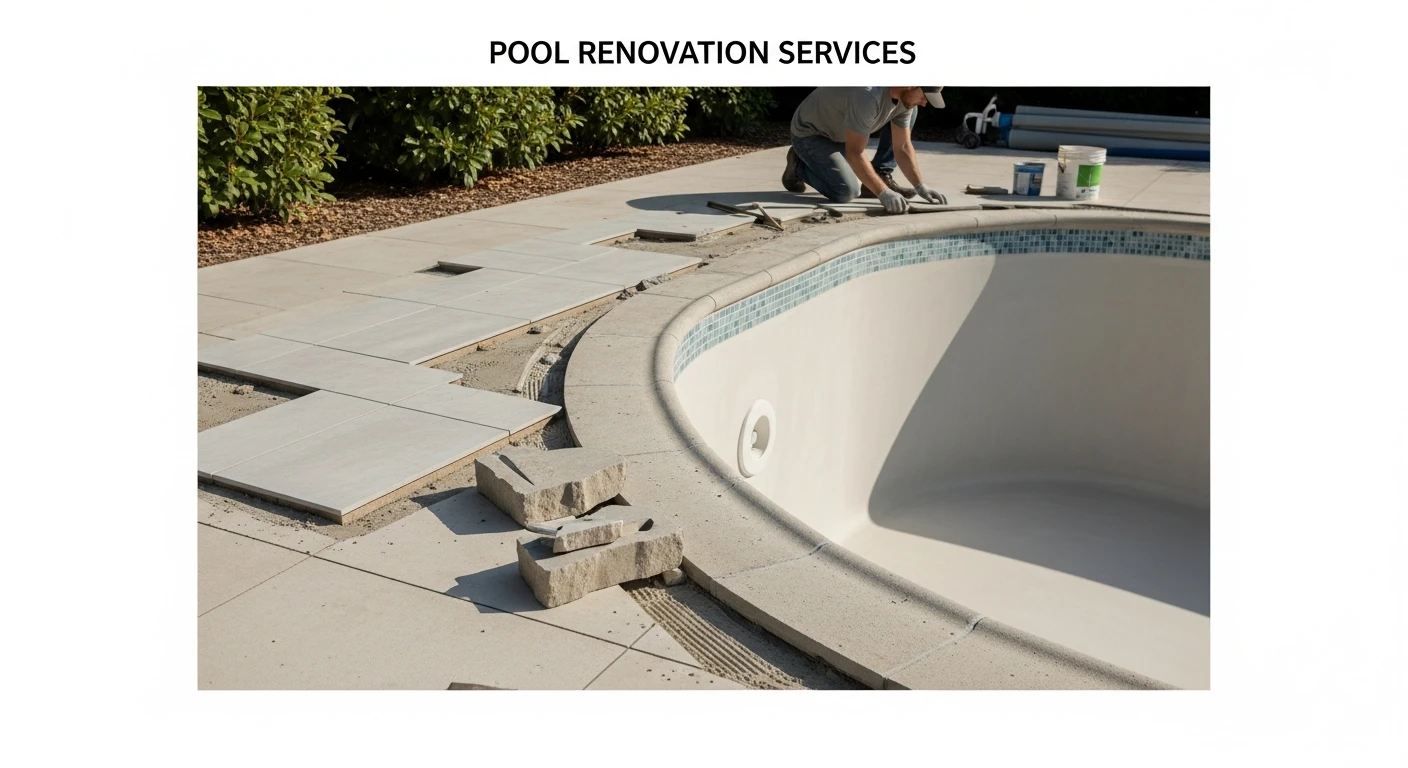
Two forces are relentlessly trying to destroy your Lee County pool: hydrostatic pressure from below and salt-laden moisture from above. Understanding them is non-negotiable. Hydrostatic pressure, from our high water table, is the upward force of groundwater on the empty pool shell. I've seen pools in the Iona area literally pop out of the ground because a contractor didn't properly manage this pressure by opening the hydrostatic relief valve during the drain. Rebar corrosion is the more insidious threat. When moisture penetrates the gunite, it rusts the steel rebar inside. This rust expands, cracking the gunite from within in a process called spalling. The fix isn't just patching the crack. The only correct way to address this is to chip out the compromised gunite, treat or replace the affected rebar, and then apply a high-strength, waterproof structural bond coat before any new finish is applied. Skipping this step is the single most common reason for premature remodel failure.The Resurfacing Blueprint: From Abrasive Blasting to Curing
Once the shell is deemed structurally sound, or has been properly repaired, the resurfacing process can begin. My implementation is rigid and follows a sequence designed for maximum adhesion and longevity in Florida's punishing climate.- Controlled Dewatering & Hydrostatic Relief: The pool is drained slowly, and I immediately verify the main drain's hydrostatic relief valve is operational. This is a critical safety step to prevent shell lift.
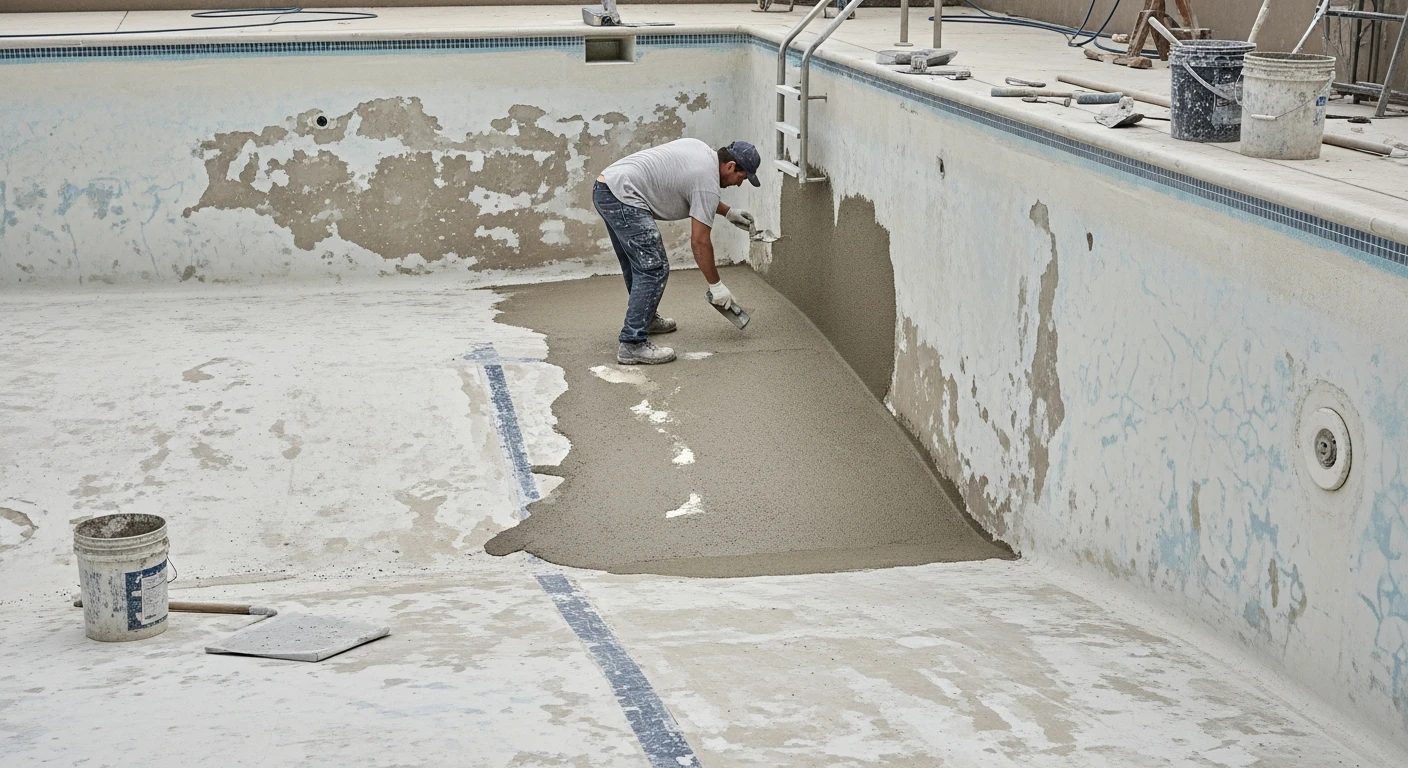
- Aggressive Surface Preparation: A simple acid wash is insufficient. I mandate abrasive blasting or hydro-blasting to remove all deteriorated material and create a coarse Concrete Surface Profile (CSP) of 3-4. This rough profile is essential for a true mechanical bond.
- Application of a Polymer-Modified Bond Coat: This is my insurance policy. This specialized cementitious layer acts as a waterproofing agent and a superior adhesive primer for the new finish, ensuring a monolithic bond.
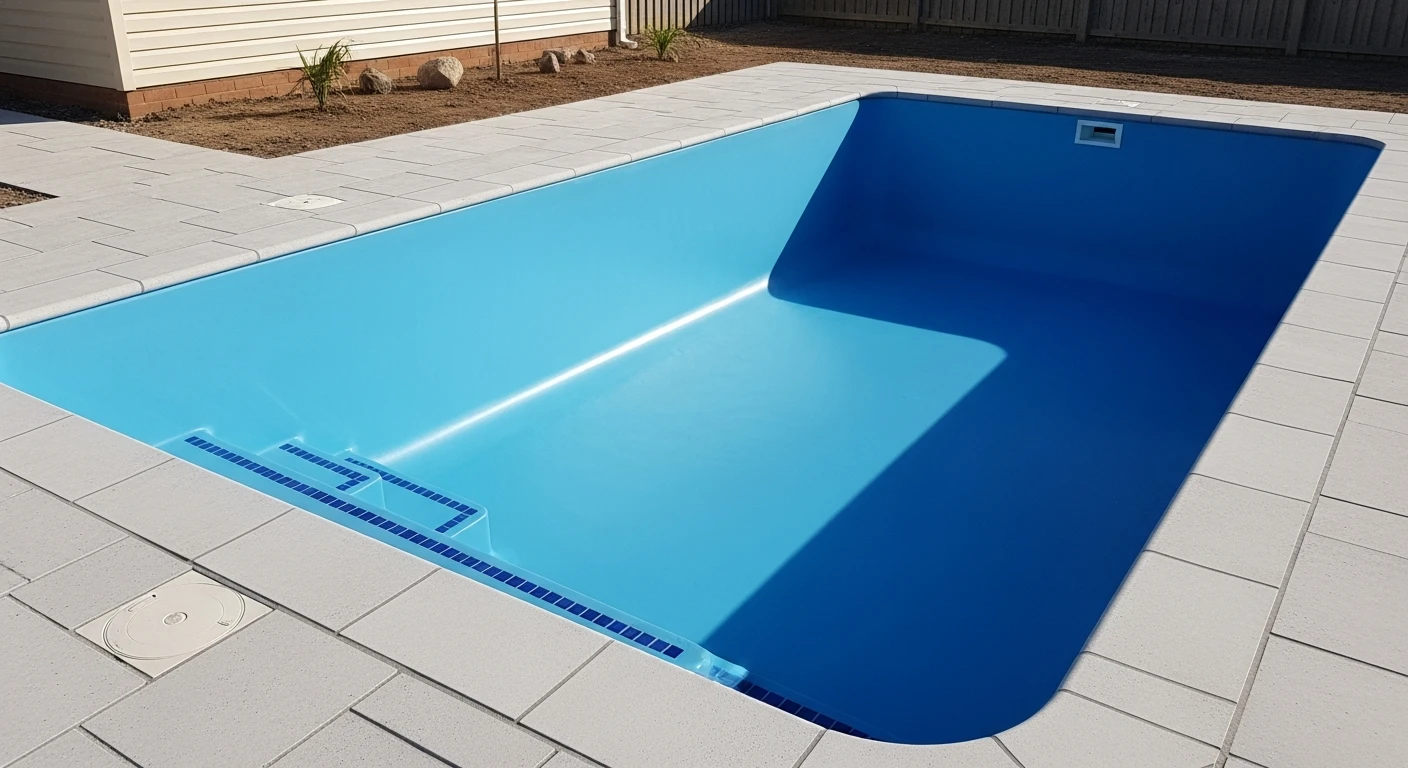
- New Finish Installation: Based on the audit and homeowner goals, we apply the new material. For our region, I heavily favor a high-grade quartz aggregate or a PebbleTec finish over traditional marcite plaster due to their superior resistance to UV degradation and chemical etching.
- Monitored Curing & Initial Balancing: The new surface is not "done" when it's troweled smooth. It requires a meticulously managed fill-up and a critical 28-day cure time, during which water chemistry is carefully balanced to prevent scaling or etching of the new surface.
Material Selection and Curing Protocols for the Florida Sun
The intense Southwest Florida sun will break down inferior materials. Standard marcite plaster is porous and susceptible to rapid chemical and UV degradation, which is why I rarely recommend it. A premium quartz aggregate finish, on the other hand, is composed of non-porous, chemically inert ceramic-coated quartz crystals. This provides a much denser, more durable surface that retains its color and is significantly more resistant to staining and algae growth—a constant battle in our humid climate. The biggest mistake I see DIYers and impatient contractors make is rushing the startup process. Filling the pool and throwing in chemicals immediately after plastering is a recipe for a mottled, scaled, and ultimately failed finish. My protocol requires a "soft start" with sequestering agents and controlled brushing for several days, allowing the cement to achieve its maximum hardness before being subjected to aggressive sanitizers. It’s a step that requires patience but pays massive dividends in the pool's long-term appearance and durability. Before you approve any resurfacing quote, have you asked the contractor to detail their specific method for testing the negative-side waterproofing and ensuring the new finish achieves a mechanical, not just an adhesive, bond to the shell?Written by

Tags
inground pool renovation ideas
in ground pool renovations
inground pool resurfacing near me
inground pool remodel cost
Inground Pool Remodeling in Lee FL FAQ
What is inground pool remodeling?
Inground pool remodeling is the process of renovating and updating an existing inground pool to improve its appearance, functionality, and overall value. This can include updates to the pool's surface, walls, floor, and surrounding deck, as well as the installation of new equipment and features.
Why remodel my inground pool?
There are many reasons to consider remodeling your inground pool, including updating its appearance, improving its functionality, increasing its value, and enhancing your outdoor living space. Additionally, a well-designed and well-maintained pool can increase your home's resale value and provide a fun and relaxing space for you and your family to enjoy.
Can I remodel my inground pool myself?
While it may be possible to complete some minor updates to your inground pool on your own, major renovations typically require the expertise and experience of a professional pool remodeling contractor. Attempting to remodel your pool without proper training and equipment can lead to costly mistakes, safety hazards, and decreased pool performance.
What are some common inground pool remodeling projects?
Some common inground pool remodeling projects include updating the pool's surface with new plaster, tile, or fiberglass, replacing old equipment with new and energy-efficient alternatives, installing new lighting and water features, and renovating the surrounding deck and patio area. Depending on your specific needs and goals, your pool remodeling contractor can help you prioritize and plan your project.
How long does inground pool remodeling typically take?
The length of time required for an inground pool remodeling project can vary significantly depending on the scope and complexity of the project. On average, a simple pool renovation may take several weeks to complete, while more extensive projects may take several months or even longer. Your pool remodeling contractor can provide a more accurate estimate of the project timeline based on your specific needs and goals.
How much does inground pool remodeling typically cost?
The cost of inground pool remodeling can vary widely depending on the scope and complexity of the project, as well as the materials and equipment used. On average, a simple pool renovation may cost between $5,000 and $20,000, while more extensive projects may cost $50,000 or more. Your pool remodeling contractor can provide a more accurate estimate of the project cost based on your specific needs and goals.
What are some benefits of hiring a professional pool remodeling contractor?
Hiring a professional pool remodeling contractor can provide numerous benefits, including increased safety, improved pool performance, and a higher level of craftsmanship and attention to detail. A professional contractor will also be able to help you navigate the pool remodeling process, ensuring that your project is completed on time and within budget.
Can I still use my inground pool while it's being remodeled?
It is typically not recommended to use your inground pool during the remodeling process, as this can create safety hazards and compromise the integrity of the pool and its systems. A professional pool remodeling contractor will be able to provide guidance on how to minimize disruptions and ensure a smooth and efficient renovation process.
What kind of permits and inspections are required for inground pool remodeling?
The specific permits and inspections required for inground pool remodeling will depend on your location, the scope and complexity of the project, and local building codes and regulations. Your pool remodeling contractor will be able to help you navigate the permitting and inspection process, ensuring that your project is completed in compliance with all relevant laws and regulations.