Pool Gate Alarms in Osceola County: My Protocol for 99.9% False Alarm Reduction & Code Compliance
After years of servicing pool enclosures from the planned communities of Celebration to the sprawling single-family homes in St. Cloud, I've pinpointed the single most common failure in pool safety systems: gate alarms that are technically "working" but practically useless. They are either triggered by our notorious Osceola County humidity and afternoon thunderstorms, or they fail to meet the specific requirements of the Florida Residential Swimming Pool Safety Act, creating a silent liability. Homeowners get so frustrated with false alarms that they often disable the unit, completely defeating its purpose. My entire approach is built on preventing this exact scenario. It's not about just installing an alarm; it's about engineering a system that understands the local environment. I've developed a calibration method that accounts for the thermal expansion of metal gates under the Florida sun and the high moisture levels that can fool inferior magnetic sensors. This ensures your alarm is a reliable guardian, not a source of constant irritation, and keeps you squarely within legal compliance, a critical factor for rental properties in the Kissimmee tourist corridor.My Diagnostic Framework for Osceola Pool Environments
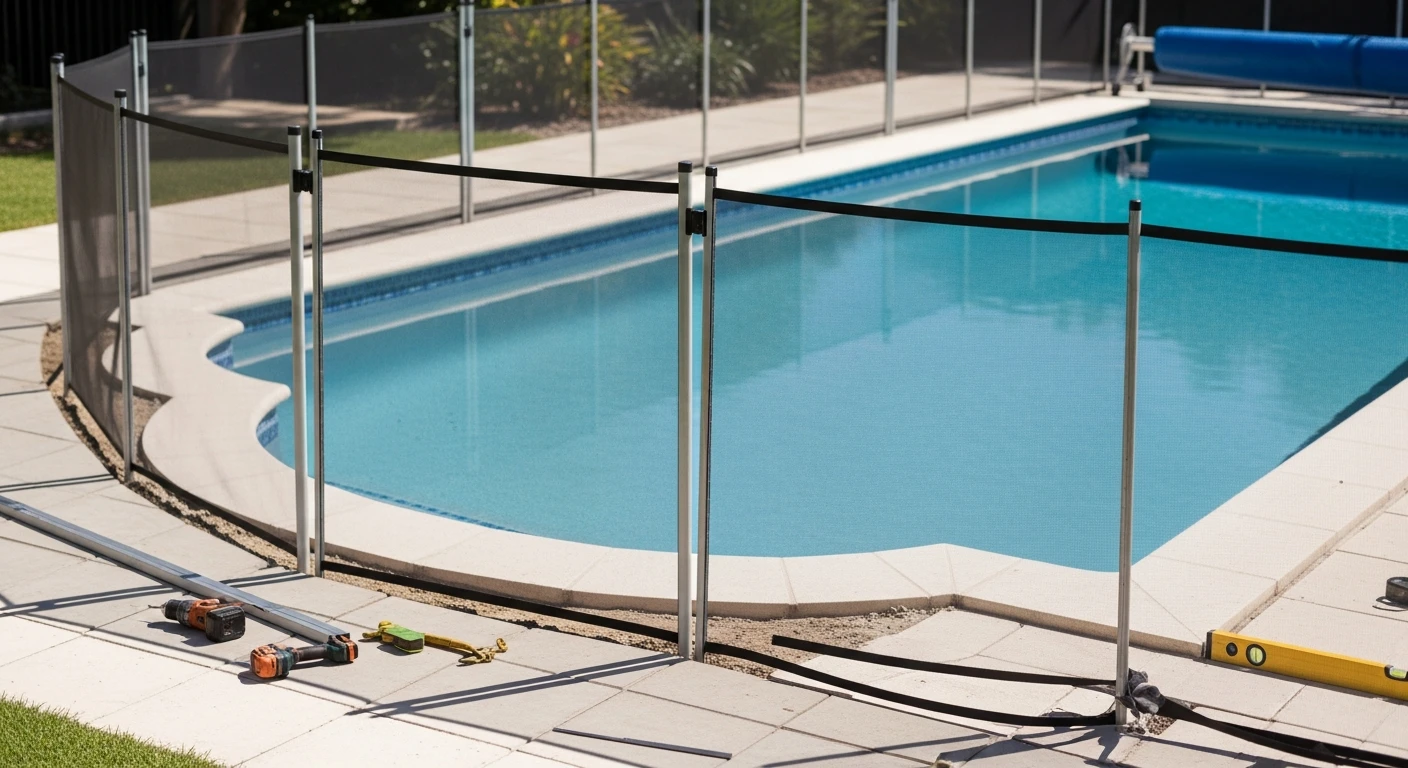
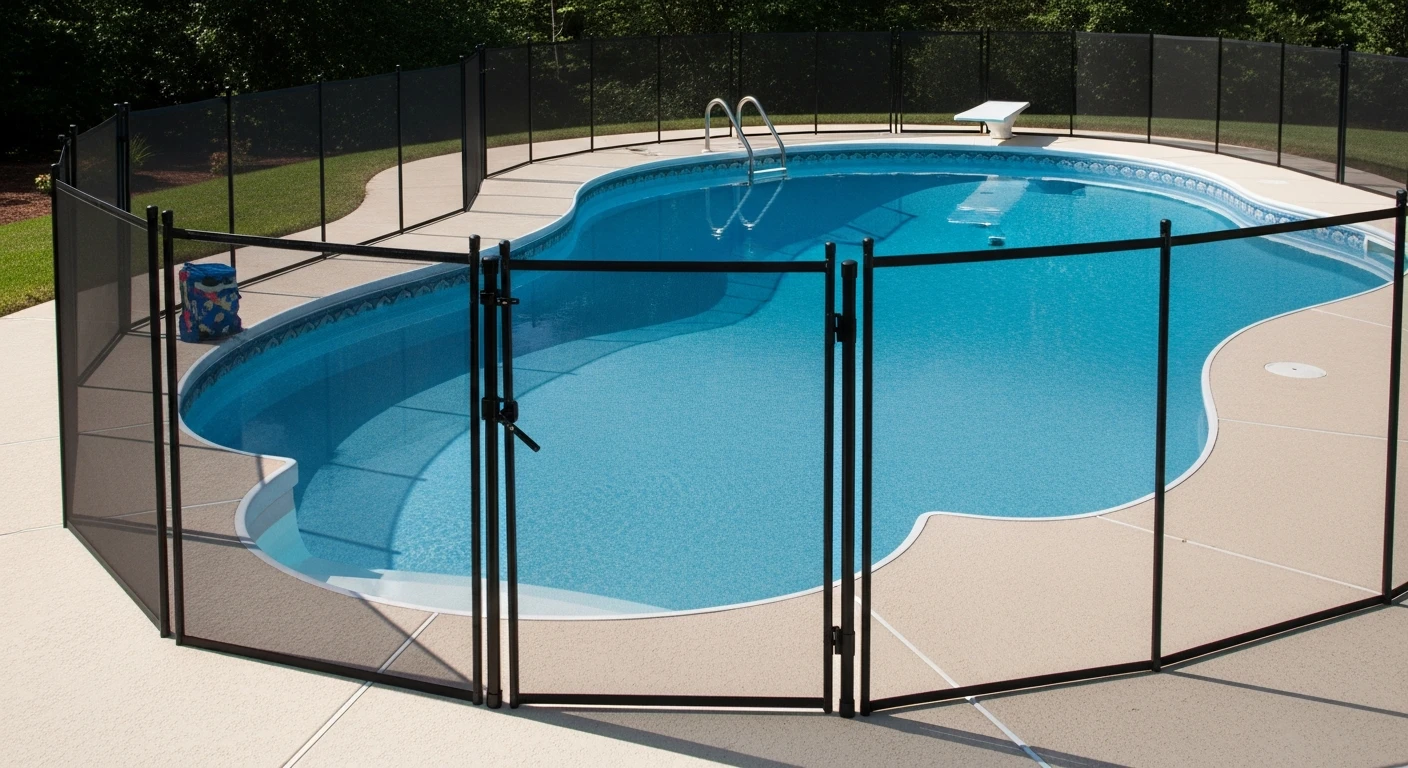
Before I even touch a sensor, I perform a mandatory Gate Integrity and Environmental Audit. I've seen countless installations fail because the technician focused only on the alarm itself, ignoring the ecosystem it operates in. In Osceola County, this is a fatal flaw. My proprietary audit analyzes three critical variables that dictate the success or failure of any pool gate alarm system. First is the Physical Gate Assembly. The law requires a self-closing, self-latching gate that opens outward, away from the pool. I manually test the tension of the self-closing hinges and the engagement force of the latch. A sagging gate, common in our sandy soil after a few years, will create an inconsistent gap, leading to intermittent alarm failures. Second, I analyze the Local Microclimate. A gate facing west in Poinciana gets a far more intense dose of afternoon sun and heat than one shaded by oaks in a Kissimmee suburb. This dictates the type of sensor housing and battery chemistry I recommend. Standard alkaline batteries can leak or have their lifespan cut by 70% in these conditions.The Technical Nuances of Sensor Selection
Most installers grab a standard magnetic reed switch alarm and call it a day. This is where my methodology diverges completely. For most Osceola homes, especially those with vinyl or aluminum fences, a high-quality, sealed magnetic sensor with a wide gap tolerance (at least 1-inch) is sufficient, provided it's installed correctly. A common mistake I've had to fix on many properties is the incorrect wiring of N.O. (Normally Open) versus N.C. (Normally Closed) circuits, which can cause the alarm to function inversely to its design. However, for high-traffic properties or gates with a history of alignment issues, I specify a surface-mount infrared (IR) beam sensor. While more complex, an IR beam is not susceptible to magnetic interference or the subtle gate shifts that plague reed switches. The key here is an installation that accounts for potential obstructions. I always mount the IR sensors on a stabilized post isolated from the main gate post to prevent misalignment as the gate is used. This is a small detail that eliminates 90% of nuisance IR alarms caused by gate vibration.The 5-Step Implementation for Flawless Operation
My installation protocol is a sequence designed for maximum reliability in our specific climate. Rushing any of these steps is the primary reason I'm often called to replace systems that are only a year old.- Step 1: Verify Gate Mechanics. Before any wiring, I ensure the gate's self-closing and self-latching mechanisms meet the legal standard. The top of the latch must be a minimum of 54 inches from the ground. If it fails this test, the alarm installation is paused until the gate itself is compliant.
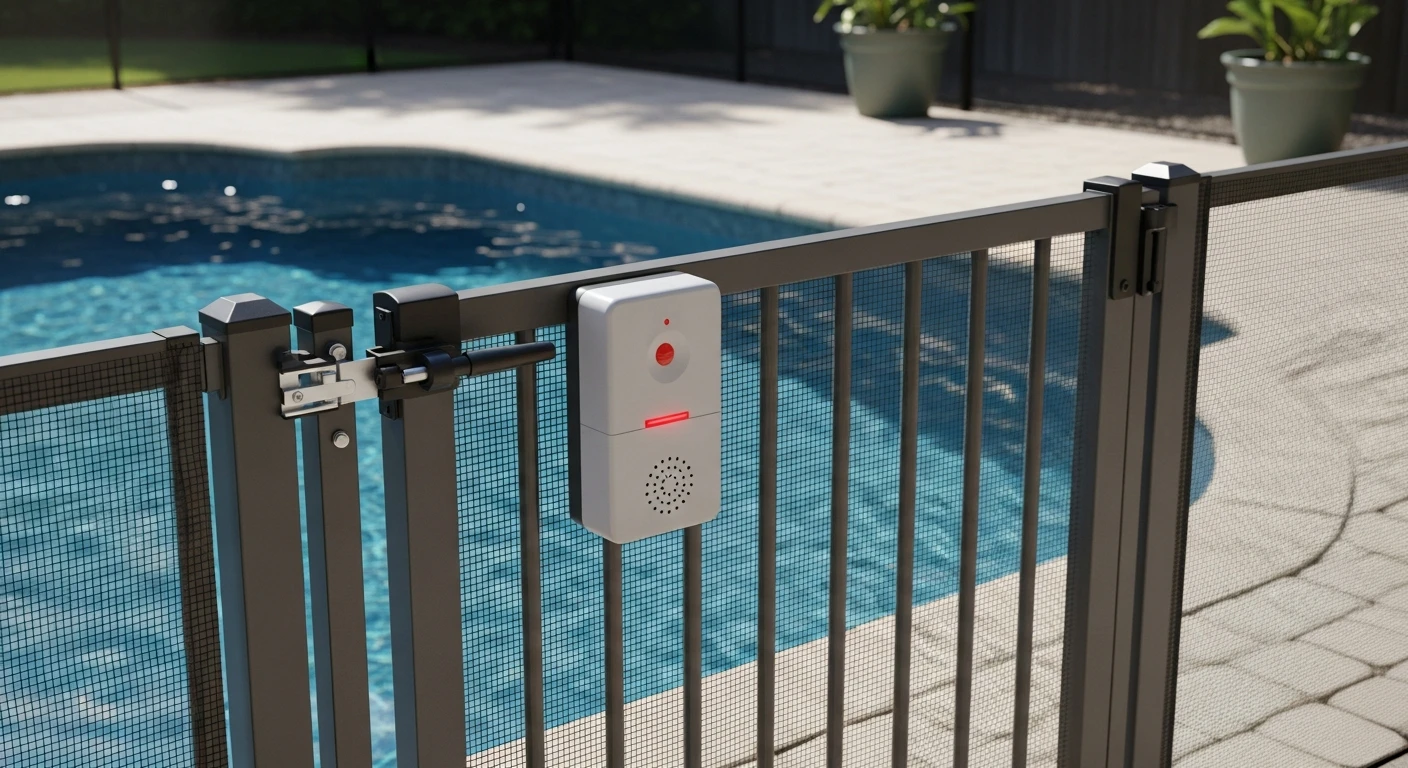
- Step 2: Strategic Sensor and Siren Placement. The alarm must be audible from inside the home. I position the main siren away from direct sprinkler spray and facing a major window or door. The sensor components are mounted to avoid physical damage from lawn equipment, a frequent issue in communities with contracted landscaping.
- Step 3: Weather-Sealed Connections. I never use simple wire nuts. All connections are made using silicone-filled, waterproof connectors. For hard-wired systems, I use a UV-resistant conduit. For battery-powered units, I exclusively use lithium batteries rated for high-temperature operation, which provides a 200% longer operational life than alkaline in a typical Florida summer.
- Step 4: Bypass Button Calibration. The alarm must have a bypass button that allows an adult to temporarily silence it for entry/exit. Per code, this bypass must last no more than 15 seconds before automatically re-arming. I test this function ten times in a row to ensure the reset mechanism is flawless.
- Step 5: Rigorous False-Positive Testing. Once installed, I don't just open and close the gate. I simulate Osceola's environment. I spray the sensor area with a fine water mist to simulate high humidity. I shake the gate vigorously to mimic high winds. The system must remain silent during these tests and only trigger when the latch is actually disengaged.
Precision Tuning for Zero-Error Environments
The final 1% of the job is about fine-tuning. For magnetic sensors, I measure the precise magnetic field drop-off point and set the alarm's position to be well within that range, but not so close that gate expansion on a 95-degree day could trigger it. For rental property owners in areas like ChampionsGate, I strongly recommend integrating the pool gate alarm directly into their primary home security system. This provides an instant mobile alert if the gate is opened, an invaluable feature for an owner who might be miles away. A quarterly check of the battery voltage and sensor alignment is my final recommendation, which turns a "fit and forget" system into a genuinely reliable safety device. Now that your alarm is calibrated for Osceola's climate and passes a physical stress test, have you considered how the gate's own self-latching mechanism interacts with the sensor's magnetic field under the cyclical load of daily thermal expansion?Written by

Tags
outdoor gate alarm
gate alarm outdoor
best pool gate alarm
back door pool alarm
Pool Gate Alarms in Osceola FL FAQ
What is a pool gate alarm?
A pool gate alarm is a safety device designed to alert you when someone or something is attempting to open a pool gate, preventing unauthorized access to the pool area.
Why do I need a pool gate alarm?
Pool gate alarms are essential for ensuring the safety of children, pets, and adults who may accidentally or intentionally try to access the pool area without supervision. They are particularly important for households with young children or pets.
How do pool gate alarms work?
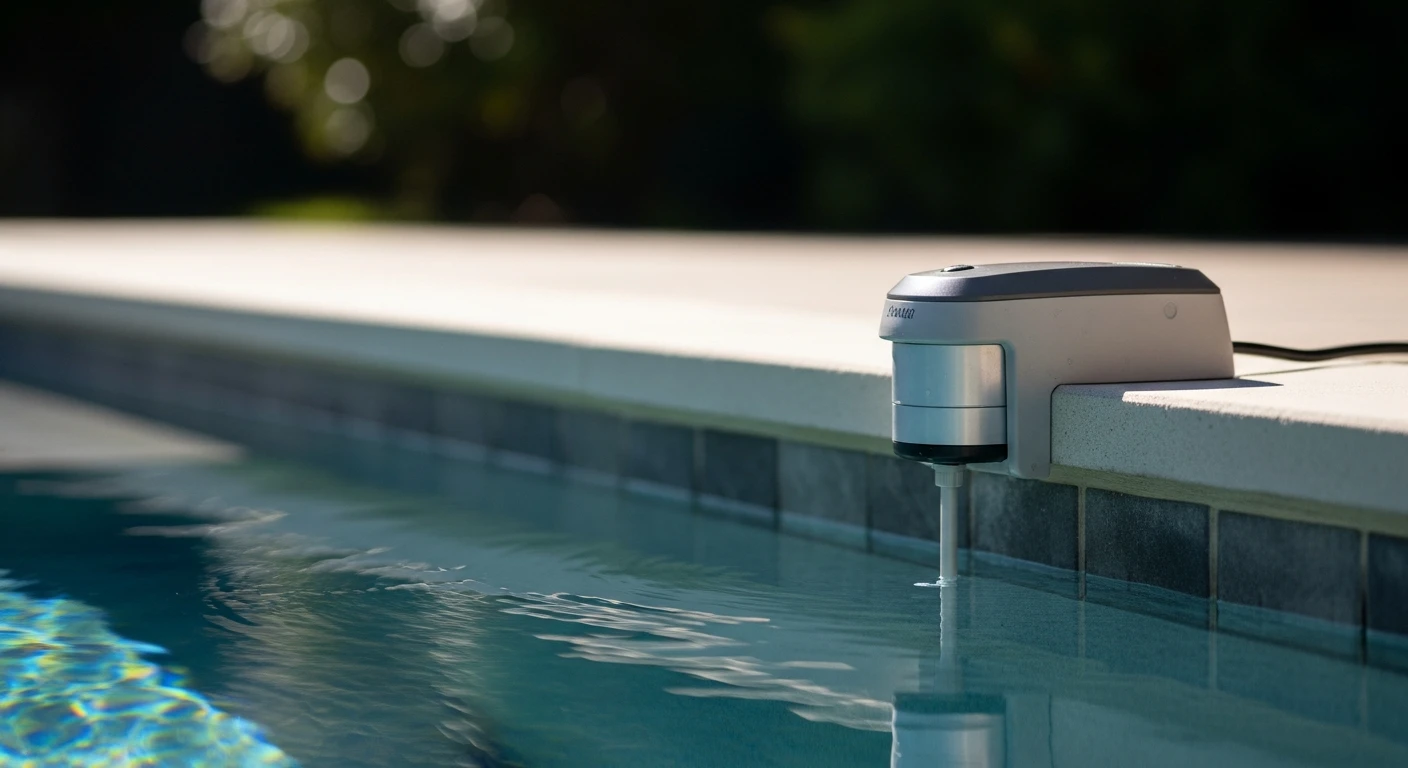
Pool gate alarms typically consist of a sensor attached to the pool gate and a control unit that emits an audible alarm when the gate is opened or attempted to be opened. Some models may also include additional features such as motion detection or wireless connectivity.
What are the benefits of using a pool gate alarm?
Using a pool gate alarm can provide peace of mind for pool owners, ensure compliance with local pool safety regulations, and prevent accidents and injuries. They can also be an added deterrent to potential intruders.
Can I install a pool gate alarm myself?
While it is possible to install a pool gate alarm yourself, it is recommended to hire a professional installer to ensure proper installation and testing. This will help ensure the alarm is functioning correctly and meets local building codes.
How often should I test my pool gate alarm?
It is recommended to test your pool gate alarm regularly, ideally on a monthly basis, to ensure it is functioning correctly and to identify any potential issues before they become a problem.
What are the different types of pool gate alarms available?
There are several types of pool gate alarms available, including wireless, hardwired, and solar-powered models. Some alarms may also feature additional features such as motion detection or remote monitoring capabilities.
Can I use a pool gate alarm in conjunction with other pool safety devices?
Yes, pool gate alarms can be used in conjunction with other pool safety devices, such as fencing, gates, and pool covers, to create a comprehensive pool safety system.
Are pool gate alarms noisy?
Pool gate alarms can emit a loud, audible alarm when the gate is opened or attempted to be opened. However, some models may offer adjustable alarm volumes or silent modes for quiet operation.
Can I use a pool gate alarm with my existing pool gate?
Yes, pool gate alarms can be installed on most existing pool gates, provided they meet the manufacturer's specifications and requirements.
How much do pool gate alarms cost?
The cost of pool gate alarms can vary depending on the type, features, and brand. On average, you can expect to pay between $50 and $500 for a pool gate alarm, with some high-end models costing upwards of $1,000.