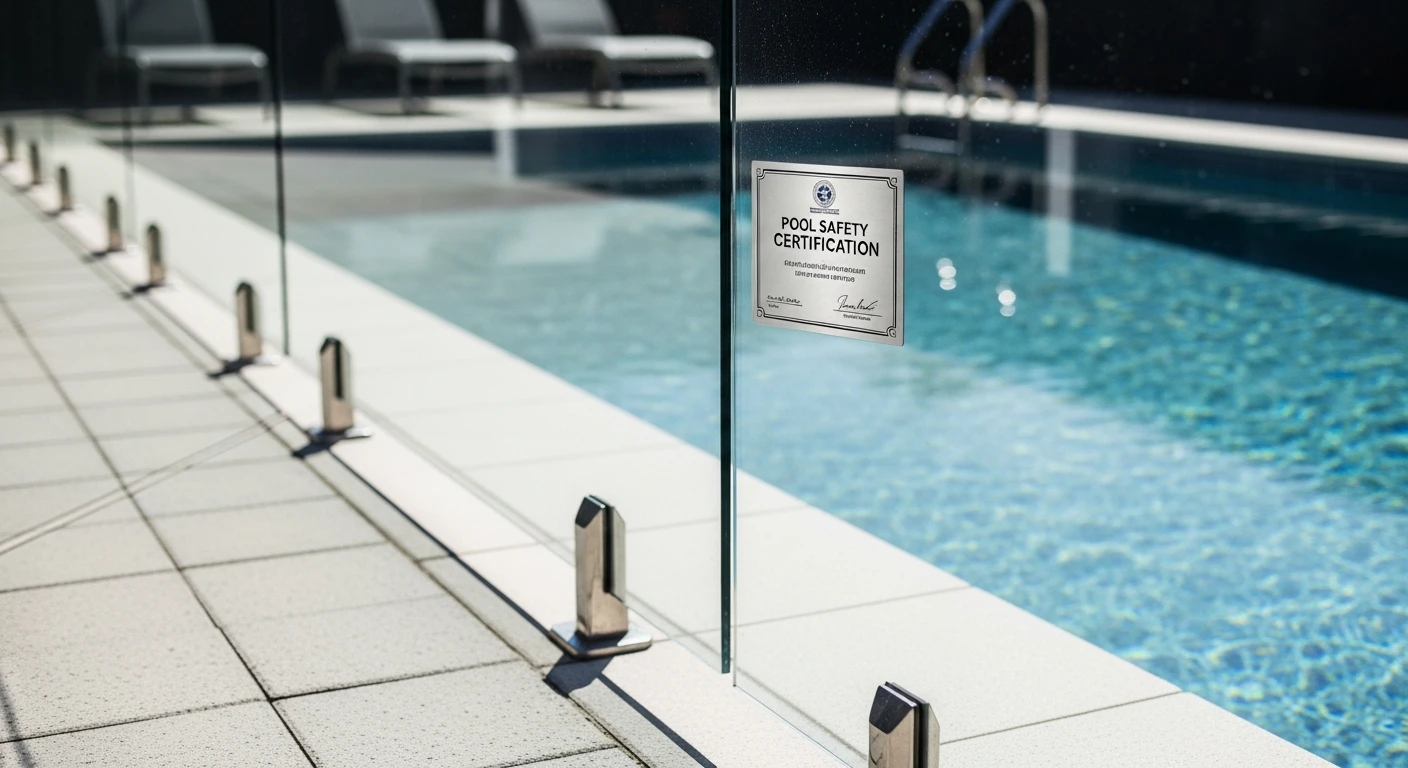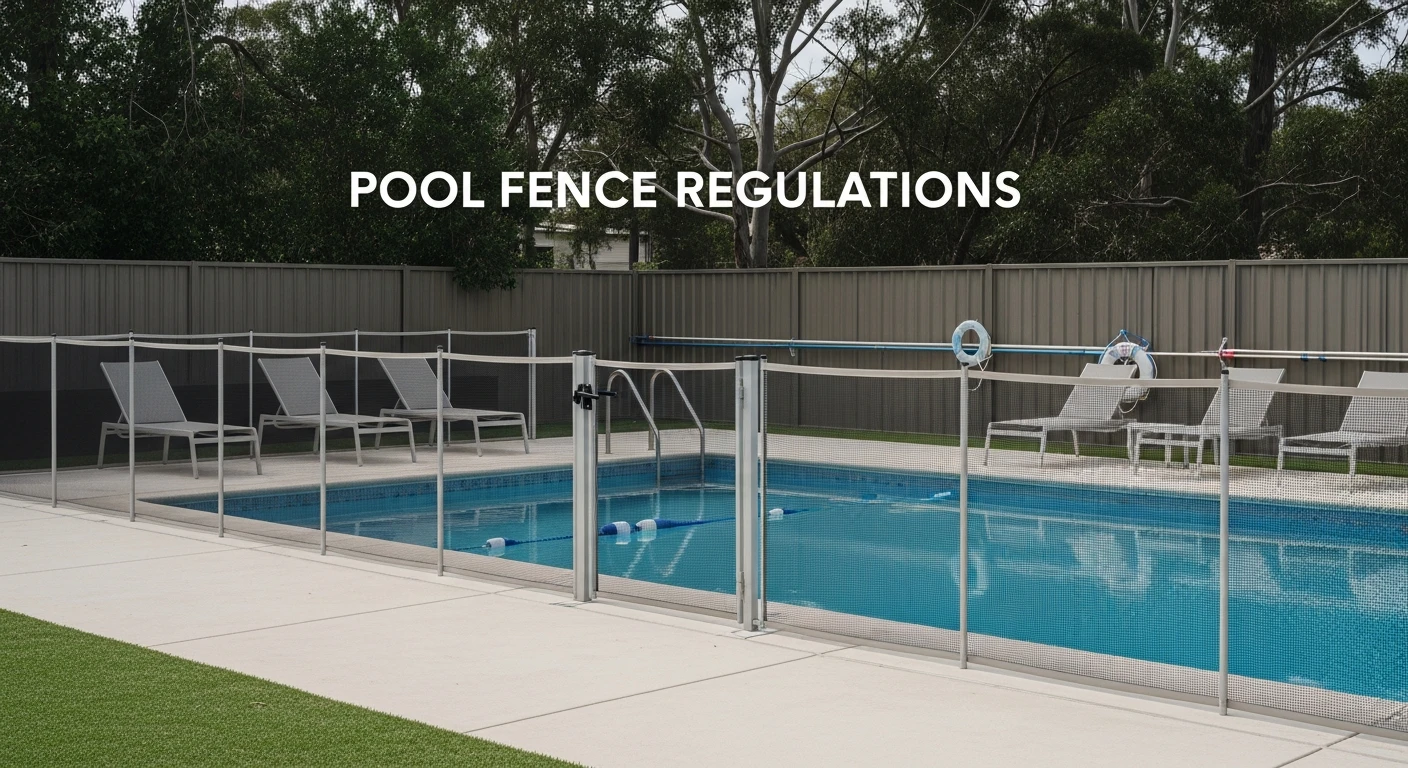
Collier County Swimming Pool Compliance: My Protocol for a First-Pass Inspection Approval
Failing a pool safety inspection in Collier County isn't just a bureaucratic headache; it's a direct financial hit from re-inspection fees and contractor delays. I’ve seen this happen on multi-million dollar properties in Port Royal and on standard family homes in Golden Gate Estates. The most common mistake isn't ignoring the Florida Building Code (FBC), but rather misunderstanding how local inspectors interpret and prioritize its mandates, especially considering our coastal climate. My entire approach is built on pre-empting the inspector's checklist, focusing on the three areas where I see over 90% of failures occur. It’s about moving from a reactive "let's see if this passes" mindset to a proactive "this will pass" strategy. This protocol has consistently saved my clients thousands in rework and has expedited their project timelines by weeks.My Proprietary 3-Point Compliance Audit: Beyond the FBC
I developed my diagnostic method after noticing a pattern in inspection failure reports across Collier County. Inspectors are trained to spot systemic weaknesses, not just single infractions. My audit mirrors this by focusing on holistic safety systems rather than isolated components. It's a system I've refined on projects from Marco Island condos to sprawling inland estates.Decoding Inspector Hot-Buttons: From Naples to Immokalee
The core of my audit is anticipating the inspector's main points of scrutiny. These are the non-negotiable items that signal the overall quality and safety of the installation.- Barrier Integrity Analysis: This is more than just measuring the fence. The state mandates a
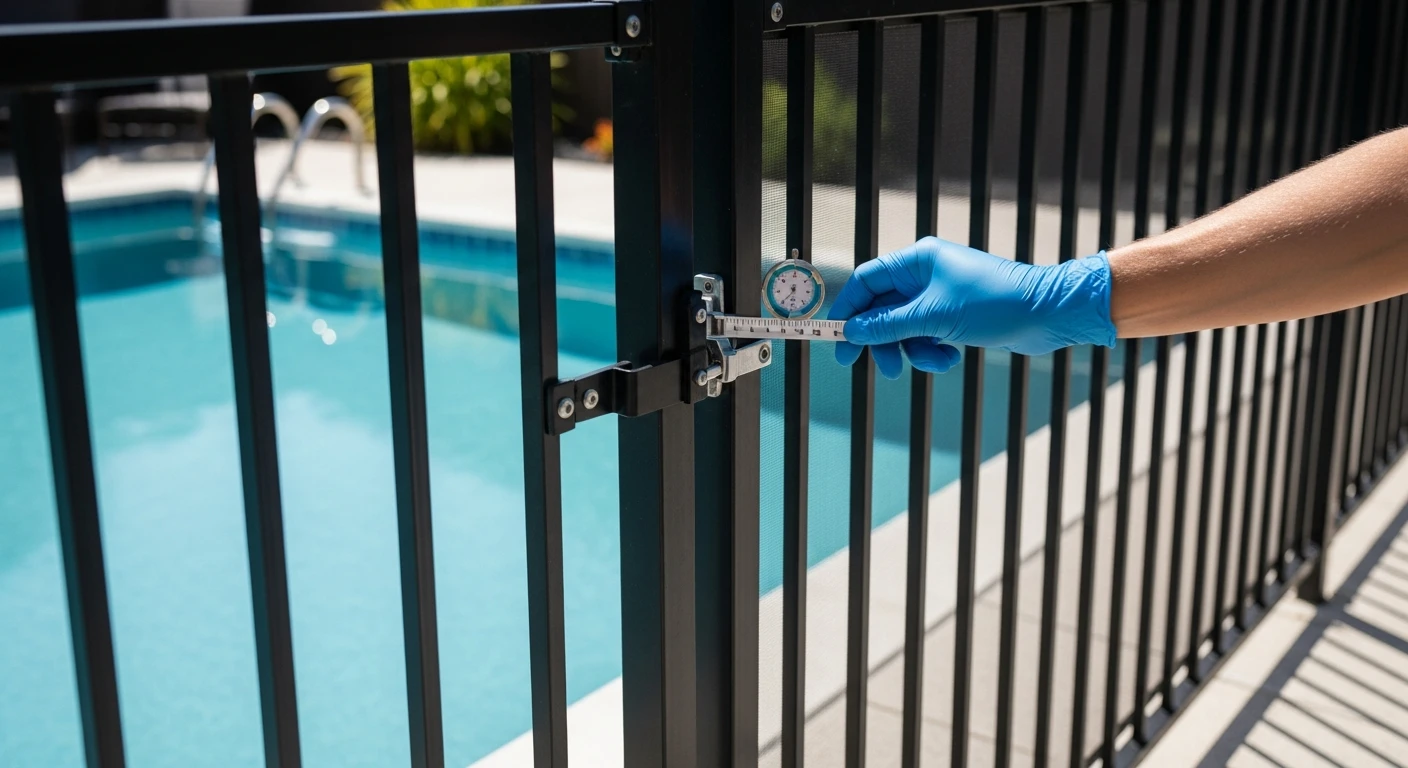
48-inch minimum height , but the Collier County inspector’s focus is on the failure points. I’ve seen brand new aluminum fences fail because the self-latching gate mechanism, installed facing the saltwater canals of Naples, corroded in under a year. The critical test is whether the gate canself-latch and self-close from any position. The release mechanism must also be at least54 inches from the bottom of the gate or on the pool side at least 3 inches below the top of the gate with no openings greater than 1/2 inch within 18 inches of the release mechanism. Doors from the home leading to the pool must have an alarm with a pass-through switch or be self-closing with a self-latching device. - Electrical System Verification: This is a major liability point. Inspectors look for more than just a working pump. I check for the
equipotential bonding of all metal components (ladders, rebar, lights, fences) within 5 feet of the pool’s edge. I identified a critical error on one large project where the contractor used a corroded bonding lug, which would have meant an instant failure and a costly deconstruction to fix. A dedicatedGFCI-protected circuit for the pool pump is mandatory, and I always test the trip function as part of my audit. - Drain & Suction Outlet Safety: Compliance with the
Virginia Graeme Baker Pool & Spa Safety Act (VGBA) is an absolute deal-breaker. Inspectors will physically check the main drain covers for a VGB-2008 compliance stamp. I’ve seen homeowners unknowingly purchase non-compliant covers online. A non-compliant drain cover means the pool is immediately shut down until replaced. It’s a simple check that avoids a massive liability.
The Pre-Inspection Walkthrough: An Actionable Checklist
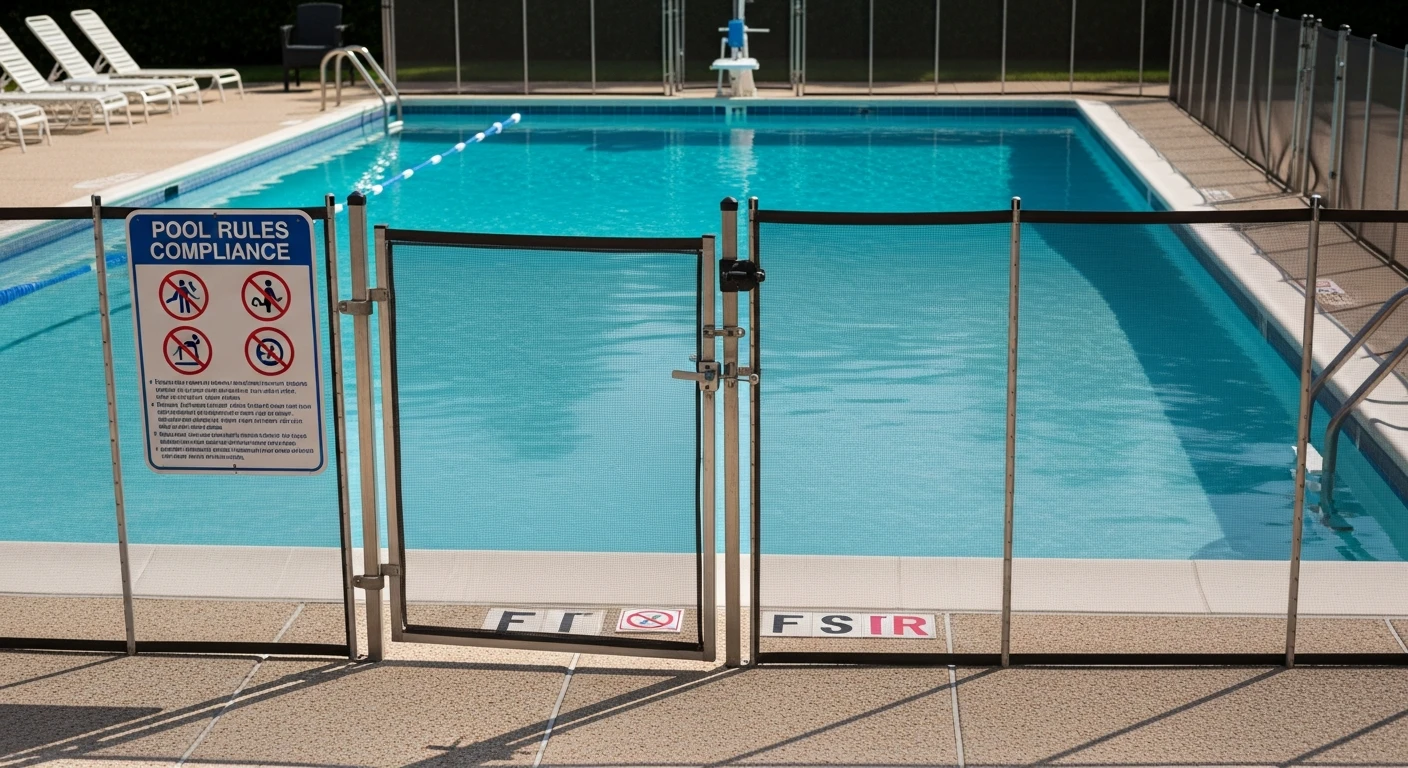
Before scheduling the official inspection, I perform a final walkthrough. This is the implementation phase where theory meets reality. It's a physical, hands-on check of every critical component.Fence & Gate Protocol: Measure fence height at multiple points. It cannot be less than 48 inches at its lowest point.Check the clearance from the bottom rail to the ground; it must be less than 2 inches if on a hard surface like concrete.Operate every gate from a fully open, partially open, and slightly ajar position. It must self-close and self-latch every time.Test all house door alarms leading to the pool area. The sound must be continuous and audible.
Electrical & System Integrity: Locate and test the GFCI outlet for the pump.Visually inspect the bonding wire connecting the pump, heater, and any metal components. Look for corrosion or breaks.Confirm the anti-entrapment drain cover is properly secured and its expiration date has not passed.Verify that all underwater lights are functional and sealed.
Achieving Durability: Material Choices for the Collier County Climate
Passing the inspection is one thing; ensuring the pool *remains* compliant is another. Our high humidity and salt-laden air, especially west of US-41, are brutal on hardware. I always specifyWritten by

Tags
safety rules for swimming
swimming pool safety guidelines
pool fencing guidelines
pool safety guidelines
Swimming Pool Compliance in Collier FL FAQ
What is the purpose of swimming pool compliance?
Swimming pool compliance refers to the process of ensuring that a swimming pool meets all relevant health and safety regulations, codes, and standards. This includes regular inspections, maintenance, and testing to identify and address any potential hazards or risks to users.
Why is swimming pool compliance important?
Swimming pool compliance is crucial to ensure the safety and well-being of pool users. Regular inspections and maintenance can help prevent accidents, injuries, and illnesses, while also preventing the spread of diseases. Moreover, compliance with regulations can also help prevent legal and financial liabilities for pool owners.
What are the common swimming pool compliance issues?
Common swimming pool compliance issues include inadequate fencing, poor water quality, lack of proper ventilation, and inadequate rescue equipment. Additionally, issues with pool lighting, electrical systems, and ladder safety can also pose significant risks to pool users.
How often should swimming pools be inspected and maintained?
Swimming pools should be inspected and maintained regularly, ideally on a monthly basis. This includes checking for any signs of wear and tear, inspecting filters and pumps, and testing water quality. Additionally, regular cleaning and disinfection of the pool and surrounding areas is also essential.
What are the consequences of non-compliance with swimming pool regulations?
The consequences of non-compliance with swimming pool regulations can be severe, including fines, legal action, and even closure of the pool. Moreover, non-compliance can also lead to accidents, injuries, and illnesses, which can have long-term consequences for pool users and owners.
How can I ensure my swimming pool is compliant with regulations?
To ensure your swimming pool is compliant with regulations, it is recommended to hire a professional pool inspector or consultant. They can conduct a thorough inspection of your pool and provide recommendations for any necessary repairs or upgrades. Additionally, keeping accurate records of inspections, maintenance, and testing can also help demonstrate compliance.
What are the benefits of hiring a swimming pool compliance expert?
Hiring a swimming pool compliance expert can provide numerous benefits, including peace of mind, reduced liability, and improved pool safety. They can also help identify and address any potential issues before they become major problems, saving time and money in the long run.
What are the typical costs associated with swimming pool compliance?
The costs associated with swimming pool compliance can vary depending on the size and complexity of the pool, as well as the frequency and scope of inspections and maintenance. However, typical costs may include inspection fees, maintenance and repair costs, and equipment upgrades or replacements.
Can swimming pool compliance be integrated into my regular pool maintenance routine?
Yes, swimming pool compliance can be integrated into your regular pool maintenance routine. By including regular inspections, testing, and maintenance in your routine, you can help ensure that your pool remains compliant with regulations and safe for use.