Saltwater Pool Conversion: My Protocol for Mitigating Galvanic Corrosion and Extending Cell Lifespan by 30%
A successful saltwater pool conversion is not about dumping bags of salt into the water; it's an electrochemical system upgrade. I’ve been called to fix dozens of failed conversions, and the root cause is almost always a failure to treat the project as a holistic system integration. The goal isn’t just silky smooth water, but a stable, self-regulating sanitation system that protects your investment in heaters, railings, and pump components.
My methodology focuses on two critical, often-overlooked areas: pre-emptive water chemistry balancing and the non-negotiable installation of a sacrificial anode. Neglecting these turns a luxury upgrade into a ticking clock for equipment failure due to galvanic corrosion. This guide details my exact process, honed over years of field work, to ensure a seamless transition and long-term system health.
The Pre-Conversion Audit: My Proprietary Diagnostic Framework
Before I even touch a pipe or a bag of salt, I perform a mandatory system audit. A common mistake is simply installing the Saltwater Chlorine Generator (SWG) without assessing the existing ecosystem. I once consulted on a project where a brand-new, high-efficiency heater was destroyed in under a year because this diagnostic step was skipped. The problem wasn't the salt; it was the electrolytic process it enabled between dissimilar metals.
My audit protocol is a two-pronged approach. First, I assess the physical equipment. Is the pump compatible? Are there any existing copper components that will be at high risk? Second, and most critically, I establish a water chemistry baseline. You cannot convert an unbalanced pool. Attempting to do so means you'll be chasing chemical stability for months. I specifically test for four key metrics before proceeding: Total Alkalinity (80-120 ppm), Calcium Hardness (200-400 ppm), Cyanuric Acid (30-50 ppm for a salt pool), and pH (7.4-7.6). Adjusting these *before* adding salt is fundamental to my process.
Galvanic Corrosion and SWG Sizing: The Two Primary Failure Points
Let's get technical. A saltwater pool is a mild electrolyte. When you have different metals (like stainless steel from a ladder, copper from a heater's heat exchanger, and titanium plates in your new salt cell) sharing this electrolyte, you create a battery. This process, galvanic corrosion, will sacrifice the "least noble" metal, which is often a critical and expensive component of your heater. The solution is a sacrificial anode. This is a piece of zinc, a less noble metal, that I plumb directly into the system. It corrodes instead of your expensive equipment, and I consider its installation an absolute requirement for any conversion I undertake.
The second failure point is improper SWG sizing. The manufacturer's sizing guide is often based on ideal conditions. I have a firm rule: size the SWG for at least 1.5x your pool's actual gallonage. An undersized unit will be forced to run at 100% output constantly, drastically reducing the lifespan of the titanium cell plates from a typical 10,000 hours to as little as 4,000. An oversized unit running at 50% capacity is far more efficient, provides reserve power for high-use periods, and achieves a 25-30% longer operational life.
The 72-Hour Conversion Protocol: From Chlorine to Saline
Once the audit is complete and the correct equipment is on hand, I execute the conversion over a 72-hour window. This methodical timing is crucial for allowing the system to stabilize at each stage.
- Day 1: Pre-emptive Balancing & Shock. I bring all water chemistry to the ideal baseline levels identified in the audit. Once balanced, I shock the pool with traditional chlorine one last time to eliminate any existing contaminants. This ensures the new SWG starts with a clean slate.
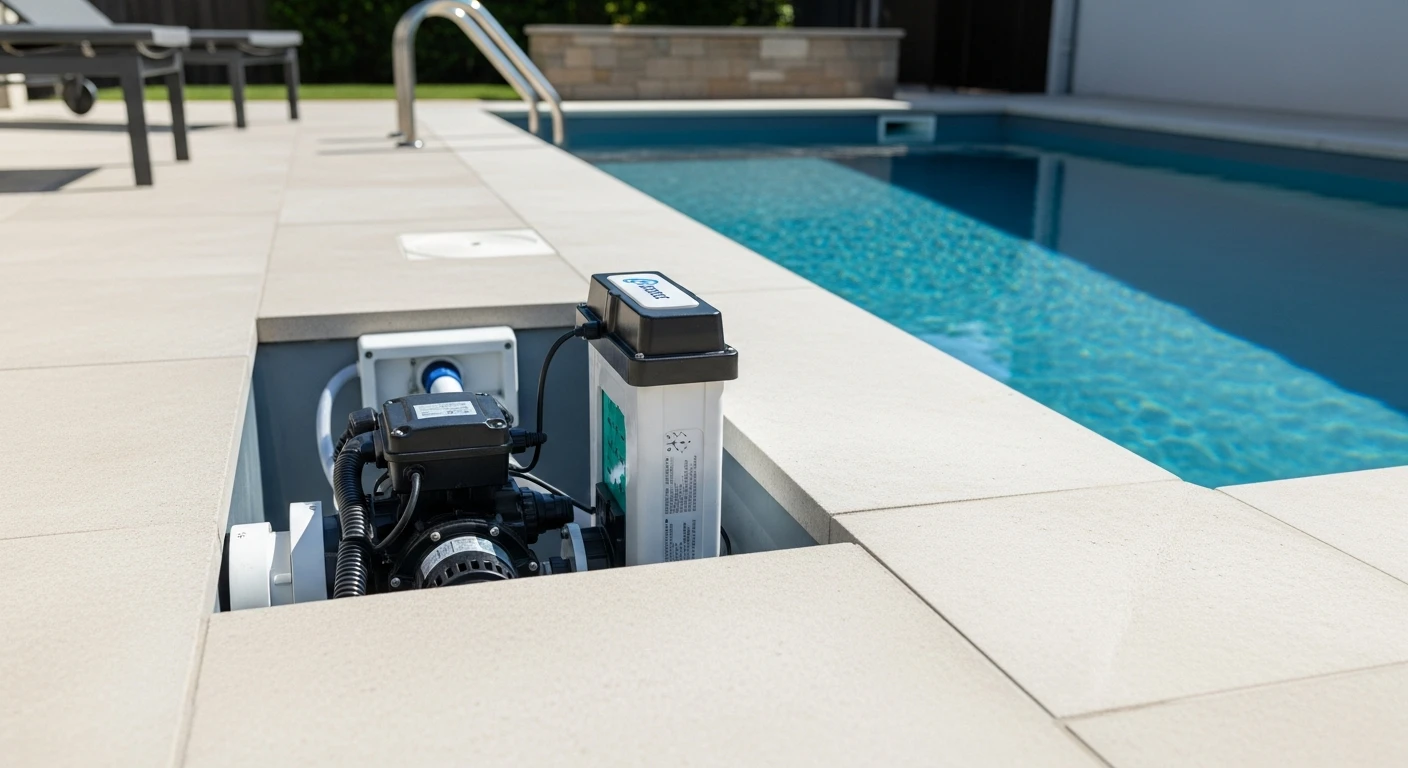
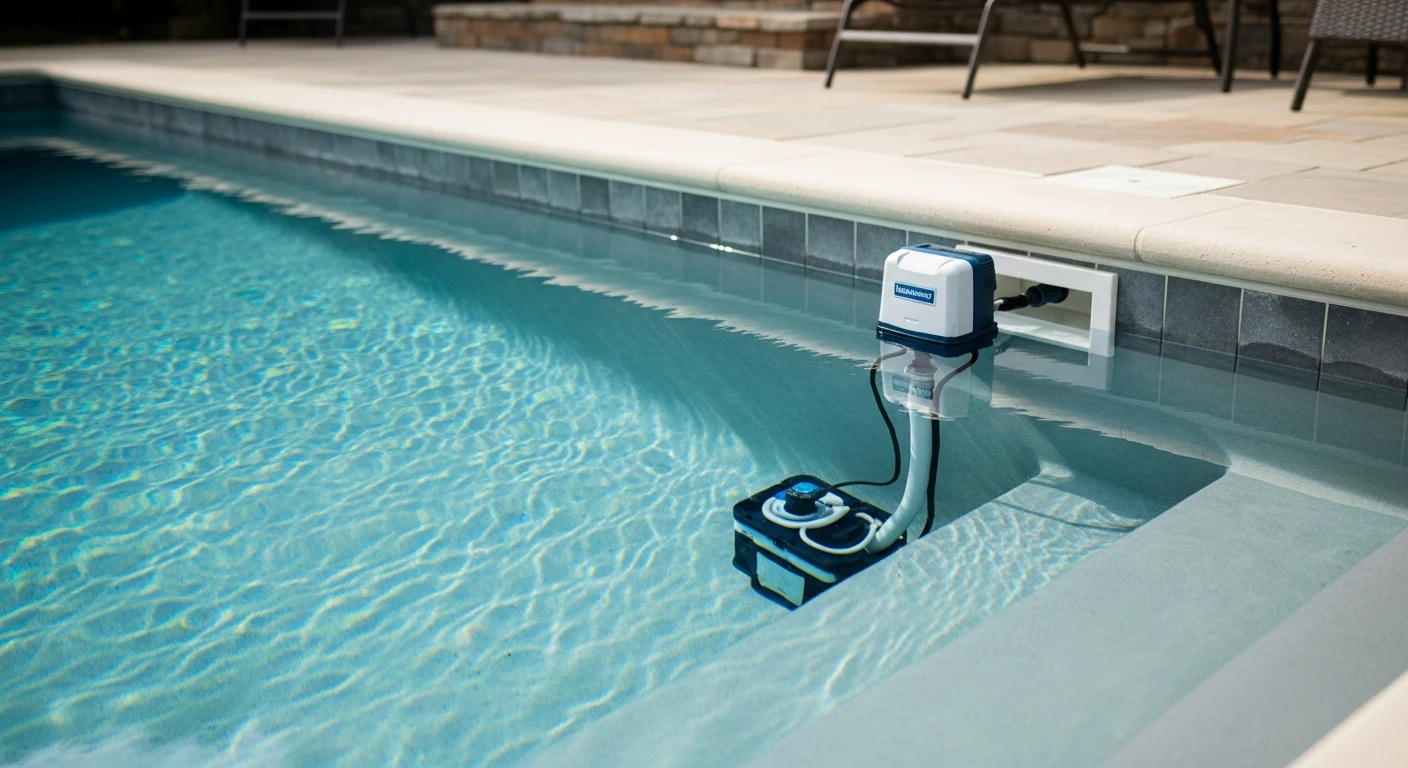
- Day 2 (AM): System Installation. With the pump powered off at the breaker, I physically plumb in the SWG control unit and the electrolytic cell. This is always done *after* the filter, heater, and any other equipment. The sacrificial anode is also installed in this step.
- Day 2 (PM): Salt Application. This is the most misunderstood step. Never dump salt directly into the skimmer. I pre-dissolve it or spread it evenly across the pool's shallow end. I then use a pool brush to agitate the water and run the pump continuously for 24 hours with the new SWG cell turned off. This prevents undissolved salt from damaging the pool surface or equipment.
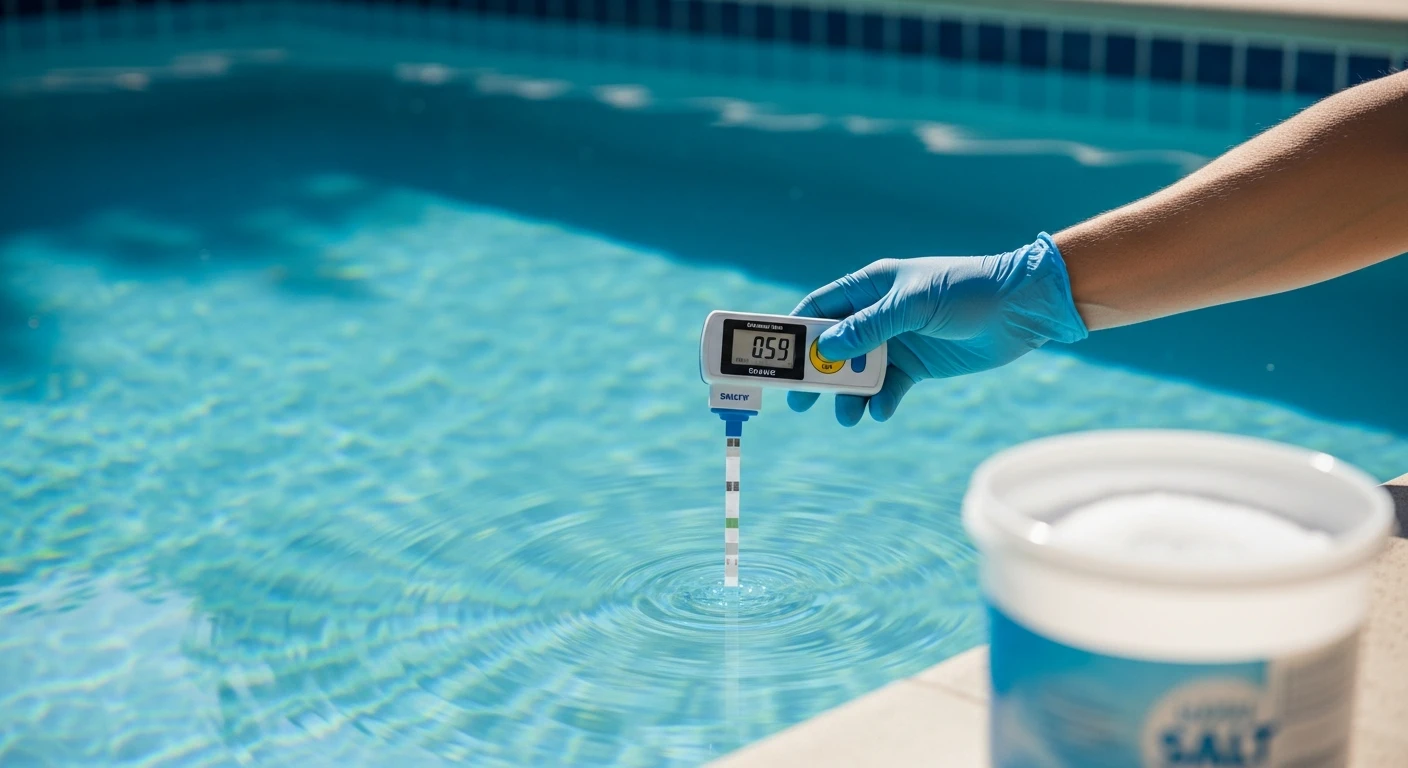
- Day 3: System Activation. After 24 hours of circulation, the salt is fully dissolved. I use a calibrated digital salt tester to confirm the PPM (parts per million) is within the SWG's required range (typically 3000-3500 ppm). Only then do I power on the electrolytic cell and set its initial chlorine production percentage.
Tags
salt water conversion for pool
converting swimming pool to saltwater
convert to a salt water pool
salt water pool conversion near me
Saltwater Pool Conversion FAQ
What is a saltwater pool conversion, and how does it work?
A saltwater pool conversion involves replacing the chlorine-based system in your existing pool with a saltwater system. Saltwater pools use natural salt to sanitize the water, rather than harsh chemicals. The process involves installing a saltwater chlorine generator, which converts the salt into chlorine, sanitizing the water. This results in a healthier and more enjoyable swimming experience.
Why switch to a saltwater pool conversion?
Saltwater pool conversions offer numerous benefits, including gentler skin and hair, reduced eye irritation, and a more natural swimming experience. Saltwater pools also require less maintenance and are more environmentally friendly than traditional chlorine-based pools. Additionally, saltwater pools can help reduce the risk of algae growth and the need for frequent chemical additions.
Is a saltwater pool conversion expensive?
The cost of a saltwater pool conversion varies depending on the size and type of pool, as well as the complexity of the conversion. However, many pool owners find that the long-term benefits and cost savings of a saltwater pool conversion make it a worthwhile investment. Our team can provide a personalized quote for your specific pool conversion needs.
How long does a saltwater pool conversion take?
The conversion process typically takes several days to a week, depending on the complexity of the installation and the size of the pool. Our experienced technicians will work with you to schedule the conversion at a time that works best for you and your family.
Will a saltwater pool conversion affect my pool's warranty?
In most cases, a saltwater pool conversion will not affect your pool's warranty. However, it's essential to check with your pool manufacturer to confirm their warranty policies. Our team can also help you navigate any warranty concerns or questions you may have.
Can I still use my pool during the conversion process?
In most cases, it's possible to continue using your pool during the conversion process, although this may depend on the specific requirements of the conversion. Our team will work with you to minimize downtime and ensure that your pool is safe and accessible during the conversion process.
Do I need to maintain my saltwater pool differently than a traditional pool?
Yes, saltwater pools require slightly different maintenance than traditional pools. Our team will provide you with detailed instructions on how to properly maintain your saltwater pool, including regular testing and adjustments to the saltwater system.
What if I have concerns or questions about my saltwater pool conversion?
We're here to help! Our experienced team is available to answer any questions or concerns you may have throughout the conversion process and beyond. We're committed to ensuring that you're completely satisfied with your saltwater pool conversion.