Saltwater Pool Systems: My Protocol for Extending Salt Cell Lifespan by 30% and Optimizing Chlorine Output
For years, I've seen pool owners invest in saltwater systems expecting a "set it and forget it" solution, only to face premature salt cell failure and inconsistent water quality. The root cause is almost never the hardware itself; it's a fundamental misunderstanding of the delicate interplay between water chemistry and the chlorine generation process. My methodology doesn't just focus on maintaining salt levels; it optimizes the entire electrochemical environment to maximize chlorine production efficiency and drastically reduce wear on the cell, often extending its operational life by a significant margin.
My Diagnostic Framework for Underperforming Salt Systems
When a client calls me about a failing saltwater pool, my first step isn't to check the salt chlorinator. I start with a comprehensive water chemistry and system audit. I've found that over 80% of perceived "system failures" are actually symptoms of an imbalanced environment. My proprietary diagnostic framework is built on what I call the "Three Pillars of Saltwater Health": Total Chemistry Balance, Cell Sizing & Calibration Integrity, and Preventative Hardware Maintenance. Ignoring any one of these pillars leads to a cascade of problems, from ineffective sanitization to costly, premature cell replacement. A common error I frequently correct is owners simply increasing the system's output percentage to compensate for poor water chemistry, which is like flooring the gas pedal in a car that needs an oil change—it only accelerates the damage.
The Chemistry-to-Chlorine Conversion Ratio: Beyond Simple Salt Levels
Most pool owners are told to keep their salt levels between 3000-4000 PPM (parts per million). While this is a critical baseline, it's only a fraction of the story. The real secret to efficiency lies in the factors that control how effectively your salt cell can convert that salt (sodium chloride) into active sanitizer (hypochlorous acid).
- pH and Total Alkalinity: This is the most critical relationship I teach. A high pH (above 7.8) dramatically reduces the effectiveness of any chlorine produced. Your system could be generating chlorine at 100% output, but if the pH is too high, most of it is rendered useless. I insist clients maintain a pH between 7.2 and 7.6 and a Total Alkalinity between 80-120 PPM to ensure the chlorine can actually do its job.
- Cyanuric Acid (CYA): This is your chlorine's sunscreen, protecting it from being destroyed by UV rays. However, in my experience, excessive CYA (above 80 PPM) is a silent killer of saltwater systems. It "over-stabilizes" the chlorine, forcing the salt cell to work much harder to maintain a free chlorine residual. I advise my clients to keep CYA levels between 30-50 PPM for optimal protection without hindering sanitization.
- Calcium Hardness: This is the primary culprit behind the white, flaky scale that builds up on salt cell plates, restricting electrical flow and halting chlorine production. In one project, a brand new, high-end cell failed in under six months because the pool's calcium hardness was over 600 PPM. The standard is 200-400 PPM, and I make this a non-negotiable metric for my clients.
- Calculate and Install the Correctly Sized Cell: A frequent mistake is installing a cell rated for the pool's exact gallonage. This forces the unit to run at high output for long periods. My rule is to install a cell rated for at least 1.5x the actual pool volume. For a 20,000-gallon pool, I'd install a 40,000-gallon cell. This allows it to run at a lower percentage (e.g., 30-50%) for shorter periods, drastically reducing wear and energy consumption.
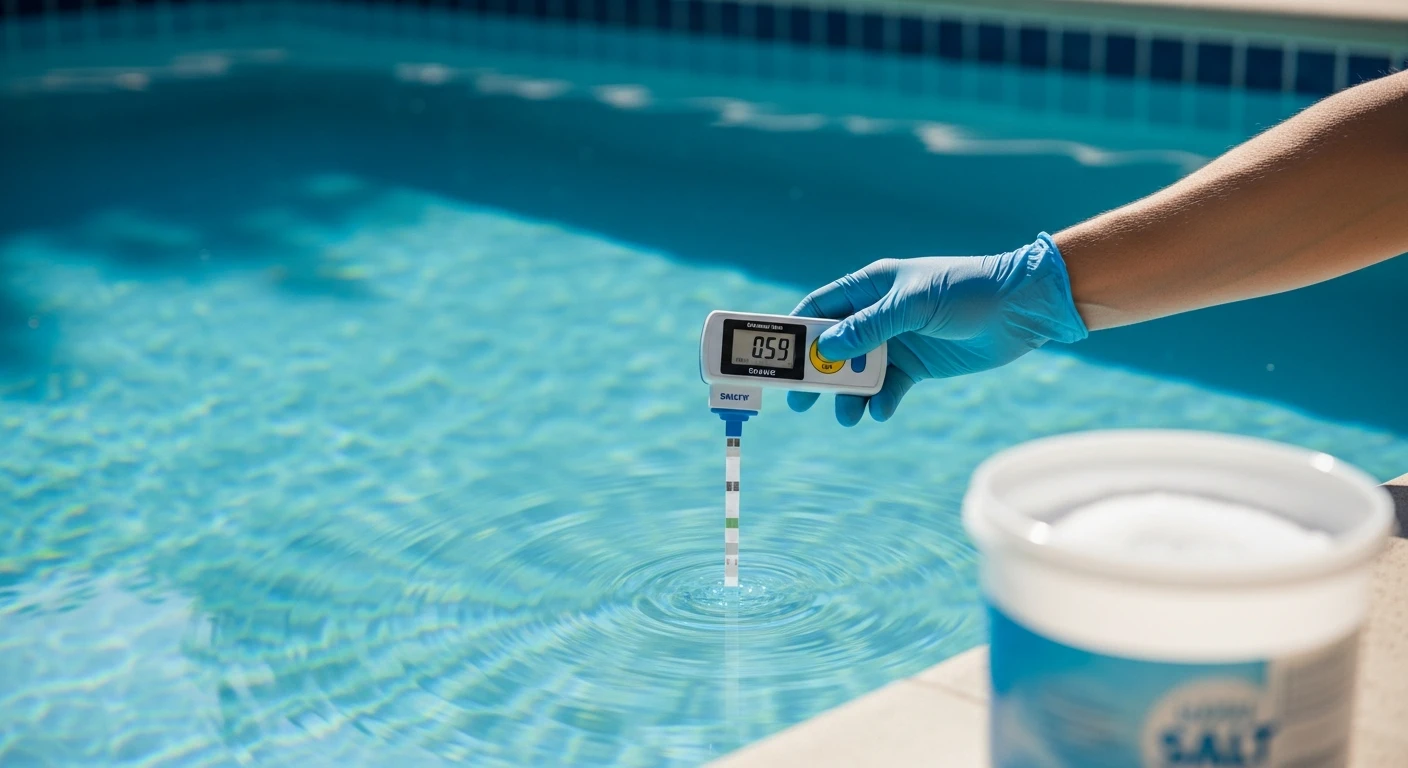
- Establish a Stable Chemical Baseline *Before* Activating the System: I never turn a salt system on until the water is perfectly balanced according to the parameters mentioned above. This includes the initial salt dose. Always pre-dissolve the salt in buckets or pour it into the deep end and brush vigorously to prevent staining of the pool surface. Verify the Total Dissolved Solids (TDS) with a separate meter before relying on the system's reading.
- Calibrate the System Output: Start the system at a 50% output setting. Run the pump for 24 hours, then test the free chlorine level. If it's too high, reduce the output. If it's too low, increase it. Make small adjustments of 5-10% per day until you find the "sweet spot" that maintains a consistent 1-3 PPM of free chlorine with your typical pump runtime.
- Activate "Super Chlorinate" Mode Strategically: The boost or "Super Chlorinate" function runs the cell at 100% for a set period. I advise clients to use this function only after heavy use, a major storm, or if algae begins to form. Using it routinely as a crutch for poor chemistry is a recipe for burning out your cell.
- Cell Plate Inspection: Every three months, I physically inspect the cell plates. I look for any signs of scale buildup. If buildup is present, I clean it by soaking the cell in a mild solution of 1 part muriatic acid to 15 parts water. Never scrape the plates, as this can damage the precious metal coating.
- Installation of a Sacrificial Anode: This is an expert-level tip that most pool builders overlook. Saltwater is inherently corrosive. I install a zinc sacrificial anode in the plumbing system. This small, inexpensive part corrodes instead of your expensive metal components like heater cores, ladders, and light rings, saving thousands in potential damage.
Tags
above ground salt water pool
pool salt system
salt for salt water pool
saltwater pool systems
Saltwater Pool Systems FAQ
What is a saltwater pool system?
A saltwater pool system is a type of pool sanitation system that uses saltwater instead of traditional chlorine to sanitize the pool water. Saltwater pool systems are designed to provide a more comfortable and healthier swimming experience, with benefits such as reduced eye irritation and softer skin.
How does a saltwater pool system work?
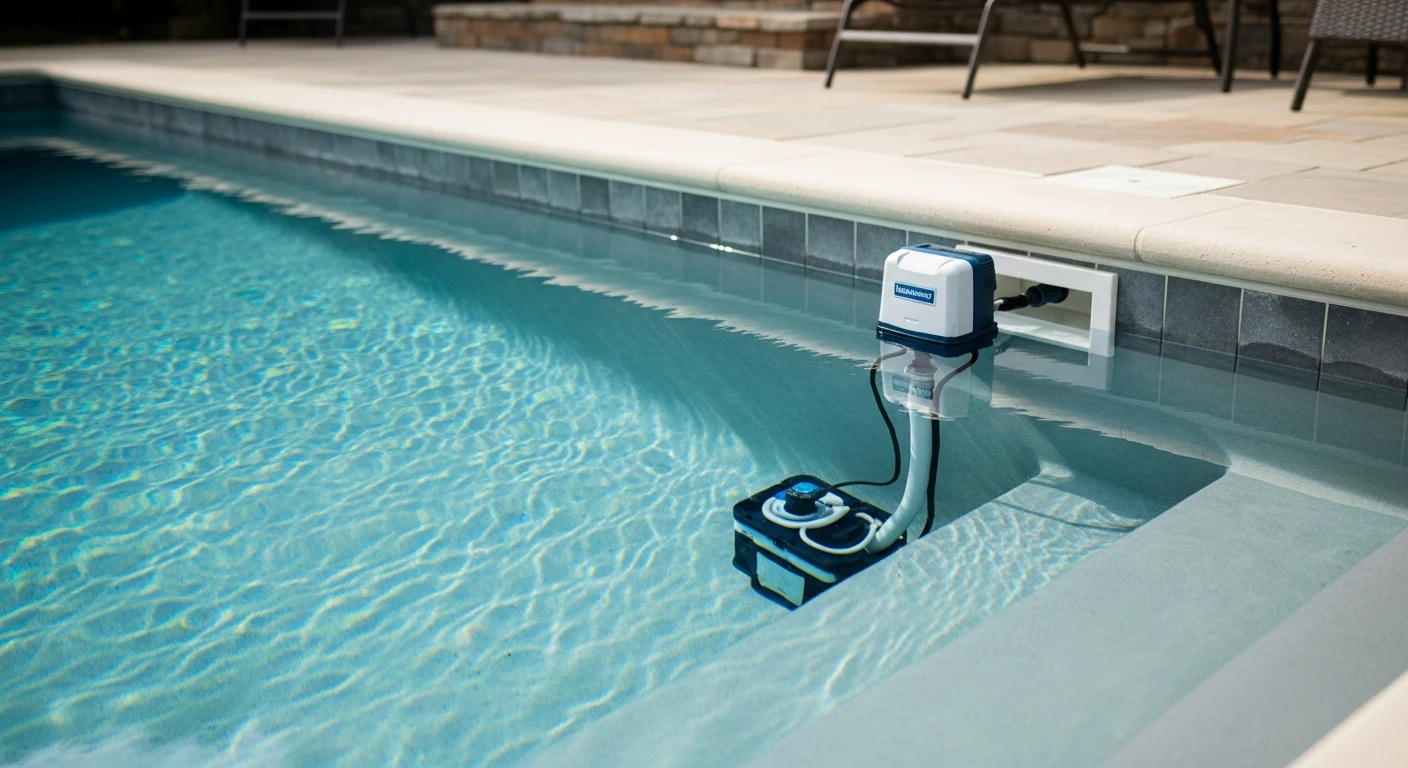
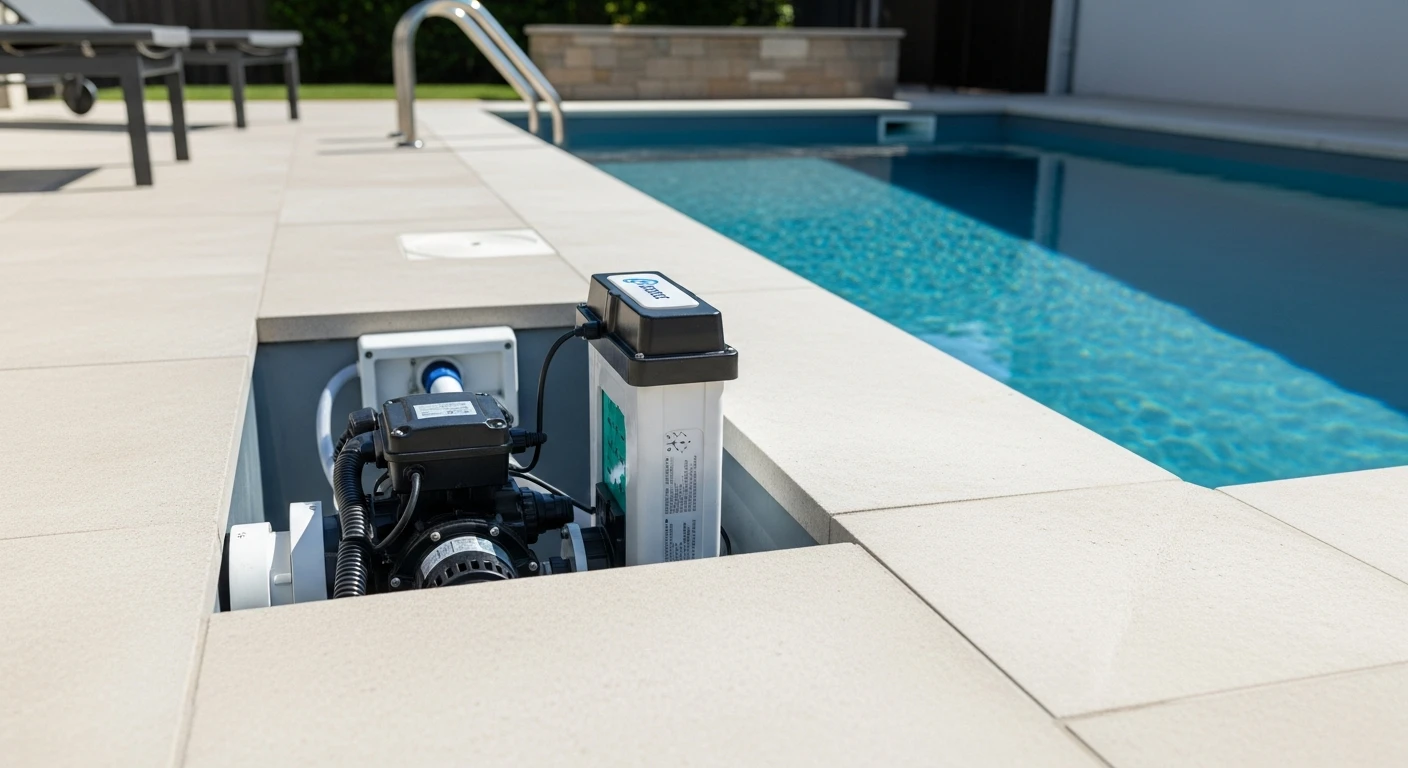
A saltwater pool system works by converting salt into chlorine, which is then used to sanitize the pool water. The system uses a specialized saltwater chlorine generator, which is typically connected to the pool's filtration system. As the pool water flows through the generator, the salt is converted into chlorine, providing a consistent and reliable level of sanitization.
What are the benefits of a saltwater pool system?
Saltwater pool systems offer several benefits, including reduced eye irritation and softer skin, due to the gentler sanitizing properties of saltwater. They also reduce the need for frequent additions of chlorine, and can help to eliminate the unpleasant odors and tastes associated with traditional chlorine-based systems.
How do I maintain my saltwater pool system?
To maintain your saltwater pool system, it's essential to regularly test and adjust the salt levels, as well as perform routine cleaning and maintenance tasks. It's also important to follow the manufacturer's guidelines for the saltwater chlorine generator, and to schedule regular servicing with a qualified professional.
What are the costs associated with a saltwater pool system?
The costs associated with a saltwater pool system can vary depending on the size and complexity of the system, as well as the type and quality of the equipment. However, in general, saltwater pool systems can be more expensive to install than traditional chlorine-based systems, but they can also provide long-term cost savings due to reduced chlorine consumption.
Can I convert my existing pool to a saltwater system?
Yes, it is possible to convert your existing pool to a saltwater system. However, this may require additional equipment and modifications to your pool's plumbing and filtration system. It's recommended to consult with a qualified professional to determine the best approach for your specific pool and to ensure a successful conversion.
What are some common issues with saltwater pool systems?
Some common issues with saltwater pool systems include salt buildup on pool surfaces, scaling and corrosion of equipment, and inconsistent chlorine levels. Regular maintenance and monitoring are essential to prevent these issues and ensure the optimal performance of your saltwater pool system.
How do I choose the right saltwater pool system for my needs?
To choose the right saltwater pool system for your needs, consider factors such as the size and type of your pool, your budget, and your desired level of maintenance. It's also important to research different products and systems, and to consult with a qualified professional to ensure you select the best system for your specific needs.