Swimming Pool Structural Analysis: A Protocol to Mitigate Hydrostatic Uplift and Extend Shell Lifespan by 30%
Most structural analyses for swimming pools are fundamentally flawed. They focus on the static load of the water pushing outwards, but in my experience, the most catastrophic failures come from external forces pushing inwards and upwards. I've been called to projects where a 50,000-gallon gunite pool, emptied for maintenance during a wet season, had literally lifted 6 inches out of the ground due to unaccounted-for hydrostatic pressure. This is not a theoretical risk; it is a multi-ton concrete shell failing under forces that were never properly calculated.
My entire approach is built around preventing this exact scenario. A standard inspection might check for cracks, but my methodology quantifies the external environmental loads—primarily soil saturation and groundwater levels—to create a predictive model of the shell's long-term viability. This isn't just about patching leaks; it's about re-engineering the pool's relationship with its environment to guarantee its structural integrity for decades, not just years.
My Diagnostic Framework: The Tri-Vector Load Analysis
Over the years, I developed a proprietary method I call the Tri-Vector Load Analysis (TVLA). It moves beyond a simple visual check and treats the pool shell as a dynamic vessel interacting with three primary force vectors. A standard engineer might look at the concrete's PSI rating, but I'm looking at the forces working to destroy that rating over time. The TVLA is my blueprint for every project, from residential spas to Olympic-sized commercial pools.
The core principle is that a pool fails when one of these vectors overwhelms the structure's designed resistance. I've seen beautifully crafted pools fail in five years because the original engineers completely ignored the geotechnical report, assuming the soil was stable. That's a mistake I refuse to make, and it's the foundation of my analysis.
Deconstructing Soil Mechanics and Hydrostatic Forces
The single most misunderstood element in pool engineering is the soil. It's not static. I treat it as a fluid variable. A project built on expansive clay soil behaves entirely differently than one on sandy loam. During a dry spell, the clay shrinks, creating voids around the shell. Then, heavy rains saturate it, causing it to expand with immense force, placing a crushing, non-uniform load on the pool walls. This is a primary cause of major vertical shear cracks.
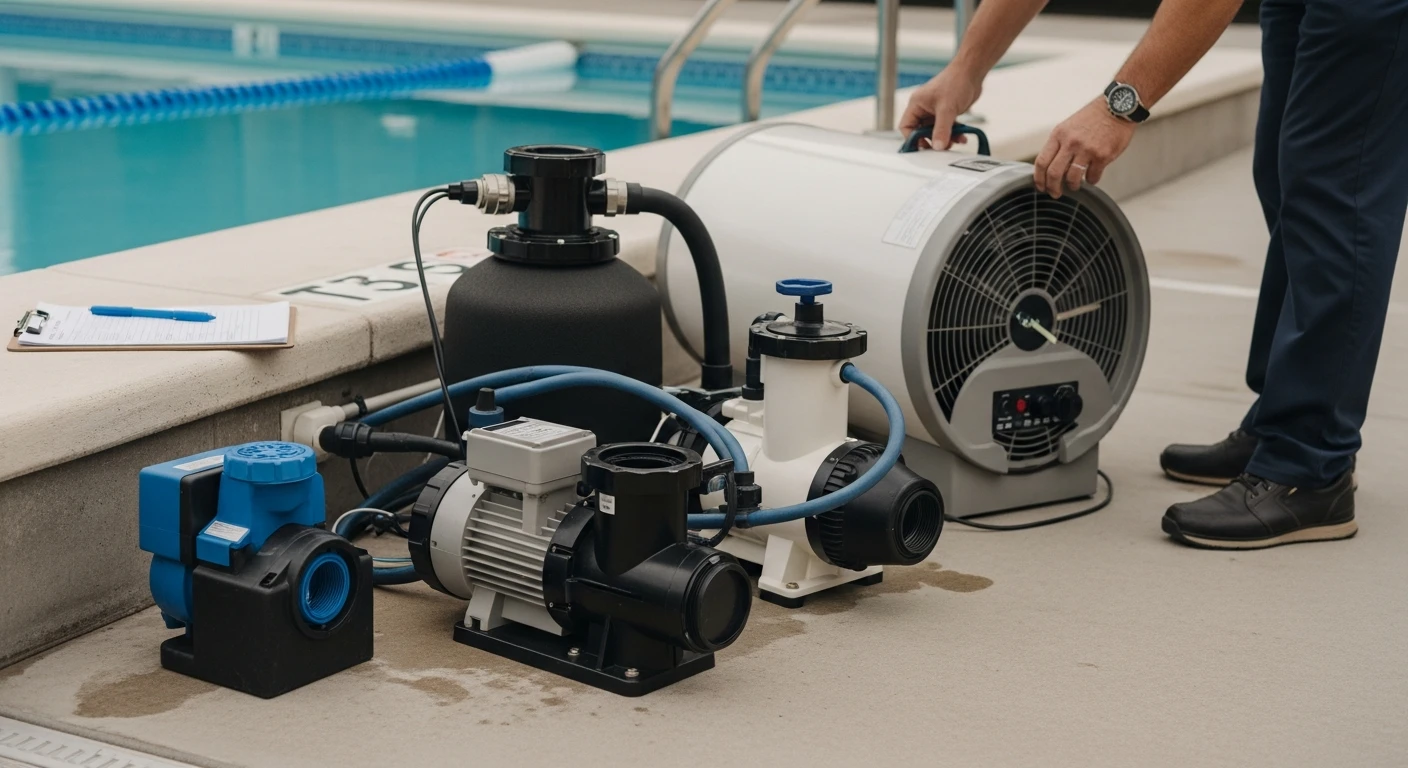
The other critical component is the hydrostatic relief valve. On one project, a client was experiencing chronic leaks. Previous contractors had re-plastered the pool twice. My TVLA process, however, included a pressure test of the main drain line, which revealed a completely seized hydrostatic valve. The groundwater pressure was slowly fracturing the shell from below, and no amount of surface-level repair would ever have fixed it. We replaced the valve and installed a secondary French drain system, permanently solving a problem that had cost the client over $40,000 in failed attempts.
The Structural Assessment Protocol: A Step-by-Step Implementation
When I'm brought in to perform a structural analysis, I follow a rigorous, phased protocol. Skipping a single step can lead to a misdiagnosis. This isn't just a checklist; it's a diagnostic funnel that isolates the root cause of failure.
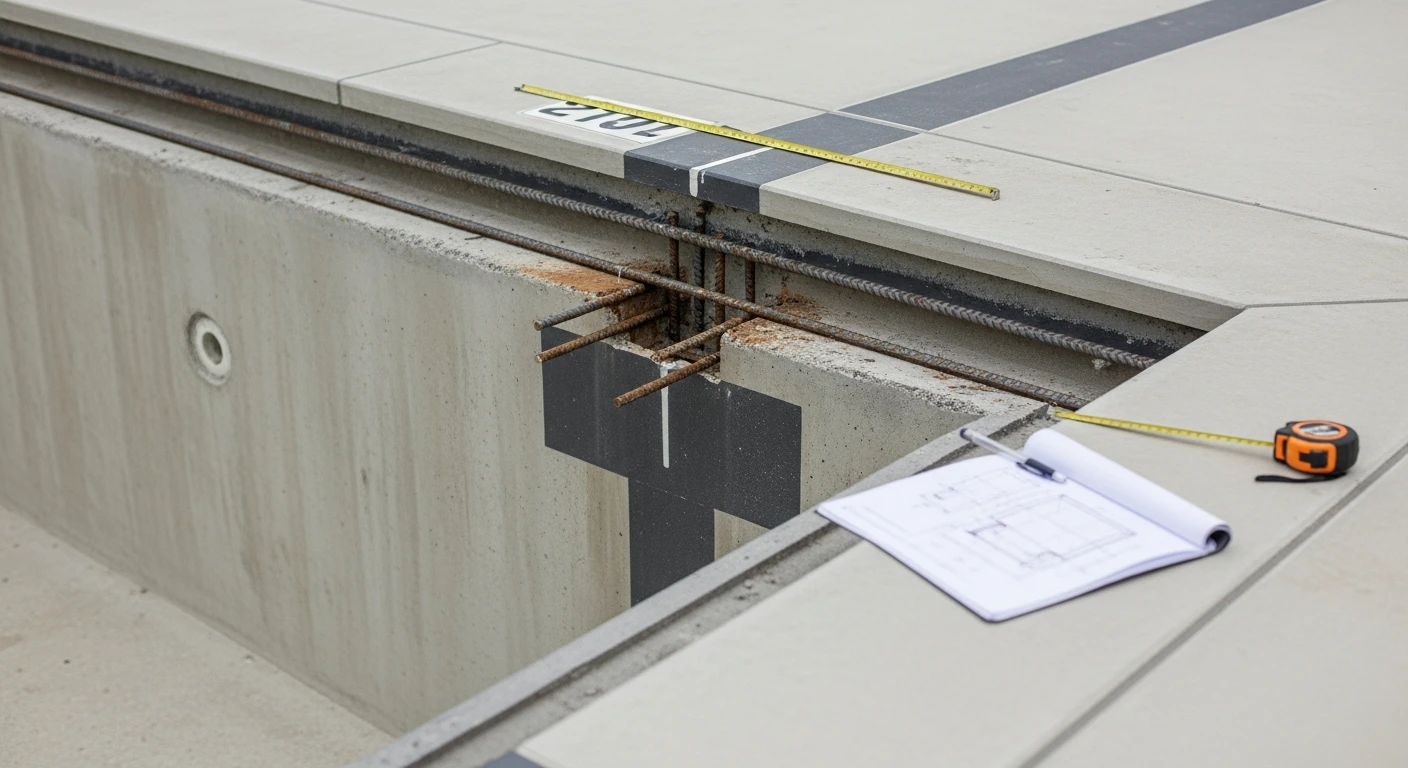
- Geotechnical and As-Built Plan Review: Before I even step on site, I demand the original geotechnical soil report and the architectural plans. I'm looking for the specified concrete compressive strength (PSI), the rebar schedule (size and spacing), and, most importantly, the soil's load-bearing capacity and plasticity index. This tells me what the original design *intended*.
- Advanced Crack Mapping: I don't just note cracks. I map them on a digital schematic, classifying them by type (hairline, structural), width, and direction. Horizontal cracks in the bond beam often indicate severe soil pressure, while spiderweb cracks in the floor can point to rebar corrosion or a hydrostatic pressure problem.
- Non-Destructive Testing (NDT): I use a rebound hammer (Schmidt hammer) to take multiple readings across the shell. This gives me an objective measurement of the in-situ concrete strength. If readings are below 75% of the designed PSI, it's a major red flag for material degradation.
- Core Sampling and Analysis: In cases of suspected rebar failure or low NDT readings, I take a small core sample. This allows me to visually inspect the rebar depth and condition (checking for rust and section loss) and send the concrete sample to a lab for petrographic analysis. This is non-negotiable for high-value commercial projects.
- Hydrostatic System Functionality Test: I conduct a controlled drain and pressure test specifically targeting the hydrostatic relief valve and main drain. A valve that doesn't open under a specific pressure differential is not a safety feature; it's a liability waiting to cause a catastrophic failure.
Tags
indoor swimming pool buildings
outdoor pool buildings
swimming pool structural
outdoor swimming pool buildings
Swimming Pool Structural Analysis FAQ
What is swimming pool structural analysis?
Swimming pool structural analysis is a service that involves a comprehensive examination of a pool's structure to identify potential issues and ensure its safety and integrity. Our experts use advanced software and techniques to assess the pool's design, materials, and construction, as well as its foundation, walls, and floor. This analysis helps pool owners and operators identify and address potential problems before they become major issues.
Why is swimming pool structural analysis important?
Swimming pool structural analysis is crucial for ensuring the safety and longevity of a pool. A structurally sound pool is essential for preventing accidents, reducing maintenance costs, and extending the pool's lifespan. By identifying potential issues early on, pool owners and operators can take proactive measures to address them, ensuring a safe and enjoyable swimming experience for users.
What types of issues can swimming pool structural analysis identify?
Swimming pool structural analysis can identify a wide range of potential issues, including cracks, leaks, and settlement problems in the foundation or walls. It can also detect issues with the pool's drainage system, as well as any structural damage caused by weathering, erosion, or other environmental factors. Our experts will identify any issues and provide recommendations for repair or replacement.
What is the process for conducting swimming pool structural analysis?
Our team of experts will conduct a comprehensive on-site inspection of the pool, including a visual examination of the pool's structure, foundation, and surrounding area. We will also use specialized equipment, such as ground-penetrating radar and thermal imaging, to gather additional information. After the inspection, we will provide a detailed report outlining our findings and recommendations for any necessary repairs or maintenance.
What are the benefits of hiring a professional for swimming pool structural analysis?
By hiring a professional for swimming pool structural analysis, pool owners and operators can ensure that their pool is safe and structurally sound. Our experts have the training, expertise, and specialized equipment necessary to identify and address potential issues, reducing the risk of accidents and extending the pool's lifespan. Additionally, our analysis can help pool owners and operators save money by identifying and addressing issues early on, rather than waiting for major problems to develop.
How often should a swimming pool undergo structural analysis?
The frequency of swimming pool structural analysis depends on a variety of factors, including the pool's age, usage, and environmental conditions. As a general rule, it's recommended that pools undergo structural analysis every 5-10 years, or more frequently if the pool is used heavily or is located in an area prone to natural disasters. Our experts can provide customized recommendations for your specific pool.
What are the next steps after swimming pool structural analysis?
After our team has conducted the swimming pool structural analysis, we will provide a detailed report outlining our findings and recommendations for any necessary repairs or maintenance. We will also work with you to develop a plan for addressing any issues identified, including scheduling and budgeting for any necessary work. Our goal is to ensure that your pool is safe, structurally sound, and enjoyable for years to come.