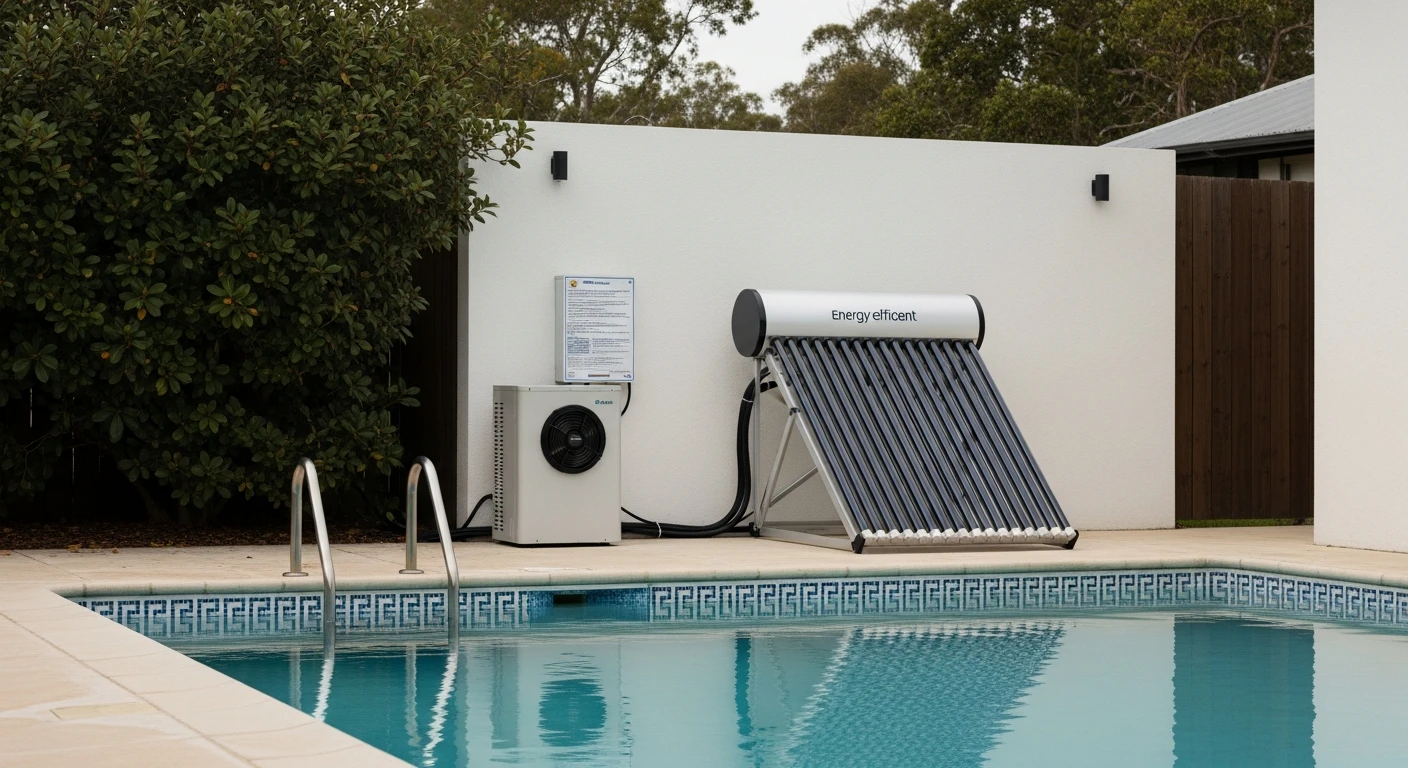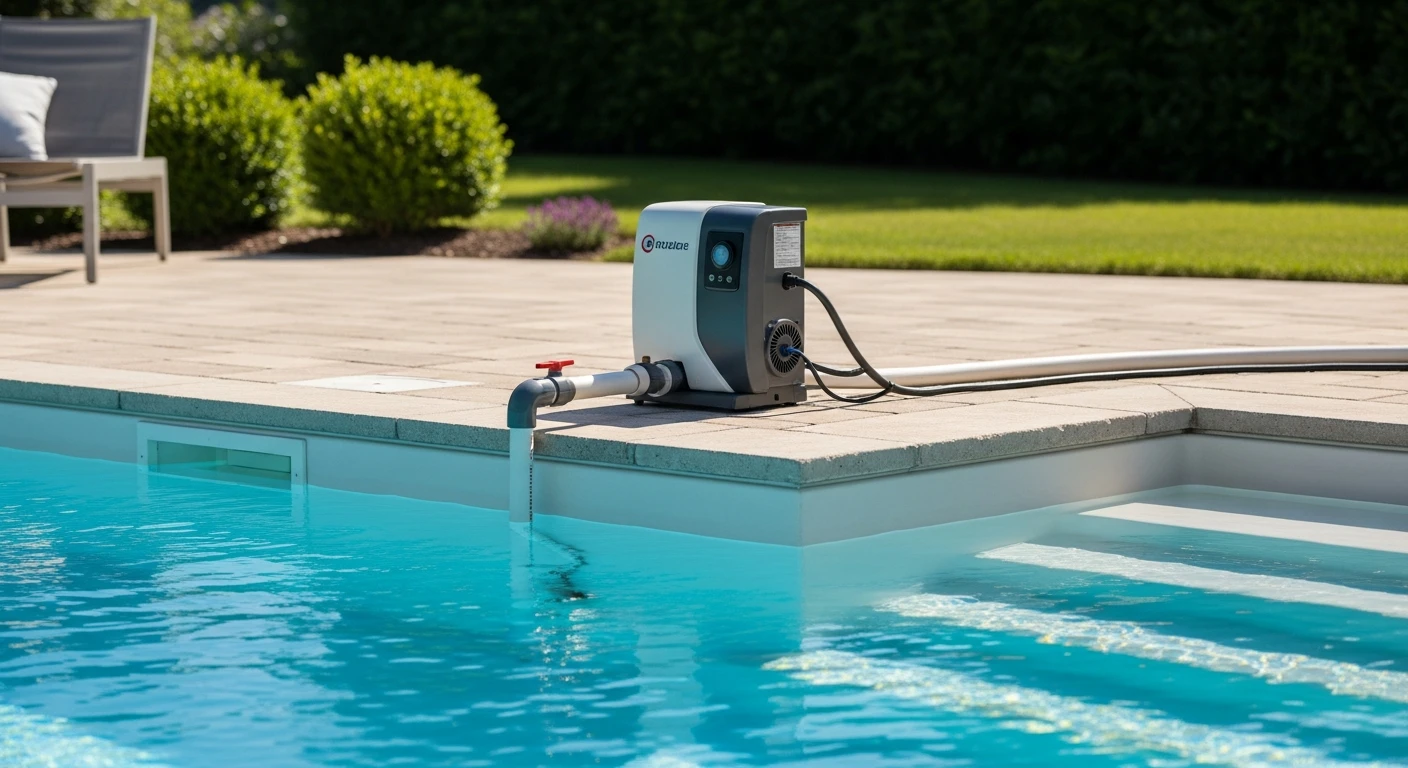
Gas Pool Heaters in Osceola County: My Protocol for Mitigating Humidity-Induced Ignition Failure and Boosting Thermal Efficiency by 30%
As a specialist who has serviced and installed countless gas pool heaters from the vacation homes in Kissimmee to the residential communities in St. Cloud, I’ve seen a recurring, costly pattern. The primary point of failure isn't always a major component breakdown; it’s often a subtle, humidity-induced ignition issue that most installers overlook during the initial setup. This oversight leads to intermittent performance, frustrating "no-start" situations, and a drastically shortened lifespan for the unit, a problem particularly aggressive in Osceola County's climate. My entire approach is built on preempting these hyper-local environmental challenges. A standard, by-the-book installation simply doesn't account for the relentless humidity that settles on sensitive electronics or the specific water chemistry we deal with here. I developed a methodology that focuses on hardening the system against these elements from day one, ensuring the heater not only works, but maintains its **rated thermal efficiency** for years, not months. This isn't about just connecting a gas line; it's about a forensic setup process.My Diagnostic Framework: The Corrosion-Resistant Performance Audit (CRPA)
Before I even consider a new installation or a major repair, I perform what I call the **Corrosion-Resistant Performance Audit**. This isn't a simple checklist; it's a diagnostic deep-dive based on years of analyzing failed units specifically within Osceola County. Many technicians blame the manufacturer, but I found the root cause is almost always an installation that’s technically "correct" by code, but practically flawed for our environment. The CRPA focuses on three critical, often-ignored variables.A Deeper Look into My CRPA Metrics
My audit begins where most others end. I’ve seen too many brand-new heaters in communities like Celebration and Harmony fail prematurely because the installer ignored these three points:- Ignition System Humidity Ingress: I meticulously examine the igniter and flame sensor assembly. In our climate, a microscopic film of moisture can form on these components, creating a weak ground that prevents the ignition sequence from completing. The unit's diagnostic board simply reports an "ignition failure," leading to unnecessary parts replacement. My first step is always to analyze the unit's placement and ventilation to predict and mitigate this specific moisture path.
- Heat Exchanger Scaling Potential: Osceola's water sources can have a higher-than-average mineral content. This leads to accelerated calcium scaling inside the heat exchanger, which acts as an insulator. This single issue can silently reduce thermal efficiency by over 25% in the first two years, forcing the heater to run longer and burn more gas for the same temperature rise. I assess water chemistry and factor in preventative measures from the start.
- BTU Sizing vs. Real-World Heat Loss: A common error is sizing the heater based on pool volume alone. I learned the hard way on a project in a more exposed part of Kissimmee that wind exposure and the lack of a screen enclosure can increase the required **BTU output** by up to 40%. My methodology involves calculating the actual surface area heat loss based on the property's specific microclimate, not just a generic formula.
Implementation Protocol: A Step-by-Step Breakdown
Executing a flawless installation that stands up to the Osceola environment requires a rigid, non-negotiable process. These are the core steps I personally follow to guarantee performance and longevity. Skipping even one of these can compromise the entire system.- Site and Pad Optimization: The heater must be placed on a properly elevated pad with maximum airflow. I avoid positioning it in corners or under dense landscaping where humid air stagnates. Proper clearance isn't just for code; it's a **critical performance requirement** to keep the electronics bay dry.
- Gas Line Sizing and Pressure Validation: I insist on measuring the **dynamic gas pressure** at the unit itself while it's running. Static pressure can be misleading. An undersized gas line will "starve" the heater under full load, leading to soot buildup and poor combustion. This is a non-negotiable test.
- Strategic Condensate Management: High-efficiency gas heaters produce acidic condensate. I ensure the drain line is properly routed and will not cause corrosion to the pad or surrounding equipment. I've seen this simple oversight destroy a concrete pad and the heater's chassis in under three years.
- System Calibration and Combustion Tuning: Once installed, I don't just turn it on. I connect a manometer to fine-tune the **gas manifold pressure** to the exact manufacturer specification. This ensures the correct air-to-fuel ratio, maximizing heat output and minimizing harmful byproducts like carbon monoxide.
Precision Tuning and My Quality Benchmarks
The final 10% of the process is what separates a standard job from a high-performance installation. After the initial setup, I run a series of performance validation tests. This includes using a **digital combustion analyzer** to verify efficiency and exhaust composition, ensuring the unit is burning cleanly and safely. I also verify the water flow rate through the heater is within the optimal range (typically 30-80 GPM). Too little flow can cause the unit to overheat, while too much prevents effective heat transfer to the water. This final tuning ensures the heater is perfectly matched to the pool's specific hydraulic system. Is your current installer verifying the **gas pressure drop** under full load, or are they just hoping your heater survives the next Osceola County humid season?Written by

Tags
natural gas pool heater
swimming pool heaters gas
natural gas swimming pool heater
pool heaters for inground pools natural gas
Gas Pool Heaters in Osceola FL FAQ
What is a gas pool heater?
A gas pool heater is a device that heats your pool water using natural gas or propane. It is designed to warm the water to a comfortable temperature, allowing you to enjoy your pool year-round.
How does a gas pool heater work?
A gas pool heater works by using a burner to heat the water in your pool. The burner is fueled by natural gas or propane, and the heated water is then circulated through the pool using a pump.
Are gas pool heaters energy-efficient?
Yes, gas pool heaters are generally more energy-efficient than electric heaters. Gas heaters can heat your pool water faster and more efficiently than electric heaters, which can save you money on your energy bills.
What are the benefits of using a gas pool heater?
The benefits of using a gas pool heater include faster heating times, increased energy efficiency, and the ability to heat your pool water to a comfortable temperature. Gas heaters also tend to be more durable and long-lasting than electric heaters.
Can I install a gas pool heater myself?
It is not recommended to install a gas pool heater yourself, as it requires specialized knowledge and equipment. It is recommended to hire a professional pool technician to ensure the installation is done safely and correctly.
How often should I maintain my gas pool heater?
It is recommended to maintain your gas pool heater regularly to ensure it operates safely and efficiently. This includes cleaning the filter, checking the gas line, and performing routine checks on the heater's electrical components.
Can I use a gas pool heater with a saltwater pool?
Yes, gas pool heaters can be used with saltwater pools. However, it is important to ensure that the heater is compatible with the saltwater system and that the system is properly maintained to prevent corrosion.
How long does a gas pool heater typically last?
The lifespan of a gas pool heater typically ranges from 10 to 20 years, depending on usage and maintenance. Regular maintenance can help extend the life of your heater.
What are the costs associated with installing a gas pool heater?
The costs associated with installing a gas pool heater include the cost of the heater itself, installation labor, and any necessary permits or inspections. The total cost can vary depending on the size and complexity of the installation.
Can I finance my gas pool heater installation?
Yes, many pool heating companies offer financing options for gas pool heater installations. Be sure to ask about financing options when you contact a pool heating professional.