Solar Pool Heaters Osceola County: My Protocol for 15°F Gain and Hurricane Resilience
In Osceola County, the goal isn't just heating a pool; it's about achieving a consistent, comfortable swim season from March through November without the shock of a massive FPL bill. I’ve seen too many homeowners in Kissimmee and St. Cloud invest in undersized or improperly installed systems that fail to deliver, especially when those afternoon thunderstorms roll in, stealing the sun's peak energy. The truth is, a generic solar pool heater installation is a wasted investment in our specific climate. My approach is built on a single, critical principle: maximizing thermal absorption during peak sun hours while engineering the system to withstand a Category 3 storm. This isn't about simply putting panels on a roof. It’s a calculated process of hydraulic and thermal engineering tailored to Osceola's unique environmental pressures, from the intense UV exposure to the high wind loads we experience. After years of refining my methods on single-family homes in Celebration to larger pools in Reunion resorts, I've developed a protocol that consistently delivers a 10°F to 15°F temperature increase and peace of mind.My Osceola Solar Thermal Audit: A Pre-Installation Diagnostic
Before a single pipe is cut, I perform what I call the Osceola Solar Thermal Audit. This is a non-negotiable first step that prevents the most common failure I see: system mismatch. A system that works in another state will underperform here. My audit focuses on three hyper-local data points that dictate the entire project's success. This methodology moves beyond the simple square footage calculations that most installers use.The Technical Deep-Dive into Local Performance Factors
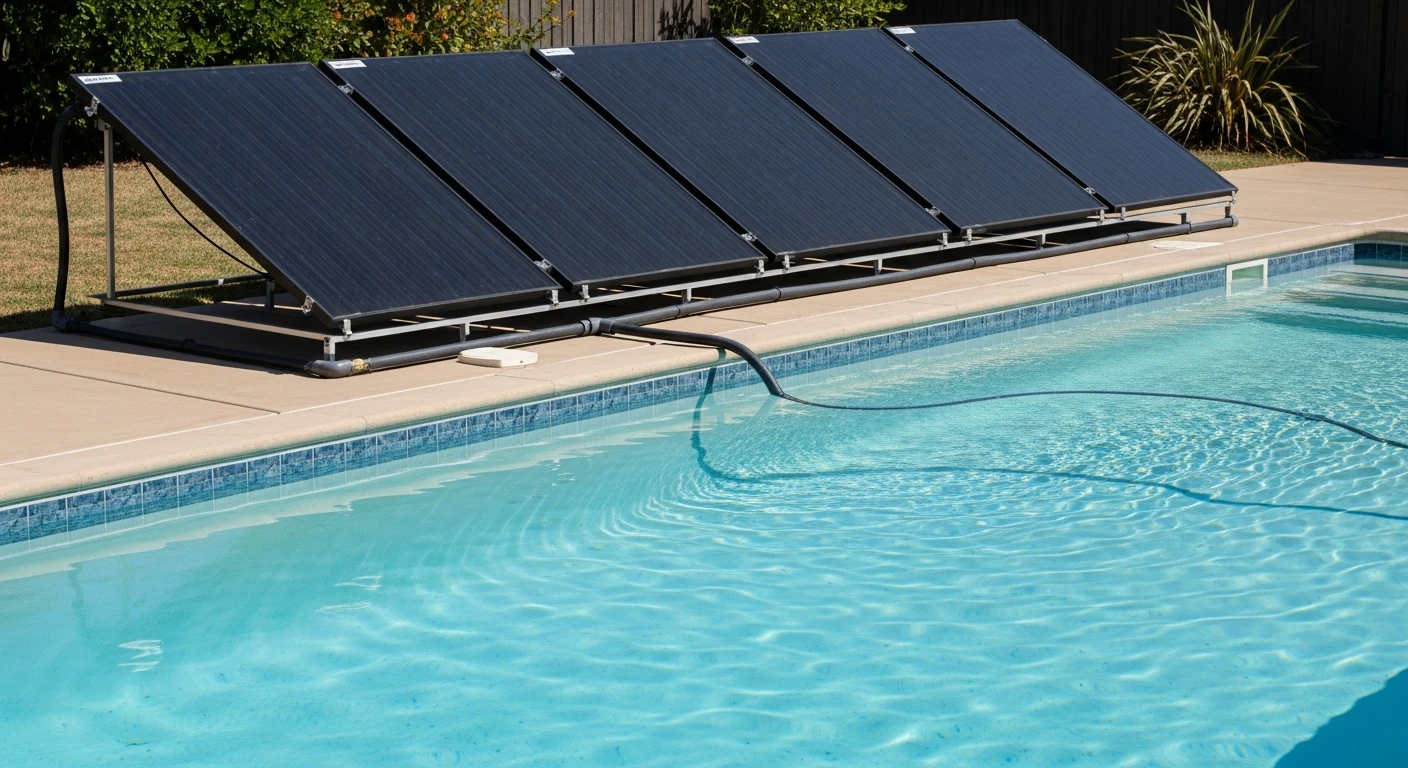
The audit's core is analyzing the specific challenges of Osceola County properties. First is the Roof Pitch and Azimuth Reality. Many homes, especially the beautiful tile-roof properties in communities like Bellalago, don't have a perfect south-facing orientation. I use a solar pathfinder to map the exact sun exposure throughout the day, accounting for shade from mature oaks, a common feature in established Kissimmee neighborhoods. This dictates the precise panel layout, sometimes requiring a split-array configuration to capture both morning and afternoon sun effectively. Second, I calculate the Afternoon Cloud Cover Coefficient. Our predictable 3 PM rain showers can slash a system's efficiency. My sizing calculation adds a 15% buffer to the collector surface area to compensate for this daily thermal loss, ensuring the pool retains heat into the evening. Finally, and most critically, is the Wind Load and Mounting Integrity. Standard mounting hardware is not sufficient. I only specify mounting systems with a certified 150 mph wind load rating, secured directly to the roof trusses, not just the decking. This is a lesson I learned the hard way after seeing a competitor's system become a dangerous projectile during a past storm season.Implementation Framework: From Roof to Pool Pump
Once the audit is complete, the physical installation follows a precise sequence. Deviating from this order introduces inefficiencies that can cripple performance. My process ensures every component works in perfect harmony.- Step 1: Roof Preparation and Truss Location. I meticulously map the roof trusses and pre-drill pilot holes. For Osceola’s common concrete tile roofs, this involves carefully removing tiles, installing the hardware with a high-grade sealant, and flashing it properly before replacing the tile to ensure a 100% waterproof seal.
- Step 2: Collector Installation and Securing. The solar collectors are mounted using the specified hurricane-rated hardware. Every strap and clamp is torqued to manufacturer specifications. I’ve seen systems fail because of under-tightened clamps, which cause panels to shift and create leaks over time.
- Step 3: Plumbing and Flow Optimization. I use Schedule 40 PVC pipe, fully insulated to prevent heat loss on the run from the roof to the pool equipment. A critical component is the installation of a 3-way bypass valve. This allows for precise control and system isolation during the hottest summer months or for maintenance.
- Step 4: Sensor and Controller Integration. The system's "brain" is the differential controller. I install two sensors: one on the roof near the collectors and one in the main water line. The controller is then calibrated to activate the solar loop only when a positive temperature differential of 3°F exists, ensuring the system never accidentally cools your pool.
Precision Adjustments for Peak Osceola Performance
The final 10% of performance comes from fine-tuning. After the system is running, I perform a Total Dynamic Head (TDH) calculation to ensure the existing pool pump isn't being overworked. If the pressure increase is more than 5 PSI, the pump's impeller may need to be adjusted or a variable-speed pump recommended to maintain optimal flow without straining the motor. I also adjust the flow rate through the collectors. Too fast, and the water doesn't have time to absorb heat. Too slow, and the panels can overheat. The sweet spot I’ve found for our region is a flow rate that results in a 4°F to 6°F temperature difference between the water entering and exiting the collectors. This indicates maximum heat absorption. Now that you understand the engineering behind a high-performance system, is your current plan based on a simple square-footage guess, or has it accounted for the specific hydraulic and thermal demands of your Osceola County home?Written by

Tags
pool warmer solar
pool solar panels
swimming pool solar panels
pool solar installation
Solar Pool Heaters in Osceola FL FAQ
What is a solar pool heater?
A solar pool heater is a device that uses the sun's energy to heat your pool water, providing a cost-effective and eco-friendly alternative to traditional pool heating methods.
How does a solar pool heater work?
A solar pool heater works by circulating pool water through a network of tubes filled with a special fluid that absorbs the sun's heat. The heated fluid is then pumped back into the pool, warming the water.
What are the benefits of using a solar pool heater?
Solar pool heaters offer several benefits, including reduced energy costs, a lower carbon footprint, and a longer lifespan for your pool equipment. They also provide a safe and chemical-free heating solution.
Can I install a solar pool heater myself?
While it is possible to install a solar pool heater yourself, it is recommended to hire a professional to ensure proper installation and to ensure that your system is working efficiently and safely.
How long does it take to install a solar pool heater?
The installation process typically takes several hours to a few days, depending on the size of your pool and the complexity of the installation.
How much does a solar pool heater cost?
The cost of a solar pool heater varies depending on the size of your pool, the type of system, and the installation costs. However, on average, a solar pool heater can pay for itself in just a few years through energy savings.
Will a solar pool heater work in cold weather?
While solar pool heaters can still work in cold weather, their efficiency may be reduced. It is recommended to use a pool cover or other heat retention methods to help keep the pool warm during cold weather.
How often do I need to maintain my solar pool heater?
Regular maintenance is important to ensure your solar pool heater is working efficiently and safely. This includes checking and cleaning the system, checking for leaks, and performing routine inspections.
Can I use a solar pool heater with my existing pool equipment?
In most cases, yes. Solar pool heaters can be designed to work with your existing pool equipment and plumbing. However, it is recommended to consult with a professional to ensure compatibility.
What is the warranty on a solar pool heater?
The warranty on a solar pool heater varies depending on the manufacturer and the type of system. Typically, solar pool heaters come with a 5-10 year warranty on the system and a 5-10 year warranty on the components.
Can I get a tax credit or incentive for installing a solar pool heater?
Yes, many governments offer tax credits or incentives for installing solar pool heaters as part of their efforts to promote renewable energy and reduce energy consumption.