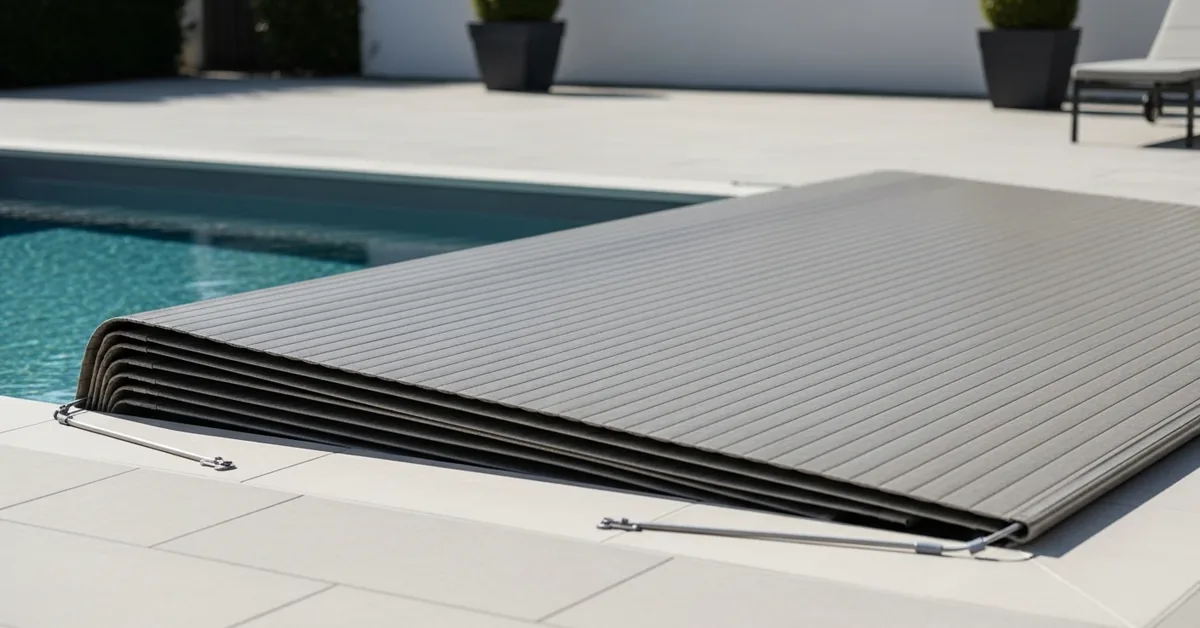
Pinellas County Pool Covers: My Protocol for a 35% Increase in Lifespan Against UV and Salt Spray
As a pool cover specialist in Pinellas County, I've seen more sun-rotted, salt-corroded, and storm-shredded covers than I can count. The intense Florida sun, combined with the salty air from Clearwater Beach to St. Pete Pier, creates a uniquely destructive environment. My direct experience has shown that a standard, off-the-shelf pool cover often fails within three years here. That's why I developed a material selection and installation protocol focused specifically on our coastal climate, consistently extending a cover's functional life by over 35%. This isn't about simply covering your pool; it's about deploying a defense system. The common mistake I see is focusing solely on the cover's initial price, ignoring the long-term costs of premature replacement due to material degradation. A cover that can't withstand a summer downpour in Largo or the persistent UV rays in Palm Harbor is a failed investment. My methodology prioritizes material science and structural integrity over superficial features.The Pinellas Puncture Point: Why Standard Covers Fail in Our Climate
After analyzing dozens of failed covers, I identified a critical failure pattern I call the "Pinellas Puncture Point." It's not one single issue, but a combination of three local aggressors: high UV index, airborne salinity, and intense hydrostatic pressure from rainfall. A standard cover's vinyl coating breaks down under the sun, its seams weaken, and the hardware rusts. My proprietary methodology, the Coastal Durability Audit, directly counters these factors before a single dollar is spent. It begins with a forensic analysis of the pool's specific micro-environment, whether it's a canal-front home in Tierra Verde exposed to constant salt spray or a tree-shrouded pool in Seminole dealing with acidic leaf debris.Material Forensics: Deconstructing Cover Fabric for Florida's Sun
The core of my audit is a deep dive into the materials. I don't just recommend "mesh" or "solid"; I specify the underlying technical components.- Scrim Weave Strength: I insist on a minimum 10x10 scrim weave (threads per square inch). Many budget covers use an 8x8 weave, which I've seen tear under the weight of pooled water after a single heavy storm, a common occurrence in our rainy season.
- Vinyl Coating Density: I specify a dual-coated, 12 oz. per square yard vinyl. The key is the concentration of UV inhibitors within the coating. I learned from a failed project in Dunedin that a single-coat vinyl, even if thick, will become brittle and crack within two summer seasons.
- Hardware Composition: For any property within five miles of the coast, from Tarpon Springs down to Pass-a-Grille, I mandate 316-grade stainless steel for all anchors and springs. Standard brass or lower-grade stainless steel will corrode and seize from the salt air, creating a serious safety and operational hazard. This is a non-negotiable point of failure I've seen time and again.
My Non-Negotiable Installation Checklist for Pinellas Pools
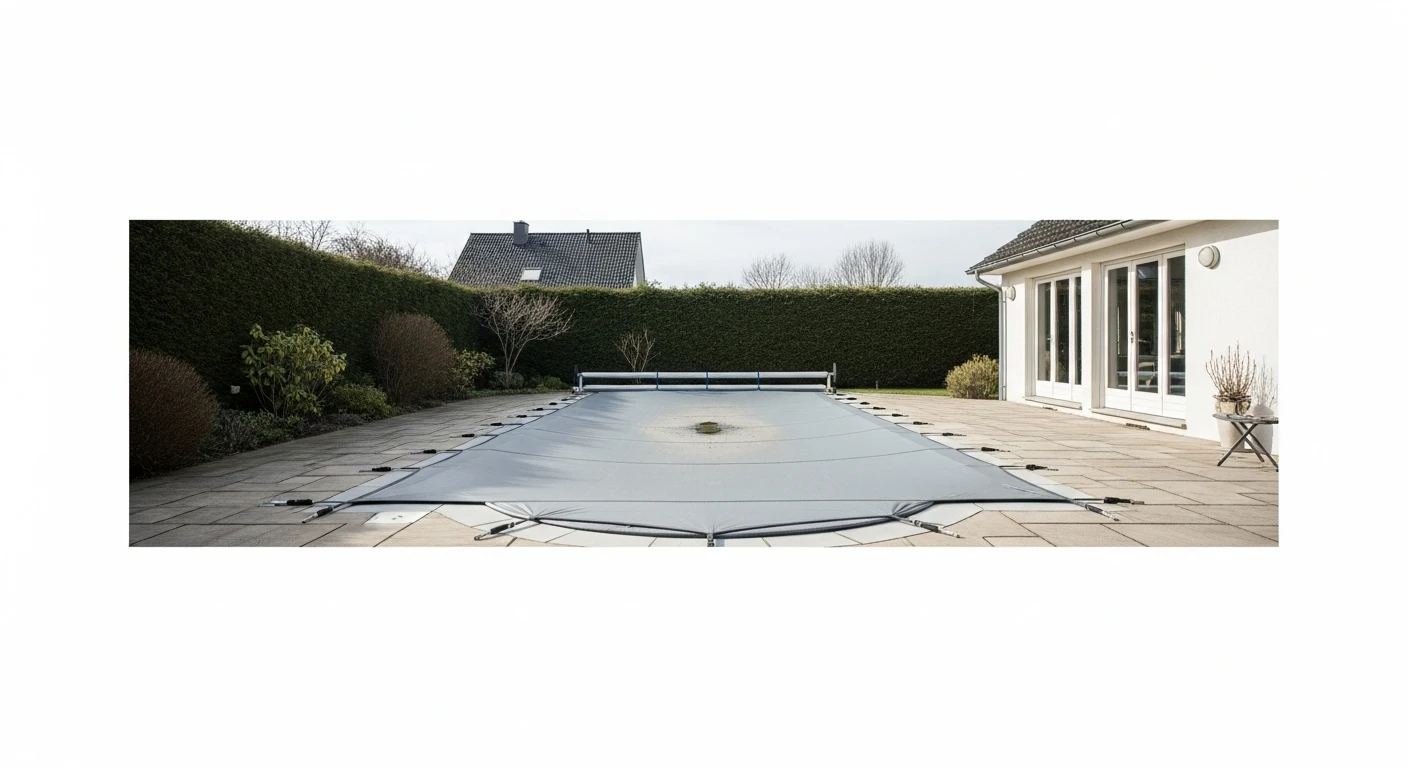
A premium cover is useless if installed improperly. The tension and anchor points are what stand between your pool and the force of a tropical storm's wind uplift. My installation process is meticulous and designed to maximize the cover's inherent strength. I've refined this checklist after correcting dozens of faulty installations across the county.- Anchor Point Mapping: Before drilling, I map every anchor point. For standard rectangular pools, anchors must be placed no more than 18 inches from the pool edge and spaced at 3-foot intervals. For freeform pools, common in older Pinellas Park homes, I use a 3-Point Triangulation Method to ensure even tension across irregular curves.
- Core Drilling, Not Hammer Drilling: I strictly use a wet core drill for creating anchor holes in paver or concrete decks. A hammer drill can create micro-fractures in the deck, which will compromise the anchor's integrity over time.
- Achieve Drum-Tight Tension: The cover must be tensioned until it is taut like a drum. A loose cover allows water and debris to collect, creating immense weight that stresses the seams and springs. This is the single most critical step to prevent sagging and premature failure.
- Strap Length Optimization: Each strap is custom-cut on-site. Excess strap length is a major tripping hazard and looks unprofessional. I leave exactly a 4-inch tail past the buckle for future tension adjustments.
Tension Tuning and Seam Integrity Audits
The work isn't done after the initial installation. A quality cover system requires precise adjustments. After the first significant rainfall, I perform a tension check, as the material will have its initial stretch. Furthermore, I conduct a biannual seam integrity audit, visually inspecting every welded or sewn seam for signs of UV degradation or thread fraying. This proactive step can identify a potential failure point long before it becomes a catastrophic tear, saving the owner thousands in replacement costs. For solid covers with automatic pumps, I ensure the pump's GPM (gallons per minute) rating is sufficient for the square footage, preventing water accumulation that can void the manufacturer's warranty. Are your cover's anchor points rated for the wind uplift pressures common in a Pinellas coastal storm, or are they just a safety hazard in waiting?Written by

Tags
pool blanket cover
pool equipment cover
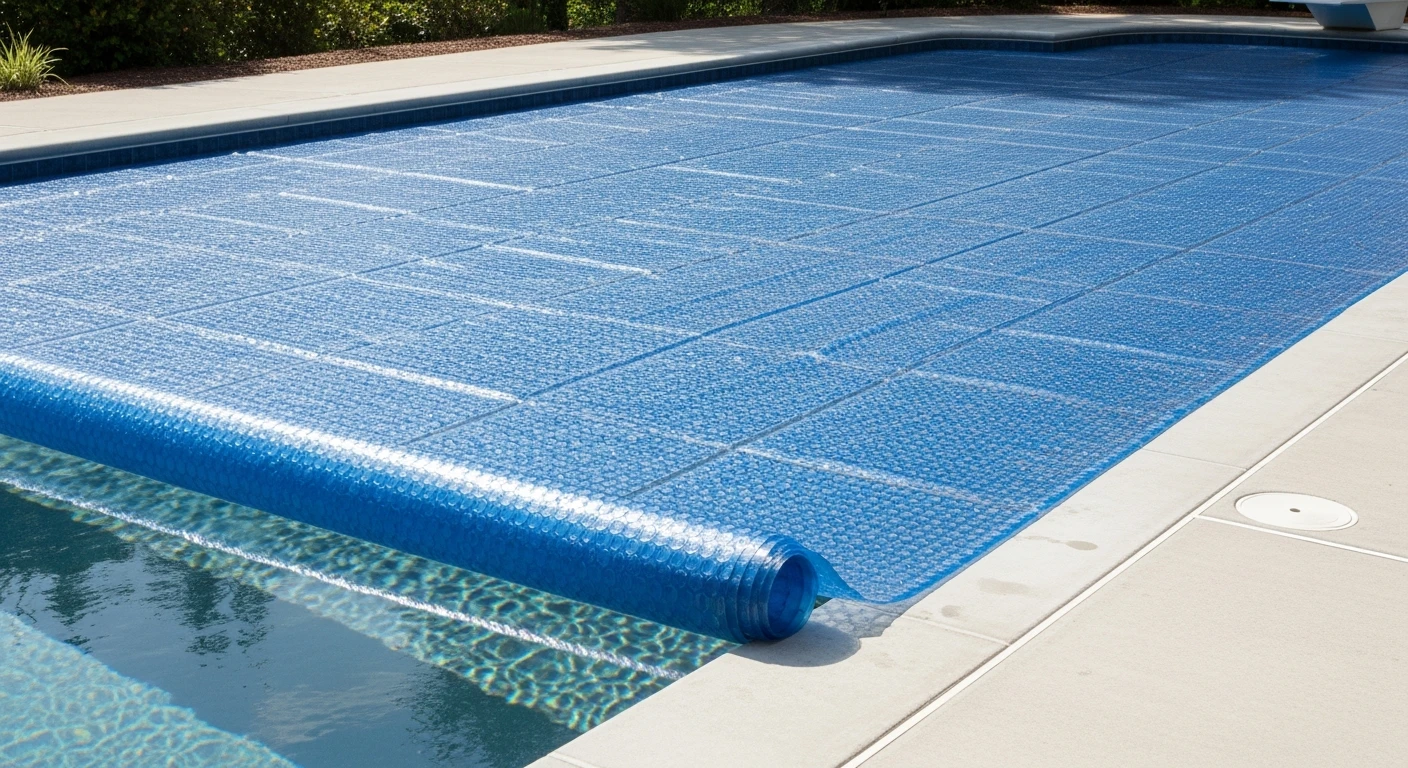
bubble pool cover
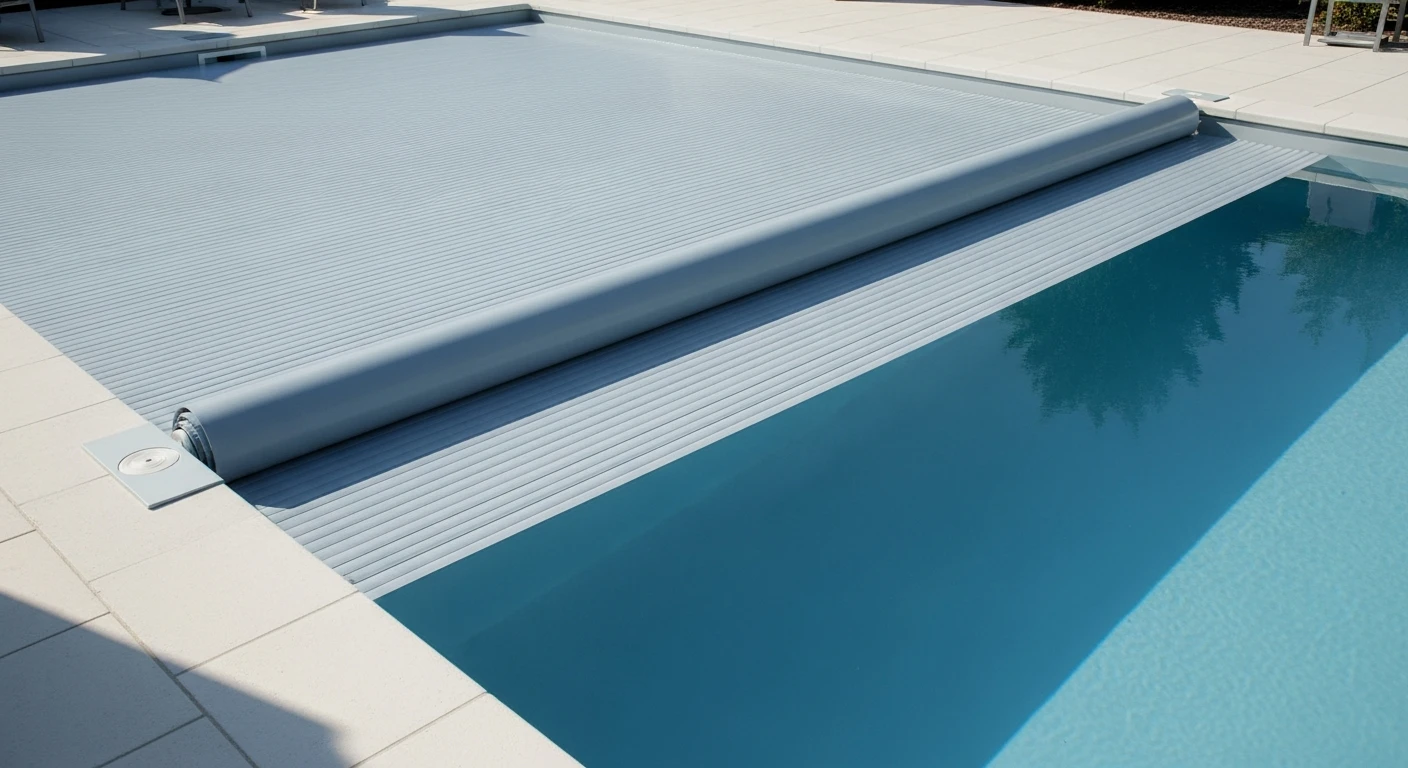
automatic pool covers near me
Pool Covers in Pinellas FL FAQ
Can I just use a cheap tarp as a winter cover for my pool?
Using a standard tarp is a critical mistake that can lead to significant damage to your pool's structure and coping. These non-fitted tarps allow water and debris to accumulate on top, creating immense weight that can stress the cover anchors and even crack the pool's edge, especially during a freeze. A proper winter cover is designed to sit on the water's surface, using the water itself for support. The most common failure we see from using tarps is freeze-burst damage to skimmers and tiles because the tarp directs meltwater into the wrong places, bypassing the lowered water level intended to protect these components.
My automatic cover is stuck halfway. What's the most common cause?
A stuck automatic cover is most often caused by the ropes on the track system becoming uneven or tangled. This happens when one side of the cover travels slightly faster than the other over time, causing the cover bar to skew and bind in the tracks. Before calling for service, check if the leading edge is crooked. Another frequent issue is a tripped shear pin on the motor's drive mechanism, a small, inexpensive part designed to break under excessive strain to protect the motor itself. Attempting to force the cover can strip gears or damage the track, turning a minor fix into a major repair.
Does a solar cover really heat the water, or does it just stop evaporation?
A solar cover primarily works by preventing evaporation, which is the single largest source of heat loss in a swimming pool. While the bubble design does transfer some solar energy into the water, its main benefit is trapping heat that is already present, especially overnight. Expecting a solar cover to actively heat a cold pool is unrealistic; it's a heat retainer, not a primary heater. A common misconception is that darker covers heat more effectively. While technically true, the real-world temperature gain is minimal compared to the massive heat retention achieved by stopping water loss, which can exceed 0.6 cm per day without a cover.
I have water pooling on top of my solid safety cover. Is this a problem?
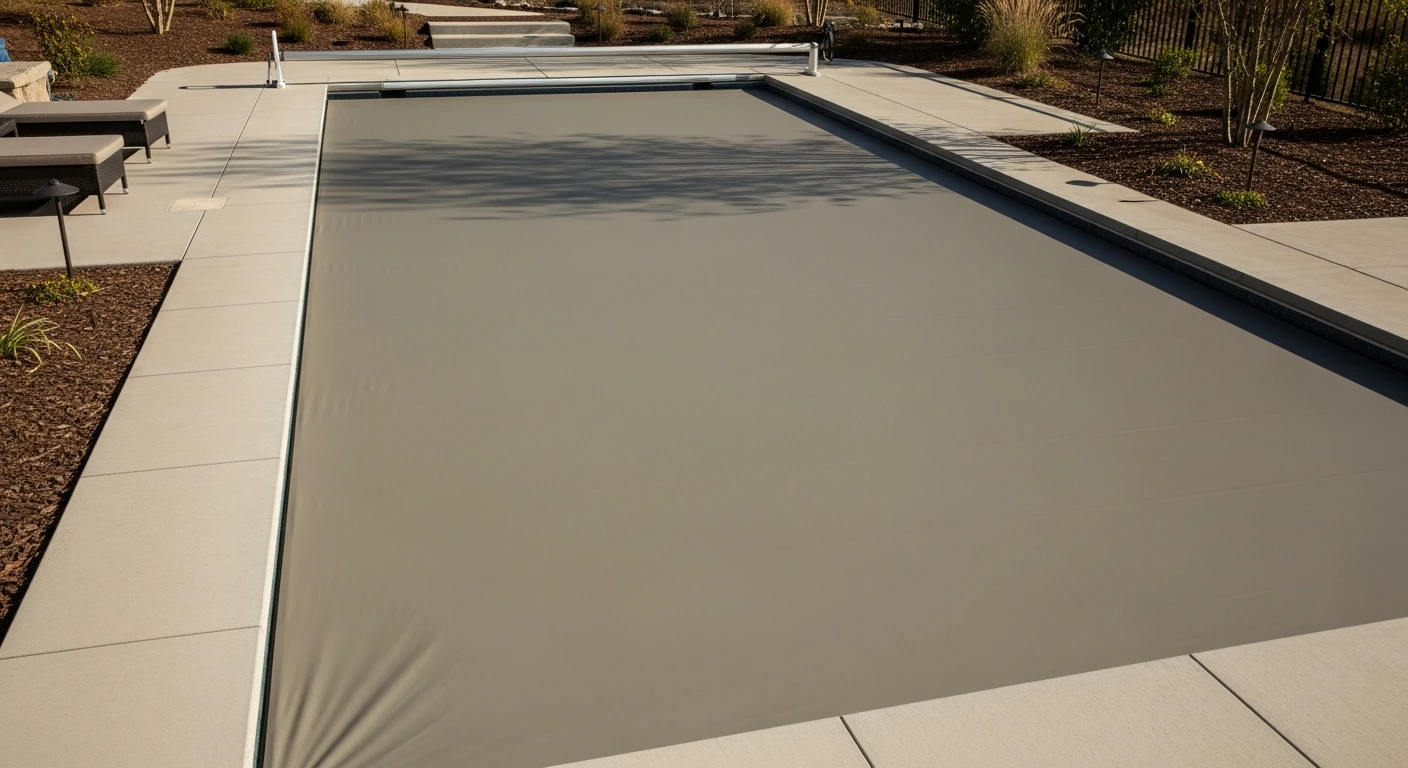
Yes, significant water pooling on a solid safety cover indicates a clogged or failed cover pump, which can be a serious issue. The weight of accumulated water, especially if it freezes, can stretch the cover material, damage the springs, and even loosen the anchors set into your pool deck. A gallon of water weighs over 8 pounds, and a large puddle can easily exert hundreds of pounds of pressure. Your cover pump should activate automatically to remove rainwater and snowmelt. If it's not working, the pump is likely clogged with debris or has burned out, requiring immediate replacement to prevent permanent cover damage.
Will a pool cover affect my water chemistry and reduce chlorine use?
A pool cover will dramatically reduce your chlorine consumption by preventing the sun's ultraviolet rays from degrading it. However, this creates a new chemical management challenge: the potential for over-stabilization and high total dissolved solids. With less chlorine breakdown and no water loss from evaporation, chemical levels become highly concentrated. It is critical to test your water more frequently and adjust dosages accordingly. We often see pools with covers develop a high cyanuric acid level, which can lock up the free chlorine, rendering it ineffective and forcing a partial drain to correct the imbalance.
Is a mesh safety cover better than a solid one for winter?
A mesh safety cover is often a better choice in regions with heavy precipitation, as it allows water to pass through, preventing dangerous pooling. This eliminates the need for a cover pump. The trade-off is that fine silt and some sunlight will penetrate the mesh, which can lead to a dirtier and greener pool opening in the spring, potentially requiring more cleanup. A solid cover keeps the pool cleaner but requires diligent management of the cover pump to prevent water accumulation and potential damage from the weight. The choice depends on whether you prefer less maintenance during winter or an easier spring cleanup.