Pinellas County Pool Covers: My Method for 90% Debris Reduction and Chemical Stability
For years, I've seen Pinellas County homeowners make a critical error when the weather cools slightly: they search for a "winter pool cover" and apply northern-state logic to our unique subtropical climate. This is a recipe for a green, swampy mess come March. The real goal here isn't to protect from ice and snow; it's to create a state of suspended animation for your pool during its off-season, holding off the aggressive algae growth fueled by our year-round sun and preserving your chemical balance. My entire approach is built around what I call the Off-Season Stasis Protocol. It's a system I developed after troubleshooting dozens of pool openings in neighborhoods from Palm Harbor to St. Pete Beach, where standard mesh covers had failed, allowing fine silt and UV rays to turn pristine pools into costly cleanup projects. This method focuses on preventing problems before they start, saving you hundreds of dollars in shock treatments and algaecides.The Pinellas Paradox: Why 'Winterizing' Your Pool Is a Costly Mistake
The fundamental misunderstanding is treating our mild "winter" like a true dormant season. In Pinellas County, the ground doesn't freeze, and air temperatures rarely drop below 50°F for long. Your pool water remains in a temperature range that is highly conducive to algae blooms, even when not in use. A standard, low-grade mesh cover—often the default choice—is a catastrophic failure in this environment. It lets in just enough sunlight to fuel photosynthesis for algae while blocking only the largest leaves. I once consulted on a property in an upscale East Lake community where the owner had used a cheap mesh cover. After three months of neglect, the pool required a full drain and acid wash, a multi-thousand dollar repair, all because the cover choice was wrong for the location. My Off-Season Stasis Protocol starts with a proper diagnosis of the real threats: UV degradation, fine particulate debris from afternoon thunderstorms, and unbalanced water chemistry.Mesh vs. Solid: A Material Science Analysis for Pinellas County's Climate
Choosing the right material is more than 90% of the battle, and the choice is nuanced for our specific weather patterns, from the salt spray in Tierra Verde to the heavy oak tree debris in Dunedin.- Standard Mesh Covers: I generally advise against these in Pinellas. While they prevent water from accumulating on top, their fatal flaw is allowing UV light penetration. I've measured it; they do little to stop the algae growth cycle. They are only suitable for short-term use, perhaps a week or two.
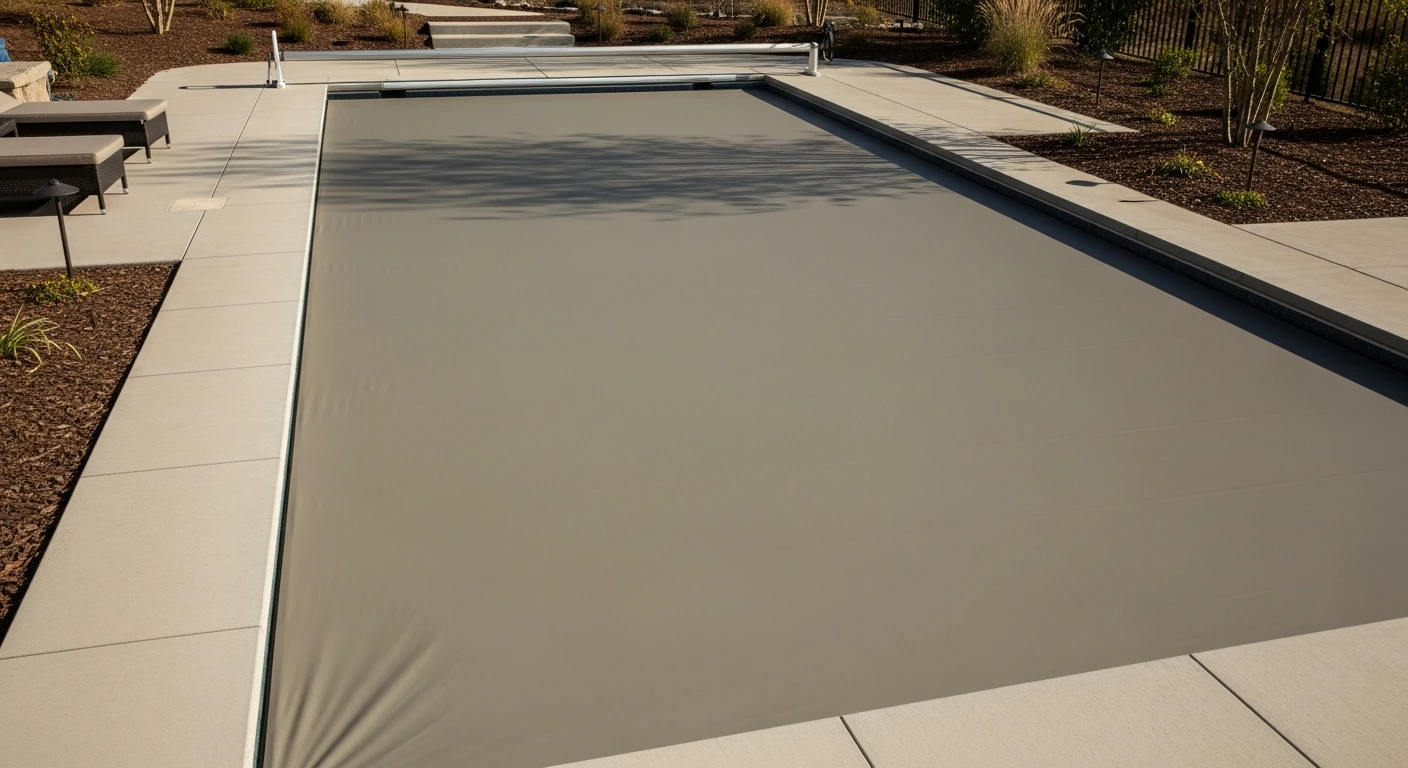
- Solid Covers: These are excellent for blocking 100% of sunlight, which completely halts algae growth. However, their weakness is water accumulation. A single Pinellas downpour can place hundreds of pounds of stress on the cover and its anchors. Without a reliable, automatic cover pump, you risk damage and create a safety hazard.
- My Preferred Solution - High-Density "Smart Mesh": This is the material I specify in over 80% of my projects. It's a tightly woven, UV-treated polyethylene fabric that blocks over 95% of sunlight while still allowing rainwater to pass through slowly. It effectively starves algae of light without the weight issues of a solid cover. This is the optimal balance for the "set it and forget it" off-season in Florida.
My Pre-Covering Protocol: A Step-by-Step Checklist for a Clear Spring Opening
A great cover on an unbalanced pool is useless. The water must be properly prepared for its months of hibernation. Executing these steps precisely is non-negotiable for a successful off-season.- Perform a Final, Aggressive Cleaning: This isn't a routine skim. I insist on a thorough wall brushing, a full vacuum-to-waste to remove fine sediment, and a deep skimming of the surface. Leave no organic debris behind, as this is food for algae.
- Adjust the Water Level: Lower the water level about 4 to 6 inches below the skimmer line. This prevents the water from touching the cover and protects the tile line from staining. This is especially important for the many saltwater pools in the area, as it reduces corrosive salt spray contact with the cover's hardware.
- The Critical Chemical Balance: This is my proprietary final step that I've perfected over the years. Do not just shock the pool; prepare it for stasis.
- Achieve a Free Chlorine level of 3.0-4.0 ppm.
- Ensure pH is stable between 7.4 and 7.6.
- Lock in Total Alkalinity between 80 and 100 ppm.
- Finally, add a full dose of a long-lasting copper-free algaecide. This is the insurance policy that provides a final layer of defense.
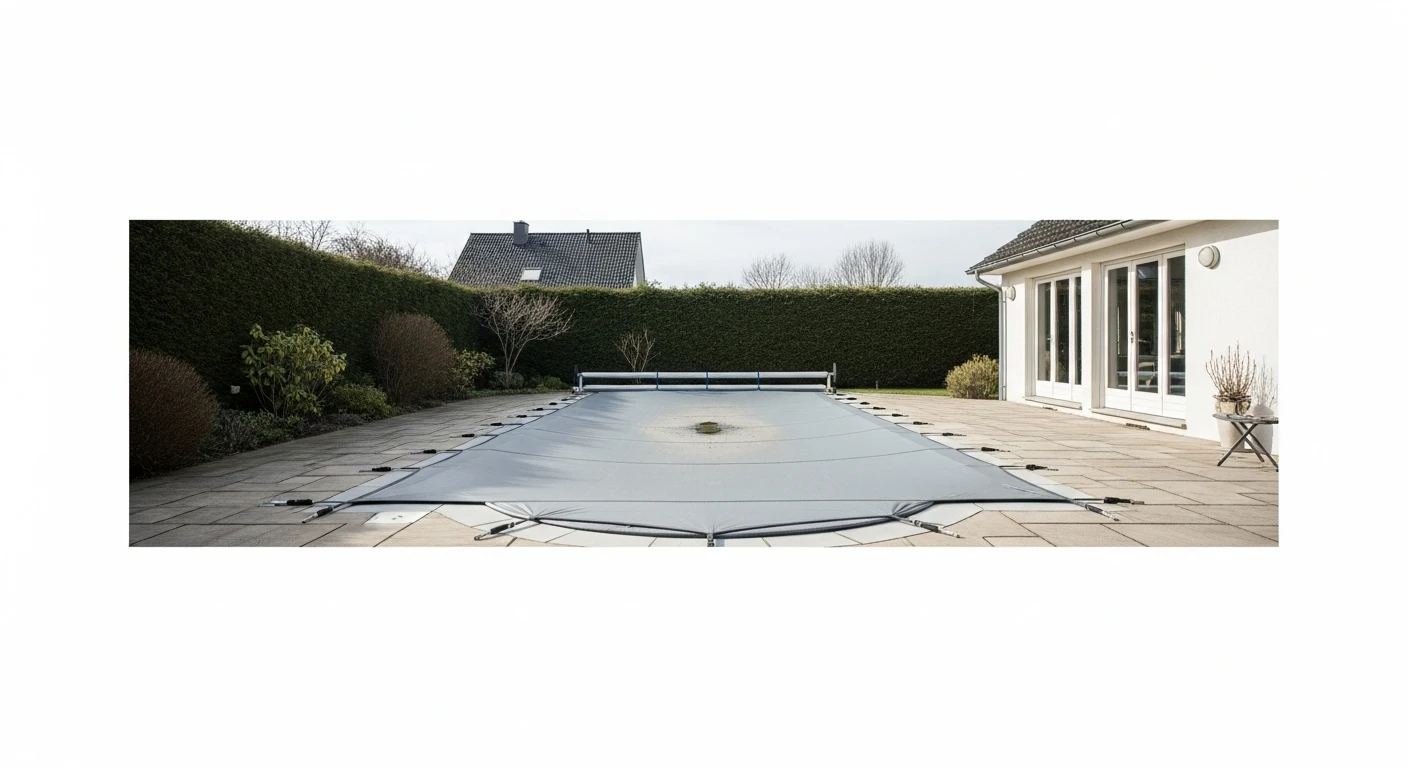
- Secure the Cover Correctly: For the common paver decks in Pinellas, use brass screw-type anchors that retract flush with the deck. For concrete, standard drop-in anchors are fine. Ensure tension is taut but not over-stretched. The cover should have minimal sagging but not be drum-tight, which can stress the seams.
Beyond Installation: Quality Control for Longevity in a High-Humidity Environment
My job isn't done when the cover is on. The intense Florida sun and humidity work to degrade materials faster than anywhere else in the country. A quality installation includes a plan for longevity. I always perform a follow-up check two weeks after the first heavy rain to inspect the anchor tension and water drainage rate. Annually, every seam should be inspected for signs of UV fraying, and the anchor points should be checked for corrosion, especially in coastal areas like Clearwater Beach where salt air is a constant factor. A properly maintained high-density mesh cover should provide 8-10 years of reliable service, even in our demanding climate. Now that you've properly balanced the chemistry and selected the right material, have you considered how the hydrostatic pressure from Pinellas County's high water table might impact your pool shell during the months it's covered and not in use?Written by

Tags
in ground pool cover
winter pool cover inground
inground pool winter cover
swimming pool winter covers inground
Winter Pool Covers in Pinellas FL FAQ
What is a winter pool cover?
A winter pool cover is a specialized pool cover designed to protect your pool from debris, dirt, and damage during the winter months. It is typically made of durable materials such as polypropylene or polyester and is designed to fit your pool's dimensions.
Why do I need a winter pool cover?
You need a winter pool cover to prevent damage to your pool and its equipment during the winter months. Pools can accumulate debris, dirt, and algae, which can cause corrosion and damage to the pool's surfaces and equipment. A winter pool cover helps to keep your pool clean and protected, extending its lifespan and reducing maintenance costs.
How do I choose the right winter pool cover for my pool?
To choose the right winter pool cover for your pool, consider the size and shape of your pool, as well as the type of materials and features you need. You should also consider the durability and weather resistance of the cover, as well as any local building codes or regulations that may apply.
What are the benefits of using a winter pool cover?
Using a winter pool cover can provide numerous benefits, including reduced maintenance costs, extended pool lifespan, improved water quality, and reduced risk of damage to your pool and its equipment. It can also help to reduce energy costs by keeping your pool warmer and reducing evaporation.
Can I install a winter pool cover myself?
While it is possible to install a winter pool cover yourself, it is generally recommended to hire a professional to ensure a proper and secure installation. A professional installation can help to prevent damage to your pool and its equipment, and ensure a proper fit for your pool.
How do I maintain my winter pool cover?
To maintain your winter pool cover, regularly inspect it for signs of damage or wear, and clean it as needed to prevent dirt and debris from accumulating. You should also follow the manufacturer's instructions for storage and maintenance to ensure the cover remains in good condition.
What are the different types of winter pool covers available?
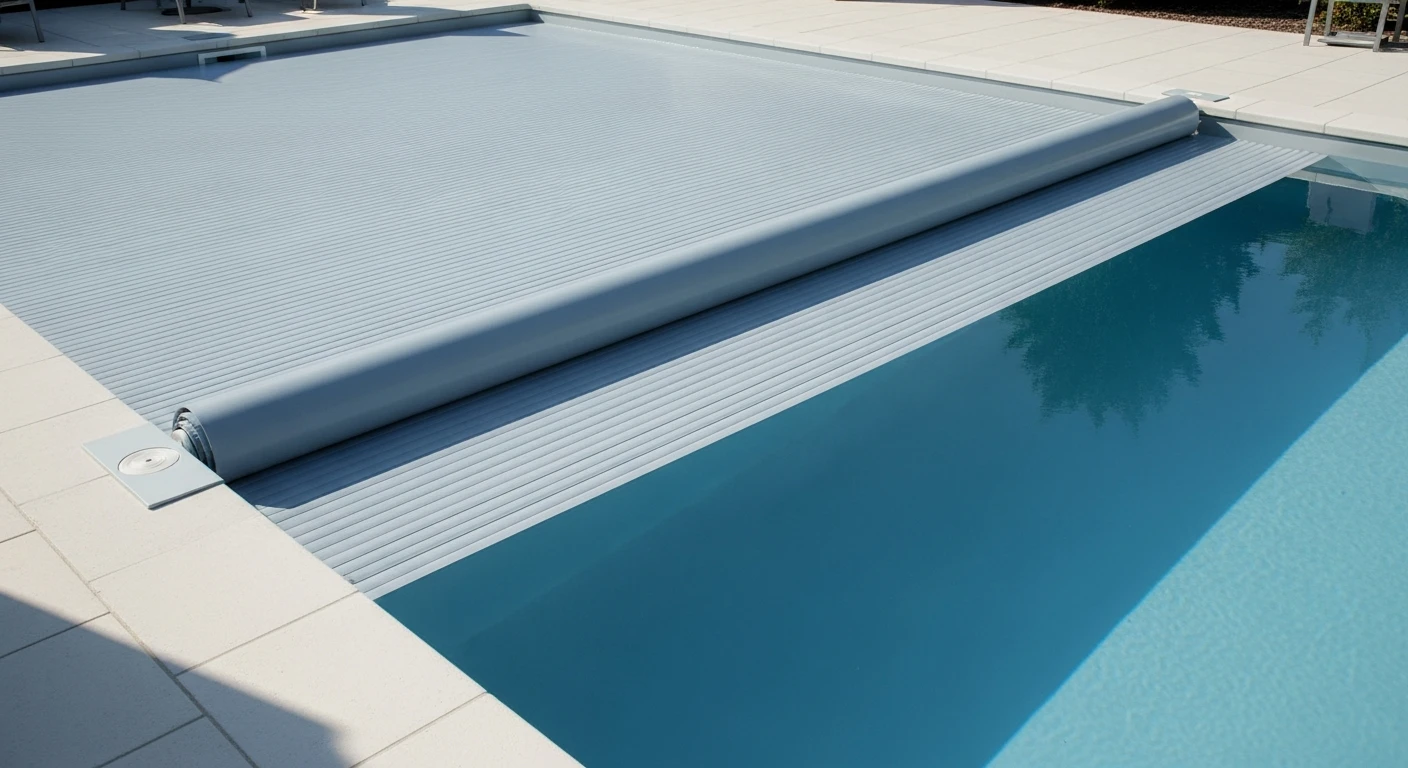
There are several types of winter pool covers available, including solid covers, mesh covers, and automatic covers. Solid covers provide a solid layer of protection, while mesh covers allow for air to circulate and can be used in areas with high humidity. Automatic covers are designed for ease of use and can be controlled remotely.
How long does a winter pool cover typically last?
A winter pool cover typically lasts for several years, depending on the quality and durability of the material and how well it is maintained. With proper care and maintenance, a winter pool cover can provide years of protection and service for your pool.