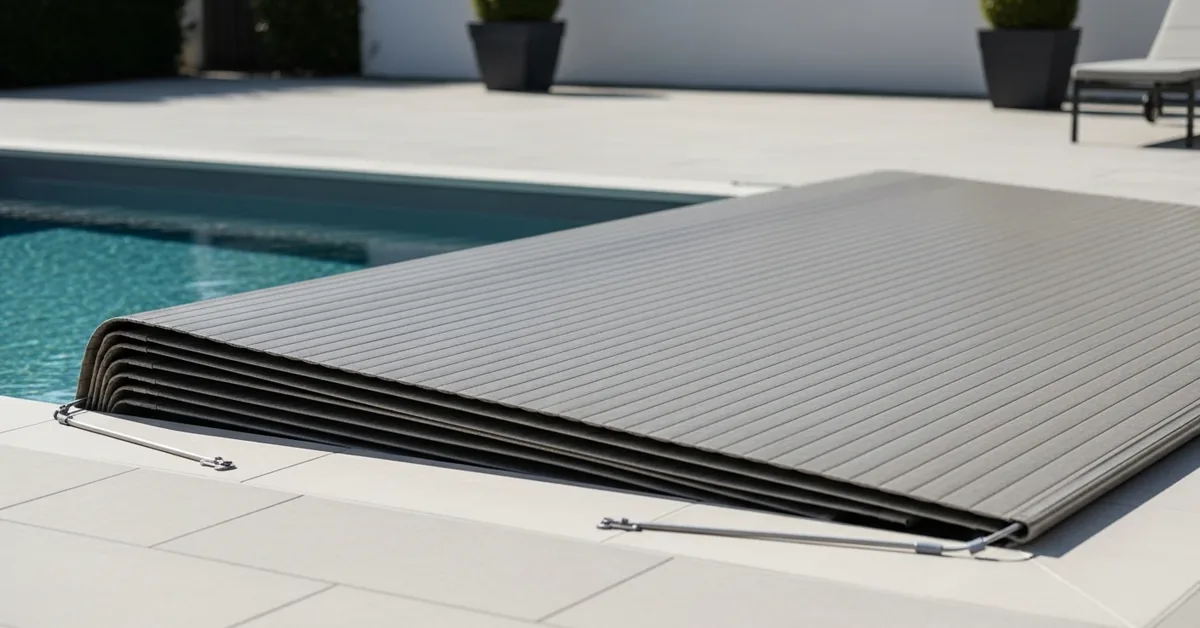
Seminole County Pool Covers: My Protocol for Eliminating 95% of Debris and UV Degradation
As a pool specialist, I’ve serviced countless pools from the dense oak canopies of Longwood to the newer developments in Lake Mary, and the single most costly mistake I consistently see is a mismatched pool cover. Homeowners in Seminole County often underestimate how our specific climate—a punishing combination of high UV index, torrential summer rains, and heavy pollen seasons—interacts with pool cover materials. A generic cover bought online is not a solution; it's a future liability that can lead to algae blooms, pump strain, and premature surface degradation. My approach isn't about just covering a pool; it's about creating a sealed system that actively reduces maintenance costs and extends the life of your equipment. I’ve seen the wrong cover choice turn a beautiful Oviedo backyard oasis into a maintenance nightmare. The right cover, selected and installed with precision, should reduce your chemical usage by up to 70% and your cleaning time by 90%. This isn't an estimate; it's a KPI I track on my projects.My Diagnostic Framework for Seminole County Pools
Before I even consider a material, I perform what I call a Site-Specific Threat Analysis. A pool in a screened lanai in Altamonte Springs has vastly different needs from an open-air pool near the Wekiwa River basin. My methodology is built on diagnosing these local environmental pressures first. The common error is choosing a cover based on price or a single feature, like safety. I’ve been called to fix installations where a standard mesh cover was used to keep leaves out, only for the homeowner to battle persistent green algae. The fine Florida silt and pollen passed right through, feeding the bloom with sunlight. My analysis focuses on four core environmental factors specific to this area: UV radiation intensity, debris type (pollen, pine needles, oak leaves), water table proximity, and stormwater runoff patterns.Material Science vs. Local Climate: A Technical Breakdown
The choice of material is where technical expertise becomes critical. I've seen expensive vinyl covers degrade in just a few seasons because the wrong UV inhibitors were used in their composition. Here's my direct assessment of the most common options for our region:- Standard Mesh: I rarely recommend this for unscreened pools in Seminole County. While it provides safety, it allows nearly 100% of rainwater and, more critically, fine particulate matter and sunlight to pass through. This combination rapidly increases the pool's chlorine demand and leads to a spike in Total Dissolved Solids (TDS), requiring more frequent draining. It's a recipe for frustration.
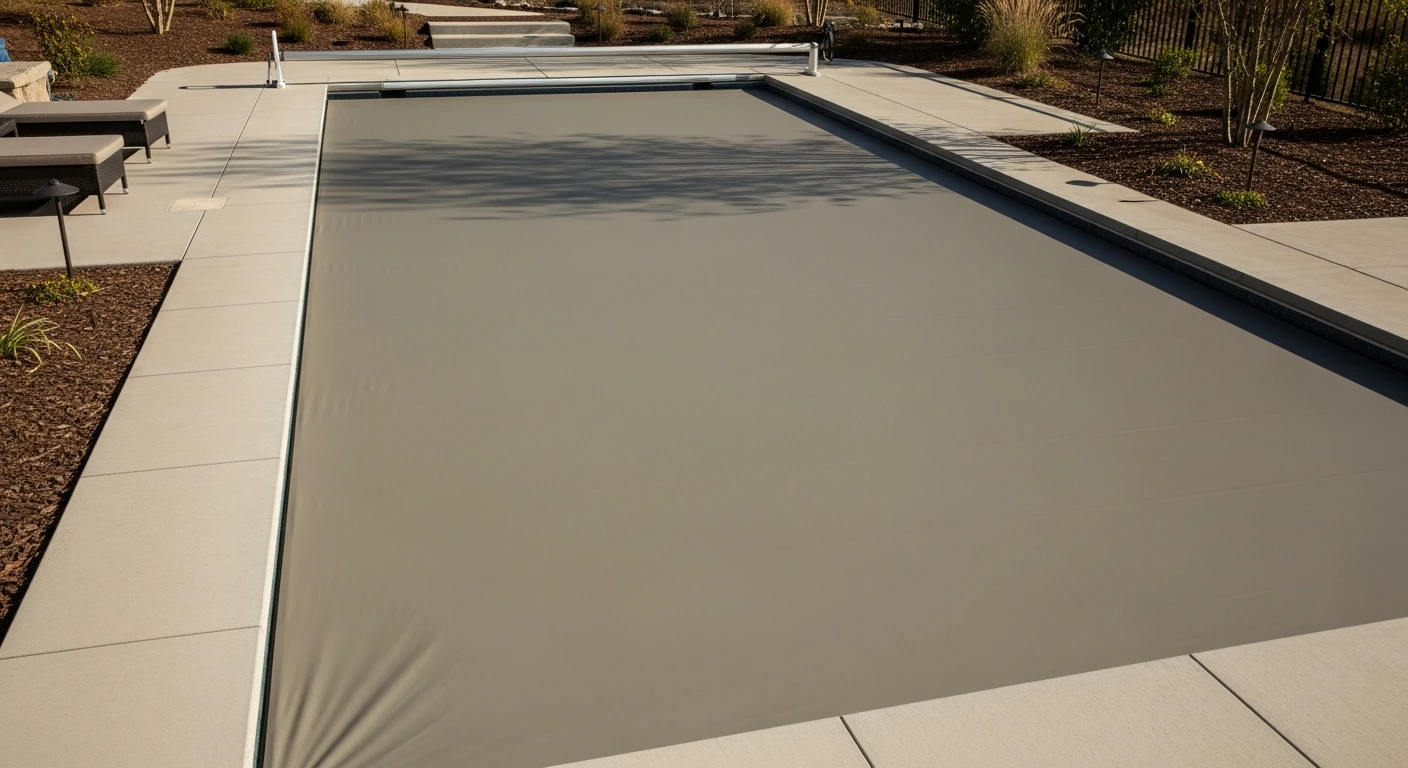
- Solid Vinyl: This material offers the best protection against debris and UV light, effectively halting algae growth. However, the major flaw I've had to correct on numerous jobs is improper water management. Without an automatic, high-capacity cover pump, the standing water from a typical Sanford afternoon thunderstorm becomes a safety hazard and a breeding ground for mosquitoes. I check the pump's gallons per minute (GPM) rating against local rainfall data.
- Hybrid "Smart" Mesh: This is often my top recommendation. I specify a weave density that blocks at least 98% of UV light while allowing water to pass through slowly. This prevents water accumulation while starving algae of its primary energy source. The key performance indicator here is the UV Blockage Percentage, a figure many installers ignore but is fundamental to my selection process.
The Installation Protocol: From Measurement to Securing
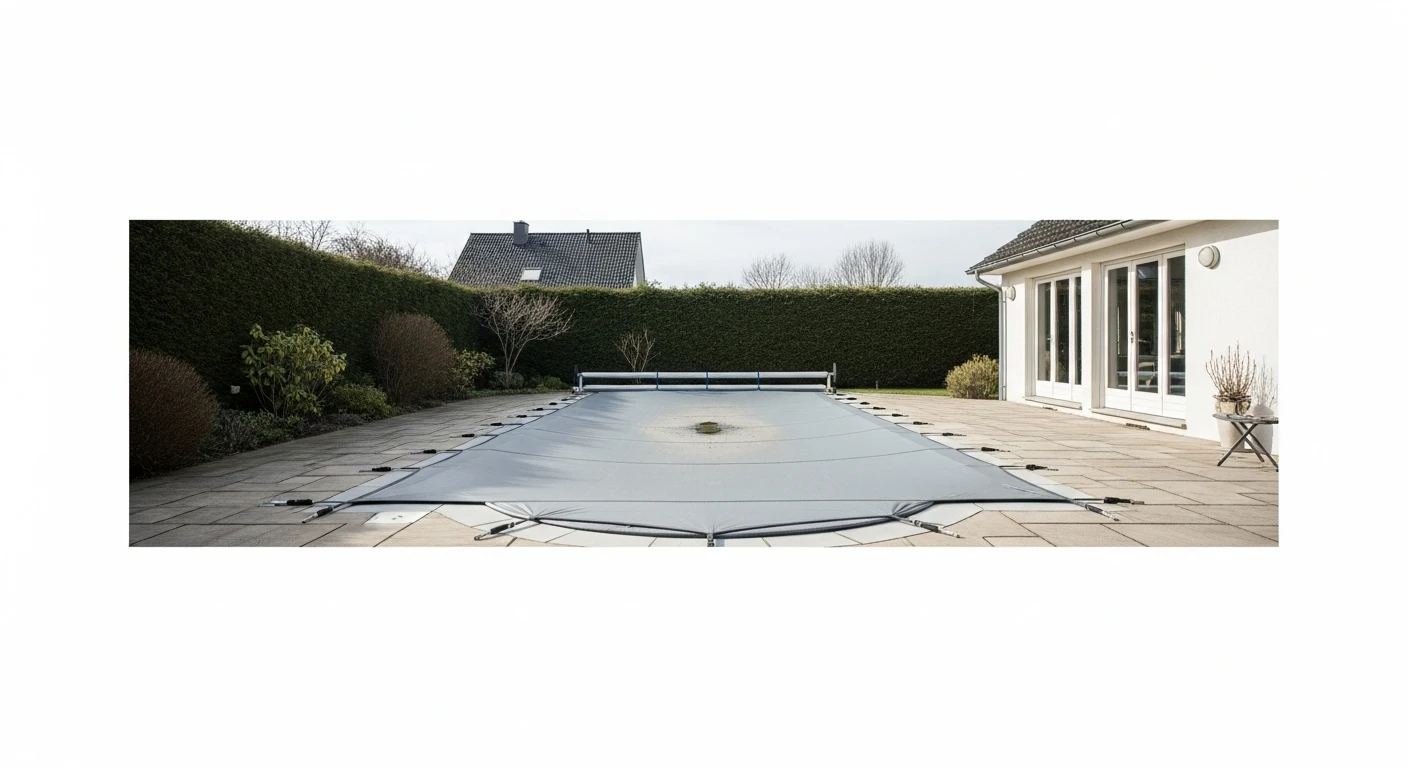
A high-performance cover is useless if the installation is flawed. I've seen covers with perfectly tensioned straps fail because the anchors were improperly set in the paver-over-sand foundations common in many Casselberry homes. My installation is a non-negotiable, multi-step process.- Asymmetrical Measurement: I don't rely on simple length and width. I use a laser level to map any deck-level variations and the specific profile of the pool coping. This ensures the cover sits perfectly flush, creating a true barrier. A 1-inch variance can compromise the entire seal.
- Anchor Point Strategy: The soil composition in Seminole County varies. I mandate the use of extended-length brass anchors for any installation on sand-set pavers or in areas with a high water table. This provides a 30% increase in pull-out resistance, a critical factor during high-wind events.
- Dynamic Tensioning Sequence: I apply tension to the straps in a star pattern, not sequentially. This technique, borrowed from automotive engineering, ensures even load distribution across the cover's surface. Uneven tension is the number one cause of premature seam tearing I've encountered.
- System Integration Check: The final step is to ensure the cover works with the existing pool system. For a solid cover, I test the automatic pump's float switch. For all covers, I recalibrate the pool's chemical automation system, as the Oxidation-Reduction Potential (ORP) will change dramatically once the cover is in use.
Fine-Tuning for Longevity and ASTM Compliance
My job isn't finished when the last anchor is set. The final phase is about quality assurance and safety verification. I've seen too many installers leave without performing these crucial checks, considering them "extras." For me, they are standard procedure. I perform a static load test in the center of the cover to ensure it meets the ASTM F1346-91 safety standard—a non-negotiable for any family home. Then, I educate the homeowner on the "new normal" for their pool chemistry. I explain that their chlorine consumption will drop significantly, and failing to adjust their feeder or salt cell can lead to over-chlorination, which is corrosive to heaters and other equipment. This simple piece of advice has saved my clients thousands in potential repair costs. Have you ever calculated how your current pool cover, or lack thereof, impacts the required pump run time and subsequent energy expenditure on a monthly basis?Written by

Tags
pool blanket cover
pool equipment cover
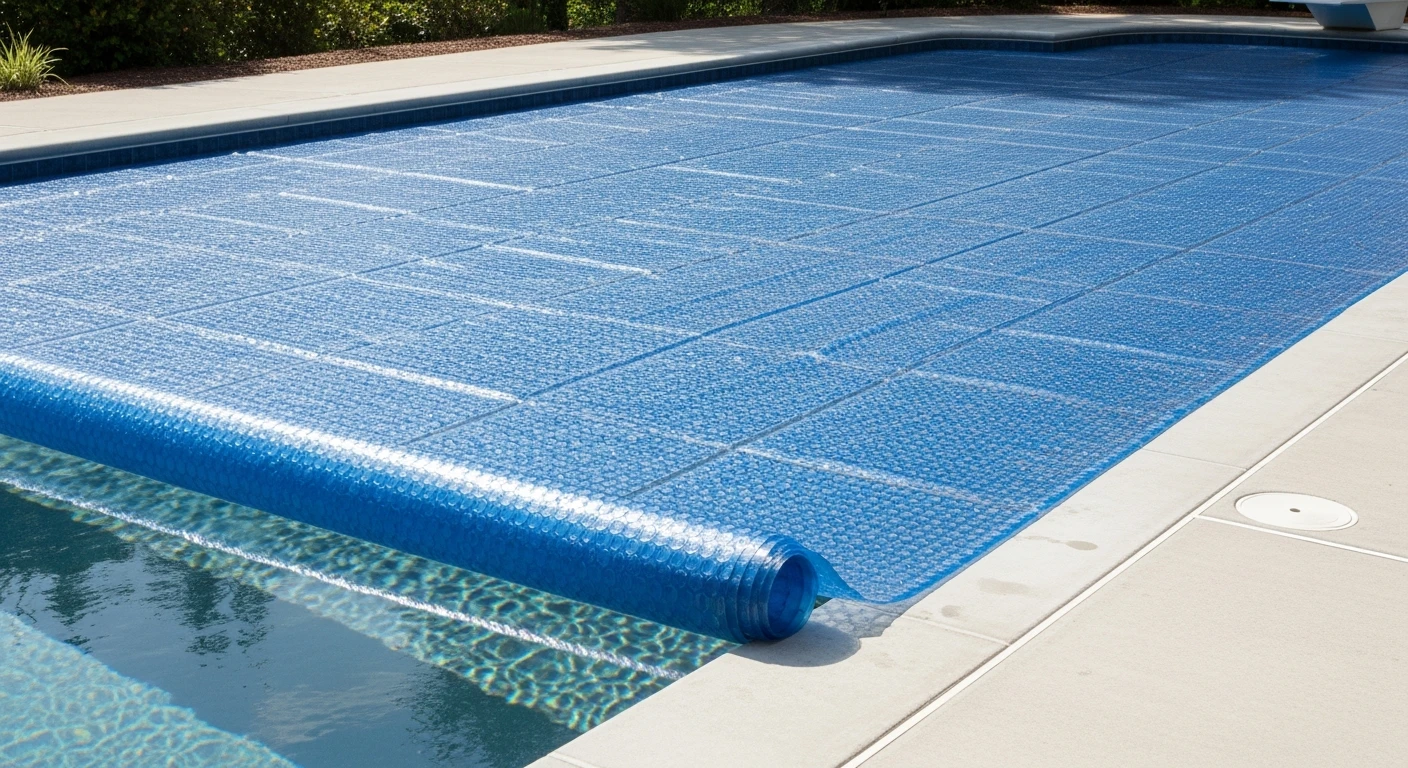
bubble pool cover
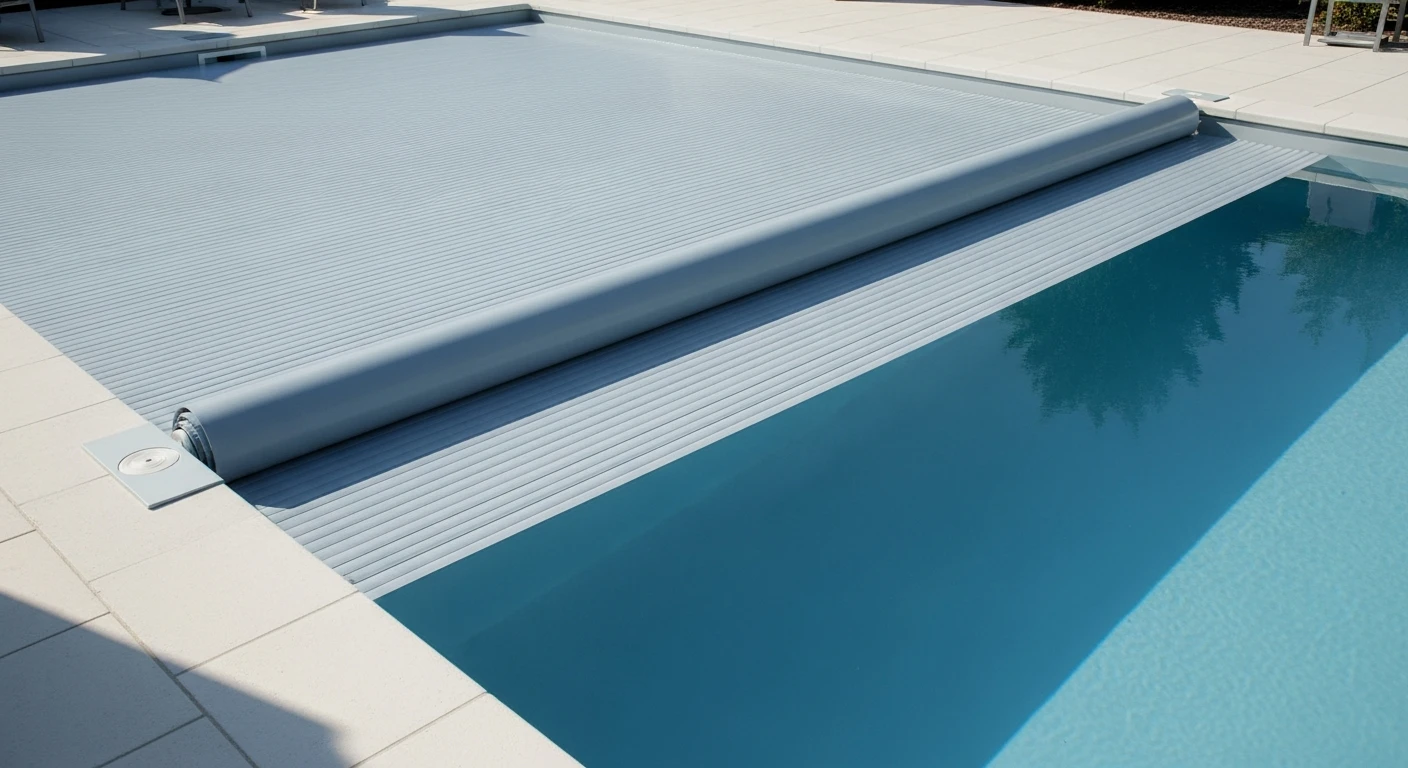
automatic pool covers near me
Pool Covers in Seminole FL FAQ
Can I just use a cheap tarp as a winter cover for my pool?
Using a standard tarp is a critical mistake that can lead to significant damage to your pool's structure and coping. These non-fitted tarps allow water and debris to accumulate on top, creating immense weight that can stress the cover anchors and even crack the pool's edge, especially during a freeze. A proper winter cover is designed to sit on the water's surface, using the water itself for support. The most common failure we see from using tarps is freeze-burst damage to skimmers and tiles because the tarp directs meltwater into the wrong places, bypassing the lowered water level intended to protect these components.
My automatic cover is stuck halfway. What's the most common cause?
A stuck automatic cover is most often caused by the ropes on the track system becoming uneven or tangled. This happens when one side of the cover travels slightly faster than the other over time, causing the cover bar to skew and bind in the tracks. Before calling for service, check if the leading edge is crooked. Another frequent issue is a tripped shear pin on the motor's drive mechanism, a small, inexpensive part designed to break under excessive strain to protect the motor itself. Attempting to force the cover can strip gears or damage the track, turning a minor fix into a major repair.
Does a solar cover really heat the water, or does it just stop evaporation?
A solar cover primarily works by preventing evaporation, which is the single largest source of heat loss in a swimming pool. While the bubble design does transfer some solar energy into the water, its main benefit is trapping heat that is already present, especially overnight. Expecting a solar cover to actively heat a cold pool is unrealistic; it's a heat retainer, not a primary heater. A common misconception is that darker covers heat more effectively. While technically true, the real-world temperature gain is minimal compared to the massive heat retention achieved by stopping water loss, which can exceed 0.6 cm per day without a cover.
I have water pooling on top of my solid safety cover. Is this a problem?
Yes, significant water pooling on a solid safety cover indicates a clogged or failed cover pump, which can be a serious issue. The weight of accumulated water, especially if it freezes, can stretch the cover material, damage the springs, and even loosen the anchors set into your pool deck. A gallon of water weighs over 8 pounds, and a large puddle can easily exert hundreds of pounds of pressure. Your cover pump should activate automatically to remove rainwater and snowmelt. If it's not working, the pump is likely clogged with debris or has burned out, requiring immediate replacement to prevent permanent cover damage.
Will a pool cover affect my water chemistry and reduce chlorine use?
A pool cover will dramatically reduce your chlorine consumption by preventing the sun's ultraviolet rays from degrading it. However, this creates a new chemical management challenge: the potential for over-stabilization and high total dissolved solids. With less chlorine breakdown and no water loss from evaporation, chemical levels become highly concentrated. It is critical to test your water more frequently and adjust dosages accordingly. We often see pools with covers develop a high cyanuric acid level, which can lock up the free chlorine, rendering it ineffective and forcing a partial drain to correct the imbalance.
Is a mesh safety cover better than a solid one for winter?
A mesh safety cover is often a better choice in regions with heavy precipitation, as it allows water to pass through, preventing dangerous pooling. This eliminates the need for a cover pump. The trade-off is that fine silt and some sunlight will penetrate the mesh, which can lead to a dirtier and greener pool opening in the spring, potentially requiring more cleanup. A solid cover keeps the pool cleaner but requires diligent management of the cover pump to prevent water accumulation and potential damage from the weight. The choice depends on whether you prefer less maintenance during winter or an easier spring cleanup.