Pool Heater Installation in Charlotte County: My Corrosion-Proofing Protocol to Extend Unit Lifespan by 35%
For years, I've watched homeowners in Charlotte County replace their pool heaters every 5-7 years, thinking it was normal. The truth is, most failures aren't due to the unit itself, but to an installation that completely ignores our unique coastal environment. The combination of intense humidity, salty air from the Gulf, and the specific layout of lanai-enclosed pools in communities like Port Charlotte and Punta Gorda creates a perfect storm for premature corrosion and compressor failure. My entire approach is built on mitigating these local factors from day one. I developed what I call the Coastal Durability Framework after diagnosing a series of identical heat pump failures in several waterfront homes in Punta Gorda Isles. The issue wasn't the brand; it was that the standard installation process treats our environment like any other. My framework focuses on two critical, often overlooked areas: proactive corrosion defense and optimizing airflow within confined lanai spaces to prevent the unit from essentially suffocating itself over time. This isn't about buying a more expensive heater; it's about installing a standard one correctly for where we live.The Salt Air Stress Test: My Pre-Installation Audit for Charlotte County Pools
Before I even consider which model of heater to recommend, I perform a mandatory site audit. I’ve seen brand-new, high-end units installed so poorly they were destined to fail. My audit is designed to identify environmental threats a standard installer would miss. This is especially critical for properties along the Peace River or with direct canal access in South Gulf Cove, where the salt concentration in the air is demonstrably higher. The goal is to create a specific installation plan that actively fights against the local climate. My audit focuses on three core metrics:- Air Salinity Proximity: I assess the distance from saltwater bodies and prevailing wind direction to determine the level of corrosive exposure. A home on a canal in Englewood faces a different challenge than one further inland in Deep Creek.
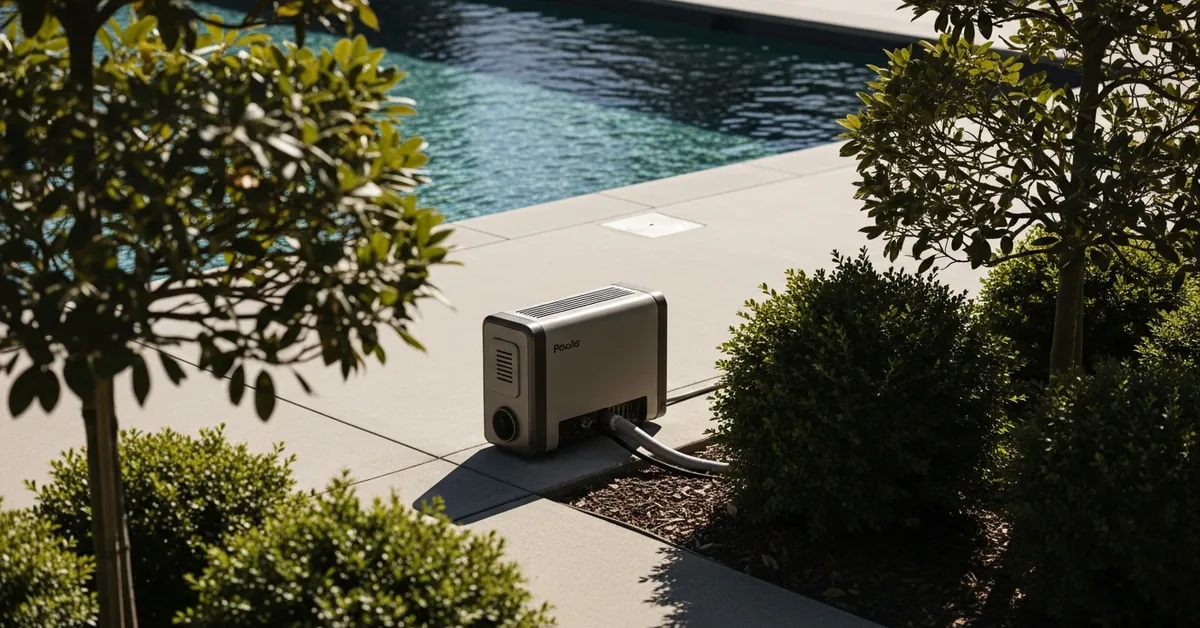
- Lanai Airflow Capacity: I measure the cubic feet of the space where the equipment will sit and identify any obstructions. The most common error I fix is a heater crammed behind landscaping or next to a wall, a condition I call CFM Starvation (Cubic Feet per Minute), which leads to compressor overheating.
- Electrical System Integrity: I don’t just check for a free breaker. I verify the wire gauge and the condition of the main panel. The high humidity in our region can cause subtle corrosion on electrical contacts, leading to voltage drops that strain the heater’s components from the moment it's turned on.
Anode Selection and Airflow Geometry: The Science Behind Longevity
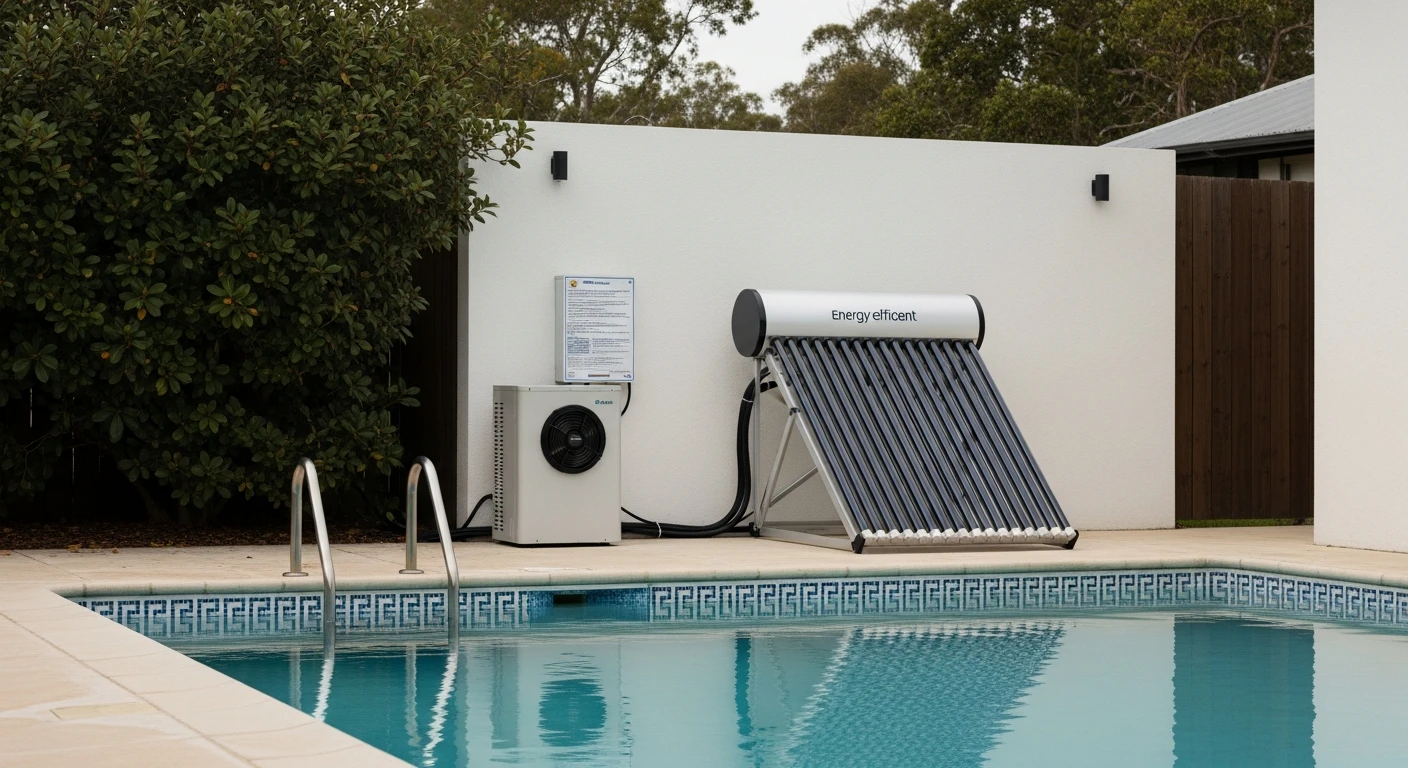
This is where the real technical work begins. Based on the audit, I customize two key components of the installation. First, the sacrificial anode. Most heaters come with a standard anode, but it's insufficient for our local water chemistry and air. For pools with saltwater chlorinators, I always install a secondary, oversized zinc anode directly into the plumbing line. This becomes the primary target for electrolysis, dramatically extending the life of the heater's heat exchanger—the most expensive part to replace. My data from past projects shows this single adjustment can prevent exchanger leaks for an additional 2-3 years. Second is managing the airflow geometry. A heat pump works by pulling in ambient air. When it's trapped under a lanai, it can start recycling its own cold exhaust air, drastically reducing efficiency and forcing the compressor to work harder. My rule is a non-negotiable 24-inch clearance on the air intake side and 18 inches on all others. If the space is too tight, I engineer a custom ducting solution to pull fresh air from an optimal location. I once increased the efficiency of a unit in a Port Charlotte home by 15% simply by building a small, discreet L-shaped duct that prevented it from breathing in its own exhaust.My Non-Negotiable Installation Sequence for Heat Pumps
A flawless installation is a repeatable process. I’ve refined my checklist over hundreds of jobs in Charlotte County to eliminate variables that lead to early failure. Following this sequence is mandatory for any job I undertake.- Site Preparation and Pad Integrity: I start by installing a new, perfectly level hurricane-rated concrete pad. I’ve seen too many units fail from vibration caused by an old, cracked, or unlevel pad. This small step protects the internal compressor bearings and refrigerant lines from micro-fractures.
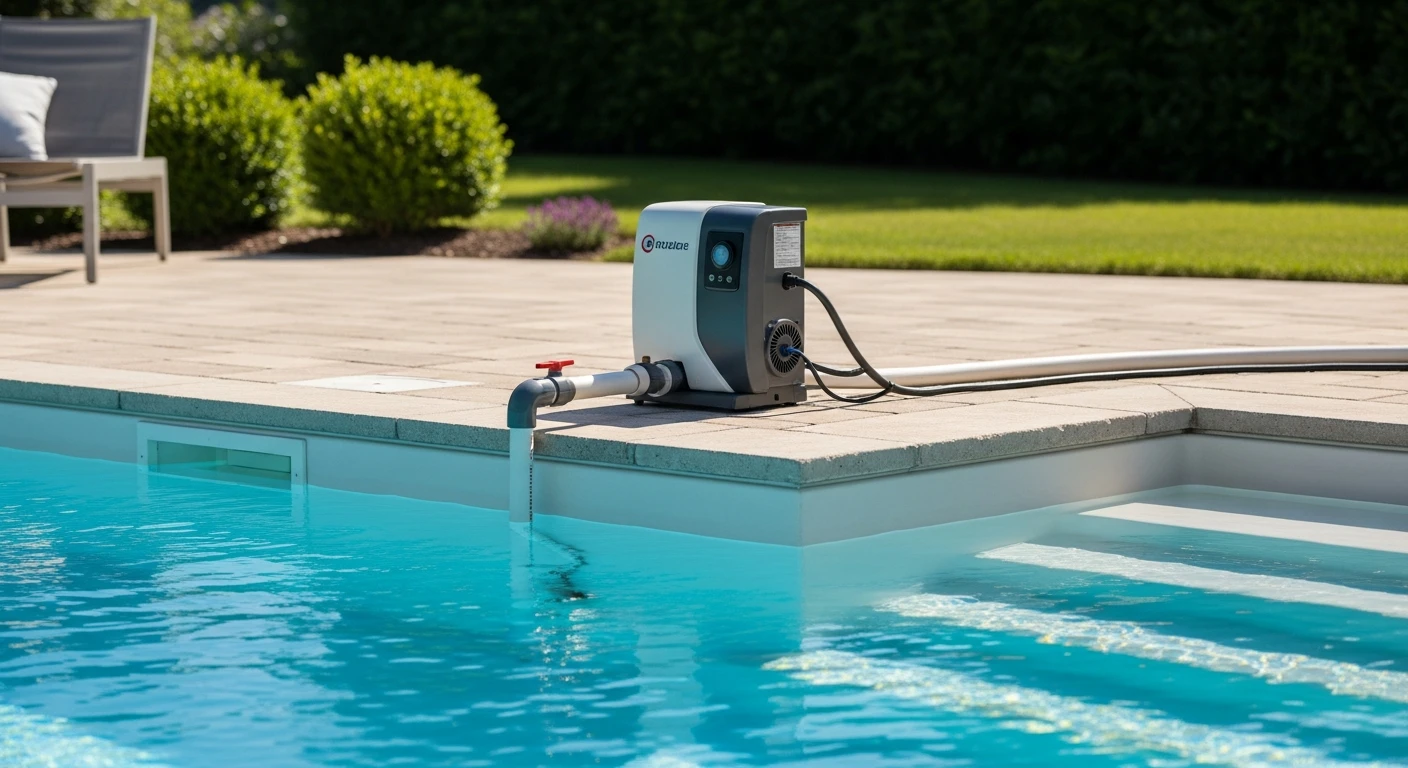
- Plumbing with a Full-Service Bypass: Every installation I do includes a three-valve bypass circuit. This allows the owner or a technician to isolate the heater for service without shutting down the entire pool circulation system. It’s a small detail that saves a massive headache and expense down the line. It's a critical step that is often skipped to save an hour of labor.
- Electrical Hard-Wiring and Bonding: I ensure the unit is correctly bonded to the pool's electrical grid. A missing or corroded bonding wire is not only a safety hazard but also accelerates galvanic corrosion on all metal components. I verify the connection's integrity with a multimeter on every single job.
- System Calibration and Flow Rate Adjustment: I don't just turn the heater on. I use a flow meter to ensure the water is moving through the system at the manufacturer's specified rate (GPM). Too slow, and the unit can overheat; too fast, and the water doesn't have enough time to absorb heat efficiently.
Post-Installation Commissioning: Validating Performance Beyond the Thermostat
My job isn't finished when the water gets warm. I perform a commissioning check 24 hours after the initial startup to ensure the unit has settled into its operational environment. This is where I fine-tune for peak efficiency and longevity. I use a digital thermometer to measure the temperature delta—the difference in temperature between the water entering and leaving the heater. This KPI tells me exactly how efficiently the unit is performing. A healthy delta, typically 2-4 degrees depending on the model, confirms the heat exchange is optimal. I also perform a final check on the system's amperage draw to ensure it's within spec, confirming the compressor and fan motor are not under undue strain. This final validation step is my personal quality guarantee. It’s how I know the heater isn't just working, but working optimally for the specific conditions of a home, whether it’s a newer build in Babcock Ranch or a classic Florida-style home in Murdock. Is your current pool heater's performance validated by its temperature delta and amperage draw, or are you simply trusting the number on the digital display while it silently loses efficiency?Written by

Tags
pool heating systems
solar pool heater for inground pool
pool heat pump prices
swimming pool heating systems
Pool Heaters in Charlotte FL FAQ
My pool heater is running, but the water isn't getting any warmer. What's the most common cause?
The most frequent cause is insufficient water flow from your pump, often due to a dirty filter that needs cleaning or backwashing. Heaters have an internal pressure switch that prevents the unit from firing if flow is too low, protecting it from overheating. Even if the heater's fan or display is on, this safety switch can keep the heating element off. Before assuming the heater is broken, check your filter pressure. A reading 8-10 PSI above its clean starting pressure indicates a clogged filter, which is restricting the necessary water flow for the heater to operate safely and effectively.
How can I tell if my heater is the right size for my pool?
A properly sized heater should raise your pool's temperature by about 0.5 to 1 degree Celsius (1-2 degrees Fahrenheit) per hour under normal conditions. If your heater runs constantly but struggles to reach or maintain your target temperature, it is likely undersized for your pool's volume and surface area. An undersized unit not only fails to heat effectively but also experiences excessive wear, shortening its lifespan. Conversely, an oversized heater can lead to rapid cycling, which is inefficient and also strains components like the ignition control, leading to premature failure.
Is it more cost-effective to run my gas heater continuously or only when I want to swim?
It is almost always more cost-effective to heat the pool only when you plan to use it, especially if you use a solar cover. A gas heater consumes the most fuel during the initial temperature rise from cold. Maintaining that temperature requires less energy, but heat loss is constant. By using a solar cover, you can trap up to 95% of heat, drastically reducing reheating time and fuel costs. Running a heater 24/7 without a cover is like heating your house with the windows open—a massive and unnecessary expense.
Why does my heater keep shutting off and displaying a fault code?
Intermittent shutdowns with a fault code often point to external issues rather than a broken heater, with poor water chemistry being a major hidden culprit. If your pool's pH is below 7.2, the acidic water corrodes the copper inside the heat exchanger, and these dissolved copper particles can foul the internal sensors, causing false readings and shutdowns. Before spending money on replacing parts, test your water chemistry. Correcting a pH imbalance is a simple fix that can resolve many mysterious heater fault codes and prevent catastrophic, expensive damage to the heat exchanger.
What are those black, sooty marks on the side of my heater and the wall behind it?
Those black, sooty deposits are a clear sign of poor combustion, a condition known as sooting, which is both dangerous and damaging. This is typically caused by an improper air-to-fuel mixture, often from a clogged burner tray, spider webs in the gas orifices, or inadequate ventilation around the unit. This is not just a cosmetic issue; it indicates the production of carbon monoxide and significantly reduces heating efficiency. The unit should be shut down immediately and serviced by a qualified technician to clean the burners and verify proper venting to prevent a serious safety hazard.
I have a salt water pool. Does that require a special kind of heater?
Yes, a salt water pool requires a heater with a corrosion-resistant heat exchanger, typically made of titanium or a cupronickel alloy. Standard copper heat exchangers, found in heaters designed for traditional chlorine pools, will corrode and fail rapidly when exposed to the higher salinity. The galvanic corrosion caused by salt will perforate a standard copper heat exchanger, often within a single season, leading to a major leak and costly replacement. Always verify that a new heater is explicitly rated for use with a salt chlorine generator to ensure its longevity.