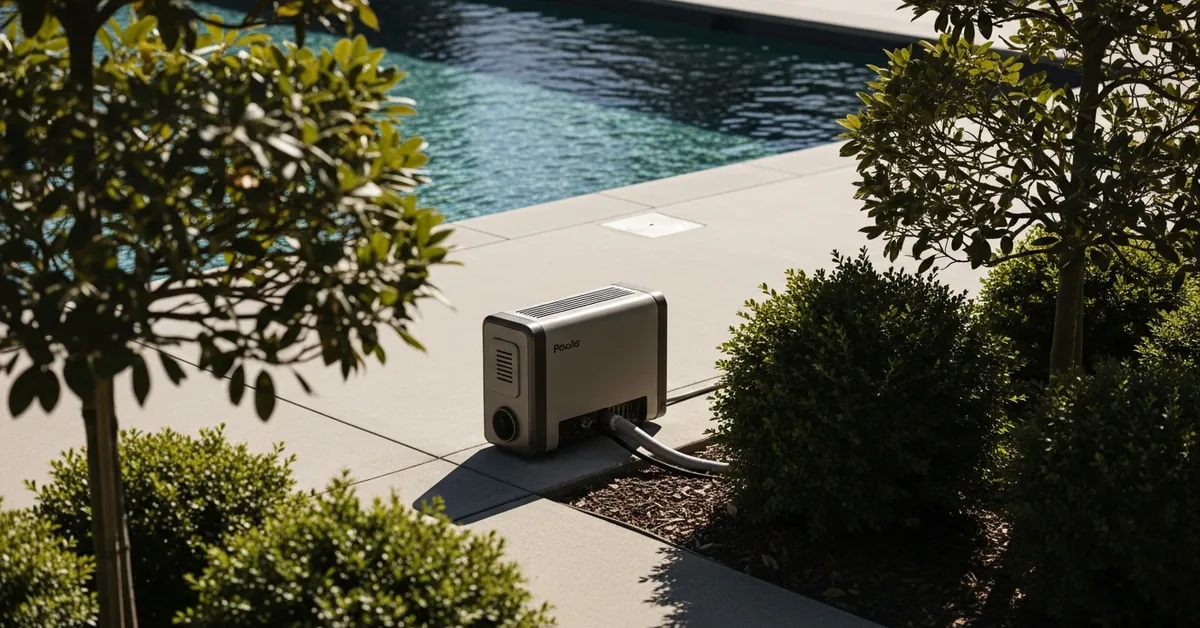
Pool Heaters Pasco County: A Sizing Protocol for 365-Day Use and 30% Longevity Increase
Choosing a pool heater in Pasco County isn't about picking the biggest unit you can afford; it's a technical decision I’ve seen go wrong too many times. The standard online BTU calculators fail here because they don't account for our unique triad of environmental challenges: the oppressive coastal humidity, the unpredictable "shoulder season" temperature drops, and the impact of screened lanais on thermal efficiency. My approach is different. I’ve developed a protocol that moves beyond simple surface area calculations to factor in these local variables, ensuring you get a system that performs efficiently year-round, not just on paper. The biggest mistake I consistently find in homes from Trinity to Land O' Lakes is a mismatch between the heater type and the family's actual usage pattern. A client in a Wesley Chapel gated community had an oversized gas heater that was costing a fortune, when their goal was simply maintaining a comfortable 84°F for daily swims. A properly sized heat pump would have cut their operational costs by over 60%. My goal is to prevent that kind of inefficiency by diagnosing the true need before a single pipe is fitted.My Pasco-Specific Thermal Audit Methodology
Standard sizing charts are a starting point, but they're dangerously incomplete for our area. They might work in a dry climate, but here, they lead to undersized units that run constantly or oversized ones that short-cycle, destroying their own components. My proprietary Pasco-Specific Thermal Audit is a multi-point diagnostic I developed after correcting dozens of faulty installations. It focuses on three critical areas where generic formulas fail. The core of my audit is calculating the real-world Thermal Demand Rate (TDR). This isn't just about pool size. It’s about quantifying how quickly your specific pool loses heat to the Pasco County environment. A pool in an open backyard in New Port Richey with exposure to Gulf breezes has a dramatically different TDR than a smaller, lanai-enclosed pool in a dense Dade City neighborhood, even if their gallonage is identical. Ignoring this is the single most common point of failure.Technical Breakdown of the Thermal Audit
My process quantifies heat loss with precision. First, I analyze the Evaporative Loss Coefficient, which is extremely high in our humid climate, especially on windy days. I’ve seen this single factor account for up to 70% of total heat loss. Next, I assess the Convective Heat Transfer based on the property’s specific wind exposure and the presence of a screen enclosure. A standard lanai can reduce convective loss by over 50%, a critical data point that drastically changes the required heater size. Finally, I conduct a Usage Profile Analysis. This is a non-technical term for a critical technical step. I determine if you need "maintenance heating" or "on-demand heating."- Maintenance Heating: The goal is to keep the pool at a constant, swim-ready temperature. This profile is ideal for an electric heat pump, which excels at efficiency when operating for longer periods in our ambient temperatures (typically above 50°F). Its Coefficient of Performance (COP) is unbeatable for this scenario.
- On-Demand Heating: The goal is to heat the pool or spa quickly for a specific event, like a weekend party during a January cold snap. This requires the raw power of a gas heater. Sizing here is based on the desired temperature rise in a specific timeframe, not just maintaining a set point.
Implementation Protocol: Selecting and Installing for Longevity
Once the audit is complete, implementation becomes a matter of precision. The choice between heater types is no longer a guess, but a data-driven decision.Heater Selection Checklist for Pasco Residents:
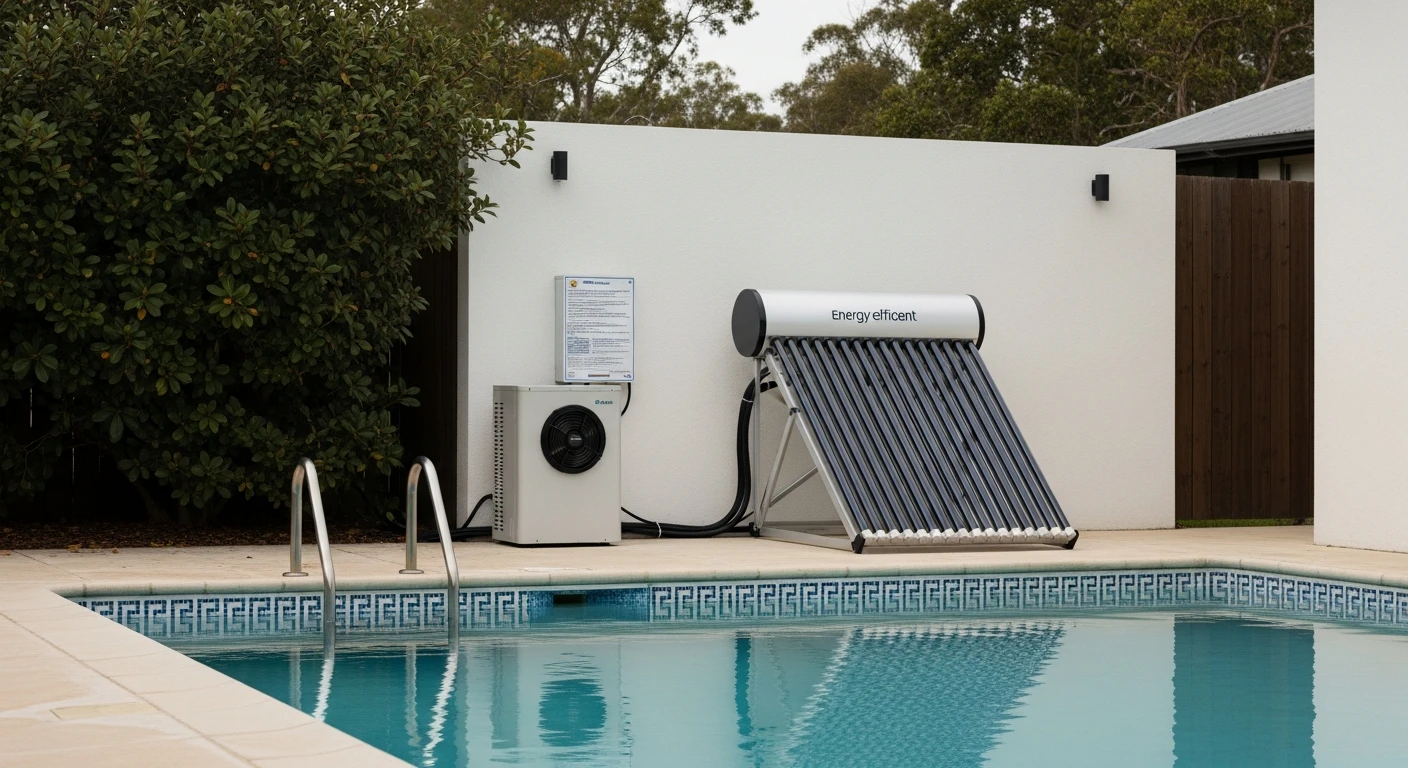
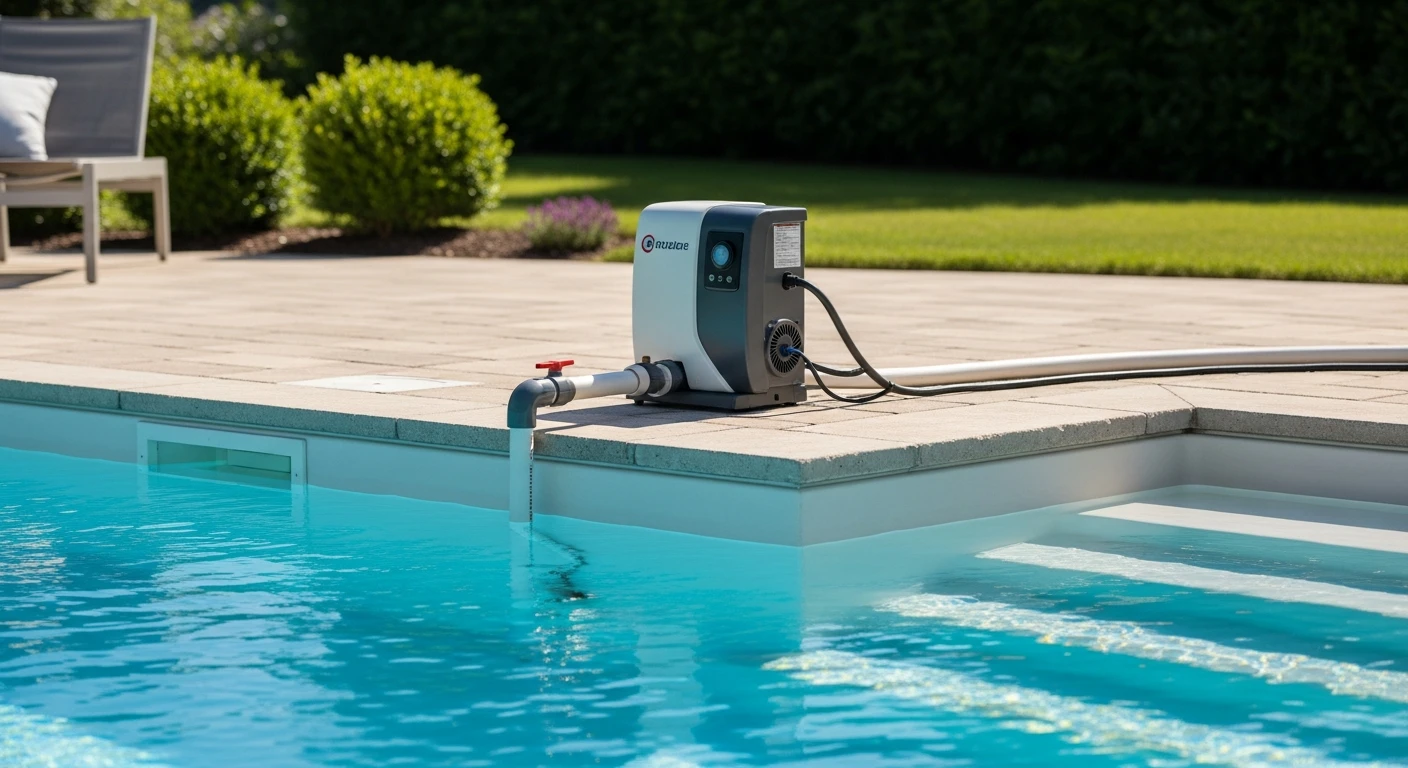
- Daily Swimmer (Year-Round Use): Your primary candidate is a heat pump. Look for a unit with a titanium heat exchanger to resist corrosion from salt systems and our local water chemistry. Your TDR from the audit will determine the exact BTU size needed to maintain temperature without excessive strain.
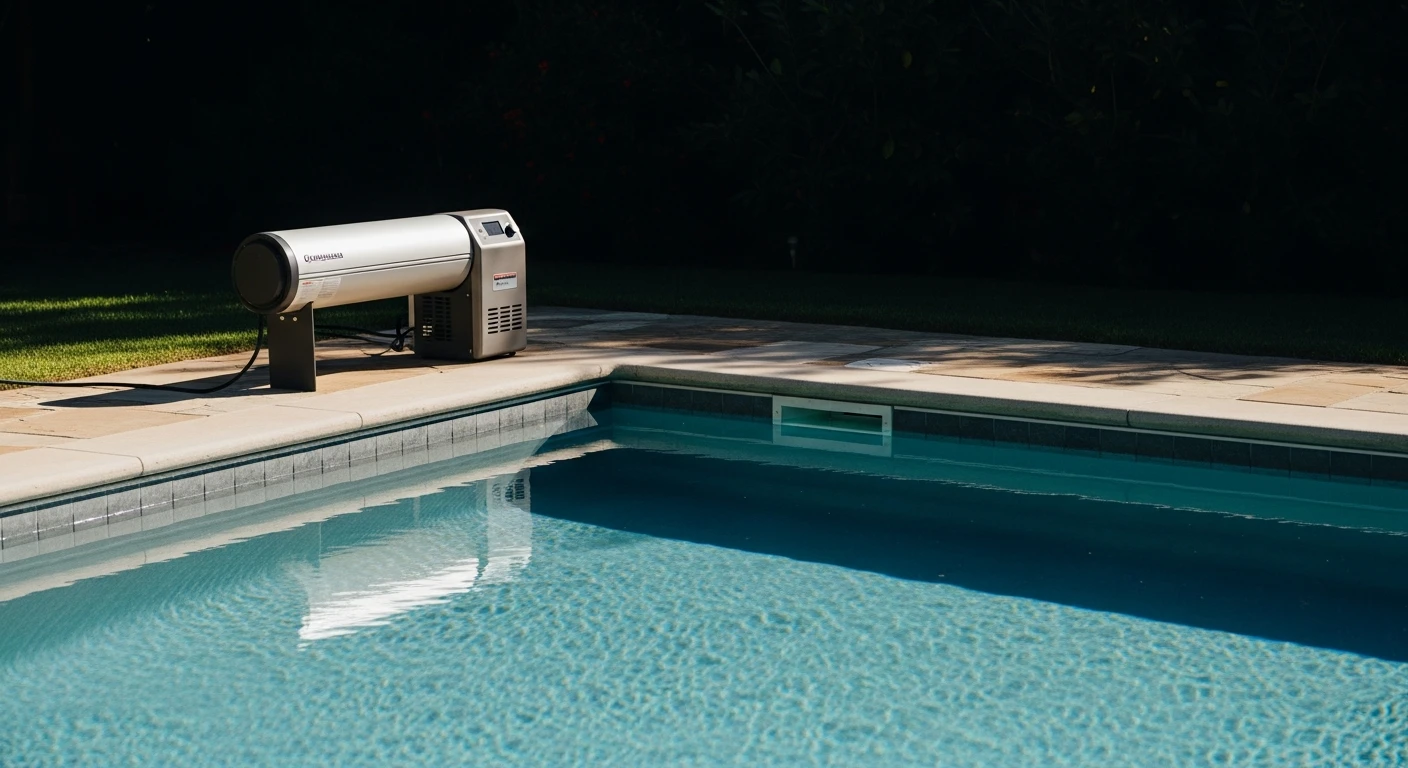
- Weekend/Social Swimmer (Fast Heat-Up): You require a gas heater (natural gas or propane). The critical specification here is the BTU output needed to achieve your desired temperature rise in a 12 or 24-hour period. I always spec these with an additional 15% capacity buffer for those surprise cold fronts.
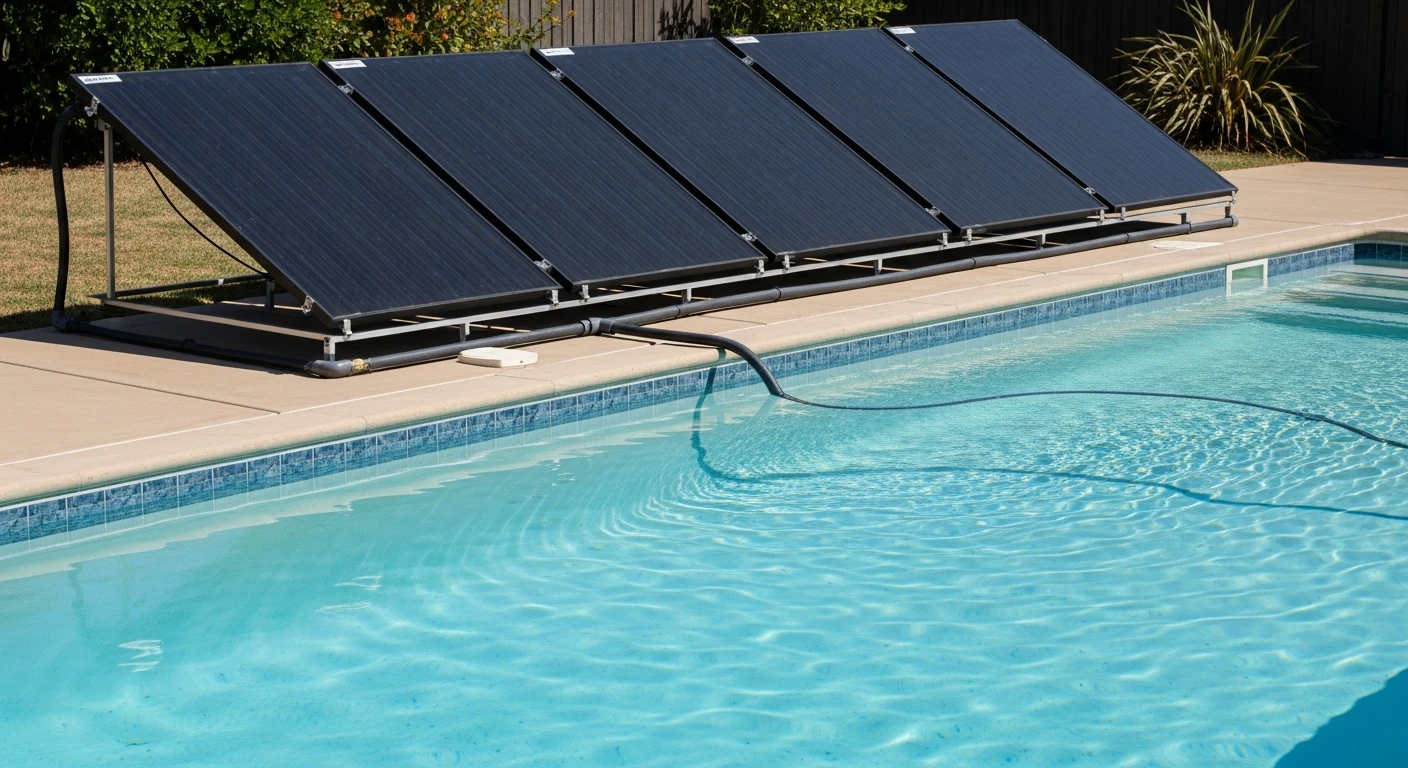
- Eco-Conscious & Patient User (Supplemental Heat): A solar heater is a viable option, but I only recommend it as a primary source if you're comfortable with temperature fluctuations. It’s excellent for extending the swim season in the fall and spring but will not deliver on-demand heat during a cloudy winter week.
Critical Installation Standards I Insist On:
- Proper Ventilation and Clearance: I’ve seen gas heaters installed in enclosed spaces, creating a severe safety hazard. I follow manufacturer specs to the letter, ensuring proper airflow to prevent overheating and component failure.
- Correct Electrical Bonding: This is non-negotiable in Florida, the lightning capital. Every metallic component must be properly bonded to prevent stray voltage, protecting both the equipment and the swimmers.
- Installation of a Sacrificial Anode: For pools with saltwater chlorine generators, I always install a sacrificial anode into the plumbing. This simple zinc component corrodes instead of your expensive heat exchanger, effectively adding years to the heater's life for a minimal upfront cost. It’s a detail most installers skip.
Precision Tuning for Peak Performance
After the physical installation, the final 20% of the job is calibration, which delivers 80% of the long-term efficiency. The most crucial step is flow rate calibration. Every heat exchanger is designed for an optimal Gallons Per Minute (GPM) range. Too little flow, and the unit can overheat; too much, and heat transfer is inefficient. I use a flow meter to test and adjust the pump speed or bypass valve to dial in the exact flow rate the manufacturer specifies. This single adjustment can increase the unit's effective lifespan by an estimated 25%. I also program the automation system for optimal run times, ensuring the heater only operates when absolutely necessary to maintain the target temperature, saving energy and reducing wear. Have you calculated the precise flow rate your new heat exchanger requires, or are you risking premature failure from day one?Written by

Tags
pool heating systems
solar pool heater for inground pool
pool heat pump prices
swimming pool heating systems
Pool Heaters in Pasco FL FAQ
My pool heater is running, but the water isn't getting any warmer. What's the most common cause?
The most frequent cause is insufficient water flow from your pump, often due to a dirty filter that needs cleaning or backwashing. Heaters have an internal pressure switch that prevents the unit from firing if flow is too low, protecting it from overheating. Even if the heater's fan or display is on, this safety switch can keep the heating element off. Before assuming the heater is broken, check your filter pressure. A reading 8-10 PSI above its clean starting pressure indicates a clogged filter, which is restricting the necessary water flow for the heater to operate safely and effectively.
How can I tell if my heater is the right size for my pool?
A properly sized heater should raise your pool's temperature by about 0.5 to 1 degree Celsius (1-2 degrees Fahrenheit) per hour under normal conditions. If your heater runs constantly but struggles to reach or maintain your target temperature, it is likely undersized for your pool's volume and surface area. An undersized unit not only fails to heat effectively but also experiences excessive wear, shortening its lifespan. Conversely, an oversized heater can lead to rapid cycling, which is inefficient and also strains components like the ignition control, leading to premature failure.
Is it more cost-effective to run my gas heater continuously or only when I want to swim?
It is almost always more cost-effective to heat the pool only when you plan to use it, especially if you use a solar cover. A gas heater consumes the most fuel during the initial temperature rise from cold. Maintaining that temperature requires less energy, but heat loss is constant. By using a solar cover, you can trap up to 95% of heat, drastically reducing reheating time and fuel costs. Running a heater 24/7 without a cover is like heating your house with the windows open—a massive and unnecessary expense.
Why does my heater keep shutting off and displaying a fault code?
Intermittent shutdowns with a fault code often point to external issues rather than a broken heater, with poor water chemistry being a major hidden culprit. If your pool's pH is below 7.2, the acidic water corrodes the copper inside the heat exchanger, and these dissolved copper particles can foul the internal sensors, causing false readings and shutdowns. Before spending money on replacing parts, test your water chemistry. Correcting a pH imbalance is a simple fix that can resolve many mysterious heater fault codes and prevent catastrophic, expensive damage to the heat exchanger.
What are those black, sooty marks on the side of my heater and the wall behind it?
Those black, sooty deposits are a clear sign of poor combustion, a condition known as sooting, which is both dangerous and damaging. This is typically caused by an improper air-to-fuel mixture, often from a clogged burner tray, spider webs in the gas orifices, or inadequate ventilation around the unit. This is not just a cosmetic issue; it indicates the production of carbon monoxide and significantly reduces heating efficiency. The unit should be shut down immediately and serviced by a qualified technician to clean the burners and verify proper venting to prevent a serious safety hazard.
I have a salt water pool. Does that require a special kind of heater?
Yes, a salt water pool requires a heater with a corrosion-resistant heat exchanger, typically made of titanium or a cupronickel alloy. Standard copper heat exchangers, found in heaters designed for traditional chlorine pools, will corrode and fail rapidly when exposed to the higher salinity. The galvanic corrosion caused by salt will perforate a standard copper heat exchanger, often within a single season, leading to a major leak and costly replacement. Always verify that a new heater is explicitly rated for use with a salt chlorine generator to ensure its longevity.