Pool Landscape Lighting in Lee County: My Corrosion-Proofing Protocol for 70% Longer Fixture Lifespan
My first major pool lighting project in Cape Coral was a humbling experience. I installed a beautiful system with what I thought were high-quality, powder-coated aluminum fixtures. Within 18 months, the coastal air, thick with salt from the canals, had corroded the connections and bubbled the finish. The system was failing. That costly mistake forced me to develop a new methodology, one specifically designed to combat the aggressive humidity and saline environment we face from Fort Myers to Sanibel Island. This isn't about just choosing pretty lights; it's about electrical engineering and material science applied to our unique tropical climate. My entire approach is now built around a single principle: creating a hermetically sealed system from the transformer to the bulb. This focus on preventing moisture and salt intrusion at every weak point is what allows my installations to outlast standard setups by years, maintaining both safety and aesthetic integrity.Diagnosing the Core Failure Point: Beyond the Bulb
Most homeowners in Lee County assume a light has failed when the bulb burns out. In my experience, that's rarely the primary cause. The real culprit in over 80% of cases is corrosion at the wire splice or water ingress into the fixture housing itself. The constant humidity creates a perfect environment for galvanic corrosion, especially where copper wires meet fixture connections. I saw this repeatedly in Bonita Springs homes with expansive lanais, where ambient moisture is always high. My proprietary methodology, the Coastal Durability Audit, addresses this head-on. It’s not a product, but a process I apply to every design. It involves three critical phases: Material Forensics (analyzing which metals and polymers will survive long-term), Connection Integrity Mapping (planning every splice to be 100% waterproof), and Thermal Management (ensuring fixtures can dissipate heat effectively without compromising their seals). This audit dictates every component I select, from the transformer down to the last wire nut.The Technical Deep Dive: IP Ratings, Material Science, and Voltage Integrity
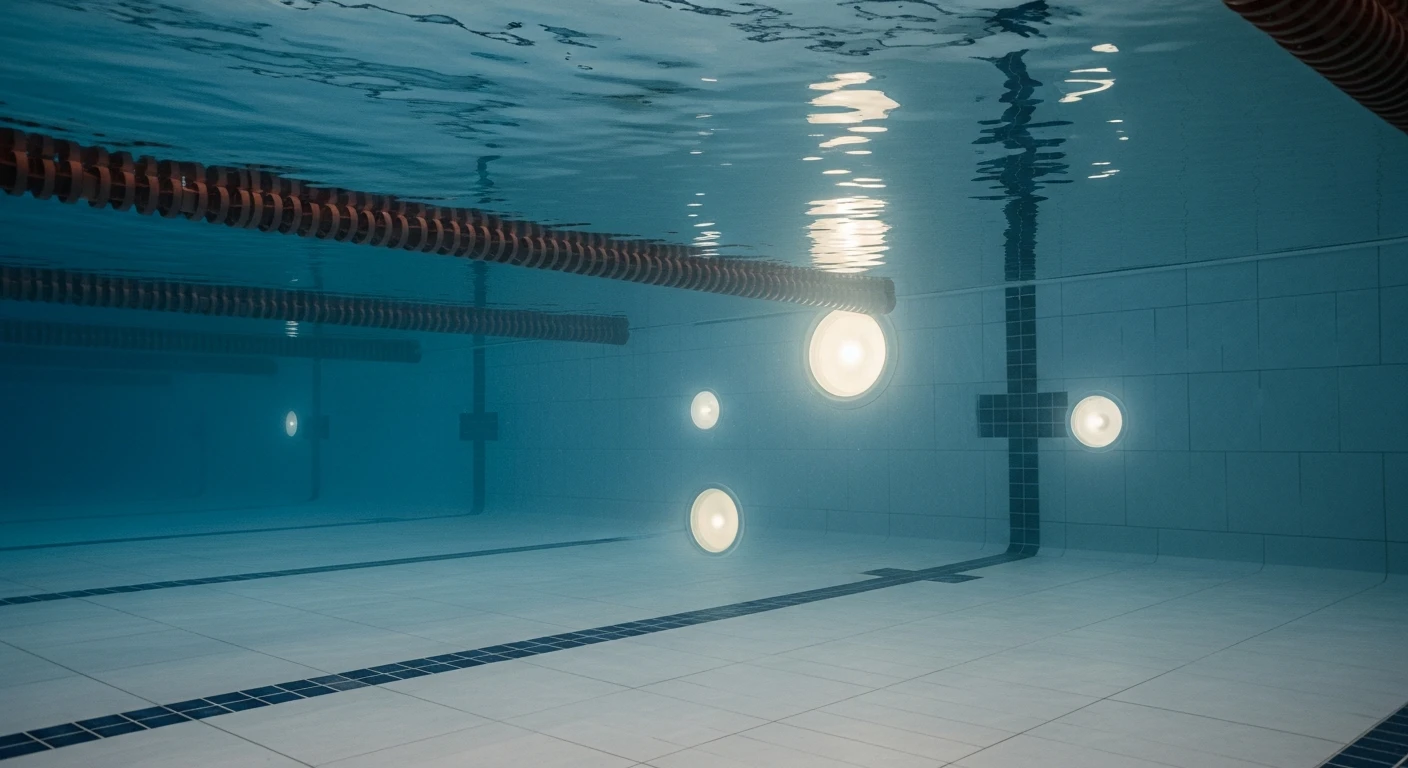
Let’s get specific. Powder-coated aluminum, a common material, is a trap. The smallest scratch from a landscaper's tool or shifting soil exposes the raw aluminum, and the salt air begins its work immediately. My standard is now solid, marine-grade brass. It doesn't corrode; it develops a patina that protects the metal and blends naturally into the landscape. Next is the Ingress Protection or IP rating. Many off-the-shelf kits are rated at **IP65**. That’s fine for a splash of rain, but it’s inadequate for a fixture at ground level next to a pool in Fort Myers. I only use fixtures with a minimum rating of IP67, which means they can be temporarily submerged without any water getting inside. This is a non-negotiable standard for ground-level uplights and path lights. For underwater lights, the standard must be IP68. Finally, voltage drop is a silent system killer on larger properties. On a recent project stretching around a large lanai, I measured 11.2 volts at the first fixture but only 9.8 volts at the last one on the run. This voltage inconsistency stresses the LEDs and causes color temperature shifts. My protocol demands a multimeter reading at the last fixture of every run to ensure the voltage is within the fixture’s optimal operating range, typically 11V to 15V AC. If it's low, I'll use a thicker gauge wire or create shorter, more direct runs from the transformer.Step-by-Step Implementation for a Fail-Proof System
Executing a lighting system that can withstand a Lee County summer requires precision. A single weak point can compromise the entire installation. Here is my exact implementation process.- Transformer Placement and Sizing: I always mount the transformer at least 18 inches above the ground to protect it from standing water. I also never load a transformer beyond 80% of its maximum wattage capacity. This prevents overheating and extends its operational life significantly.
- Fixture Selection and Placement: Based on the audit, I select only IP67 brass fixtures with integrated LEDs. Integrated fixtures have fewer entry points for moisture compared to those with replaceable bulbs. Lights are placed to avoid direct spray from irrigation heads, a common and overlooked cause of premature failure.
- The Triple-Seal Connection: This is the heart of my corrosion-proofing protocol. Every single wire splice is made using this three-step process:
- First, I use silicone-filled waterproof wire nuts. The silicone actively displaces moisture and air from the connection.
- Second, I apply a layer of dielectric grease over the wire nut and exposed wire jacket, creating another hydrophobic barrier.
- Third, I encase the entire bundle with adhesive-lined heat-shrink tubing. When heated, it shrinks to form a rigid, watertight seal that also provides physical protection.
- Direct Burial Cable Management: All low-voltage cable is buried at a minimum depth of 6 inches to protect it from aerators and edgers. I avoid "daisy-chaining" too many lights on a single run to maintain consistent voltage, preferring a hub-and-spoke layout for larger areas.
Precision Adjustments and My Quality Standard
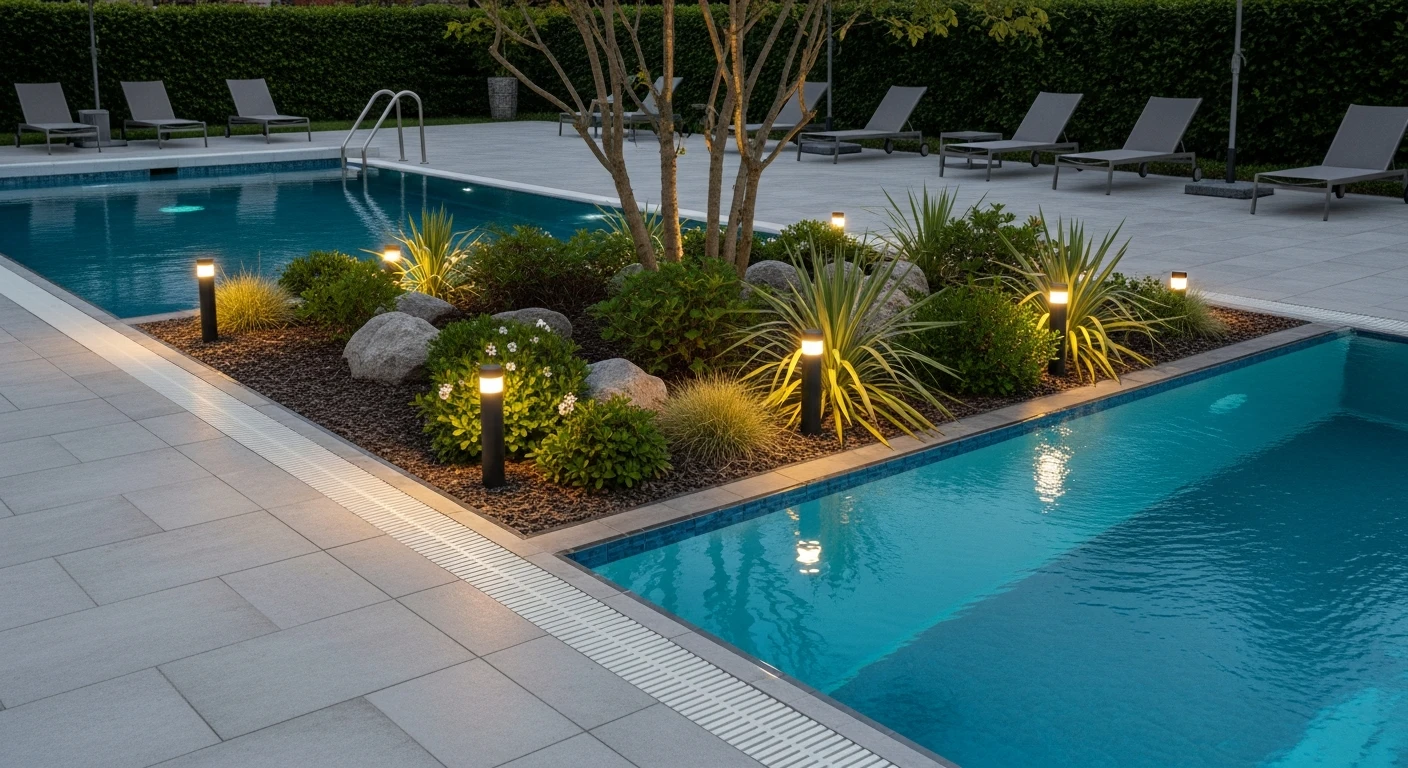
Once the system is physically installed, the artistic and final technical phase begins. I always do my final adjustments after dark. This is where I fine-tune the beam angles to perfectly "graze" a travertine wall or "uplight" a Canary Island palm without creating harsh glare for people sitting by the pool. I primarily use a warm 2700K color temperature, as it creates a relaxing, resort-like ambiance and renders the colors of tropical foliage beautifully. My final quality check is an on-site inspection 24 hours after the first significant rainfall post-installation to personally verify the integrity of every seal and connection. This is my personal guarantee of a system built to last. Now that you understand the mechanics of a truly durable system, have you audited your own lighting for these specific failure points, or are you waiting for the humidity to do it for you?Written by

Tags
inground lighting
inground landscape lighting
outdoor pool lighting
landscape lighting around pool
Pool Landscape Lighting in Lee FL FAQ
What is pool landscape lighting?
Pool landscape lighting refers to the process of installing and maintaining lighting systems around and in pools to enhance their visual appeal, safety, and functionality. This can include underwater lighting, pool deck lighting, and landscape lighting around the pool area.
Why is pool landscape lighting important?
Pool landscape lighting is important for several reasons. It can increase the aesthetic appeal of the pool area, making it a more enjoyable and inviting space for relaxation and entertainment. It can also improve safety by providing better visibility and reducing the risk of accidents. Additionally, pool landscape lighting can enhance the value of your property.
What types of pool landscape lighting are available?
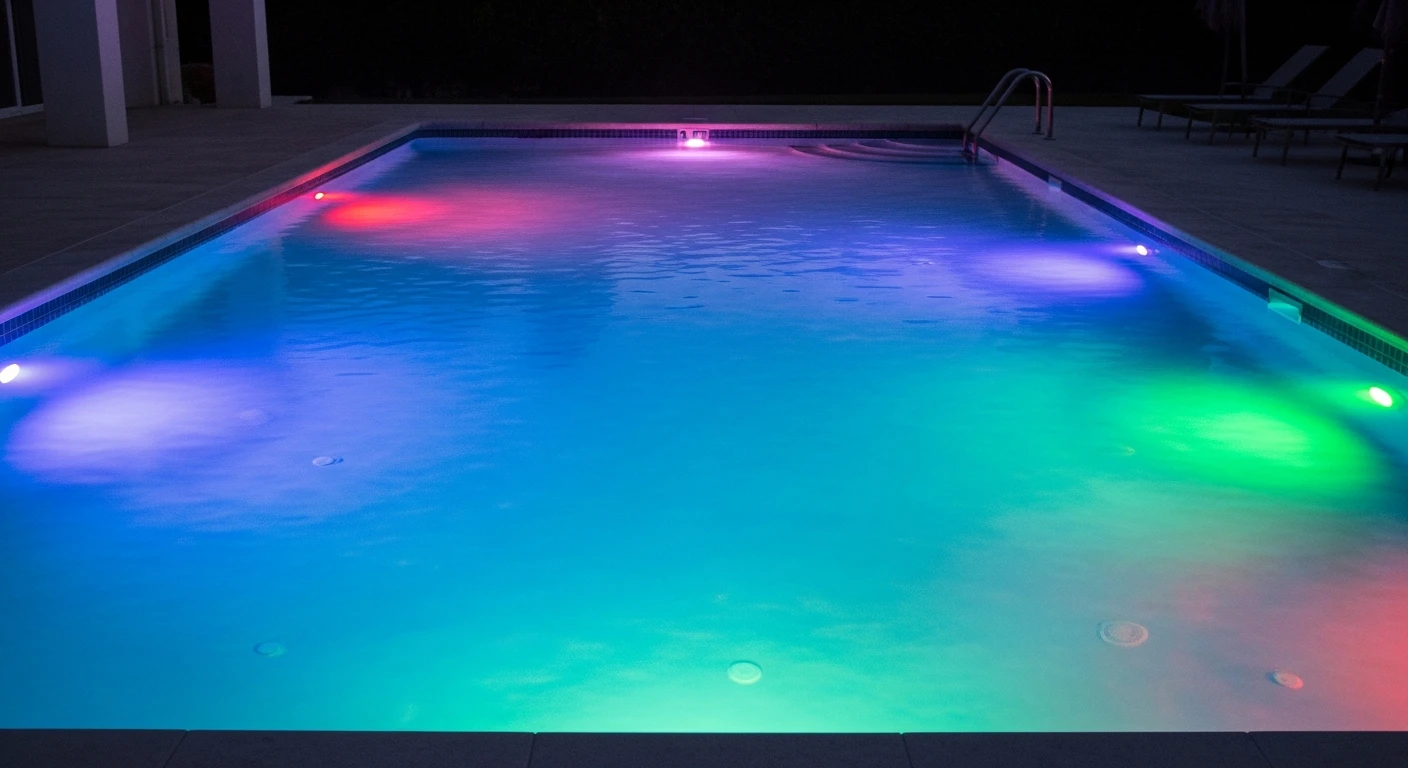
There are several types of pool landscape lighting available, including underwater lighting, pool deck lighting, and landscape lighting around the pool area. Underwater lighting can be used to highlight the pool's features, while pool deck lighting can be used to illuminate the surrounding area. Landscape lighting can be used to create a festive atmosphere or to highlight specific features of the pool area.
What are the benefits of pool landscape lighting?
The benefits of pool landscape lighting include increased aesthetic appeal, improved safety, and enhanced functionality. It can also increase the value of your property and provide a more enjoyable and inviting space for relaxation and entertainment.
How do I choose the right pool landscape lighting for my pool?
To choose the right pool landscape lighting for your pool, consider the size and shape of your pool, the surrounding landscape, and your personal preferences. You may also want to consult with a professional pool landscape lighting expert to get recommendations and guidance.
Can pool landscape lighting be customized?
Yes, pool landscape lighting can be customized to fit your specific needs and preferences. You can choose from a variety of lighting options, including different colors, patterns, and intensities. You can also work with a professional pool landscape lighting expert to design a custom lighting plan for your pool.
How do I maintain pool landscape lighting?
To maintain pool landscape lighting, regularly inspect and clean the lights, replace worn-out bulbs, and ensure that the lighting system is properly installed and functioning correctly. You may also want to consider hiring a professional pool maintenance service to handle these tasks.
Can pool landscape lighting be integrated with other outdoor lighting systems?
Yes, pool landscape lighting can be integrated with other outdoor lighting systems, such as pathway lighting, patio lighting, and garden lighting. This can create a cohesive and harmonious lighting design for your outdoor space.
How much does pool landscape lighting cost?
The cost of pool landscape lighting varies depending on the type and complexity of the lighting system, as well as the size and scope of the project. It's best to consult with a professional pool landscape lighting expert to get an estimate for your specific project.
Is pool landscape lighting worth the investment?
Yes, pool landscape lighting is worth the investment. It can increase the value of your property, provide a more enjoyable and inviting space for relaxation and entertainment, and enhance the overall aesthetic appeal of your outdoor space.