Underwater Pool Lights in Lee County: My Sealing Protocol to Double Fixture Lifespan
Most underwater pool light failures I see across Lee County, from the canal homes in Cape Coral to the estates in Fort Myers, aren't due to a faulty bulb or LED. The real culprit is moisture intrusion, a problem accelerated by our relentless humidity and salty air. After years of replacing prematurely failed units, I developed a proprietary installation method that focuses obsessively on the seal, often doubling the effective lifespan of a new fixture. My entire diagnostic process centers on the gasket and housing seal integrity, not just the electrical connection. A standard installation often uses the manufacturer-supplied gasket without any additional prep, which is a critical mistake in our coastal environment. The constant exposure to salt-chlorinated water and the intense Florida sun degrades standard rubber gaskets far faster than in other climates. My solution involves a specific material selection and a multi-step sealing process that creates a truly hermetic barrier.The Salt Air Failure Point: My Gasket Integrity Audit
Before I even consider a new installation, I perform what I call a Gasket Integrity Audit on the pool's existing niche and conduit. I once took on a project in a beautiful home on Sanibel Island where the owner had gone through three expensive LED fixtures in five years. The previous installers blamed "power surges," but the real issue was a microscopic imperfection in the conduit termination within the light niche. This allowed a tiny amount of corrosive, salty water to seep in over time, compromising the fixture from the inside out. My methodology starts with a low-pressure smoke test on the empty conduit line to check for leaks. Then, I meticulously clean the niche face, removing all old sealant and mineral deposits. I don’t just wipe it down; I use a specific descaling agent followed by an isopropyl alcohol rinse to ensure a perfect bonding surface. This prep work is non-negotiable and is the foundation for a long-lasting, waterproof seal that can withstand even the hydrostatic pressure changes during a tropical storm.Selecting Fixtures for Humid, Saline Environments
Not all "waterproof" lights are created equal, especially for the year-round use they see in Lee County lanais. My selection criteria are ruthlessly strict.- Housing Material: I almost exclusively recommend 316L stainless steel or heavy-duty brass housings. I've seen cheaper polymer or powder-coated aluminum housings degrade and become brittle from UV and chemical exposure within 36 months.
- Gasket Specification: I discard the standard-issue nitrile rubber gasket that comes with many fixtures. I replace it with a custom-ordered, UV-stabilized silicone gasket. Silicone offers superior resistance to both chlorine and salt, and it doesn't harden or crack under our intense sun.
- Ingress Protection (IP) Rating: I only install fixtures with a true IP68 rating. This means it's not just "water-resistant" but designed for continuous submersion under pressure. I verify the manufacturer's testing protocols before trusting the rating.
- Low Voltage is Key: For safety and longevity, I only work with 12-volt AC systems. This minimizes the risk of electrical shock and reduces the corrosive effect of electrolysis on the fixture's metal components.
Installation Protocol for Zero-Failure Water Ingress
Once the prep is done and the right hardware is selected, the installation itself is a clinical process. Every step is designed to eliminate potential failure points. This isn't about speed; it's about precision.- First, I dry-fit the fixture into the niche with the new silicone gasket. I'm checking for a perfectly flush fit against the niche face. Any gap, however small, is unacceptable.
- Next, I pull the electrical cord through, leaving just enough slack for future servicing but not so much that it gets pinched or stressed. This is a common error I find—too much coiled wire behind the light traps heat and moisture.
- I apply a thin, consistent bead of marine-grade, non-acetic cure silicone sealant to the niche face where the gasket will sit. This acts as a secondary barrier and adhesive.
- The fixture is then carefully set in place. I use a torque wrench to tighten the retaining screws to the exact manufacturer specification—over-tightening can deform the housing and compromise the seal just as much as under-tightening. This is a critical step.
- Before powering on, I verify the transformer output voltage. Unstable voltage from an old or cheap transformer is a leading cause of premature LED driver failure.
Fine-Tuning for Longevity and Aesthetic Appeal
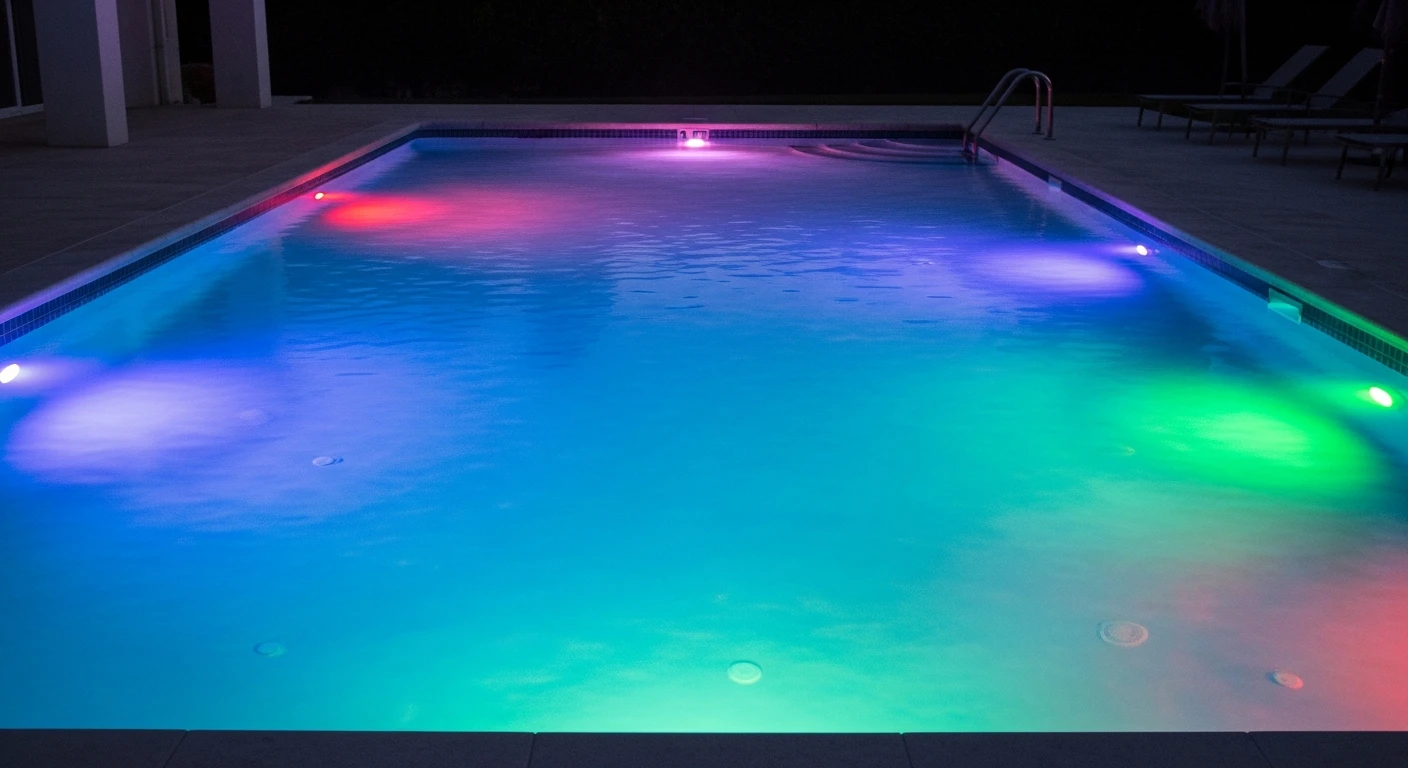
The job isn't done after the light turns on. The final adjustments are what separate a standard job from a specialist's work. For properties in areas like Bonita Springs, where pools are a major aesthetic feature, light quality is paramount. I pay close attention to the beam angle and color temperature (Kelvin). A 4000K light will render the water a crisp, natural blue, while a 5000K light can sometimes make it look slightly green, depending on the pool's surface color. My final quality check is what I call the "24-hour bubble watch." After the installation is complete and the sealant has cured, I meticulously inspect the faceplate and cord entry point for any tiny, streaming air bubbles, which would indicate a micro-leak. Finding and fixing this on day one prevents a catastrophic failure on day 500. Now that your light is perfectly sealed against the harsh Lee County environment, have you considered how the galvanic potential between your fixture's housing and the pool's bonding grid could be silently impacting its lifespan?Written by

Tags
under water led light
led pool lights for inground pools
underwater lights for fountain
underwater pool light replacement
Underwater Pool Lights in Lee FL FAQ
What are underwater pool lights?
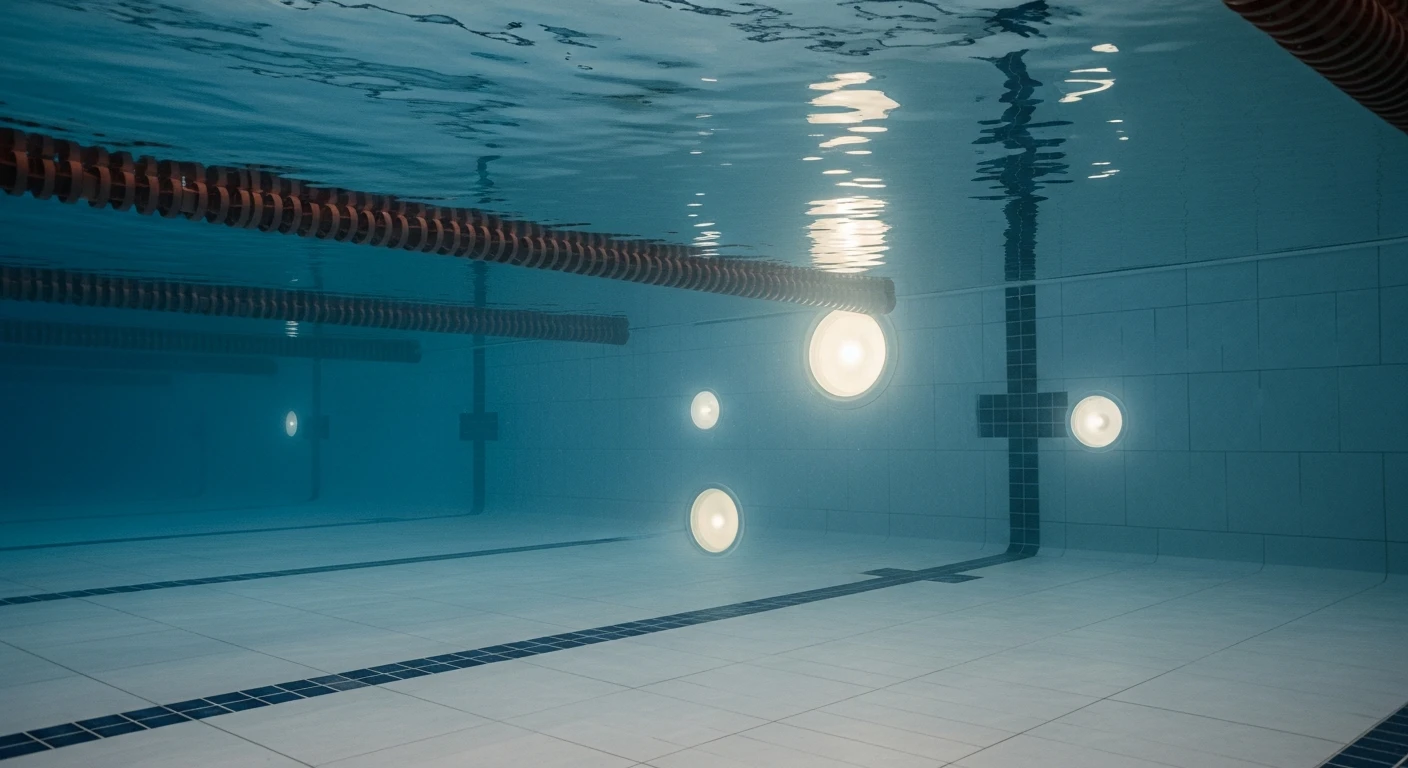
Underwater pool lights are specialized lighting systems designed to illuminate the pool water, providing a unique and spectacular visual effect. These lights are typically installed beneath the pool surface, creating a mesmerizing display of colors and patterns that can be customized to suit your preferences.
What are the benefits of underwater pool lights?
Underwater pool lights offer a range of benefits, including enhanced pool ambiance, improved safety, and increased property value. They can also create a sense of relaxation and tranquility, making them an ideal addition to any backyard oasis.
What types of underwater pool lights are available?
Our range of underwater pool lights includes LED, fiber-optic, and color-changing options. LED lights are energy-efficient and long-lasting, while fiber-optic lights provide a unique, starry effect. Color-changing lights allow you to customize the mood and ambiance of your pool area.
How do underwater pool lights work?
Underwater pool lights typically consist of a light source, such as an LED or fiber-optic cable, connected to a power supply and control system. The lights are designed to withstand the harsh conditions of pool water and are usually installed by a professional pool technician.
Can underwater pool lights be customized?
Yes, underwater pool lights can be customized to suit your specific needs and preferences. Our team of experts can work with you to design a unique lighting scheme that complements your pool's shape, size, and surroundings.
Are underwater pool lights safe?
Yes, underwater pool lights are designed with safety in mind. They are made from durable materials that can withstand the harsh conditions of pool water, and are installed to ensure they do not pose a risk to pool users.
How do I maintain my underwater pool lights?
To ensure optimal performance and longevity, we recommend regularly cleaning and inspecting your underwater pool lights. Our team of experts can also provide guidance on maintenance and repair procedures.
Can I install underwater pool lights myself?
While it is possible to install underwater pool lights yourself, we strongly recommend hiring a professional pool technician. Underwater pool lights require specialized knowledge and equipment to install properly, and improper installation can lead to safety hazards and reduced performance.
How much do underwater pool lights cost?
The cost of underwater pool lights varies depending on the type, size, and complexity of the installation. Our team of experts can provide a customized quote based on your specific needs and pool specifications.