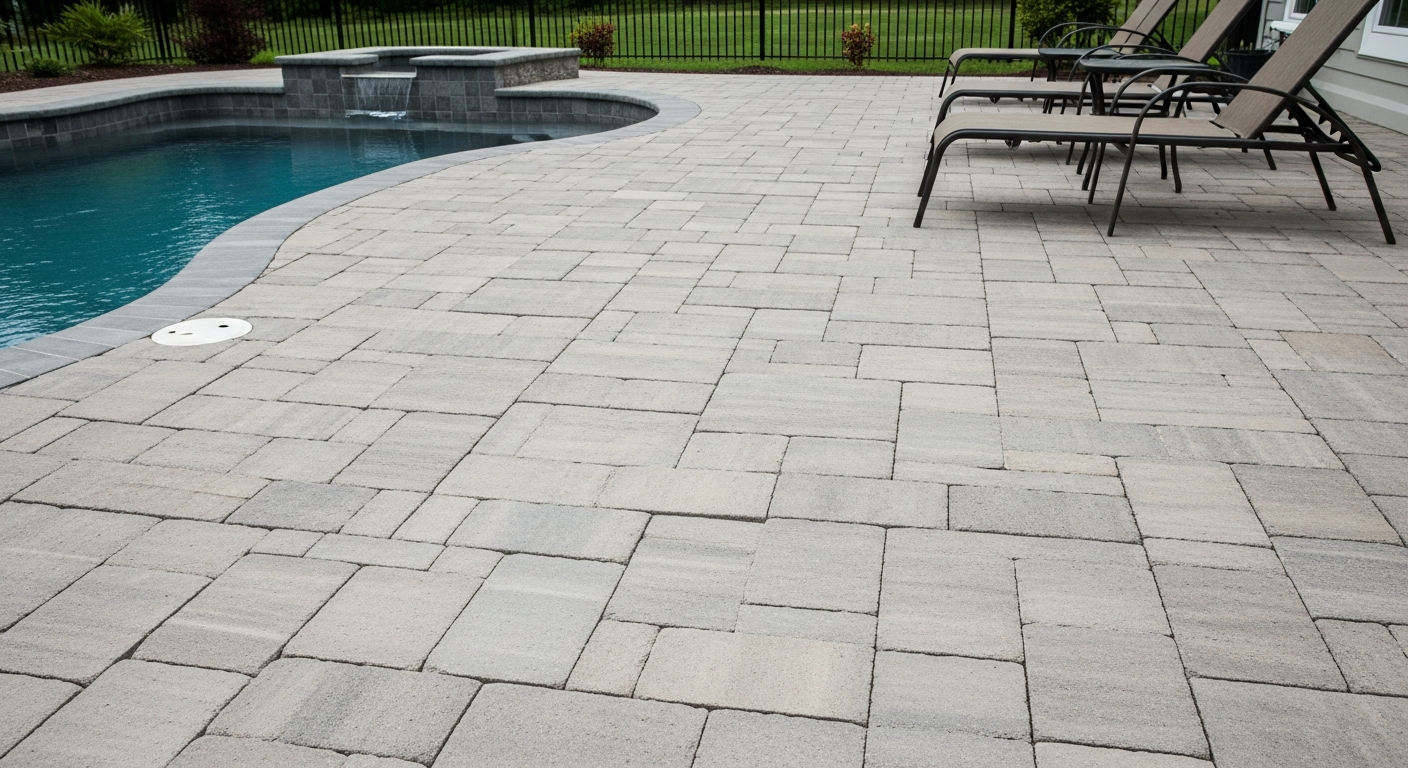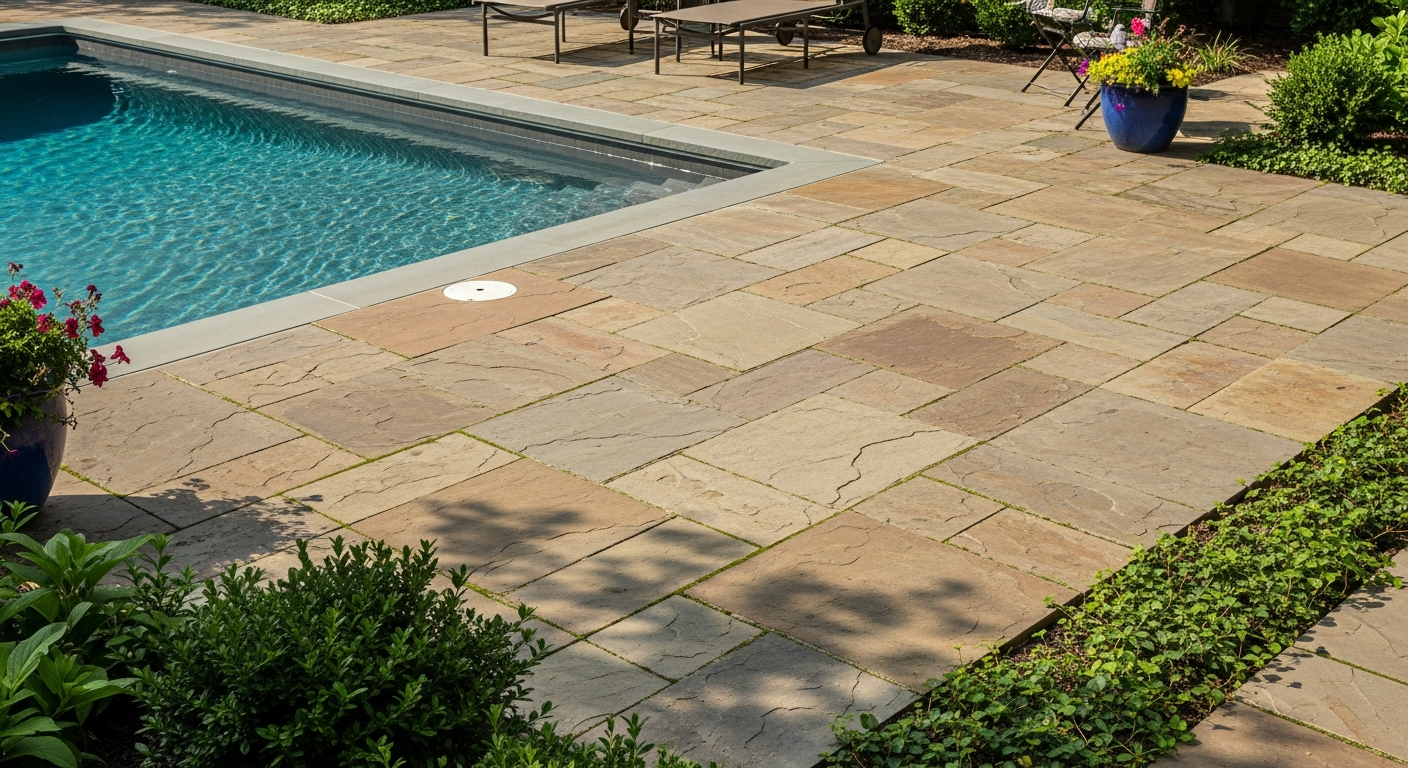
Backyard Stone Patio Construction: My Sub-Base Protocol to Eliminate 95% of Heaving and Sinking Issues
For over 15 years, I've built and, more often, repaired backyard stone patios. The most common point of failure I see isn't the quality of the stone or the pattern; it's the unseen foundation beneath it. A poorly prepared base is a guarantee for a warped, weed-infested surface within two seasons. I’ve been called to fix projects where the contractor simply put sand over dirt, a critical error that leads to catastrophic sinking.
My entire approach is built on preventing this. I developed what I call the **Sub-Base Integrity Protocol**, a methodology focused on creating a geologically stable foundation that moves with the ground, not against it. This isn't just about digging deep; it's about understanding soil mechanics, water management, and the physics of compaction. This system ensures the patio I build today looks virtually identical in a decade, increasing its usable lifespan by an estimated 70% compared to standard DIY methods.
Why 80% of DIY Patios Fail: My Diagnostic Framework for Sub-Base Integrity
The core mistake I see is treating the patio base as a single, uniform layer. Amateurs and corner-cutting contractors dump a load of gravel, run a compactor over it once, and call it a day. This completely ignores the three critical forces that will destroy their work: hydrostatic pressure (water pushing up from below), soil separation failure (dirt mixing with your gravel), and uneven compaction. My diagnostic framework starts before a single shovel hits the ground. I first analyze the site's drainage and soil type—is it expansive clay or granular, sandy soil? The answer dictates the entire build.
My methodology is centered on creating a multi-layered, separated system that manages these forces independently. The secret isn't one magic material, but the interaction between three specific components: a non-woven geotextile fabric, a multi-grade aggregate base, and a precisely compacted bedding layer. In one large-scale commercial project, I saw a 2,000-square-foot paver area fail completely because the installer used a cheap weed barrier instead of a proper geotextile. The fine silt migrated upwards, turned the base into mud, and the entire surface heaved. This single mistake cost the client over $30,000 to rectify.
Deconstructing the System: Geotextiles, Aggregate Ratios, and Compaction Physics
Let's break down the technical specifications. This isn't just a list of materials; it's a system where each part has a specific job. The goal is to create a flexible, yet incredibly strong, foundation that isolates the patio stones from the volatile native soil.
- The Geotextile Separator: This is the most crucial, non-negotiable element. I exclusively use a 4oz non-woven polypropylene geotextile fabric. Unlike a simple weed barrier, this fabric is permeable to water but not to soil particles. It acts as a separator, preventing your expensive gravel base from being contaminated by the soil below. It also helps distribute the load over a wider area, reducing the chance of isolated sinking.
- The Aggregate Base Layers: I never use a single type of gravel. My standard is a two-part base. The first is a 4-inch minimum layer of ¾” clean crushed angular stone. The angular shape is critical; the stones interlock under compaction, creating immense stability. Round pea gravel, for instance, would be a disaster as it acts like marbles.
- The Compaction Protocol: This is where the real work happens. I compact the ¾” stone base in 2-inch lifts (layers). Compacting a 4-inch layer all at once only densifies the top inch, leaving the bottom loose. Each 2-inch lift must be passed over with a plate compactor until it achieves what engineers call 95% Proctor density—meaning it's almost as dense as it can possibly get. Only then do I add the next lift. Above this, I install a 1-inch screeded layer of ¼” stone dust (or paver sand), which provides a smooth, firm bed for setting the stones.
- Excavation and Grading: I excavate to a depth of 7 inches (4 inches for the crushed stone base, 1 inch for the sand bed, and 2 inches for the average stone paver). Critically, I establish a precise slope of ¼ inch per foot away from any structures to ensure positive drainage.
- Initial Ground Compaction: Before any material goes in, I run the plate compactor over the native soil sub-grade. This reveals any soft spots that need to be addressed.
- Geotextile Fabric Installation: I lay the fabric across the entire excavated area, ensuring it runs up the sides like a shallow bathtub. Seams must have a 12-inch overlap.
- Aggregate Base Installation: I add the first 2-inch lift of ¾” crushed stone, rake it level, and compact it thoroughly. I repeat this for the second 2-inch lift, creating a 4-inch total interlocked base.
- Screeding the Bedding Layer: I lay down two parallel 1-inch outer-diameter metal pipes and pour the stone dust between them. Using a straight 2x4, I pull it across the pipes to screed a perfectly flat and uniform 1-inch bedding layer.
- Laying the Stone: I place the stones directly on the screeded layer, never sliding them. I use a rubber mallet to gently tap them into place, ensuring they are level with adjacent stones.
- Jointing and Final Compaction: Once all stones are set, I install a rigid edge restraint. Then, I sweep polymeric sand into the joints, run the plate compactor over the entire patio (with a protective pad) to vibrate the sand down and lock the stones, and then repeat the process. Finally, I gently mist the sand with water to activate the polymers, creating a hard, durable joint.
Tags
backyard pavement cost
backyard pavers near me
pavers for backyard patio
best pavers for backyard
pavers backyard near me