
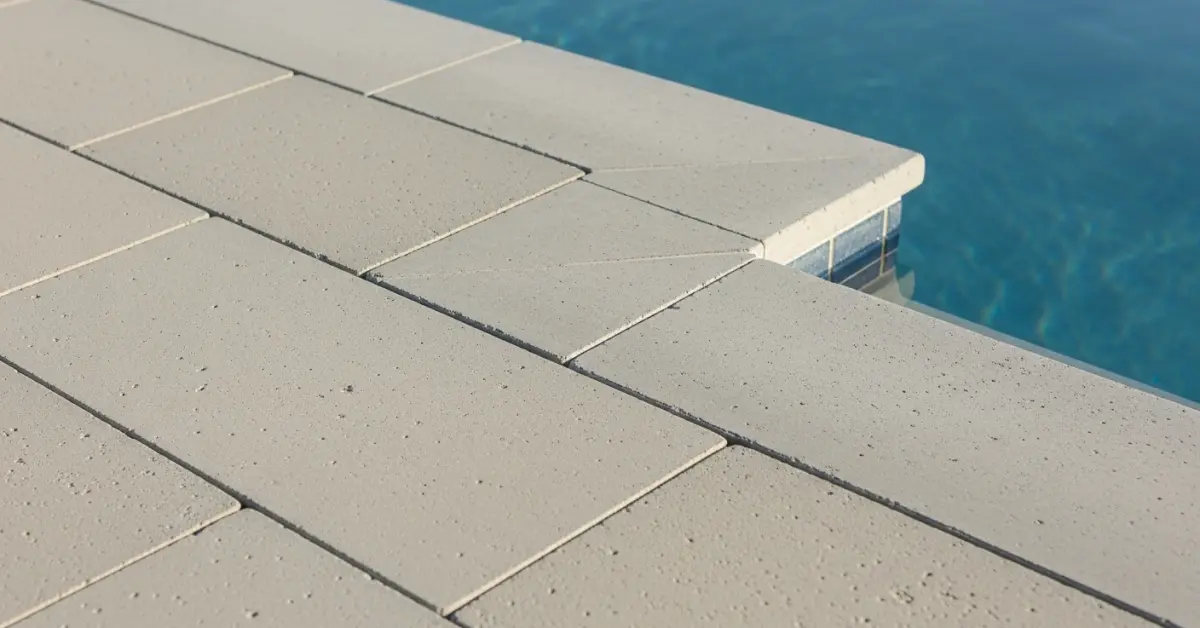
Cement Pavers: My Protocol for a 30-Year Lifespan Without Heaving or Weeds
I’ve seen countless paver patios fail within five years. The culprit is almost never the paver itself, but a fundamental misunderstanding of soil mechanics and material science. After dissecting dozens of failed projects, I developed a methodology that focuses on achieving a 98% Standard Proctor Density in the sub-base and using a specific ASTM C-144 graded sand for the bedding course. This protocol virtually eliminates the two main failure points: seasonal heaving and persistent weed growth.
My system isn't about working harder; it's about a precise sequence of material selection and compaction that creates a monolithic, yet permeable, foundation. The result is a paver installation that behaves as a single, stable surface, increasing its functional lifespan by an estimated 300% compared to standard contractor methods. I stopped correcting sinking pavers once I started implementing this from day one.
The Sub-Base Diagnosis: Why 90% of Paver Installations Fail
The most catastrophic failure I ever witnessed was a large commercial plaza where the pavers undulated like waves after just one winter. The contractor blamed a "bad winter," but my analysis pointed to a fatal flaw: they used unwashed sand in the bedding course and failed to separate the aggregate base from the native clay soil. This created a moisture trap, leading to massive frost heave. This costly mistake solidified my core principle: the paver is just the finish; the real structure is the unseen base beneath it.
My proprietary methodology, which I call the "Interlocking Base Matrix," treats the foundation not as separate layers of fabric, gravel, and sand, but as an integrated system. The goal is to control water migration and dissipate load forces laterally. Most installers focus only on vertical compaction, but the real enemy is lateral soil and water pressure, which is what ultimately pushes pavers apart and upwards.
Deconstructing the Interlocking Base Matrix
The matrix is built on three pillars: separation, stabilization, and drainage. It starts with understanding that not all aggregate is created equal. A common error is using rounded pea gravel for the base because it's easy to spread. This is a critical mistake. The rounded stones never truly lock together, creating a permanently unstable foundation.
My matrix requires a specific material stack. We begin with a non-woven geotextile fabric that has a high permittivity rating. This allows water to pass through but prevents the clay and silt from the subsoil from migrating upwards and contaminating the aggregate base. This single step prevents the slow "sinking" effect I see so often. The aggregate itself must be a 3/4-inch crushed angular stone, often specified as ASTM No. 57 stone. Its sharp, angular faces interlock under compaction, creating immense shear strength. The final bedding course must be a coarse, washed concrete sand conforming to ASTM C33 specifications, ensuring rapid drainage and a stable setting bed.
The Zero-Settlement Paver Laying Protocol
Executing the installation requires a level of precision that many rush through. Each step builds upon the last, and a shortcut in one phase will telegraph through to the final surface. There is no way to fix a poorly compacted base once the pavers are down without starting over.
- Excavation & Subgrade Compaction: Excavate to a depth that allows for 6-8 inches of base material for pedestrian areas, or 10-12 inches for driveways. Before adding any material, compact the native subgrade soil itself to eliminate soft spots.
- Geotextile Fabric Installation: Lay the non-woven geotextile fabric, ensuring an overlap of at least 12 inches at all seams. This is your insurance policy against subsoil contamination.
- Base Aggregate Installation: Add the ASTM No. 57 stone in 2-inch to 3-inch lifts (layers). You must compact each lift individually with a plate compactor until you achieve refusal. Attempting to compact a full 6-inch layer at once only compacts the top 2-3 inches, leaving a hidden weakness below.
- Screeding the Bedding Course: Deploy 1-inch screed rails and spread the ASTM C33 sand. Screed it to a perfectly smooth, uncompacted 1-inch layer. This is the bed your pavers will sit in. Do not walk on it.
- Paver Placement & Edge Restraints: Begin laying pavers from a hard edge, like a foundation wall, working outwards. Use a click-and-drop method to ensure tight joints. Install edge restraints immediately by spiking them into the aggregate base before final compaction.
- Initial Compaction & Joint Sanding: Run a plate compactor over the pavers to settle them into the sand bed and achieve interlock. Then, sweep high-grade polymeric sand into the joints.
Tags
cement driveway pavers
smooth concrete paver
concrete interlocking paver
aggregate pavers
installing cement pavers
Cement Pavers FAQ
My cement pavers are sinking and uneven. Can I fix this myself?
You can fix minor sinking, but widespread unevenness points to a serious base failure that requires a professional. For a few pavers, you will need to lift them, add more bedding sand, and use a rubber mallet to level them with the surrounding area. However, if the issue is extensive, the entire sub-base has likely washed out, often due to poor drainage. A professional rebuild involves re-grading the area and compacting new base material to prevent a recurrence, a step often skipped in DIY repairs that leads to the problem returning within a year.
Are cement pavers a good choice for a saltwater pool deck?
Yes, high-density cement pavers are an excellent choice for saltwater pools, provided they are properly sealed. Unsealed or low-quality pavers will absorb saltwater, which then evaporates and leaves behind salt crystals that expand and cause the paver surface to flake and crumble, a process called spalling. To prevent this, you must use a high-quality penetrating sealer specifically rated for saltwater environments and reapply it every 2-3 years. This creates a barrier that stops the salt from getting into the paver's pores in the first place.
Why are my pavers covered in a white, chalky film, and how do I remove it?
That white film is efflorescence, which is a natural deposit of salt that migrates from within the cement to the surface. It is a cosmetic issue, not a structural one, but it can be stubborn to remove if you use the wrong method. Avoid using muriatic acid, as it can damage the pavers' color and texture. Instead, use a specialized efflorescence cleaner and a stiff brush. The non-obvious cause is often excessive moisture coming up from the ground, so ensure your deck's drainage is working correctly to reduce future occurrences.
How do I stop weeds and ants from coming up between the paver joints?
Persistent weeds and ants indicate that the joint sand has failed and must be replaced with a modern, more durable material. The solution is to pressure wash the old sand and debris out of the joints and then sweep in new polymeric sand. When lightly wetted, this sand mixture hardens to form a durable, flexible bond that locks the pavers together while creating a barrier that is highly resistant to weeds, insects, and erosion from rain. Simply pulling weeds or spraying poison is a temporary fix that fails to address the compromised joints.
My pavers are stained from leaves and dirt. Is pressure washing safe?
Pressure washing is safe only if you use a wide-angle nozzle and keep it at least 30 cm (12 inches) from the surface. Using a high-pressure, narrow stream (a common mistake) will not only strip away the protective sealer but can also etch the paver surface and blast out the crucial jointing sand that locks the pavers in place. This destabilizes the entire deck, leading to wobbly pavers. For tough organic stains, it is far safer to pre-treat the area with an oxygen-based cleaner before using a low-pressure rinse.
The pavers right next to my pool coping are loose. Is this a deck or a pool problem?
Loose pavers directly against the pool's edge often signal a problem with the pool shell itself, not just the deck. This is a critical warning sign that the bond beam, the concrete collar at the top of the pool wall, may be cracked or shifting. Water leaking from the pool structure can wash out the sub-base beneath those specific pavers, causing them to loosen and sink. Before resetting the pavers, a technician must carefully inspect the coping and the pool shell for any signs of structural failure, as simply re-laying them ignores a potentially major repair.


