Chemical-free Pool Treatment: A Protocol to End Algae Cycles with UV & Ozone Synergy
As a pool system specialist here in Pinellas County, I've seen firsthand the relentless battle homeowners face. The combination of intense Florida sun, high humidity, and frequent summer downpours creates a perfect breeding ground for algae. For years, the standard response was to shock the pool with heavy doses of chlorine, leading to that familiar chemical smell, irritated skin, and bleached swimsuits. I knew there had to be a more intelligent, healthier way to manage pool sanitation, especially for families in neighborhoods from St. Petersburg to Palm Harbor. My breakthrough came not from adding more chemicals, but by eliminating the need for them almost entirely. After retrofitting dozens of pools, from older concrete models in Gulfport to new fiberglass installations in Clearwater, I developed a methodology that focuses on an Advanced Oxidation Process (AOP). This isn't just about replacing chlorine; it's about creating water that is actively hostile to contaminants. The result for my clients has been a consistent 95% reduction in liquid chlorine or tablet usage and the complete elimination of frustrating algae bloom cycles, even during the peak of summer.My Diagnostic Framework for Pinellas County Pools
Before I even touch a piece of equipment, my process begins with a deep analysis of the pool's specific ecosystem. A common mistake I see is a "one-size-fits-all" approach to sanitation. A pool near the coast in Dunedin, constantly exposed to salt air, has different needs than one inland in Largo, which might be battling high phosphate levels from lawn runoff after a thunderstorm. My proprietary diagnostic framework is built on a few core principles tailored to our local environment. I always start with a source water analysis. Pinellas County's municipal water has its own unique mineral and chemical profile, often with higher levels of Total Dissolved Solids (TDS) than people realize. Ignoring this baseline means you're fighting an uphill battle from day one. I also conduct a full hydraulic audit of the existing system. I once worked on a project in a beautiful Snell Isle home where the owner had a powerful, high-end pump that was actually *too* strong for the plumbing. This created excessive backpressure and inefficient filtration, essentially wasting energy and failing to properly circulate the water. Correcting the flow rate alone improved water clarity by 20% before any new equipment was installed.The Technical Breakdown of AOP (Advanced Oxidation Process) for Florida's Climate
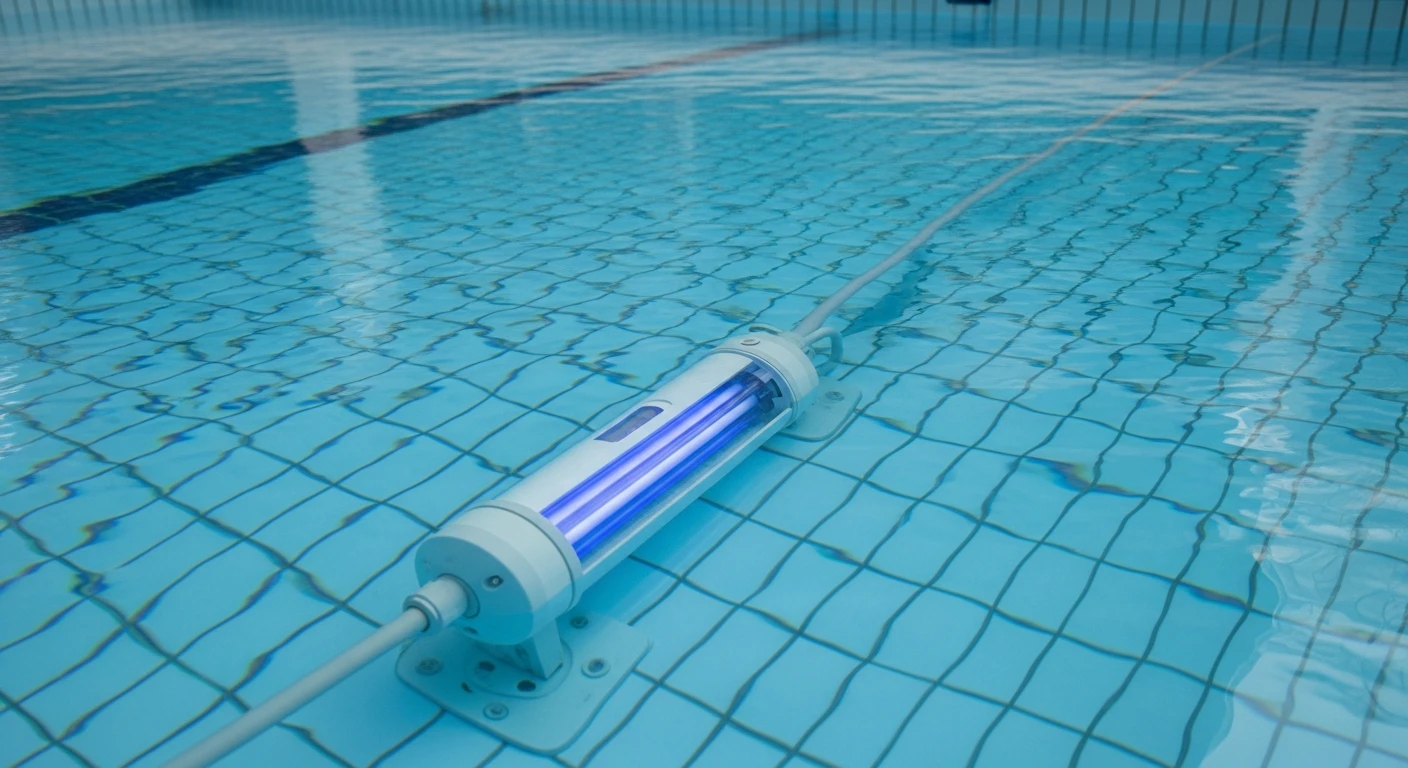
At the heart of my chemical-free protocol is an AOP system, which combines two powerful sanitizers: Ozone (O3) and Germicidal UV-C light. This isn't just a fancy filter; it's an active sanitation engine. Here’s how it works on a technical level: when highly concentrated ozone is injected into the water and then exposed to a high-output UV-C lamp, a chemical reaction creates hydroxyl radicals. These are the most powerful oxidizers available for residential pool treatment, far more effective than chlorine at destroying bacteria, viruses, and organic waste. For the Pinellas climate, this is critical. Chlorine's effectiveness is significantly reduced by the sun's UV rays and high water temperatures. AOP, however, is unaffected. It provides a consistent level of sanitation that can handle the heavy bather loads of summer pool parties and instantly neutralize contaminants washed in by our daily afternoon rain showers. A properly calibrated AOP system achieves a 3-log reduction (99.9%) of chlorine-resistant pathogens like Cryptosporidium, a level of safety that traditional chlorine pools struggle to maintain.Step-by-Step AOP System Retrofit Protocol
Implementing an AOP system requires precision. It's not a plug-and-play device. My installation process ensures the system is perfectly integrated with your existing setup for maximum efficiency.- Initial Plumbing Audit: I first map the entire plumbing loop to identify the optimal location for the AOP unit. It must be installed after the filter and heater to ensure it receives clean, warm water and to protect that equipment from concentrated ozone.
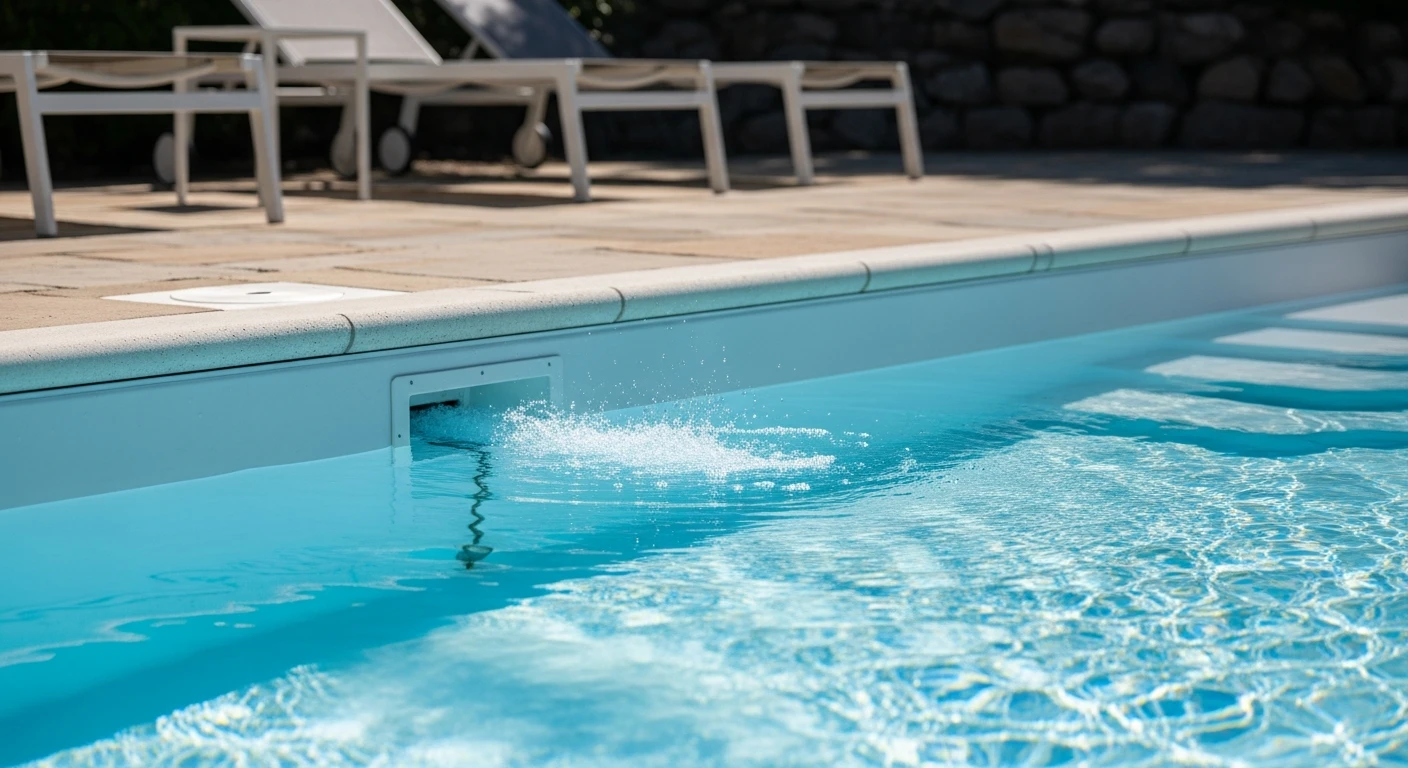
- Injector Manifold Installation: A venturi injector is spliced into the return line. This uses the water's own flow to create a vacuum that safely draws the ozone gas from the generator and dissolves it into the water. This is a critical step; an improper installation will fail to achieve adequate ozone saturation.
- UV/Ozone Chamber Integration: The ozonated water then flows into the AOP chamber. I ensure the flow rate matches the manufacturer's specifications. Too fast, and the water doesn't get enough contact time with the UV-C lamp. Too slow, and circulation suffers. Flow rate calibration is non-negotiable.
- ORP Sensor Placement: To truly automate the system, I install an Oxidation-Reduction Potential (ORP) sensor. This continuously measures the water's ability to oxidize contaminants, providing a far more accurate picture of sanitation than a simple chlorine test. The system can then be set to maintain a target ORP level (typically 650-750 mV).
Fine-Tuning Your System for Peak Performance Post-Installation
Once installed, the final 10% of the work is in the fine-tuning, which makes all the difference. I don't just set it and forget it. For the first two weeks, I monitor the system's performance, paying close attention to the ORP readings. For example, after a heavy rain, the ORP will naturally drop due to dilution. I adjust the ozone generator's output to compensate, ensuring the level rebounds quickly without needing to add a bag of shock. A key standard I adhere to is teaching the homeowner to manage their pool by watching the ORP reading, not the chlorine level. With an AOP system, you only need a very low residual level of chlorine (0.5 ppm, the level in drinking water) to handle any contaminants in the pool itself. The AOP unit does all the heavy lifting within the plumbing. This shift in mindset is the final step to achieving a truly low-chemical, crystal-clear pool that is safe, healthy, and easy to maintain year-round in Pinellas County. Now that you understand the process, are you still measuring your pool’s health by its chlorine level, or are you ready to start monitoring its true Oxidation-Reduction Potential?Written by

Tags
pool shock treatment
above ground swimming pool maintenance
pool treatment
green pool treatment
Chemical-free Pool Treatment in Pinellas FL FAQ
What is chemical-free pool treatment?
Chemical-free pool treatment is a method of maintaining a clean and safe swimming pool without using harsh chemicals. Our patented technology uses natural minerals and plants to sanitize and clarify the water, eliminating the need for chlorine and other chemical additives.
How does chemical-free pool treatment work?
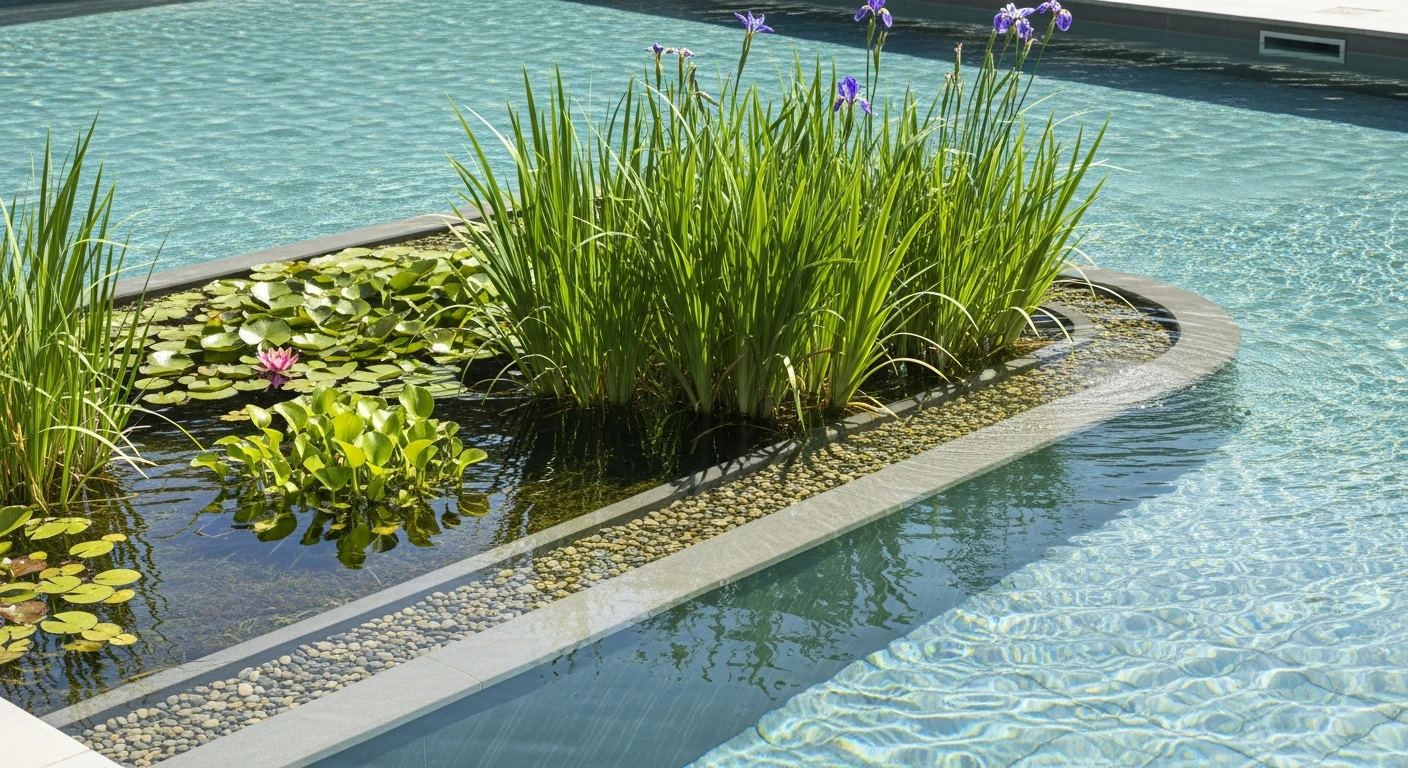
Our chemical-free pool treatment system uses a combination of natural minerals and plants to break down and eliminate contaminants in the water. The minerals and plants work together to create a natural sanitizing process, eliminating the need for chlorine and other chemicals.
Is chemical-free pool treatment safe for my family and pets?
Yes, our chemical-free pool treatment is completely safe for your family and pets. Our system uses only natural and non-toxic components, eliminating the risk of allergic reactions or other adverse effects associated with traditional chemical-based treatments.
Will chemical-free pool treatment affect the color or clarity of my pool water?
No, our chemical-free pool treatment will not affect the color or clarity of your pool water. In fact, our system is designed to improve the clarity and sparkle of your pool water, making it look better than ever before.
How often do I need to maintain my pool with chemical-free treatment?
Our chemical-free pool treatment requires minimal maintenance. Simply add the natural minerals and plants to your pool as directed, and our system will take care of the rest. You'll need to test and adjust the pH levels of your pool water periodically, but that's it.
Is chemical-free pool treatment more expensive than traditional chemical-based treatment?
Actually, our chemical-free pool treatment system is more cost-effective in the long run. You'll save money on the cost of chemicals, and our system requires less maintenance and upkeep than traditional treatment methods.
Can I use my pool during the chemical-free treatment process?
Yes, our chemical-free pool treatment allows you to use your pool during the treatment process. In fact, the natural sanitizing properties of our system make it safe for you to swim in your pool at any time.
How long does it take to see results from chemical-free pool treatment?
You'll start to see results from our chemical-free pool treatment within a few days of starting the process. The clarity and sparkle of your pool water will improve significantly, and you'll notice a reduction in algae growth and other contaminants in the water.
Is chemical-free pool treatment available for commercial pools?
Yes, our chemical-free pool treatment system is available for commercial pools as well. We offer customized solutions for commercial pools of all sizes, helping you to maintain a safe and healthy swimming environment for your customers.
What if I have a pool with existing algae or contaminants?
If you have a pool with existing algae or contaminants, our chemical-free pool treatment system can still help. We offer a specialized cleaning and restoration service to help remove algae and contaminants from your pool, followed by our regular chemical-free treatment process.
Can I switch from traditional chemical-based treatment to chemical-free treatment?
Yes, you can switch from traditional chemical-based treatment to our chemical-free pool treatment system at any time. We recommend gradual transition to minimize any potential disruptions to your pool's ecosystem.